Violet Grey Eyes National Expansion as Specialty Beauty Retailer Targets Dallas and Aspen for New Stores

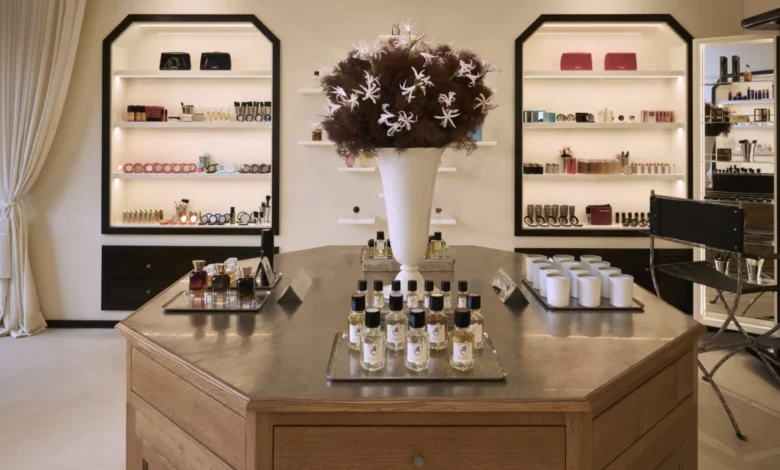
The modern landscape of luxury beauty retail is undergoing a profound structural evolution, defined by a shift away from sprawling department store footprints in favor of hyper-curated, high-touch specialty boutiques. At the forefront of this movement is Violet Grey, the prestige beauty destination that carved out its reputation as a Los Angeles institution before expanding bicoasally with its prominent Upper East Side flagship in New York City. Following its reacquisition from digital fashion platform Farfetch in 2024 by founder Cassandra Grey and current CEO Sherif Guirgis, the brand is mapping out its next phase of aggressive yet deliberate physical growth. Breaking away from its traditional coastal strongholds, Violet Grey has officially announced plans to open two new brick-and-mortar storefronts in Dallas, Texas, and Aspen, Colorado, signaling a strategic effort to capture underserved luxury consumers in high-net-worth secondary markets.
The scheduled rollout of these brick-and-mortar locations reflects a broader recalibration within the luxury retail sector. The Dallas outpost is targeted for a February opening, while the Aspen location is slated to welcome shoppers just before the Christmas holiday season. These new doors will join the retailer’s established retail footprint, which currently includes flagship locations on Melrose Place in Los Angeles, Palisades Village, Madison Avenue in Manhattan, and East Hampton. By planting flags in these specific inland and mountain markets, Violet Grey aims to capitalize on demographic shifts that have seen affluent populations decentralize away from traditional coastal metropolises over the past several years.
Targeting the Prestige White Space in Emerging Luxury Hubs
According to CEO Sherif Guirgis, the decision to expand beyond Los Angeles and New York is rooted in a clear market observation: a pronounced gap in white space for the ultra-premium end of the beauty sector. While mass-market beauty brands increasingly lean into digital ecosystems, social media discovery platforms like ChatGPT, and mass-retail partnerships, discerning high-end consumers often find themselves underserved when seeking personalized, high-touch advisory services in physical environments.
This gap has become glaringly apparent in metropolitan hubs like Dallas. In September, the retail landscape of downtown Dallas experienced a seismic shift when Neiman Marcus shuttered its historic flagship store after a century in continuous operation. This closure underscored the ongoing structural distress faced by legacy department stores, compounded by the prolonged bankruptcy proceedings of parent company Saks Global. While legacy competitors like Nordstrom and Macy’s have attempted to revitalize their footprints through major cosmetic and skincare section overhauls, department stores at large continue to grapple with sluggish foot traffic and an identity crisis in the luxury space.
Rather than attempting to revive the traditional downtown department store model, Violet Grey is doubling down on a boutique real estate strategy. The brand’s existing storefronts on Melrose Place and Madison Avenue occupy intimate footprints of roughly 1,000 square feet. Guirgis argues that this smaller scale is not a limitation, but rather a vital competitive advantage in an era marked by overwhelming consumer choice and infinite digital scroll culture.
In an era where shoppers face unlimited access to brands, constant product launches, and an overwhelming influx of digital information, physical retail must offer a distinct counter-programming strategy. Guirgis emphasizes that consumers are increasingly fatigued by aisles where the vast majority of stock is irrelevant to their individual needs. By curating an assortment where every single stock-keeping unit has been meticulously vetted, Violet Grey positions its physical stores as trusted filters through the noise of the modern beauty market.
Strategic Real Estate: The Knox Street Corridor and Year-Round Aspen
Rather than placing its Dallas store in the historic downtown core vacated by legacy institutions, Violet Grey has opted for a prime spot on Knox Street. Developed collaboratively by the Summers Group and Gillon Property Group, the Knox Street district has rapidly transformed into one of the most sought-after luxury and lifestyle shopping corridors in the American South. The neighborhood is rapidly attracting a sophisticated roster of fashion-forward and contemporary tenants, including Toteme, Dôen, and Alo Yoga. This retail ecosystem will soon be anchored by the debut of a luxury hotel property from the Auberge Collection, which is slated to begin welcoming guests to $1,000-a-night rooms in late January.
Guirgis notes that retail clustering is a deliberate component of the brand’s expansion playbook. Operating alongside established lifestyle and fashion neighbors—such as Sant Ambroeus, Toteme, and Khaite, all of which share a heavily overlapping customer demographic—creates a symbiotic commercial environment. This clustering encourages consumers to leave their residences, engage in walkable outdoor shopping experiences, and organically discover the brand during their leisure time.
Meanwhile, in Aspen, Violet Grey is stepping into a mountain resort market already densely populated by legacy luxury fashion houses like Prada and Chanel. However, the retailer’s leadership is placing a calculated bet on the changing seasonal dynamics of the famous Colorado destination. While Aspen has historically been viewed primarily as a winter sports haven, Guirgis points to emerging data indicating that summer retail performance has eclipsed the winter season. As affluent remote workers and urban escapees increasingly treat mountain enclaves and coastal hamlets like the Hamptons as year-round or extended-season residences rather than fleeting weekend getaways, the viability of high-end specialty retail in these markets has strengthened exponentially.
Controlled Growth and the M&A Landscape in Beauty
Despite the ambitious roadmap for Dallas and Aspen, Violet Grey’s leadership maintains a cautious stance on retail saturation. The brand is systematically evaluating its existing e-commerce data and customer distribution maps to determine where its core buyers reside, but it is deliberately avoiding the temptation to over-expand. Guirgis has stated that the company is not interested in maximizing theoretical store counts simply for the sake of corporate scale. Rapid, unchecked franchising or store proliferation risks diluting the brand equity and editorial authority that made Violet Grey a premier destination in the first place. Striking the delicate balance between commercial growth and exclusivity remains a central tenet of the company’s operating strategy.
This strategic restraint arrives against a fascinating backdrop of broader financial and merger-and-acquisition trends across the beauty and personal care sectors. According to Kearney’s 2026 M&A in Beauty and Personal Care report—which evaluated market activity through Volume Over Scale and Value lenses—transaction volume within the sector hit an all-time high of 384 deals in 2025, marking an 8% year-over-year increase.
However, a closer analysis of the report reveals a distinct structural shift: the average financial value of those reported deals declined from $26 million in the previous period to $22 million. This downward trend in average deal size suggests that investors and strategic conglomerates are shifting their capital away from massive, highly inflated mega-acquisitions. Instead, they are favoring smaller, highly agile, niche-focused brands—such as independent fragrance houses like Parfums de Marly, which continues to attract intense buyer interest. In this climate of precision investing and cautious capital deployment, Violet Grey’s disciplined, measured retail expansion aligns closely with the market’s broader demand for authenticity, brand equity, and sustainable value over sheer corporate mass.