Lululemon settles Texas safety inquiry as state finds no PFAS in products

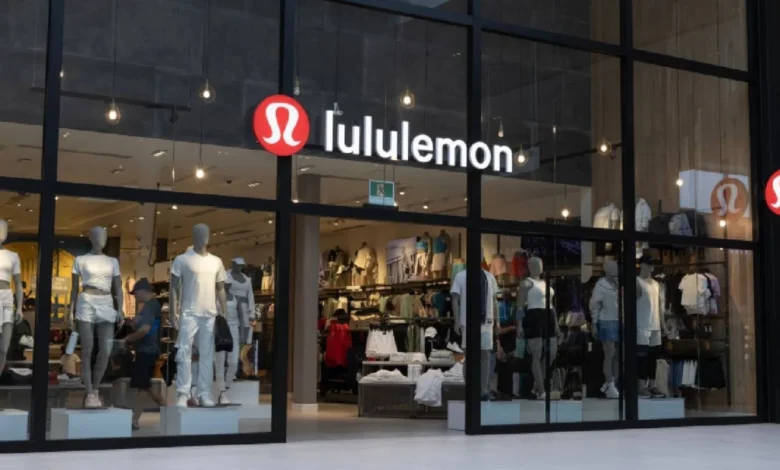
Athletic apparel giant Lululemon has officially resolved a high-profile state regulatory inquiry after the Texas Attorney General’s Office concluded an extensive review of the company’s inventory and manufacturing supply chain. The investigation, which centered on allegations of potential environmental and consumer safety violations regarding synthetic chemical usage, ultimately yielded no evidence of per- and polyfluoroalkyl substances (PFAS) within Lululemon’s merchandise or raw materials.
The settlement brings a definitive close to a legal process that began earlier in the year when Texas authorities issued formal inquiries to major consumer goods companies operating within the state. For Lululemon, the resolution validates its long-standing manufacturing guidelines and public assertions regarding product safety. Representatives for the Vancouver-headquartered brand confirmed that the agreement requires no monetary fines, involves no admission of wrongdoing, and includes no legal finding of liability. Rather, the resolution was reached mutually to circumvent what both parties acknowledged would have been protracted and costly litigation.
Despite the conclusion of the formal state inquiry, the agreement formalizes several rigorous compliance mechanisms that Lululemon must maintain across its global supply chain. These protocols reflect an industry-wide shift toward heightened transparency and stringent chemical management in textile production, driven by evolving regulatory landscapes and growing consumer expectations surrounding sustainable, non-toxic apparel.
Genesis of the Investigation: The April 2026 Civil Investigative Demand
The regulatory scrutiny facing Lululemon in Texas originated in April 2026, when Texas Attorney General Ken Paxton issued a civil investigative demand (CID) to Lululemon USA. The legal instrument was part of a broader investigative sweep targeting major retailers and consumer goods brands to determine whether companies had engaged in deceptive trade practices or made misleading claims regarding the safety, environmental impact, or health implications of their products.
Specifically, state investigators sought to determine whether Lululemon’s popular line of athletic wear, yoga apparel, and accessories contained "forever chemicals"—a colloquial term for PFAS. These synthetic compounds have been widely utilized in various commercial and industrial applications since the mid-20th century due to their water-, stain-, and grease-resistant properties. However, mounting scientific evidence regarding their persistence in the environment and potential human health risks has placed intense regulatory and legal pressure on consumer-facing industries, particularly textiles, cosmetics, and cookware.
In response to the CID, Lululemon cooperated fully with the Texas Attorney General’s Office, submitting extensive documentation, internal compliance manuals, and independent laboratory reports verifying the material composition of its fabrics. Following a thorough evaluation of these records, state regulators officially cleared the company. In its closing summary, the Texas Attorney General’s Office stated: "Following a review of the documents provided in response to its Civil Investigative Demand, the State did not identify PFAS in Lululemon products or materials."
Supply Chain Protocols and Restricted Substances Standards
While the Texas inquiry resulted in a clean bill of health for Lululemon’s current merchandise, the settlement agreement details specific, ongoing obligations that the retailer must uphold to maintain compliance with state expectations. Lululemon has emphasized that these requirements mirror its existing operational framework rather than signaling a pivot in its manufacturing practices.
At the core of these requirements is Lululemon’s strict adherence to its Restricted Substances List (RSL), a comprehensive policy document that dictates the allowable chemical thresholds for all materials entering its supply chain. Under the terms of the settlement, Lululemon is required to enforce vendor compliance through a two-tiered verification system: independent third-party laboratory testing or accredited third-party certifications.
Suppliers wishing to utilize third-party certifications must ensure that those credentials remain active and current. If a certification lapses, expires, or fails to be renewed, the affected materials are immediately subjected to mandatory third-party laboratory testing to verify that they fall within the acceptable parameters of the RSL. Furthermore, the agreement mandates that Lululemon must require its vendors to proactively report any expired certificates. The company is also obligated to ensure that an independent, nominated laboratory validates any certifications submitted in lieu of direct physical testing.
To ensure accountability, the legal document establishes a standard of commercially reasonable oversight. Lululemon’s legal obligations are measured by its active enforcement of these verification procedures and its prompt implementation of corrective actions or contractual remedies when a supplier falls short, rather than demanding impossible perfection from every individual vendor at every single moment.
Alignment with Global Chemical Standards
The chemical thresholds embedded within Lululemon’s RSL are not arbitrary; they are meticulously aligned with international chemical regulations and industry benchmarks established by the Apparel and Footwear International RSL Management (AFIRM) Group. The AFIRM Group serves as a vital resource for global apparel brands, providing harmonized standards designed to manage restricted substances safely and efficiently across complex, international supply chains.
By tying its vendor agreements to these rigorous international benchmarks, Lululemon ensures that its manufacturing partners—spanning various continents and tier-one to tier-four facilities—adhere to uniform safety criteria. This global alignment helps insulate the brand from regional regulatory discrepancies and reinforces its commitment to consumer safety and environmental stewardship.
Industry-Wide Context: The Regulatory War on PFAS
The investigation into Lululemon must be viewed within the broader context of a nationwide regulatory crackdown on per- and polyfluoroalkyl substances. Often referred to as "forever chemicals" because of their extreme durability and resistance to degradation in natural environments, PFAS have become a primary target for state attorneys general, environmental protection agencies, and class-action litigators across the United States.
Because of their unique ability to repel water, oil, and heat, PFAS historically found widespread use in performance fabrics, outdoor gear, and athletic wear designed to withstand moisture and sweat. However, toxicological studies linking prolonged exposure to certain types of PFAS with adverse health outcomes—including immunological issues, developmental delays, and elevated risks of specific cancers—have prompted sweeping legislative action.
Several U.S. states, including California, New York, and Maine, have enacted or proposed outright bans on the intentional addition of PFAS in various consumer product categories, including apparel, cosmetics, and children’s items. These legislative milestones have placed immense pressure on fashion and textile companies to audit their supply chains, eliminate chemical treatments historically relied upon for moisture-wicking and stain resistance, and adopt transparent verification measures.
In this high-stakes regulatory environment, retail brands are increasingly vulnerable to investigations, consumer lawsuits, and reputational damage if their products are found to contain unauthorized synthetic compounds. Lululemon’s proactive stance in cooperating with Texas authorities and its preexisting RSL framework allowed the company to navigate the state inquiry successfully, setting a notable precedent for how large-scale apparel brands can resolve regulatory challenges amicably.
Corporate Reactions and Future Implications
Lululemon has consistently maintained that its products are free from intentionally added PFAS, pointing to its multi-tiered quality assurance processes and long-standing relationships with vetted suppliers. Company executives have reiterated that the resolution with the Texas Attorney General’s Office requires zero modifications to their existing product lines, manufacturing techniques, or retail operations.
By settling without fines or admissions of liability, Lululemon successfully mitigated the financial and public relations risks typically associated with state-level consumer protection investigations. The outcome preserves consumer trust in the brand’s high-performance fabrics while validating its supply chain governance.
Looking ahead, legal and industry analysts expect state attorneys general to continue scrutinizing consumer goods manufacturers regarding chemical safety, greenwashing, and product composition claims. As compliance standards tighten nationwide, retailers are likely to adopt even more stringent auditing protocols, closely mirroring the third-party verification and RSL enforcement mechanisms reinforced by Lululemon in its recent settlement.
For Lululemon, the conclusion of the Texas inquiry provides regulatory certainty in a key market and underscores the efficacy of its internal compliance programs. As the apparel industry continues to adapt to a post-PFAS manufacturing reality, the company’s ability to demonstrate transparent, verified supply chain safety will remain a cornerstone of its operational strategy and brand reputation.
Related posts: