Allen Edmonds Rhett Cap-Toe Oxford Dress Shoes: A Comprehensive Analysis of Heritage Craftsmanship and Modern Comfort

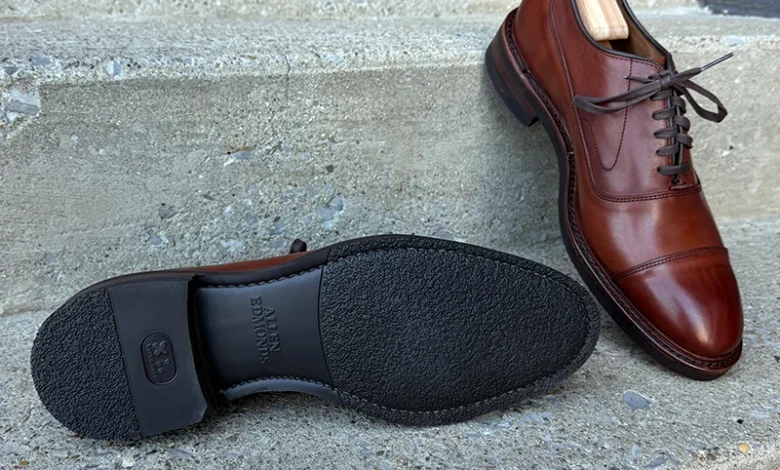
The Allen Edmonds Rhett Cap-Toe Oxford marks a strategic evolution in the footwear industry, blending the brand’s century-long commitment to traditional Goodyear-welted construction with contemporary ergonomic advancements. Priced at $475, this model represents a calculated effort by the Wisconsin-based manufacturer to retain its core demographic of traditionalist menswear enthusiasts while addressing the growing consumer demand for increased comfort in professional settings. By integrating lightweight materials and advanced cushioning into a classic silhouette, Allen Edmonds is positioning the Rhett as a versatile bridge between formal attire and the necessity of all-day wearability.
Chronology and Product Development
Allen Edmonds has long served as a standard-bearer for American-made, high-quality leather footwear. The brand’s "Park Avenue" model has functioned as the industry benchmark for the classic cap-toe Oxford for decades, frequently serving as the entry point for consumers entering the professional workforce. The development of the Rhett model follows an industry-wide trend observed over the last five years, where heritage shoe manufacturers have faced pressure from "hybrid" brands that prioritize sneaker-like comfort over structural integrity.
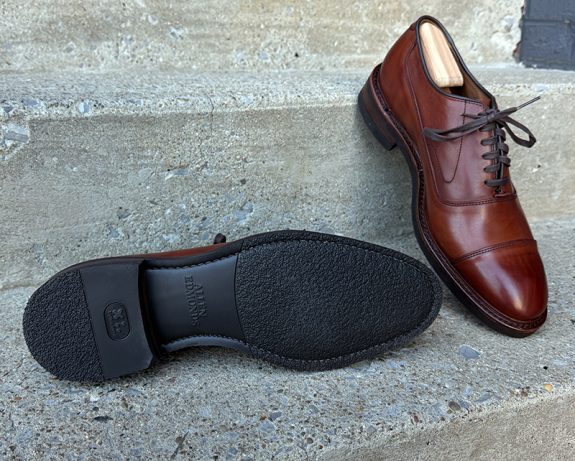
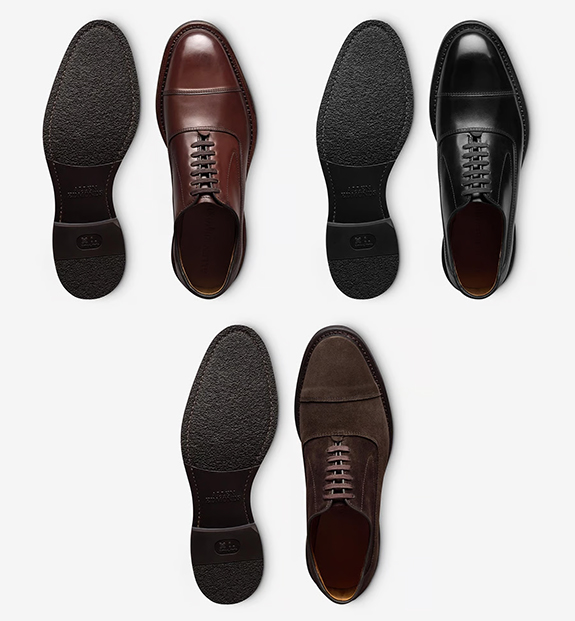
The design process for the Rhett focused on the "2014 last," a refined architectural mold that builds upon the foundational success of the company’s signature 65 last. Engineers at the Port Washington facility aimed to rectify common complaints regarding the stiffness of traditional leather-soled shoes, which often require extensive break-in periods. By utilizing an XL Extralight molded rubber sole, the development team successfully reduced the total weight of the footwear without compromising the aesthetic of a formal office shoe.
Material Composition and Structural Integrity
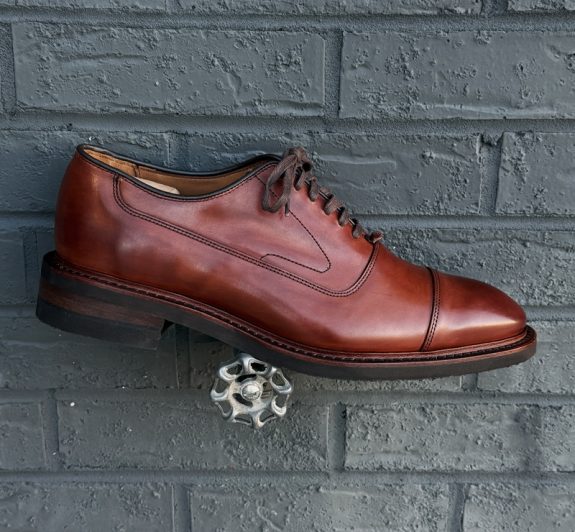
The technical specifications of the Rhett align with the high-end expectations of the luxury footwear market. The upper is constructed from premium European calfskin, selected for its tight grain and ability to retain a high-luster polish. The structural core of the shoe remains consistent with legacy manufacturing techniques, utilizing a 360-degree Goodyear storm welt. This construction method ensures that the shoe remains water-resistant and, more importantly, fully recraftable, allowing for long-term maintenance that cemented-sole sneakers cannot offer.
A critical point of distinction is the interior footbed. The shoe incorporates Poron Embrace open-cell foam, a material utilized in high-performance athletic footwear for its shock-absorption properties. Unlike standard cork fillers found in traditional Oxfords, which take time to mold to the wearer’s foot, this foam layer provides immediate comfort. The inclusion of this technology represents a significant investment in research and development, aimed at mitigating the fatigue associated with long-duration standing or walking—a common issue for professionals in legal, financial, and corporate sectors.
Market Context and Consumer Impact
The professional landscape has undergone a significant transformation since 2020. With the rise of "business casual" and the relaxation of traditional dress codes, the demand for stiff, unyielding formal footwear has fluctuated. Data from the luxury retail sector suggests that while consumers are moving away from restrictive clothing, they remain hesitant to sacrifice the prestige and longevity associated with bench-made leather shoes.
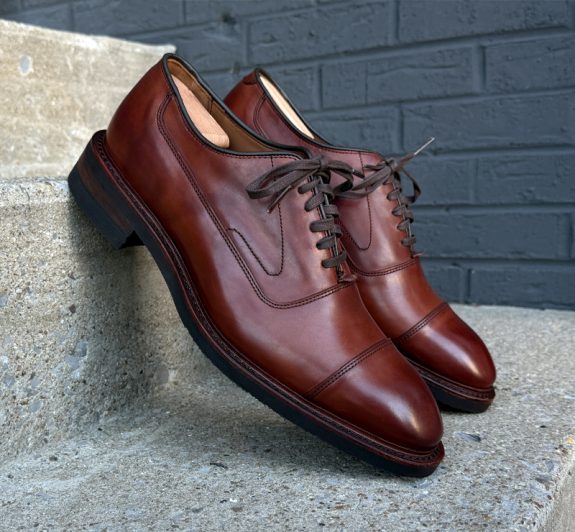
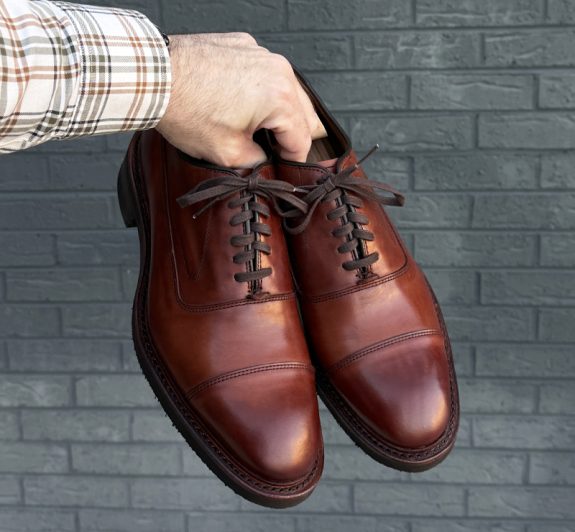
The Rhett addresses this shift by offering a "stealth" approach to comfort. From a distance, the shoe maintains the proportions of a traditional cap-toe, ensuring it remains appropriate for formal board meetings or black-tie events. However, the functional benefits—namely the reduced weight and improved flexibility—position it as a practical choice for the modern commuter. Industry analysts note that this "dual-purpose" strategy is essential for heritage brands aiming to remain relevant in a market that increasingly favors utility.
Logistics and Supply Chain Accessibility
The release of the Rhett also highlights the efficacy of the direct-to-consumer (DTC) model currently employed by Allen Edmonds. By streamlining the order-to-delivery process, the brand has managed to maintain a three-to-five-day delivery window for domestic customers. Furthermore, the company’s return policy—offering free domestic returns for first-quality footwear—serves as a critical competitive advantage. In the premium footwear category, where sizing accuracy is paramount due to the rigidity of high-quality leather, removing the financial risk of return shipping significantly lowers the barrier to entry for potential new customers.
Comparative Analysis: Heritage vs. Innovation
A recurring debate in the footwear industry concerns the longevity of foam-based comfort systems compared to traditional leather footbeds. While traditionalists often cite that leather footbeds develop a custom fit over time, the Rhett offers a different value proposition: immediate usability.
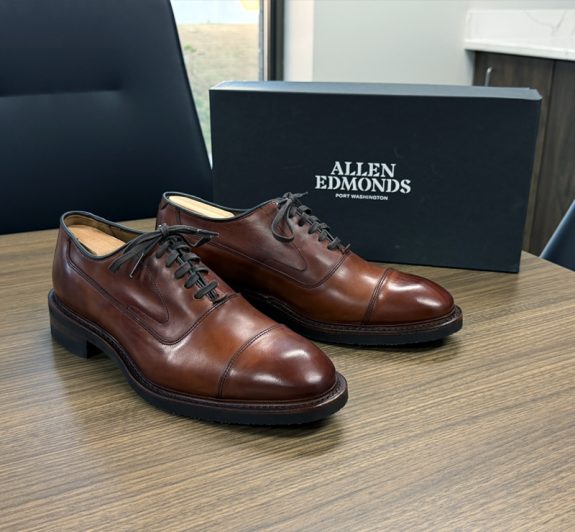
- Weight Reduction: The use of XL Extralight outsoles reduces the overall heft of the shoe by approximately 15% to 20% compared to traditional leather-soled variants.
- Structural Versatility: Unlike sneaker-bottom hybrids, the Rhett maintains a sleek, refined profile that does not clash with tailored suiting.
- Maintenance: Because the shoe is built on a standard Goodyear welt, it can be resoled by any competent cobbler, distinguishing it from mass-produced footwear that is designed to be discarded once the sole wears down.
Strategic Implications for the Brand
The success of the Rhett serves as a bellwether for Allen Edmonds’ long-term strategy. By successfully integrating modern comfort without succumbing to "fashion-forward" trends that may look dated in a few years, the company reinforces its reputation for timelessness. The decision to maintain the "2014 last" suggests that the brand is confident in its ability to refine its existing templates rather than reinventing its entire design language.
Furthermore, the price point of $475 places the Rhett in a competitive middle tier. It is positioned above mass-market, lower-quality options but remains more accessible than bespoke Italian or English shoemakers. This positioning is designed to capture the "aspirational professional" demographic—individuals who are looking to invest in their first "serious" pair of shoes but are unwilling to sacrifice the comfort standards they have grown accustomed to in modern casual footwear.
Conclusion and Future Outlook
As the professional world continues to evolve, the demand for footwear that functions in multiple contexts—from the boardroom to the airport terminal—will likely persist. The Allen Edmonds Rhett stands as a testament to the fact that heritage manufacturing is not synonymous with stagnation. By selectively incorporating modern materials where they provide the most utility, while preserving the structural integrity that has defined the brand for over a century, Allen Edmonds has created a product that meets the practical needs of the 2026 professional.
The implications for the wider footwear market are clear: success in the premium sector now requires a synthesis of tradition and performance. For the consumer, the Rhett offers a compelling case for the continued relevance of the Oxford shoe, provided it can evolve alongside the changing habits of the modern workforce. While the long-term durability of the internal foam cushioning remains a variable to be tracked over the coming years, the initial reception of the shoe highlights a significant success in design, positioning, and market responsiveness. Future iterations of the model may explore further innovations in sustainable materials or expanded colorways, but the foundation established by the Rhett is firmly rooted in the brand’s core identity.