Sustainability and Shorter Frames
The intersection of sustainable fashion and petite sizing has historically presented a significant challenge for consumers in the United Kingdom. Defined generally as individuals standing between 5 feet 3 inches and 5 feet 4 inches or under, the petite demographic has long faced limited options within the eco-friendly apparel market. While the broader sustainable fashion movement has gained substantial momentum over the past decade, addressing the specific proportions of shorter frames has often lagged behind. Standard sizing for dresses, skirts, trousers, and jeans frequently features excessive lengths and altered fits, compelling many petite shoppers to either incur additional tailoring costs or settle for poorly fitting garments.
Market dynamics, however, are beginning to shift as more UK-based brands and independent labels recognize the demand for conscious fashion tailored to shorter statures. Navigating this niche requires an understanding of how various retailers balance ethical manufacturing credentials with precise sizing. Price tiers typically range from budget-friendly options under fifty pounds to mid-range selections between fifty and one hundred pounds, and high-end investments exceeding one hundred pounds. Examining the landscape reveals a diverse selection of brands attempting to resolve the long-standing dilemma of sustainable petite dressing.

High Street Reliability and Ethical Certifications: Seasalt
For consumers seeking high-street accessibility combined with verified ethical standards, Seasalt offers a notable range of petite apparel. Operating within the budget to mid-range tier, the brand incorporates Global Organic Textile Standard (GOTS)-certified organic cotton across a substantial portion of its inventory. Notably, Seasalt achieved Soil Association GOTS certification in 2005, marking an early commitment to organic textile production.
The brand’s supply chain transparency is further underscored by its membership in the Ethical Trading Initiative (ETI) since 2018, alongside participation in SEDEX, an organization focused on improving labor standards globally. For petite shoppers struggling with standard trouser lengths, Seasalt provides proportioned options such as wide-legged jeans designed to fit without requiring post-purchase alterations. This combination of traceable material sourcing and dedicated petite sizing establishes a benchmark for high-street retailers navigating sustainable production.
Mainstream Trends and Material Alternatives: Nobody’s Child

Nobody’s Child presents an alternative model within the mid-range market, offering dedicated petite collections utilizing lower-impact materials. While the brand incorporates organic and recycled fabrics and explicitly prohibits the use of virgin leather, down, feathers, exotic skins, and PVC plastics, it occupies a complex space regarding overall sustainability metrics.
Critics note that the brand employs rapid trend-cycle marketing terminology, and public disclosures regarding specific manufacturing facilities and worker compensation remain limited. Nevertheless, Nobody’s Child attempts to mitigate its environmental footprint through complementary initiatives, including a reasonably priced repair and alteration service designed to extend garment lifespans, as well as a clothing rental option aimed at reducing the consumption of new items for seasonal or special occasions.
Specialized Proportions and Supply Chain Audits: Lucy & Yak
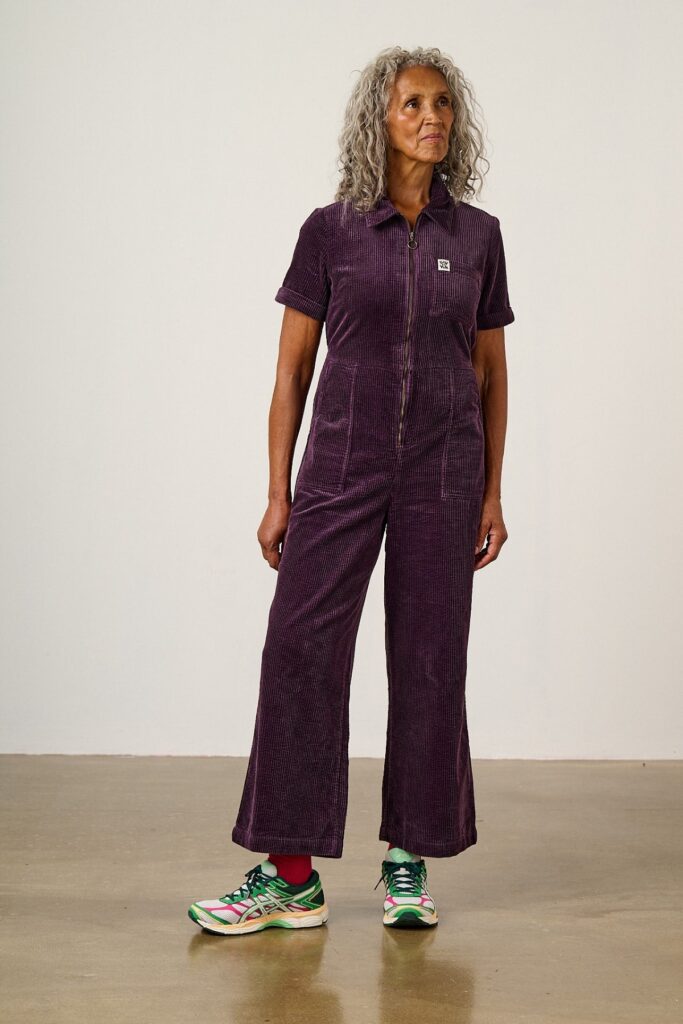
Specializing in relaxed, utilitarian silhouettes, Lucy & Yak caters directly to individuals standing 5 feet 2 inches and under with a structured petites range encompassing dungarees, jumpsuits, trousers, and jeans. The brand prioritizes alternative and lower-impact materials, utilizing organic cotton, recycled polyester, and linen within its collections.

Operationally, Lucy & Yak mandates that its garments be produced in independently audited factories, emphasizing fair treatment and respect across its supply chain network. By addressing the scaling and grading issues inherent in resizing garments for smaller frames—particularly in complex structured pieces like dungarees—the brand has carved out a distinct market share among conscious consumers seeking durability and ethical accountability.
Supply Chain Transparency Challenges: White Stuff
White Stuff represents another mainstream high-street entity incorporating petite sizing into its broader product lines. As a prominent retailer of Fairtrade Sourced Cotton in the United Kingdom, the company supports farming communities by ensuring adherence to fair wages and safe working conditions at the origin of the supply chain.
In addition to Fairtrade cotton, White Stuff utilizes organic cotton, linen, and Lenzing Ecovero viscose for its petite offerings. However, consumer navigation of these sustainable ranges presents notable friction. The digital architecture of the brand’s e-commerce platform often requires multi-step navigation through specific sustainability headers and fabric sub-categories before filtering for petite sizing, highlighting a broader industry challenge in making eco-friendly inventory easily discoverable for specific consumer segments.
Designer Innovation and Zero-Waste Principles: Hannah Sophia England
At the luxury end of the market, independent designer Hannah Sophia England offers petite occasionwear produced entirely in-house in Stamford, Lincolnshire. The brand maintains a strict zero-fabric-waste-to-landfill policy, repurposing leftover scraps into accessories or limited-edition capsule collections while planting a tree with every completed order.
The label also addresses the environmental impact of modern consumption patterns through transformable garment design. Addressing industry statistics indicating that the average UK consumer wears a single dress a limited number of times, Hannah Sophia England constructs garments capable of evolving into multiple distinct silhouettes. Features such as detachable tiered skirts and removable sleeves allow a single item to transition between maxi and mini lengths, or long-sleeved and sleeveless configurations. This design philosophy aims to maximize cost-per-wear ratios and reduce overall textile waste through structural versatility.
Budget-Conscious Alternatives: Preloved and Secondhand Platforms

For consumers operating on minimal budgets, the secondhand market remains a vital resource for sourcing ethical petite clothing. Online resale platforms have improved filtering mechanisms to accommodate specific sizing requirements.
eBay provides a robust inventory of petite-specific garments, particularly for denim and tailored trousers, though transaction costs and return policies vary by individual seller. Alternatively, charitable initiatives such as Oxfam Online offer dedicated petite filtration systems paired with standardized shipping fees and complimentary returns for items that fail to fit correctly. These platforms extend the lifecycle of existing garments, reducing the demand for virgin resource extraction regardless of a brand’s original manufacturing pedigree.
Broader Industry Implications
The gradual expansion of sustainable petite fashion reflects a growing acknowledgment within the UK retail sector that inclusivity must extend beyond standard numerical sizing to encompass height proportions. Historically, petite consumers faced an implicit sustainability penalty: buying poorly proportioned new clothing often resulted in disposal, while tailoring services added financial burdens.

As regulatory scrutiny intensifies regarding greenwashing and supply chain transparency, brands offering verified organic materials, fair labor practices, and precise architectural grading for smaller frames are better positioned to meet consumer demands. Future growth in this sector will likely depend on how effectively mainstream and independent retailers streamline digital navigation for eco-friendly petite ranges and scale innovative design solutions that prioritize longevity alongside equitable fit.