British textile machinery manufacturers target new growth in India through strategic trade partnerships and technological innovation

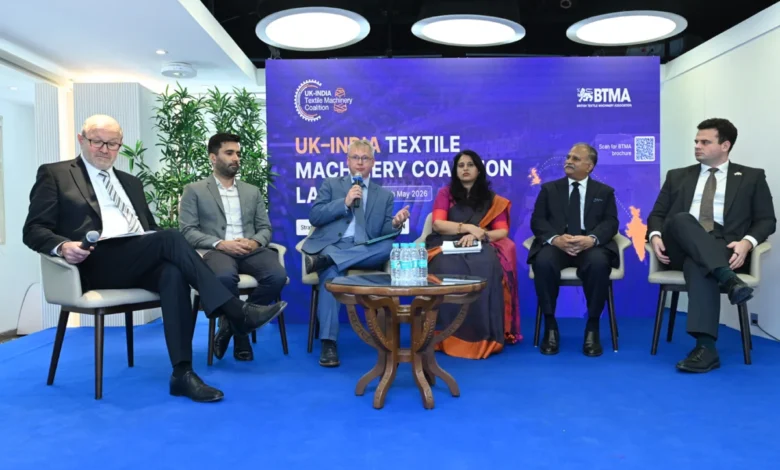
The British Textile Machinery Association (BTMA) is positioning its members at the forefront of India’s industrial modernization, leveraging the momentum of the UK-India Free Trade Agreement (FTA) to deepen bilateral commercial ties. As the global textile landscape shifts toward automation and sustainability, the BTMA has identified the upcoming India ITME 2026 exhibition as a critical junction for British engineering firms to integrate their specialized technologies into the Indian manufacturing value chain. The event, scheduled for December 4-9, 2026, at the India Exposition Mart in Greater Noida, serves as the primary stage for the newly formed UK-India Textile Machinery Coalition (UKITMC) to demonstrate its commitment to long-term collaborative growth.
The Strategic Context of the UK-India Trade Landscape
The bilateral relationship between the United Kingdom and India has entered a transformative phase following the ratification and subsequent implementation of the Free Trade Agreement in July 2026. This legislative milestone has systematically dismantled several trade barriers that previously hindered the seamless flow of high-end machinery and technical components between the two nations. For British manufacturers, the FTA provides a simplified tariff structure and improved regulatory alignment, essential components for competing in a market as complex and vast as India’s.
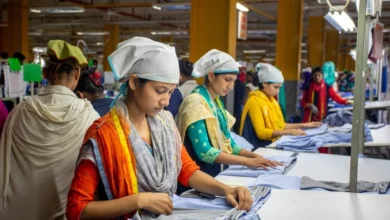
India remains a global titan in textile and apparel manufacturing, ranking among the world’s top exporters of garments and home textiles. However, the domestic industry faces mounting pressure to modernize its aging infrastructure to meet the rigorous quality standards of international retailers. By facilitating lower costs for imported high-tech machinery, the FTA acts as a catalyst for Indian manufacturers to upgrade their production lines, thereby improving the global competitiveness of "Made in India" products.
Chronology of Recent Engagements
The current surge in cooperative activity is the result of a deliberate, year-long effort to synchronize the strengths of both nations.
- May 2026: The UK-India Textile Machinery Coalition (UKITMC) was formally announced in Mumbai. The inauguration was presided over by India’s Textile Commissioner, Vrunda Manohar Desai, signaling high-level government support for the initiative.
- July 2026: The UK-India Free Trade Agreement entered into force, providing the foundational legal framework for reduced trade friction and enhanced market access for engineering goods.
- November 2026: The BTMA finalized its delegation list for the December India ITME exhibition, confirming a significant presence of UK-based engineering firms specializing in automation and quality assurance.
- December 4-9, 2026: India ITME 2026, the focal point for this commercial push, opens in Greater Noida, expecting over 150,000 professional visitors and 1,800 exhibitors from across the globe.
Industry Focus: Automation and Sustainability
The Indian textile industry is currently in the midst of a "Green and Digital" transition. Government incentives for sustainable manufacturing—such as reduced energy consumption and water recycling mandates—have created a surge in demand for machinery that can measure and minimize environmental footprints.
British firms are well-positioned to answer this demand. The BTMA reports that its member companies are focusing on three core pillars: digitalization of production, advanced quality control, and energy-efficient processing. These technologies are not merely auxiliary additions but are critical to the "Industry 4.0" roadmap that the Indian government has encouraged textile firms to adopt.

Technological Advancements at the Forefront
Several BTMA members have utilized the run-up to the December exhibition to unveil innovations specifically tailored for the Indian market’s unique requirements.
Shelton Vision is highlighting its enhanced WebSpector technology. As Indian fabric manufacturers move toward high-value, complex patterned textiles, the need for automated inspection that can handle intricate prints and coated fabrics has become paramount. The WebSpector system provides real-time defect detection, which is essential for minimizing waste and ensuring that high-value export orders meet the stringent inspection standards of European and American retail markets.
Similarly, Roaches International is addressing the critical need for laboratory precision. Following a record-breaking order for 18 integrated testing machines in Indonesia, the company is bringing its Martindale AXYZ abrasion and pilling tester to India. The shift toward automated testing allows for objective, data-driven quality assessments, removing the human error factor that has historically plagued some traditional textile operations.
VeriVide is tackling the industry-wide challenge of colour consistency. In a global supply chain where components are sourced from multiple continents, ensuring that a fabric swatch matches a digital design is a complex technical hurdle. VeriVide’s UltraView LED-based light booth and digital colour management suite provide a standardized environment for assessment, ensuring that the visual identity of a product remains consistent from the design studio to the production floor.
Official Perspectives and Market Implications
BTMA CEO Jason Kent has emphasized that the current environment represents a rare alignment of political and economic incentives. "India represents an enormous opportunity for British textile machinery manufacturers, particularly as its textile industry moves towards higher levels of automation, quality assurance, and sustainable production," Kent stated.
The formation of the UKITMC is arguably the most significant development in this narrative. Unlike standard trade missions, the coalition is designed to be a permanent bridge for technology exchange. By fostering deeper cooperation, the coalition aims to move beyond simple "buyer-seller" transactions toward joint ventures and local integration. This could eventually lead to British firms establishing specialized service centers in India, providing the necessary local support for their sophisticated machinery.
Analysts suggest that the timing of this push is ideal. With many Indian manufacturers seeking to diversify their supply chains away from over-reliance on single-country machinery imports, the "British Engineering" brand—long associated with durability and high-precision—carries a premium value.

Broader Economic Impacts
The ripple effects of this technological infusion are expected to be substantial. For the Indian textile sector, the adoption of British machinery could lead to a measurable increase in "first-time-right" production rates, significantly reducing the overhead costs associated with fabric waste. For the UK, the export of high-value machinery and technical services represents a high-margin sector that balances the trade deficit and reinforces the UK’s status as a leader in specialized industrial engineering.
Furthermore, the focus on sustainable production aligns with the global shift toward circular fashion. As brands demand more transparent and eco-friendly supply chains, Indian factories equipped with advanced, energy-efficient British machinery will be more attractive to global buyers who are increasingly under pressure to report on the carbon footprint of their garments.
Looking Toward the Future
As the India ITME 2026 exhibition commences in early December, the focus will be on the tangible outcomes of these negotiations. The event is set to provide the first real-world test of the post-FTA environment for the machinery sector. Observers will be monitoring the volume of new contracts signed and the level of interest shown by Indian SMEs (Small and Medium Enterprises), which form the backbone of the Indian textile sector.
The BTMA’s long-term strategy appears to be rooted in the belief that the Indian textile market is not just a destination for exports, but a partner in the evolution of textile technology. By embedding British expertise into the bedrock of India’s manufacturing facilities, the BTMA is positioning its members for a decade of sustained growth.
The convergence of the Free Trade Agreement, the UKITMC, and the sheer scale of the India ITME exhibition creates a unique ecosystem. As the industry gathers in Greater Noida, the discussions will likely move past the technical specifications of individual machines to address the broader question of how British and Indian engineering can jointly define the next generation of global textile manufacturing. Through collaboration, both nations are setting a course that aims to modernize production, improve sustainability, and secure a competitive edge in a rapidly changing global economy. For those within the textile value chain, the upcoming exhibition is expected to be a landmark event in the development of the Anglo-Indian industrial relationship.