Building a Timeless Fine Jewelry Capsule Wardrobe in an Era of Record-Breaking Gold Prices

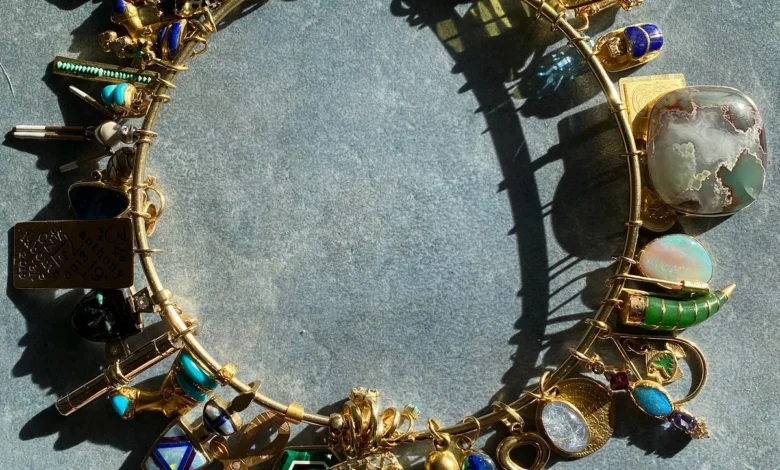
With global gold prices hovering near all-time highs, the luxury accessories market is undergoing a significant transformation in consumer behavior. Investors and fashion enthusiasts alike are increasingly pivoting away from ephemeral, gold-plated fashion jewelry toward long-term assets in the form of karat gold. This shift marks a departure from the "fast fashion" cycle that dominated the last decade, reflecting a broader economic trend where consumers prioritize tangible value and enduring utility over transient aesthetic trends.
The current financial climate has turned jewelry into a dual-purpose asset: it serves as both a personal adornment and a hedge against currency volatility. As the price of gold per ounce consistently tests record thresholds, the opportunity cost of purchasing low-quality, gold-plated items—which lack resale value and are prone to degradation—has become impossible to ignore.
The Economic Context of the Gold Market
The surge in gold prices is not an isolated event but a response to complex macroeconomic factors, including persistent inflationary pressures, central bank purchasing strategies, and geopolitical instability. Historically, gold has served as a "safe haven" asset during times of uncertainty. When fiat currencies experience depreciation, gold retains its purchasing power.
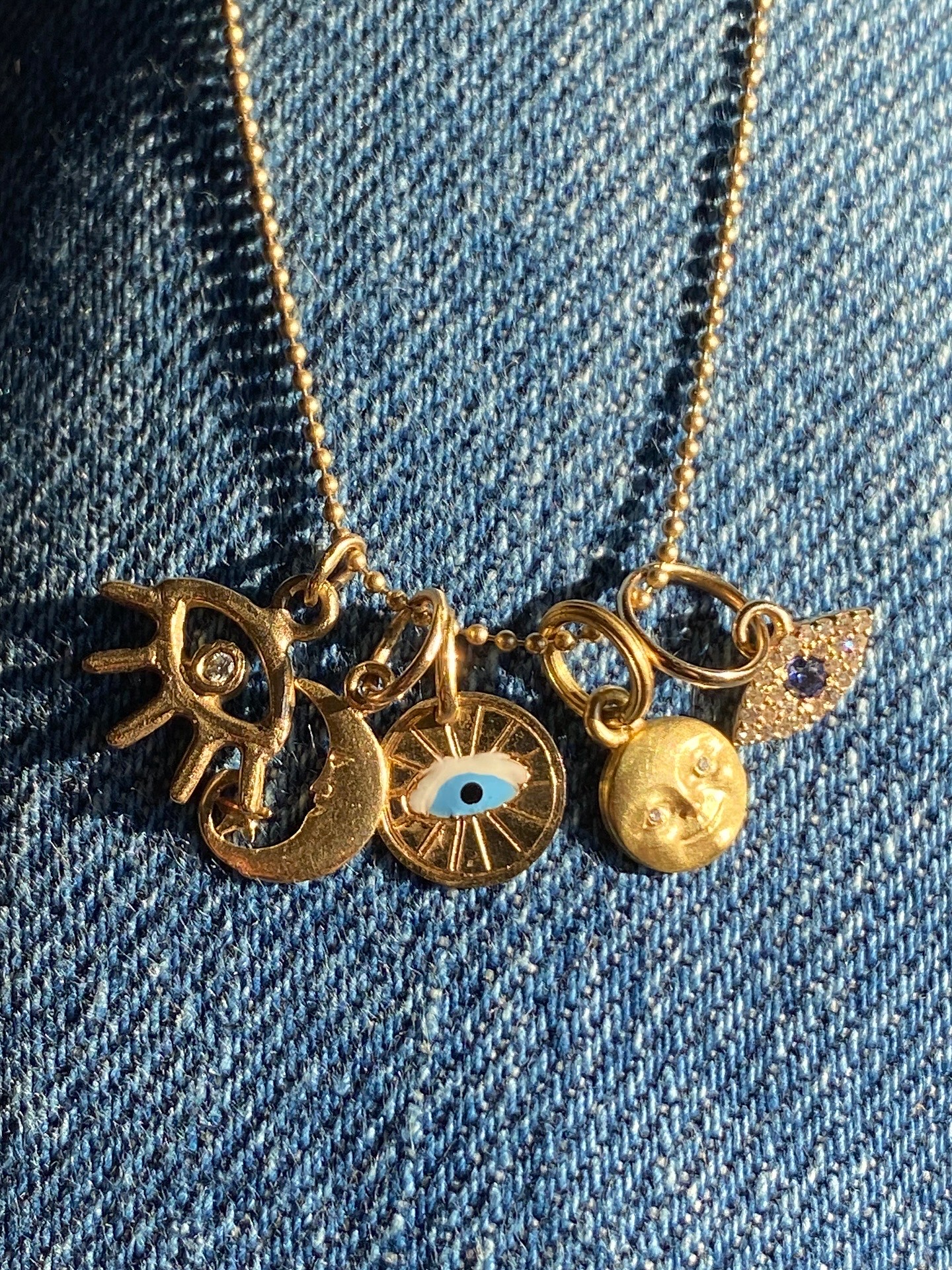
For the modern consumer, this means that jewelry is no longer merely a decorative expense; it is a capital expenditure. Karat gold—typically measured in 14k, 18k, or 24k—maintains a intrinsic value linked to the London Bullion Market Association (LBMA) spot price. In contrast, base metal jewelry coated in a microscopic layer of gold (gold plating) holds negligible value once the plating wears off, rendering it essentially disposable. This distinction is the cornerstone of the "capsule wardrobe" philosophy in fine jewelry: acquiring fewer, higher-quality pieces that resist market fluctuations and physical wear.
Chronology of the Shift Toward "Quiet Luxury"
The transition toward a capsule-based approach to jewelry did not occur overnight. It is the result of a multi-year evolution in consumer priorities.
- 2019–2020: The onset of the global pandemic prompted a reassessment of personal spending. Consumers moved away from trend-heavy, inexpensive costume jewelry in favor of "forever pieces" that provided a sense of stability during periods of isolation.
- 2021–2022: As global supply chains faced disruptions, the scarcity of precious metals drove prices upward. This economic pressure forced a segment of the market to abandon low-quality mass-produced goods in favor of heirloom-quality items.
- 2023–2024: The emergence of the "Quiet Luxury" and "Old Money" aesthetics in mainstream fashion solidified the preference for minimalism. These styles emphasize high-quality materials, such as solid gold and natural gemstones, over logo-heavy or overly ornate designs.
Strategic Framework for Building a Jewelry Capsule
Developing a curated collection of fine jewelry requires a disciplined, analytical approach. Rather than reacting to impulsive trends, collectors are encouraged to follow a structured methodology that ensures every acquisition provides maximum utility.
1. Categorization and Audit
The process begins with an inventory of existing assets. Collectors categorize items into specific functional groups: necklaces, earrings, bracelets, rings, and specialized accessories. This audit serves to identify "style gaps" and eliminate redundancies. If a category, such as bracelets, does not align with a person’s daily lifestyle or comfort preferences, it is omitted from the investment plan.

2. The Prioritization Matrix
Once the categories are established, items are ranked based on their frequency of wear and versatility. A "staple" piece is defined as one that can be integrated into at least 70% of an individual’s wardrobe. For example, a classic gold hoop or a versatile box chain serves as a foundational element, while a statement gemstone ring functions as an accent piece.
3. Quality Assurance Standards
Industry experts advise that the baseline for a capsule collection should be solid gold, ideally 14k or 18k, as these alloys provide the necessary hardness for daily wear while maintaining a significant gold content. Natural gemstones are preferred over synthetic alternatives, as their rarity contributes to the long-term value of the piece. Verification through reputable hallmarks and third-party appraisals is a standard procedure for protecting the investment.
Representative Profiles of Essential Pieces
A balanced capsule wardrobe typically includes specific archetypes of jewelry designed to be worn in various combinations.
Neckline Versatility:
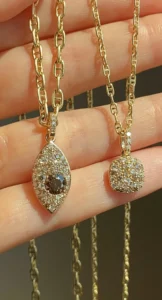
A well-rounded collection includes a spectrum of chain lengths and textures. A long, solid-link chain—such as a 20-inch mini mariner—offers a foundational layer, while shorter, thinner chains like a figaro or cable link provide a subtle, elegant look. The addition of a "fancy" chain, perhaps featuring enamel or decorative links, adds textural contrast.

Earring Functionality:
Earrings are categorized by their role in the overall aesthetic. A pair of high-quality gold hoops is considered a non-negotiable staple. Secondary piercings are often utilized for smaller, understated studs, while a statement geometric pair serves as the focal point for formal occasions.
Wrist and Finger Adornment:
The wrist is often a site for layering. A plain, well-fitted bangle provides a clean aesthetic, while an all-gold line bracelet and a diamond-accented version offer options for different levels of formality. Regarding rings, the focus is on stackability. An antique signet ring serves as a personalized anchor, while slim gold bands and diamond-set rings allow for creative rotation.
Broader Implications and Market Impact
The shift toward fine jewelry capsules has significant implications for the retail sector. Jewelry houses that traditionally relied on high-volume, low-margin fashion jewelry are finding it increasingly difficult to compete with brands that emphasize craftsmanship, transparency, and the investment-grade nature of their products.
Market analysts observe that consumers are increasingly conducting due diligence before purchase. The rise of digital marketplaces has allowed buyers to compare the weight and karat composition of pieces, forcing brands to be more transparent about their manufacturing processes. Furthermore, the resale market for fine jewelry has matured. Platforms that facilitate the authentication and trade of pre-owned gold and diamond jewelry are thriving, further proving that fine jewelry acts as a liquid asset.

Conclusion: The Long-Term Perspective
The decision to transition to a fine jewelry capsule wardrobe is as much a financial strategy as it is a stylistic choice. By focusing on durable, karat-gold essentials, the consumer mitigates the risk of depreciation while building a collection that reflects personal identity. As gold remains a primary pillar of the global financial system, jewelry made from this precious metal will continue to occupy a unique space at the intersection of fashion, luxury, and wealth preservation.
For the modern collector, the goal is not to attain a massive inventory of items, but to possess a curated, meaningful, and high-quality basis that remains relevant regardless of the shifting tides of seasonal fashion. In a world where volatility is the only constant, a capsule of solid gold represents a rare combination of aesthetic beauty and economic security.