Chow Sang Sang Reports Resilient Second Quarter Growth Amid Strategic Retail Network Optimization

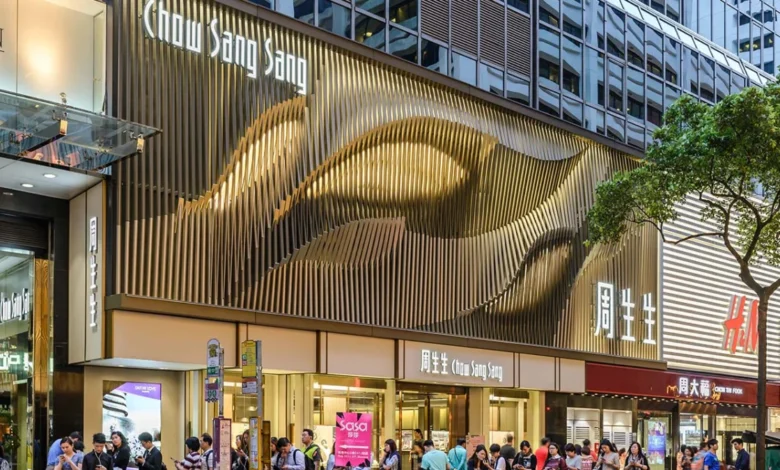
Hong Kong-based luxury jeweler Chow Sang Sang Holdings International Ltd. has announced a robust performance for the second fiscal quarter of 2024, characterized by double-digit growth in retail sales value across its primary operating regions. The group, a cornerstone of the Asian jewelry market, recorded a 16% increase in total retail sales value for the three months ending June 30, 2024. This performance underscores the company’s ability to navigate a complex macroeconomic landscape marked by shifting consumer behaviors in Mainland China and a significant resurgence in the travel and tourism sectors within Hong Kong and Macau.
The quarterly results, detailed in a recent filing with the Hong Kong Stock Exchange, highlight a notable disparity between regional markets, though the overall trajectory remains positive. Same-store sales—a critical metric reflecting the performance of outlets that have been operational for at least one year—saw a significant uptick of 30% in the Hong Kong and Macau segment. Meanwhile, the Mainland China market, despite facing broader economic headwinds, managed a respectable 17% improvement in same-store sales during the same period.
Regional Performance and Consumer Sentiment
The second quarter of 2024 served as a period of stabilization and strategic adjustment for Chow Sang Sang. In Hong Kong and Macau, the jeweler benefited immensely from a combination of steady local demand and a sharp increase in foot traffic within major tourist districts. Following the full reopening of borders and the removal of travel restrictions earlier in the year, the influx of mainland tourists has provided a vital lifeline to the high-end retail sector. Macau, in particular, has seen a resurgence in its gaming and luxury shopping sectors, which directly translated into higher transaction volumes for Chow Sang Sang’s flagship locations.
In contrast, the Mainland Chinese market presented a more nuanced challenge. While a 17% growth in same-store sales is indicative of brand strength, the company noted that consumer sentiment in the region remains "cautious." This caution is attributed to ongoing macroeconomic uncertainties, including fluctuations in the real estate market and a general trend toward more conservative spending among middle-class consumers. Despite these pressures, the demand for gold—historically viewed as a safe-haven asset in China—helped sustain the company’s revenue streams.
Strategic Retail Network Refinement
One of the most significant developments in the first half of 2024 was the aggressive refinement of Chow Sang Sang’s physical footprint. Between January and June, the group executed a net closure of 49 jewelry stores. As of June 30, 2024, the company’s global store count stood at 776. This move marks a departure from the rapid expansion strategies seen in previous decades, signaling a shift toward "quality over quantity."
The group’s management emphasized that these closures are part of a disciplined approach to retail network optimization. By prioritizing store productivity and focusing on prime locations, the company aims to enhance the overall brand experience rather than merely increasing its physical presence. The strategy involves selectively opening or upgrading stores in key mainland shopping destinations that offer higher foot traffic and better demographic alignment, while simultaneously shuttering underperforming units in secondary or oversaturated markets. This lean operational model is intended to protect margins in an environment where operational costs, including rent and labor, remain high.
Gold Demand and Portfolio Diversification
Throughout the second quarter, the global gold market experienced significant price volatility, driven by geopolitical tensions and shifting expectations regarding central bank interest rate policies. For a jeweler like Chow Sang Sang, where gold products constitute a substantial portion of the inventory, such fluctuations can impact both consumer demand and profit margins.
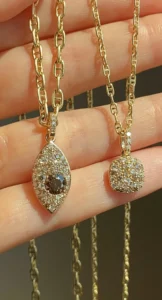
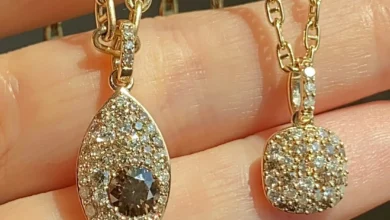
However, the company reported that demand for gold remained steady throughout the quarter. This resilience is largely attributed to the group’s diversified product portfolio. Beyond traditional investment-grade gold bars and simple ornaments, Chow Sang Sang has invested heavily in its "signature collections." These branded series often carry higher design premiums and appeal to a younger demographic looking for "daily wear" luxury rather than just pure asset accumulation. By blending the intrinsic value of gold with contemporary craftsmanship, the company has managed to maintain consumer interest even when spot prices for the yellow metal reached record highs.
Chronology of Performance: H1 2024
The first half of the year can be broken down into two distinct phases for the jeweler:
- First Quarter (January – March): The period began with the traditional Lunar New Year peak. Sales were bolstered by the festive season, which historically drives high demand for gold zodiac ornaments and bridal jewelry. During this time, the company began its review of the retail network, identifying locations that did not meet the new productivity benchmarks.
- Second Quarter (April – June): This period saw the realization of the 16% retail sales value growth. While the "Golden Week" holiday in May provided a boost, the quarter was more defined by the steady return of mainland tourists to Hong Kong and Macau. It was also during this window that the majority of the 49 net store closures were finalized, streamlining the balance sheet for the remainder of the fiscal year.
Comparative Industry Context
Chow Sang Sang’s performance mirrors broader trends observed among its primary competitors, such as Chow Tai Fook and Luk Fook Holdings. The entire Hong Kong jewelry sector is currently navigating a "post-recovery" phase. Initially, the industry saw a massive surge following the lifting of COVID-19 restrictions; now, that growth is normalizing.
The 30% same-store sales growth in Hong Kong and Macau is particularly impressive when compared to the broader retail index in the region, which has faced pressure from a strengthening Hong Kong dollar and the tendency of locals to travel abroad for shopping. Chow Sang Sang’s ability to capture the tourist segment has been a primary differentiator. Analysts suggest that the company’s focus on "prime locations" has allowed it to capture a larger share of the "revenge spending" still prevalent among certain segments of the traveling public.
Official Stance and Future Implications
While official statements from the board remain focused on the data, the underlying message is one of "cautious optimism." The company has indicated that it will continue to monitor the macroeconomic situation in Mainland China closely. The decision to close nearly 50 stores in six months suggests that the management is prepared to make difficult tactical decisions to preserve long-term fiscal health.
In their communications to shareholders, the group noted that the "overall brand experience" is now a top priority. This includes not only the physical aesthetics of the stores but also the integration of digital platforms. As consumers in China increasingly use social media and e-commerce for luxury discovery, Chow Sang Sang’s ability to bridge the gap between online browsing and in-store purchasing will be crucial.
Analysis: The Shift Toward Brand Equity
The enrichment of Chow Sang Sang’s signature collections is a strategic move to de-risk the business from the volatility of gold prices. When a customer buys a piece of jewelry for its design and brand prestige, the "crack spread" or the margin over the raw material cost increases. This transition from a commodity-based retailer to a design-led luxury house is a path previously trodden by global giants like Cartier or Tiffany & Co.
Furthermore, the reduction in store count reflects a broader trend in global retail known as "omnichannel rightsizing." In the digital age, a brand does not need a store on every corner to maintain visibility. Instead, a few "experience centers" in high-profile locations like Tsim Sha Tsui in Hong Kong or the premium districts of Shanghai can serve as brand anchors, while e-commerce handles the logistical reach.
Looking Ahead to the Second Half of 2024
As Chow Sang Sang enters the third and fourth quarters, several factors will determine if it can maintain this momentum. The performance of the Chinese economy will remain the most significant external variable. If the central government’s stimulus measures successfully boost consumer confidence, the "cautious sentiment" noted in Q2 may give way to more robust spending in Q4, which includes the National Day "Golden Week" and the lead-up to the 2025 Lunar New Year.
Additionally, the company’s disciplined approach to its retail network will likely result in improved operational efficiency and higher profit margins per square foot. By the end of the year, the market will be looking to see if the "net 49 closures" have resulted in the desired boost to the bottom line.
In conclusion, Chow Sang Sang’s second-quarter results paint a picture of a resilient heritage brand that is successfully evolving. By leveraging the tourism boom in Hong Kong and Macau while simultaneously tightening its belt in Mainland China, the group has positioned itself to weather potential economic storms while remaining a dominant force in the Asian luxury market. The focus now shifts to how these strategic refinements will play out in the high-stakes holiday seasons of the year’s second half.