CIBJO Recommends ‘Synthetic’ as the Sole Descriptor for Non-Mined Diamonds Despite Industry Pushback

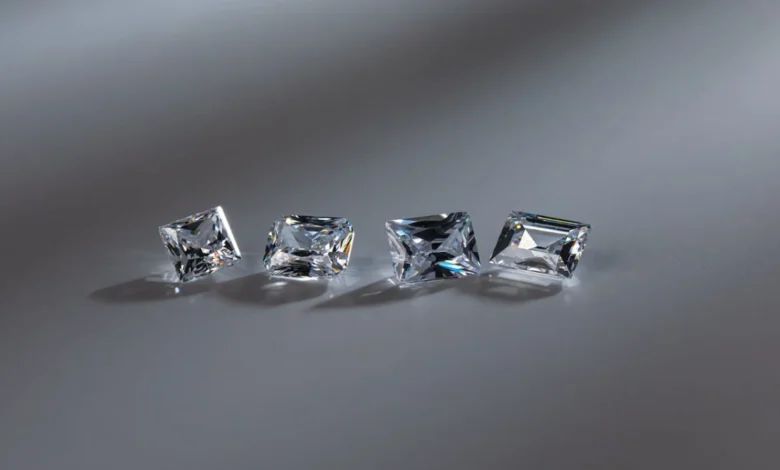
The global gemstone and jewelry industry has reached a pivotal regulatory crossroads following a definitive policy announcement by the World Jewellery Confederation, widely known as CIBJO. Concluding its annual congress, the organization officially resolved to establish "synthetic" as the single, universally recommended descriptor for all non-mined, man-made diamonds. This decision comes despite vocal appeals and formal letters from senior trade members urging the governing body to incorporate and preserve the widely popular alternative term, "laboratory-grown."
The contentious nomenclature debate dominated the closing sessions of the 2026 CIBJO Congress, underscoring deep ideological and regional divisions within the international diamond pipeline. As consumer demand for manufactured stones surges globally—particularly within the vital bridal and engagement ring segments—the vocabulary used to market these products has become a battleground for market positioning, consumer transparency, and the economic preservation of the natural diamond sector.
Chronology of the Nomenclature Debate
The formal adoption of "synthetic" as the exclusive term is the culmination of a multi-year regulatory trajectory undertaken by CIBJO’s leadership and its specialized committees. The timeline of this transition highlights a deliberate, albeit contested, effort to streamline global diamond standards:
- Early 2024: The French government enacted official regulatory language mandating that all stones produced in laboratories rather than mined from the earth must be designated strictly as "synthetic," phasing out localized marketing colloquialisms.
- May 2025: The African Diamond Producers Association (ADPA) formally approved stringent restrictions governing both the descriptors and carat weights of lab-created stones, positioning these measures as a necessary defense to protect the economic integrity of natural diamond-producing nations.
- Mid-2025: CIBJO first signaled its intent to overhaul its authoritative industry guide, the Blue Book, by proposing the complete repeal of the term "lab-grown."
- June 2025: The Russian government instituted comprehensive new regulatory frameworks for lab-grown jewelry, aligning with European legal standards by enforcing the exclusive use of "synthetic" nomenclature.
- July 2025: CIBJO leadership formally announced its expectation to eliminate all alternative terminology during the upcoming annual congress, setting the stage for the final vote.
- Sunday of the 2026 Congress: The London Diamond Bourse (LDB) publicly announced its operational alignment with the "synthetic diamond" terminology, signaling institutional backing from a major trading hub.
- Monday of the 2026 Congress: Wesley Hunt, chair of CIBJO’s Laboratory-Grown Diamond Committee, addressed delegates regarding a late-submitted letter requesting a deferral of the nomenclature decision. Following guidance from Sector A and the CIBJO General Assembly, the board enacted the final ruling, making "synthetic" the sole official descriptor.
Market Realities and Regional Fragmentation
The debate over terminology is not merely semantic; it reflects a rapidly fracturing global marketplace where different jurisdictions and consumer groups utilize entirely distinct lexicons. During his presentation at the congress, Wesley Hunt detailed the widening geographic divide. In nations such as France and Russia, legal frameworks strictly enforce the term "synthetic." Conversely, the United States and India—two of the world’s largest consumer and manufacturing markets—have historically embraced terms like "lab-grown" or "laboratory-grown" in commercial marketing.
This linguistic fragmentation presents substantial compliance challenges for multinational jewelry brands, wholesalers, and retailers operating across borders. Proponents of the term "laboratory-grown" within the trade argue that "synthetic" carries outdated or misleading connotations for modern consumers, who may incorrectly associate the word with imitation materials, such as cubic zirconia or moissanite, rather than a genuine diamond possessing identical chemical, physical, and optical properties to its mined counterpart.
However, advocates for the CIBJO ruling maintain that "synthetic" is the scientifically accurate descriptor mandated by international standards organizations, such as the International Organization for Standardization (ISO) and the World Federation of Diamond Bourses (WFDB). Furthermore, consumer research cited during the congress indicated that "synthetic" remains the primary underlying term recognized in foundational regulatory definitions worldwide, even if commercial entities prefer more palatable marketing phrases.
Economic Pressures and Shifting Consumer Trends
Underpinning the urgency of the CIBJO decision is a profound transformation in consumer purchasing behavior and pricing structures across the global diamond market. In a key disclosure during the congress, Wesley Hunt revealed that more than half of all engagement rings sold by volume in the United States now feature lab-grown diamonds.
This milestone illustrates the rapid mainstream adoption of manufactured stones, driven largely by significant price differentials between natural and lab-created diamonds. As technological efficiencies in high-pressure, high-temperature (HPHT) and chemical vapor deposition (CVD) production methods have improved, the cost of manufacturing lab-grown diamonds has plummeted. Hunt noted directly to delegates that these sharply falling prices for lab-grown stones have exerted intense economic "pressure" on the pricing of natural diamonds, squeezing profit margins across the mined-diamond supply chain from rough producers to independent retail jewelers.
For traditional diamond-producing countries—particularly emerging economies in Africa reliant on diamond mining revenues—the rapid market penetration of affordable lab-grown alternatives poses an existential economic threat. Industry bodies like the African Diamond Producers Association have continuously lobbied for clear, unambiguous regulatory language to ensure consumers can effortlessly distinguish between the two categories, preventing market confusion and safeguarding the heritage value associated with natural, earth-mined gems.
Official Responses and Governance Process
The path to CIBJO’s final ruling involved rigorous internal governance procedures designed to balance the competing interests of miners, manufacturers, traders, and retailers. Prior to the final vote on the closing Monday of the congress, the Laboratory-Grown Diamond Steering Committee had formally petitioned for the retention of "laboratory-grown" as an acceptable commercial alternative to accommodate market realities in regions like North America.
Despite this pushback, the CIBJO board proceeded with the recommendation, adhering to the structural feedback provided by Sector A and the General Assembly. The decision reinforces CIBJO’s historical role as the arbiter of uniform global standards, even when those standards encounter resistance from commercial sectors seeking marketing flexibility.
National bourses and trade organizations are now tasked with updating their internal guidelines to reflect the CIBJO Blue Book modifications. While institutions like the London Diamond Bourse have moved swiftly to adopt the "synthetic" standard, industry watchers anticipate that retail compliance in markets heavily accustomed to "lab-grown" terminology will require a transitional educational campaign directed at both trade professionals and the buying public.
Broader Impact and Industry Implications
The long-term implications of CIBJO’s decision to standardize the term "synthetic" extend across legal, commercial, and consumer dimensions.
Legally, the ruling aligns international trade standards more closely with the stringent consumer protection laws already enacted by sovereign governments in Europe and parts of Asia. Retailers operating in jurisdictions without mandatory labeling laws may now face increased pressure from trade watchdogs to adopt the official CIBJO nomenclature to avoid accusations of deceptive marketing.
Commercially, the polarization between natural and lab-grown diamond sectors is likely to deepen. By refusing to validate terms perceived as softening the distinction—such as "lab-grown"—traditional industry stakeholders hope to reinforce the luxury status and relative scarcity of natural diamonds. Conversely, producers and retailers specializing in manufactured diamonds may accelerate branding efforts to decouple their products from the industrial connotations historically evoked by the word "synthetic," emphasizing instead the technological sophistication, ethical sourcing, and environmental narratives associated with laboratory creation.
Ultimately, as the global jewelry market digests the 20th CIBJO Congress resolutions, the onus will rest on retailers, grading laboratories, and marketing agencies to navigate these standardized definitions clearly, ensuring that consumer trust remains paramount in an era of unprecedented product evolution.