European Council Ratifies Landmark Turnberry Trade Agreement with United States Amidst Broader Transatlantic Trade Realignment

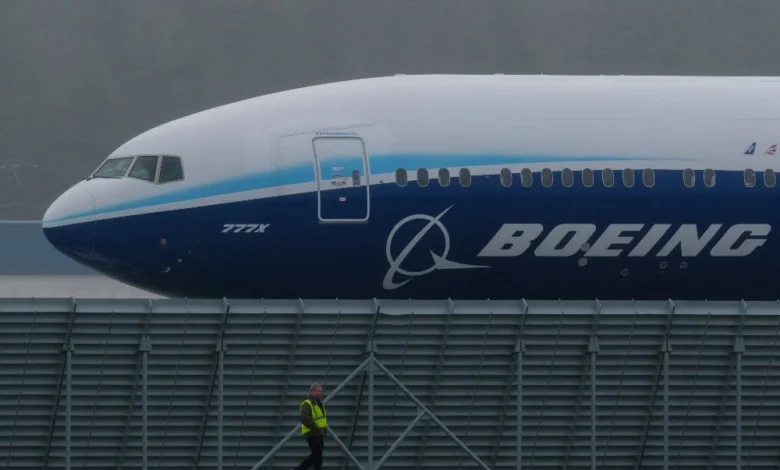
The European Council has formally ratified its pivotal trade agreement with the United States, marking the culmination of nearly a year of intricate negotiations and legislative processes since its initial sealing with a handshake between then-President Donald Trump and European Commission President Ursula von der Leyen. This decisive action, completed just days ahead of a symbolic July 4 deadline, signifies a crucial step in de-escalating transatlantic trade tensions and fostering a more stable economic relationship between two of the world’s largest trading blocs. Simultaneously, the EU member states also voted to maintain the suspension of retaliatory duties against the U.S. in the long-standing Airbus-Boeing dispute, signaling a broader commitment to trade harmony.
Genesis and the "Rocky Journey" of the Turnberry Agreement
Dubbed the “Turnberry Agreement” after the Scottish locale where the initial truce was brokered in August 2023, this accord has navigated a “rocky journey” through various European regulatory and legislative bodies. The agreement emerged against a backdrop of heightened trade friction during the Trump administration, characterized by the imposition of steel and aluminum tariffs, threats of automotive duties, and a general shift towards protectionist policies. Both sides recognized the imperative to find common ground and avoid a full-blown trade war that could severely impact their interconnected economies. The handshake between the leaders symbolized a political commitment to find pragmatic solutions, even if a comprehensive free trade agreement (FTA) remained out of reach at the time.
Bernd Lange, chair of the European Parliament’s committee on international trade, acknowledged the challenges faced during the agreement’s progression, underscoring the complexities inherent in securing consensus among 27 diverse member states and their varied economic interests. The legislative path involved rigorous scrutiny by the European Parliament, which ultimately voted on the deal earlier this month. Debates within the Parliament reportedly touched upon concerns regarding environmental standards, the potential impact on specific agricultural sectors within the EU, and the overall balance of concessions. Despite these deliberations, the political will to solidify the transatlantic bond ultimately prevailed, paving the way for the European Council’s final adoption.
Key Provisions and Their Economic Implications
On Thursday, the EU Council formally adopted two regulations that officially enact the tariff commitments established last August. These regulations are designed to provide tangible benefits for businesses and consumers on both sides of the Atlantic, while also incorporating safeguards to protect European markets.
One of the central tenets of the agreement is the removal of remaining European tariffs on a range of American industrial goods. While the specific list of goods has not been exhaustively detailed in every public announcement, it generally includes products such as machinery, chemicals, textiles, and various manufactured items. For U.S. industrial exporters, this translates into reduced costs and enhanced competitiveness in the vast European single market, potentially leading to increased sales volumes and market share. This move is expected to stimulate cross-border investment and innovation by streamlining supply chains and reducing bureaucratic hurdles.
Furthermore, the agreement introduces preferential access for certain U.S. agricultural products and seafood through reduced duties and tariff rate quotas (TRQs). TRQs allow a specified quantity of a product to be imported at a lower tariff rate, with higher tariffs applied to imports exceeding that quota. This mechanism offers targeted benefits to U.S. producers, making their goods more affordable and attractive to European consumers. A particularly notable inclusion is the extension of the suspension on duties on lobster imports, a significant win for the American seafood industry, especially those in New England, which had been heavily impacted by previous retaliatory tariffs. This specific concession highlights the targeted nature of the agreement, addressing particular pain points for U.S. exporters.
However, the agreement maintains a degree of asymmetry in tariff reduction. The U.S. will continue to apply a 15 percent general tariff on the majority of European imports into the American market. This distinction underscores that the Turnberry Agreement is not a reciprocal, across-the-board free trade deal but rather a strategic de-escalation and facilitation measure. While beneficial, it leaves room for future, more comprehensive negotiations if both parties decide to pursue them.
Crucially, the regulations reinforce safeguards designed to protect EU markets from potential negative impacts. The European Commission voted to enact a mechanism enabling swift action against U.S. import surges that might threaten or undermine domestic producers. This could involve temporary re-imposition of tariffs or other quantitative restrictions. Additionally, a provision allows the EU to suspend the tariff preferences granted to the U.S. if Washington fails to respect its commitments under the agreement. These safeguard clauses were vital for securing internal EU approval, addressing concerns from various sectors about potential market disruption and ensuring a level playing field for European industries. They reflect a growing global trend towards incorporating protective measures within trade agreements to address unforeseen market dynamics.
Implementation and Future Assessment
Following their official signing, the regulations will be published in the Official Journal of the European Union and will enter into force the day after publication. Olof Gill, spokesperson for trade at the European Commission, indicated that the texts are likely to take effect next week, allowing for the completion of remaining administrative procedures. The timely ratification, just shy of the July 4 deadline, also carried symbolic weight, aligning with U.S. Independence Day and underscoring a renewed spirit of transatlantic cooperation.
The terms of the Turnberry Agreement are not indefinite; they are set to automatically expire at the end of 2029. Prior to this expiration, specifically by June 30 of that year, the European Commission is mandated to present a comprehensive assessment of the deal’s impact. This evaluation will scrutinize EU-U.S. trade flows, tariff revenue implications, and broader economic effects on both sides. Based on this assessment, a legislative proposal may be brought forward at that time to extend the agreement or potentially form the basis for a more extensive trade pact. This built-in review mechanism provides flexibility and allows for adjustments based on real-world outcomes and evolving trade landscapes.
The Enduring Strength of the EU-U.S. Trade Relationship
The significance of the Turnberry Agreement extends beyond its specific tariff reductions. It reinforces the foundation of the world’s largest and most robust bilateral trade relationship. The EU-U.S. trade partnership collectively accounts for nearly 30 percent of global goods and services trade and a remarkable 43 percent of global GDP. This economic interdependence highlights the profound impact of their cooperation or discord on the global economy. Over the past decade, trade between the U.S. and the 27-member trade bloc has doubled, surpassing an astonishing $1.9 trillion last year. This consistent growth underscores the fundamental strength of their economic ties, driven by shared values, integrated supply chains, and a mutual commitment to market economies.
For American companies, the EU market represents an enormous consumer base and a critical destination for exports and investments. Conversely, European businesses rely heavily on access to the dynamic U.S. market. The agreement, even if limited in scope, signals a commitment to maintaining and enhancing this vital relationship amidst geopolitical uncertainties and shifting global trade dynamics.
Parallel Diplomacy: The Airbus-Boeing Dispute Truce Extended
In a related and equally significant development on Thursday, EU member states also voted to maintain a suspension of retaliatory duties against the U.S. in the protracted Airbus-Boeing dispute. This move prevents the re-escalation of a trade conflict that has spanned nearly two decades and involved billions of dollars in tariffs.
The Airbus-Boeing dispute represents one of the longest-running and most complex trade disputes in the history of the World Trade Organization (WTO). It originated from accusations by both the U.S. and the EU that their respective governments provided illegal subsidies to their domestic aircraft manufacturers, Boeing and Airbus, giving them an unfair competitive advantage. The WTO ultimately ruled that both the EU and the U.S. were in violation of global trade rules, leading to a tit-for-tat tariff battle.
At its apex, this conflict resulted in tariffs worth a staggering $11.5 billion in bilateral trade. In 2020, the EU imposed its own retaliatory duties, valued at $4 billion, targeting U.S.-made aircrafts, as well as iconic American products like tobacco and spirits. This period marked a low point in transatlantic trade relations, with businesses on both sides facing increased costs and uncertainty.
A crucial turning point came in 2021 when the administration of President Joe Biden brokered a truce, effectively pausing duties on both sides and bringing an end to 17 years of tariff-lobbing. This initial agreement was set to expire on July 11, raising concerns about a potential re-ignition of the contentious trade battle. However, with the Turnberry Agreement finally finding its footing, the EU’s decision to extend the suspension reflects a strong desire to avoid reopening old wounds and instead prioritize stability and cooperation. The move signals a strategic choice to focus on positive trade agendas rather than engaging in disruptive disputes.
While the extension of the Airbus-Boeing tariff suspension is a positive indicator, the precise terms and duration of this extension have not yet been fully agreed upon. Negotiations are still underway, leaving some uncertainty about how long this period of calm will last. However, the political commitment to de-escalation is clear, suggesting that both sides are keen to find a more permanent resolution to this long-standing issue, perhaps through a framework for fair competition in the aerospace sector.
Broader Implications and Future Outlook
The ratification of the Turnberry Agreement and the extension of the Airbus-Boeing truce collectively send a powerful message about the renewed commitment of the EU and the U.S. to constructive engagement and cooperation. This goes beyond mere economics, extending into geopolitical strategy. In an increasingly complex global landscape marked by rising protectionism, geopolitical rivalries, and supply chain vulnerabilities, a strong and stable transatlantic economic partnership is paramount. It allows both entities to present a united front on issues such as digital trade, climate change, and fair competition with other global powers.
For businesses, the agreement offers a degree of predictability and reduced operating costs in specific sectors, fostering a more favorable environment for investment and trade. For consumers, it could potentially lead to a wider variety of goods at more competitive prices.
However, challenges remain. Issues not covered by the Turnberry Agreement, such as ongoing disputes over steel and aluminum tariffs, digital services taxes, and the EU’s Carbon Border Adjustment Mechanism (CBAM), continue to be potential sources of friction. The agreement is a limited, targeted measure, not a comprehensive solution to all transatlantic trade irritants.
Trade analysts widely view the Turnberry Agreement as a modest yet significant achievement. It represents a "down payment" on improved relations and a pragmatic approach to addressing immediate trade barriers, rather than an ambitious, all-encompassing free trade agreement. Its success will be measured not only by its direct economic impact but also by its ability to foster trust and create a more conducive environment for tackling larger, more complex trade issues in the future. The 2029 review will be a critical juncture, determining whether this initial step can evolve into a deeper, more integrated economic partnership, or if the transatlantic relationship will revert to a more fragmented approach. For now, both the EU and the U.S. have chosen a path of cooperation, signaling a commitment to stability in a turbulent world.