Evans Eyes Strategic Return to the UK High Street with Standalone Physical Stores Under AK Retail Ownership

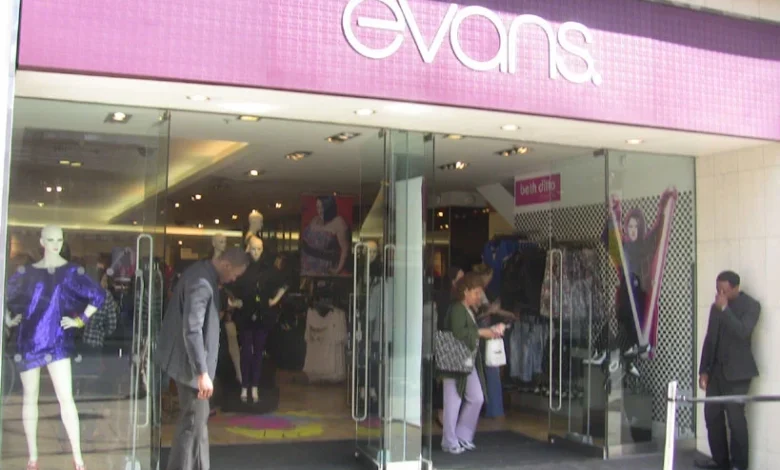
Evans, the long-standing British womenswear retailer specializing in plus-size fashion, is reportedly exploring a significant return to the United Kingdom’s high streets through the opening of standalone physical stores. This potential move marks a dramatic pivot for the brand, which has operated primarily as an online entity and a secondary label within larger retail environments since the collapse of its former parent company, Arcadia Group, in late 2020. The brand, which caters to a demographic often underserved by mainstream fast-fashion outlets, is currently assessing the viability of re-establishing its own brick-and-mortar footprint to reconnect with its core customer base in a tangible retail setting.
The revelation of this strategic consideration came via a spokesperson for the brand in a statement to the Oxford Mail. While Evans is currently integrated into the store network of its sister brand, Yours Clothing, the company confirmed that expansion is a priority. "We are generally looking at expansion; however, Evans forms part of our brands within our Yours stores currently," the spokesperson stated. Crucially, they added, "We may indeed in the future review standalone Evans stores." This admission signals a shift in the philosophy of its current owner, AK Retail Holdings, suggesting that the "digital-first" approach that dominated the post-pandemic retail landscape may be evolving back toward a balanced omnichannel model.
The Historical Context: From High Street Staple to Digital Pivot
To understand the weight of a potential Evans comeback, one must look at the brand’s history and its role within the now-defunct Arcadia empire. For decades, Evans was a cornerstone of the British high street, providing fashion-forward options for women in sizes 14 to 32. Under the ownership of Sir Philip Green’s Arcadia Group—which also held Topshop, Dorothy Perkins, and Burton—Evans enjoyed a massive physical presence with hundreds of stores and concessions across the UK and Ireland.
However, the late 2010s were unkind to the Arcadia portfolio. A combination of rising business rates, the rapid ascent of online-only competitors like ASOS and Boohoo, and a perceived lack of investment in digital infrastructure led to a steady decline. The COVID-19 pandemic proved to be the final blow. In December 2020, Arcadia Group entered administration, leading to the permanent closure of all physical Evans locations. At that time, the brand’s store estate and concessions were shuttered, leaving a significant void in the specialist plus-size market on the high street.
Following the administration, the brand underwent a series of ownership changes. Initially, the Evans brand and intellectual property were acquired by the Australian firm City Chic Collective in a £23 million deal in December 2020. City Chic operated Evans primarily as an e-commerce business, leveraging the brand’s established reputation to maintain a foothold in the UK market without the overhead costs of physical storefronts. However, by 2023, shifting global economic conditions led City Chic to divest its European assets.
The AK Retail Era and the £8 Million Acquisition
In August 2023, AK Retail Holdings, led by entrepreneur Andrew Killingsworth, acquired Evans for approximately £8 million. This acquisition was seen as a strategic consolidation of the plus-size market. AK Retail already owned Yours Clothing—a dominant player in the value plus-size sector—as well as the tall-fashion brand Long Tall Sally and the historic retailer M&Co.
Under AK Retail’s stewardship, Evans was integrated into the group’s existing infrastructure. Rather than immediately reopening standalone shops, the company opted for a "shop-in-shop" model. Currently, Evans collections are available through the Yours Clothing store network, allowing the brand to maintain a physical presence while minimizing the financial risk associated with independent leases and staffing. This hybrid approach has allowed AK Retail to gauge consumer demand and brand loyalty before committing to the capital-intensive process of launching standalone units.
A Timeline of Evans’ Recent Transitions
The journey of Evans over the last four years serves as a microcosm of the broader shifts within the UK retail industry:
- December 2020: Arcadia Group collapses into administration. Evans closes all physical stores and concessions.
- December 2020: City Chic Collective acquires the Evans brand, website, and wholesale business for £23.1 million, transitioning it to an online-only model in the UK.
- 2021–2022: Evans operates as a digital-first brand under City Chic, focusing on international logistics and e-commerce growth.
- August 2023: AK Retail Holdings acquires Evans from City Chic Collective for £8 million, a significant reduction from the previous sale price, reflecting a market correction.
- Late 2023: Evans products begin appearing in Yours Clothing physical stores as part of a multi-brand strategy.
- 2024: AK Retail management confirms that standalone stores are under review as part of a broader expansion strategy.
Analyzing the Market: The Value of the Plus-Size Sector
The potential return of Evans to the high street is backed by compelling market data. The UK plus-size womenswear market has outpaced the growth of the "standard" sizing market for several years. According to industry reports, more than 25% of female clothing sales in the UK are now in the plus-size category (typically defined as size 16 and above). Despite this, many consumers express frustration at the lack of physical shopping options, as many mainstream retailers have moved their extended sizing exclusively to their websites.
For plus-size consumers, the "fit and feel" of clothing are paramount. Sizing consistency remains a significant challenge in the industry, and the ability to try on garments in a physical dressing room significantly reduces the "return rate"—a major cost burden for online retailers. By reintroducing standalone stores, Evans could capitalize on this desire for a physical touchpoint, offering a curated experience that a "shop-in-shop" or a website cannot fully replicate.
Furthermore, the "inclusive sizing" movement has moved from the fringes to the mainstream. Brands that offer dedicated spaces for plus-size fashion are seen as more supportive of body positivity, fostering greater brand loyalty. If Evans can secure prime high street locations with a modern store design, it could reclaim its status as the "go-to" destination for plus-size shoppers who feel ignored by the shrinking physical footprints of other retailers.
The Strategic Shift Back to Brick-and-Mortar
The news regarding Evans reflects a wider trend often referred to as the "retail seesaw." After the mass exodus to online shopping during the pandemic, many retailers are finding that a purely digital existence is less profitable than expected due to high digital marketing costs and the logistical nightmare of returns.
Retailers like Next, Marks & Spencer, and even H&M have reinvested in their physical stores, transforming them into "experience hubs" and "click-and-collect" points. For AK Retail, standalone Evans stores would serve several purposes:
- Brand Identity: A standalone store allows for complete control over brand aesthetic and customer service, which can be diluted when shared with other brands.
- Inventory Management: Physical stores act as local warehouses, facilitating faster delivery and easier returns for local customers.
- Customer Insights: Direct interaction with customers provides invaluable data on fit preferences and style trends that digital analytics often miss.
Reactions and Economic Implications
While official statements from rival retailers have not been released, industry analysts suggest that a physical return for Evans would be a bold vote of confidence in the UK high street. Retail experts point out that the vacancy rates in many UK town centers have created a "tenant’s market," where savvy operators can negotiate favorable lease terms and "turnover-based" rents.
Local economies would also benefit from such a move. The opening of standalone stores creates jobs in retail management, sales, and visual merchandising. For towns that lost their Arcadia-owned stores in 2020, the return of a familiar name like Evans represents a step toward the revitalization of the traditional shopping district.
However, the path is not without obstacles. The UK retail sector continues to grapple with high inflation, rising energy costs for commercial properties, and a cautious consumer base. AK Retail will need to ensure that Evans’ price points remain competitive while maintaining the quality and fit that the brand was historically known for.
Future Outlook: What to Expect Next
The confirmation that Evans is "reviewing" standalone stores suggests that the company is currently in the site-selection or financial-modeling phase. Industry insiders speculate that the brand might first test the waters with "concept stores" in high-footfall areas like London, Manchester, or Birmingham before rolling out a wider regional strategy.
The success of this endeavor will likely depend on how well the brand can bridge the gap between its heritage and the modern consumer’s expectations. If Evans can combine its historic expertise in plus-size tailoring with a modern, tech-enabled physical shopping experience, it may not just return to the high street—it may lead a new era of inclusive retail.
For now, the brand remains a key pillar of AK Retail’s growing empire. Whether through the current Yours Clothing integration or future standalone boutiques, the resurgence of Evans signifies that in the world of fashion, even the most established names can find a second life by returning to their roots on the British high street.
Related posts: