The Pulse of Global Fashion: A Comprehensive Report on the September 2026 Creative Landscape

The global fashion industry has entered a period of intense creative output this September, defined by a convergence of archival reverence, technological experimentation, and localized cultural storytelling. From the high-stakes runways of New York Fashion Week to the intimate art galleries of Berlin and Barcelona, the current season reflects a deliberate effort by heritage houses and independent labels alike to redefine their identities for a shifting consumer demographic.
The New York Fashion Week Renaissance
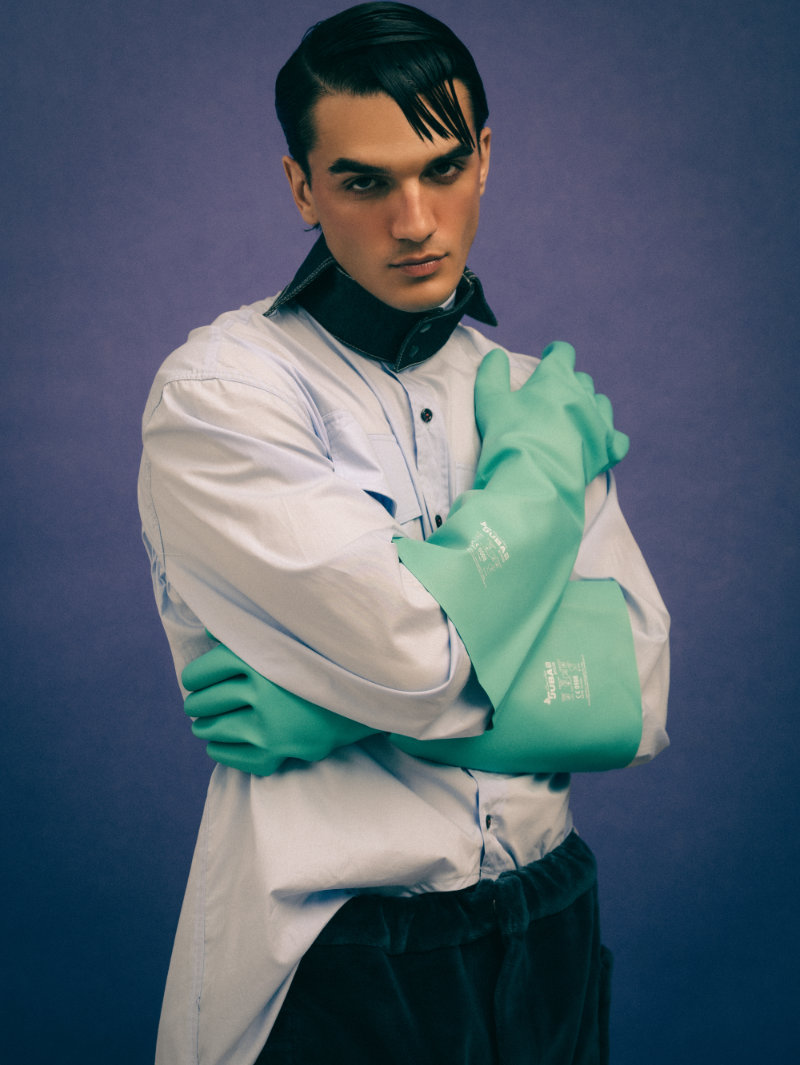
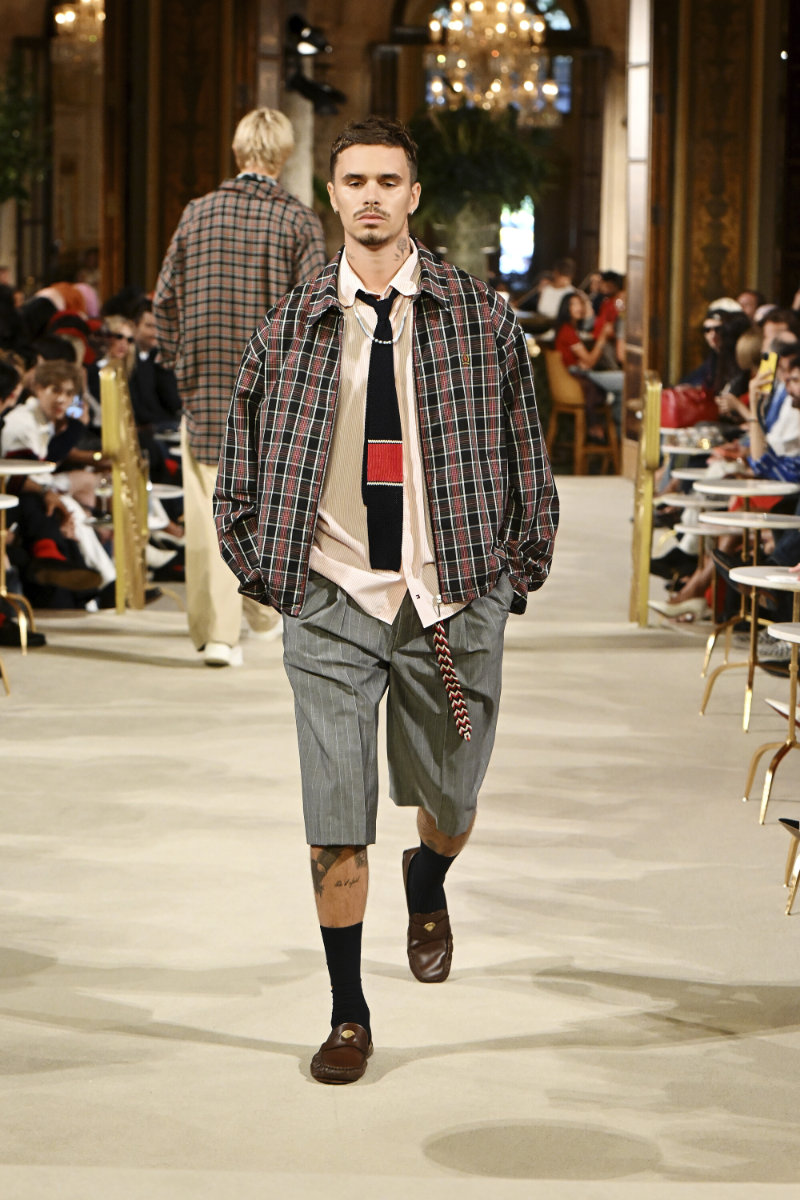
New York Fashion Week (NYFW) served as the primary epicenter for this month’s industry activity, with major houses leveraging nostalgia and environmental storytelling to captivate global audiences. Tommy Hilfiger’s presentation of the Spring 2027 collection at The Plaza Hotel stood out as a landmark event. By returning to the site of his former family residence, Hilfiger framed the "Plaza Prep" collection as an intimate, biographical study of American heritage. This move underscores a broader trend in luxury fashion: the transition from purely aesthetic marketing to narrative-driven brand experiences that emphasize the designer’s personal history.
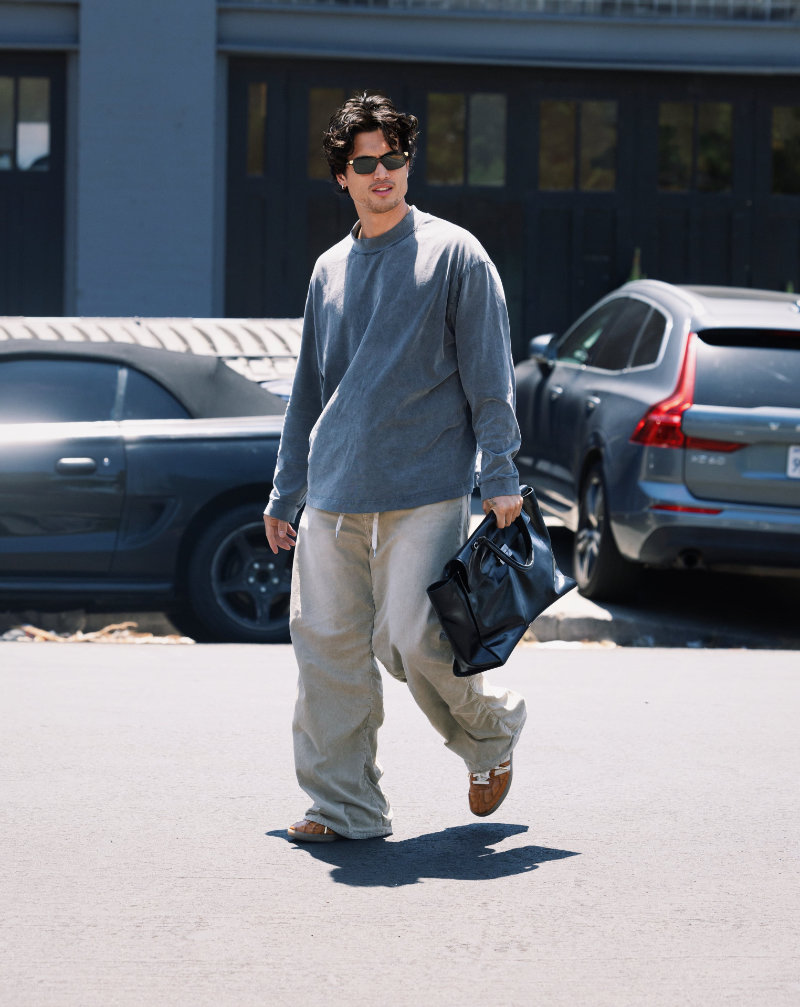
Simultaneously, the 25th-anniversary celebration of Libertine at NYFW signaled the endurance of maximalist design in an increasingly minimalist market. The longevity of a brand like Libertine, which has maintained a consistent visual language for two and a half decades, provides a stark contrast to the rapid-fire trend cycles currently dominating social media platforms.
Architectural Collaborations and Material Innovation
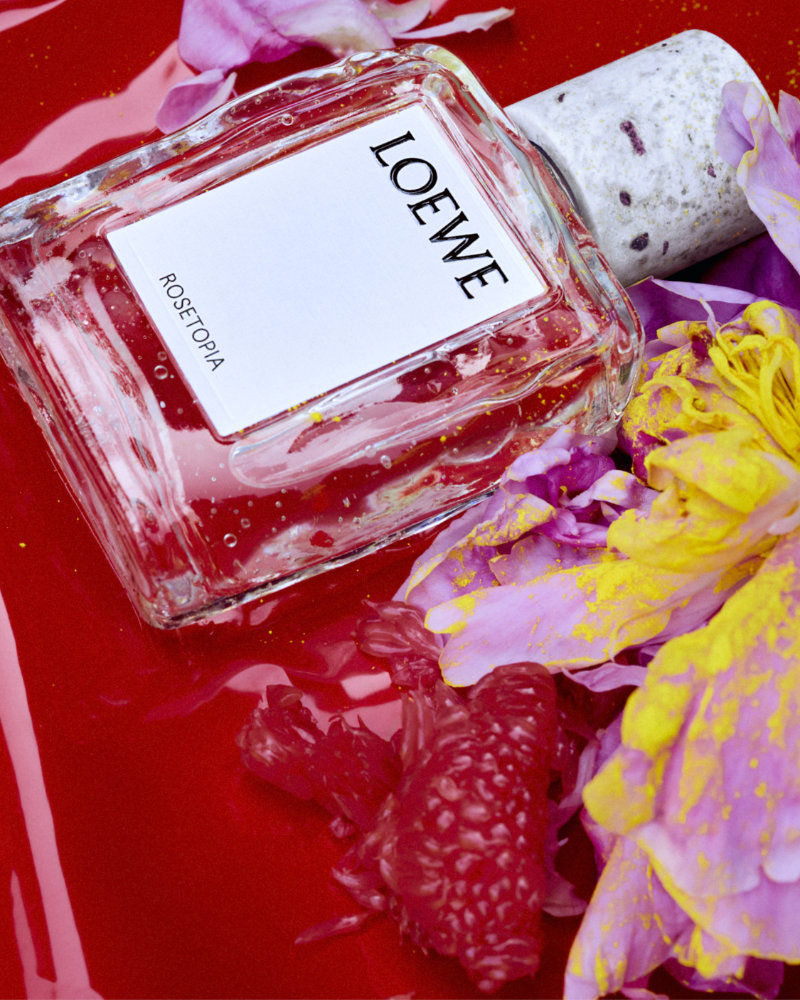
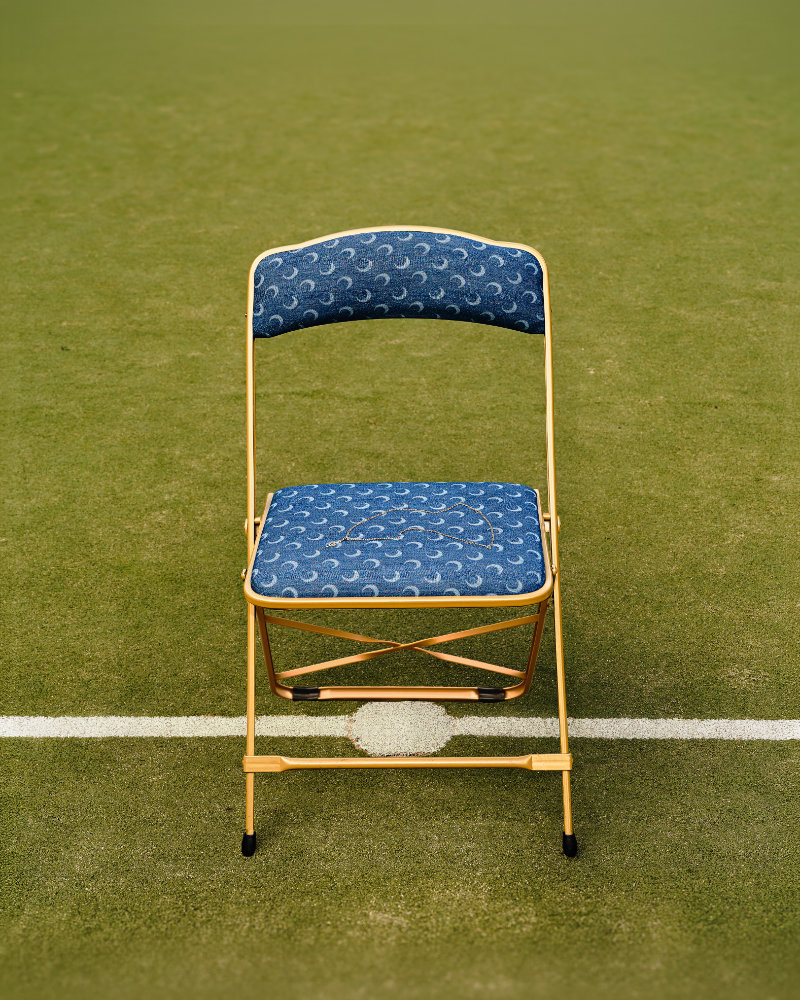
The intersection of fashion and industrial design has become a focal point for brand expansion. Marine Serre and Chaisor have embarked on a collaboration to reinterpret icons of French furniture, marking a strategic pivot toward lifestyle integration. This approach mirrors the broader industry trend of luxury labels diversifying their portfolios to include homeware and interior design, thereby securing a permanent presence in the consumer’s domestic sphere.
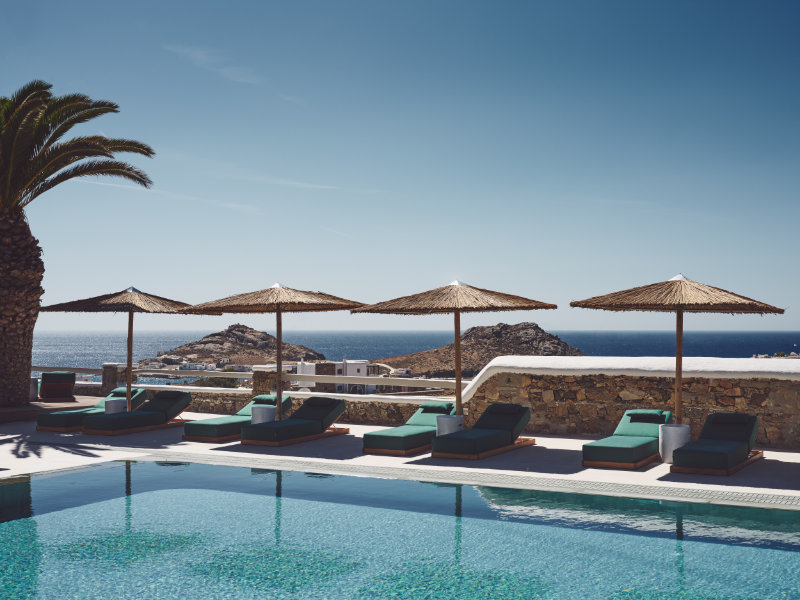
In the realm of accessories, Balenciaga’s evolution of the "Hourglass" silhouette into the "Hourglass Avenue" demonstrates the brand’s focus on iterative design. By refining existing architectural successes rather than pursuing entirely new shapes, Balenciaga aligns with a market desire for sustainable, long-term product value. This is further evidenced by the aggressive expansion of the LOEWE Perfumes "Crafted" collection. Perfumer Nuria Cruelles has expanded the line with five new fragrances, utilizing scent as a medium to reinforce the brand’s commitment to artisanal craftsmanship—a strategy that has proven highly effective in driving revenue through smaller, entry-level luxury goods.
The Rise of Regional Cultural Hubs
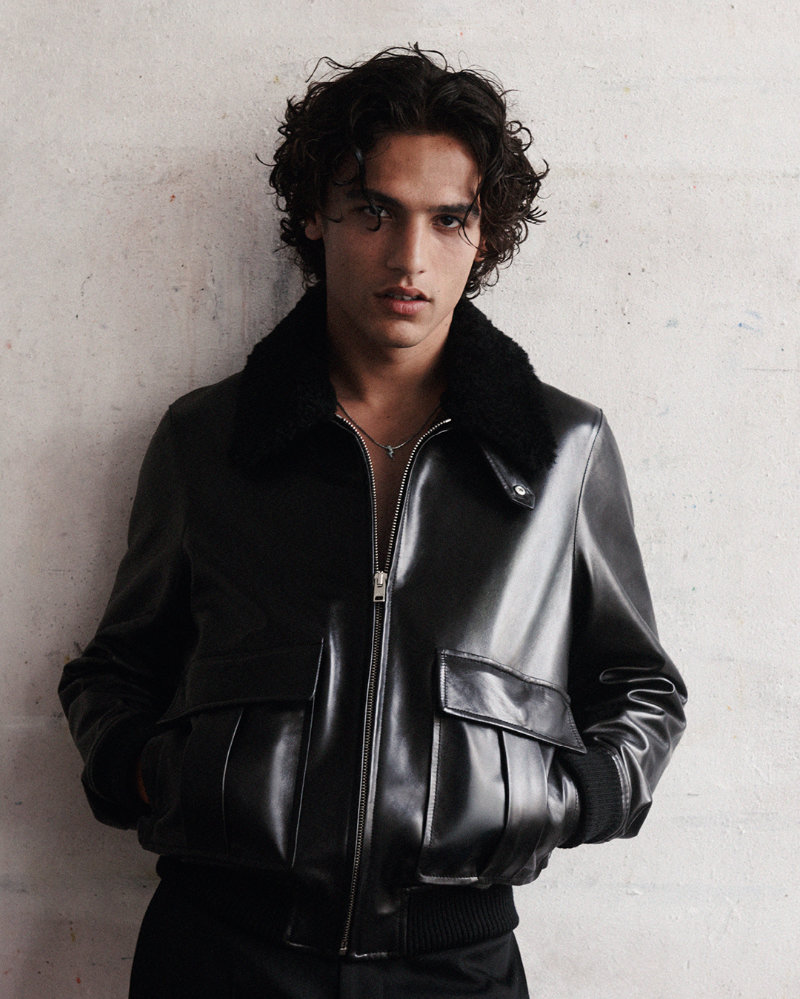
While New York, Paris, and Milan continue to dictate global trends, regional hubs are exerting greater influence. The 38th edition of 080 Barcelona Fashion, scheduled for late October, has announced a lineup of twenty-five designers, reinforcing the city’s role as a platform for emerging talent. The inclusion of exhibitions like Ed Templeton’s "Tomorrow Never Comes" at Espai Metrònom illustrates the symbiotic relationship between fine art and street culture. Templeton’s unfiltered visual language, which explores American suburbia and skate culture, is currently being integrated into commercial campaigns, such as his work with Bershka and Aries. This cross-pollination between countercultural art and mass-market retail is essential for brands seeking to maintain authenticity with younger cohorts.
Technological Shifts and Creative Rebranding
Corporate structural changes are also signaling a new era of agility. Pelonio Press’s transition to "AM" is more than a rebrand; it represents a comprehensive shift in corporate organization under the leadership of Águeda Amiano and María Fitz-James Stuart. Such shifts are indicative of a wider trend in the public relations and agency sector, where firms are moving away from traditional models to accommodate a hybrid, digital-first communication landscape.

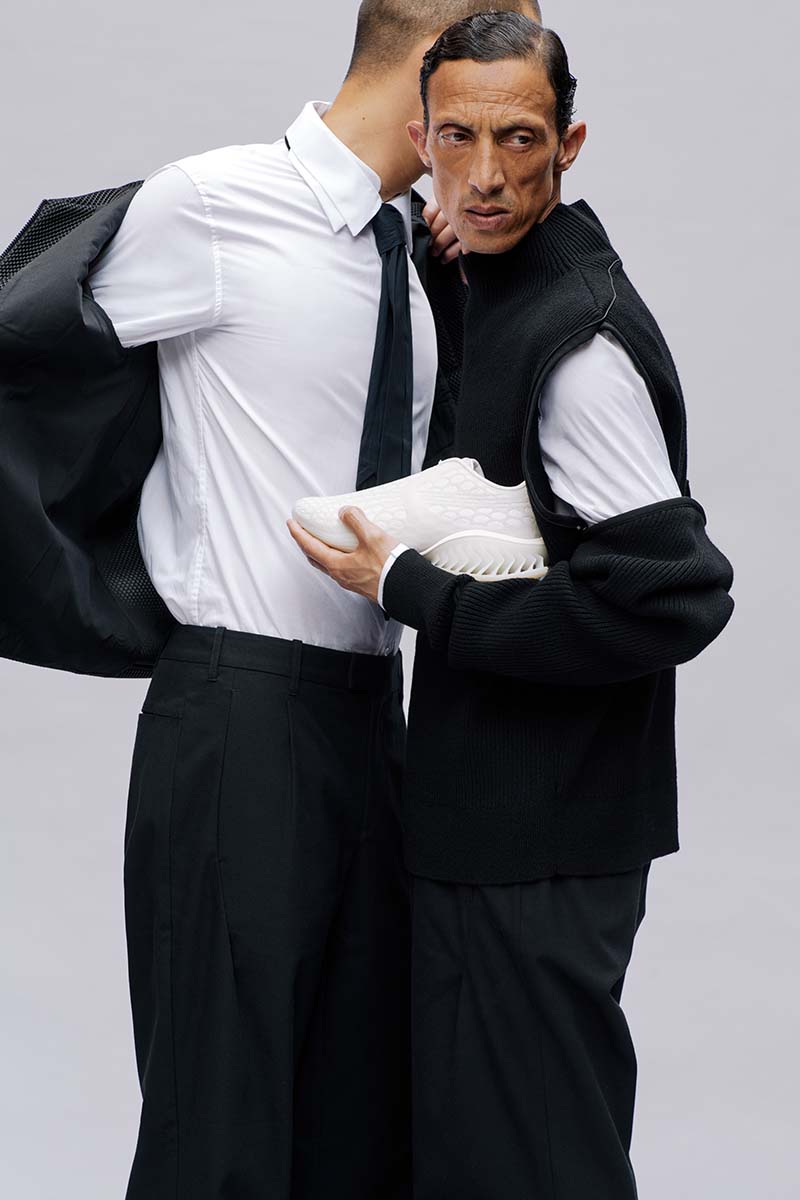
Technological collaboration is similarly defining the footwear market. The reunion of PUMA and J.L-A.L on the "CELL Geo" sneaker project, alongside the Celine and Reebok collaboration on the 1982 "Freestyle Lo," underscores the industry’s obsession with heritage tech. By revisiting silhouettes from the 1980s and 1990s, these brands are not merely engaging in nostalgia; they are applying contemporary material science to classic forms to meet modern ergonomic standards.
Socio-Political Engagement in Design
Fashion is increasingly functioning as a platform for social discourse. The Amsterdam-based designer Ruben Jurrién has utilized his latest collection to engage in a dialogue regarding body positivity and tolerance. His public criticism of the industry’s ongoing failure to accommodate larger bodies highlights a critical point of friction between traditional runway standards and current societal values. Such discourse is no longer peripheral; it is now a central component of the brand-consumer relationship, as evidenced by the success of designers who explicitly articulate their values.
Furthermore, exhibitions like "The Overview Effect" at The Foundry in Berlin represent a significant shift in how fashion houses and creative collectives view their global responsibility. By inviting artists and designers to reflect on the climate crisis and human interconnectedness, these platforms elevate the conversation from "what to wear" to "how we inhabit the planet."
Market Analysis and Implications
The aggregate data from the past month suggests that the fashion industry is currently in a state of consolidation. Brands are doubling down on what they do best—refining signature bags, classic sneakers, and established fragrance lines—while simultaneously outsourcing creative freshness through limited-run collaborations.
The financial implications of this strategy are twofold:
- Risk Mitigation: By focusing on "reimagined" classics (e.g., Balenciaga’s Hourglass, Reebok’s Freestyle), brands lower the cost of product development and increase the likelihood of consumer adoption.
- Community Building: Strategic partnerships, such as those between Bershka/Aries or The Hoxton/Lacoste, allow brands to tap into established subcultural communities without needing to cultivate those audiences from scratch.
As we look toward the remainder of the Fall/Winter 2026 season, the industry is clearly signaling a move away from the hyper-speed of the early 2020s. There is a perceptible "cooling off" period where craftsmanship, local history, and meaningful collaboration take precedence over transient trends. Whether this shift will hold against the pressure of the upcoming digital shopping cycles remains to be seen, but the current creative output is decidedly more grounded and narrative-focused than in previous years.
Conclusion: Looking Ahead
The diverse array of projects documented this September—from the conceptual photography of Bruce of Los Angeles exhibited by Acne Paper to the retro-fever dreams of the latest KARL LAGERFELD campaign—confirms that the industry is in a period of high-level synthesis. Designers are no longer satisfied with creating products in a vacuum; they are creating worlds, whether through the lens of a camera, the structure of a building, or the scent of a fragrance. As these narratives continue to evolve, the distinction between high fashion and everyday lifestyle will continue to blur, necessitating a more integrated, thoughtful approach from both creators and consumers. The coming months will be a test of whether this focus on substance can sustain the high commercial growth targets that the global fashion market continues to demand.