German Retail Federation Warns of Mass Waste and Millions in Losses Due to New EU Green Claims Rules

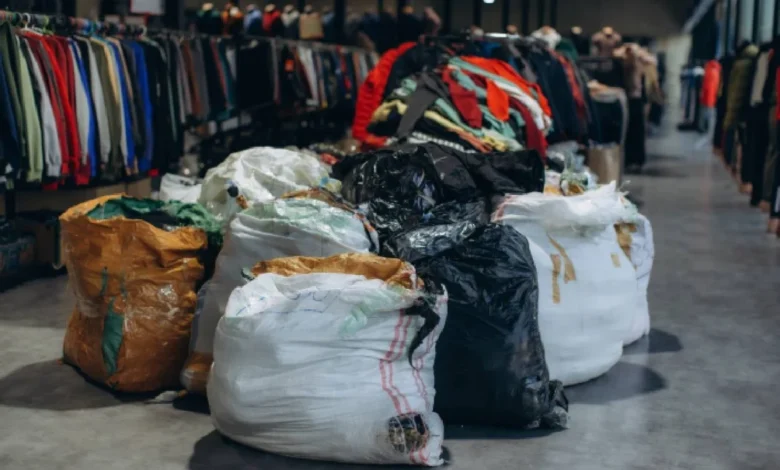
The German Retail Federation (HDE) has sounded a grave alarm, predicting that upcoming European Union regulations targeting misleading environmental claims could trigger a catastrophic scenario of mass destruction of goods and packaging, resulting in financial losses estimated to be in the millions of euros. The stringent new rules, stemming from the EU Empowering Consumers Directive (EmpCo), are slated to take effect on September 27, 2026, and carry significant implications for the retail sector across the continent.
The EmpCo Directive and the Threat of Unnecessary Waste
The core of the HDE’s concern lies in the EmpCo Directive’s prohibition on the sale of products and packaging that feature non-compliant environmental claims. This provision, which will be integrated into German law via the Act against Unfair Competition (UWG), could necessitate the immediate withdrawal of countless items already manufactured and stocked in companies’ warehouses. Stefan Genth, the chief executive of the HDE, articulated the severity of the situation, stating that the directive would impact "countless products and packaging items across all product ranges that have already been manufactured and are currently in companies’ warehouses," leading to "substantial economic damage for the retail sector."
The directive’s overarching aim is to bolster consumer protection by aggressively combating "greenwashing" – the practice of making unsubstantiated or deceptive claims about the environmental benefits of products or services. By empowering consumers with accurate information and holding businesses accountable for their environmental marketing, the EU seeks to foster a more sustainable marketplace. However, the HDE argues that the directive’s implementation, particularly concerning existing stock, has not adequately considered the practicalities and potential fallout for businesses.
A Race Against Time: The September 2026 Deadline
The impending deadline of September 27, 2026, creates a critical timeline for retailers. Businesses that have invested in inventory based on previous marketing standards now face the prospect of being unable to sell these goods if they do not meet the new, stricter criteria for environmental claims. This creates a complex and potentially costly compliance challenge.
The directive’s genesis can be traced back to a growing public and regulatory demand for greater transparency and authenticity in environmental marketing. As consumer awareness of climate change and sustainability issues has surged, so too has scrutiny of corporate environmental pledges. The European Commission, responding to these trends and a perceived need to harmonize consumer protection laws across member states, has pushed forward with the EmpCo Directive to create a more robust framework.
Discrepancies in Enforcement and Legal Uncertainty
While the EU’s Consumer Protection Cooperation (CPC) Network has published guidelines advocating for a proportional approach to enforcement, with a specific emphasis on minimizing unnecessary waste, the HDE contends that these recommendations do not offer sufficient legal certainty for German retailers. A key point of contention is the nature of enforcement within Germany. Unlike some member states where regulatory bodies might oversee enforcement, in Germany, this responsibility often falls to private entities such as trade and consumer associations.
Genth highlighted this crucial difference, explaining that these private enforcement bodies are not legally bound by the CPC Network’s recommendations for proportional enforcement. This creates a precarious situation for retailers. They run the risk of facing legal challenges, including cease-and-desist orders, if they continue to market or sell products deemed non-compliant after the directive’s effective date, even if the goods were manufactured and marketed in good faith prior to the new regulations.
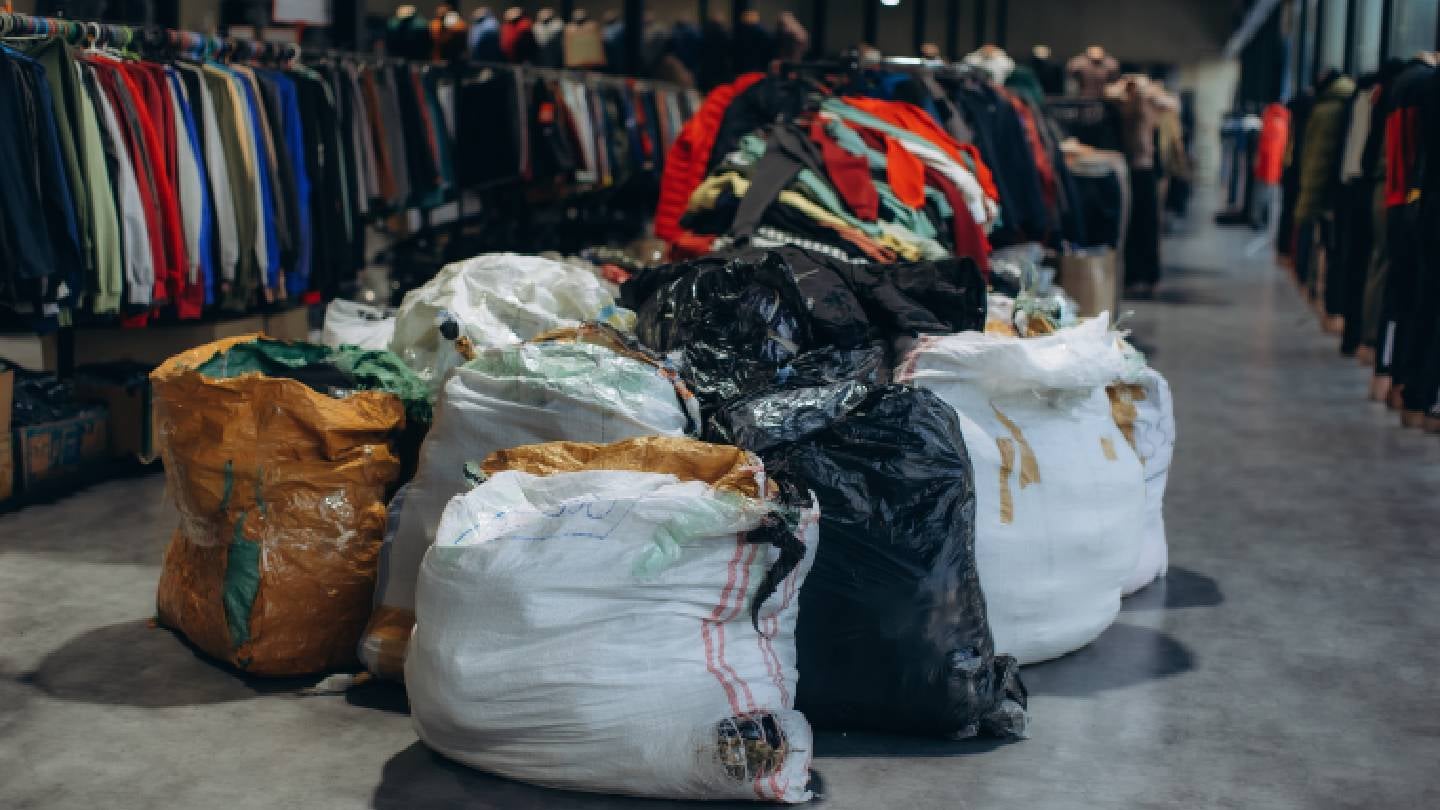
This lack of clarity and potential for stringent enforcement by private bodies is a primary driver of the HDE’s concerns about mass destruction of goods. Retailers, fearing legal repercussions and substantial fines, may opt for the safest route: withdrawing and destroying inventory rather than attempting to navigate a complex and potentially litigious enforcement landscape.
Undermining Sustainability Goals?
The HDE’s most pointed criticism is that the directive’s current trajectory directly contradicts the EU’s own overarching sustainability and environmental objectives. The federation argues that forcing the destruction of perfectly usable goods and packaging, simply because their environmental claims do not align with new, retroactive standards, is inherently wasteful and counterproductive to environmental protection.
"This undermines the EU’s aims of improved environmental protection and its intended sustainability targets," Genth stated forcefully. The logic is straightforward: manufacturing new products and packaging requires resources, energy, and generates emissions. Disposing of existing, usable items prematurely not only represents a financial loss but also a tangible environmental cost that could have been avoided. The directive, intended to promote environmental responsibility, could inadvertently lead to significant environmental harm through unnecessary waste.
Calls for Practical Solutions and Transitional Measures
In light of these concerns, the HDE is urgently appealing to the European Commission to reconsider and revise the directive. Their primary request is for the introduction of "practical transitional" periods and clearly defined sell-off periods. Such measures would allow companies a reasonable timeframe to sell off existing stock that is not compliant with the new rules, thereby mitigating the risk of mass destruction and financial losses.
These transitional arrangements, the HDE argues, are essential for providing legal clarity and predictability for businesses. Without them, retailers and their suppliers in Germany, and potentially across the EU, face significant financial hardship. The potential for millions of euros in losses is not an abstract figure but a concrete threat to the viability of many businesses, particularly small and medium-sized enterprises (SMEs) that may have fewer resources to absorb such shocks.
The Broader Economic and Environmental Impact
The implications of the EmpCo Directive, as currently formulated, extend beyond individual businesses. A widespread scenario of goods destruction could lead to significant disruptions in supply chains, increased waste management challenges, and a general decline in consumer confidence if product availability is affected. Furthermore, the economic damage could have ripple effects throughout the retail ecosystem, impacting manufacturers, distributors, and logistics providers.
The HDE’s position is that legislative amendments introducing clear transition and phase-out options are not merely a request for leniency but a necessary step to ensure both regulatory compliance and genuine progress towards environmental goals. They emphasize that a balanced approach is crucial, one that upholds the principle of consumer protection without imposing undue burdens or creating counterproductive environmental outcomes.
A Plea for Legal Certainty
Genth concluded with a strong statement underscoring the need for clear and legally sound regulatory frameworks. "This is the only way to ensure legal certainty for all market participants in Europe, rather than using arrangements that raise concerns about the rule of law to conceal past failings," he remarked. This suggests a concern that the current approach, by creating ambiguity and the potential for retroactive application without adequate transitional measures, could be perceived as a flawed implementation that fails to uphold established legal principles.
The HDE’s proactive stance highlights a critical juncture in the EU’s efforts to promote sustainability. While the intention to combat greenwashing is commendable, the practical implementation of such directives requires careful consideration of existing market realities and the potential for unintended consequences. The federation’s call for dialogue and revision underscores the ongoing debate about how best to balance ambitious environmental targets with the economic realities faced by businesses in the transition to a greener economy. The coming months will be crucial in determining whether the European Commission will heed these warnings and adjust the EmpCo Directive to avert a potentially costly and environmentally damaging outcome.