HelloFresh data highlights the strategic power of first-party insights in driving the subscription retail revolution

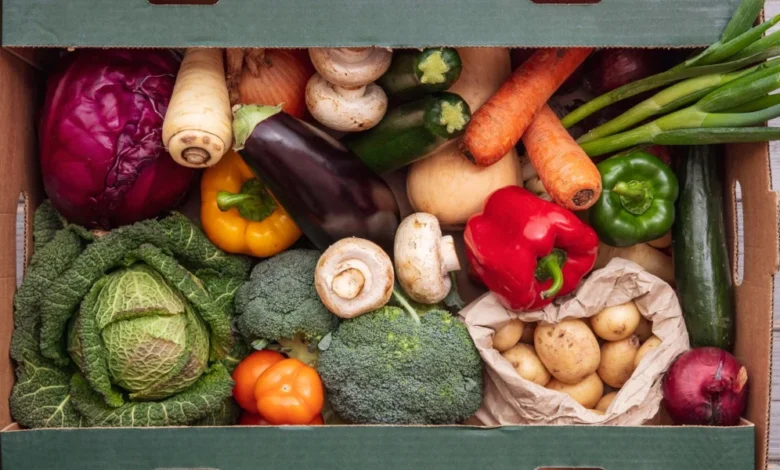
The rise of the data-driven consumer has fundamentally altered the landscape for subscription-based retail, with meal-kit giant HelloFresh providing a definitive case study on how granular, first-party data can forecast dietary shifts before they reach the mainstream. Recent internal analytics from the company reveal a significant milestone: the number of subscribers opting for recipe boxes containing 30 or more distinct plant varieties per week has more than doubled over the last five years. This shift is not merely a anecdotal trend but a quantifiable movement toward gut-health-conscious consumption, revealing how subscription models offer a unique window into evolving consumer habits that traditional, transactional retail often misses.
The Evolution of the Subscription Model
For years, the retail industry operated on a largely reactive model. Traditional supermarkets relied on infrequent point-of-sale data, which provided a snapshot of what was bought but lacked the longitudinal context of how those purchases integrated into a consumer’s lifestyle. Subscription retailers, by contrast, possess an inherent advantage: the continuous relationship. By tracking recurring orders, meal preferences, and feedback loops over months or years, companies like HelloFresh have transitioned from simple delivery services into high-frequency data aggregators.
This shift allows retailers to map the trajectory of health trends from niche interest to mass-market adoption. The current focus on "plant diversity"—the nutritional philosophy suggesting that consuming 30 different plant species per week is the gold standard for gut microbiome health—has moved from scientific literature to kitchen cabinets, and HelloFresh’s internal data serves as a barometer for this cultural change.
A Chronology of the Gut Health Movement
The current public obsession with gut health is not a sudden phenomenon but the culmination of several years of scientific advocacy and media amplification.
- 2019-2020: The foundation was laid as microbiome research moved into the public sphere. Influential figures, most notably Professor Tim Spector of King’s College London, began widely disseminating findings regarding the "30 plants a week" rule. During this period, public interest was largely academic or confined to health-conscious early adopters.
- 2021-2022: The post-pandemic shift toward "food as medicine" accelerated. As lockdowns ended, consumers retained a heightened interest in preventive healthcare. Social media platforms, particularly Instagram and TikTok, began featuring content creators who gamified the "plant-diverse diet," making the 30-plant goal a viral challenge.
- 2023: HelloFresh observed a notable inflection point. The number of subscribers explicitly selecting meals that contributed to high-diversity plant goals began to rise sharply, moving beyond seasonal fluctuations into a sustained upward trend.
- 2024-2025: The "mainstreaming" phase. According to recent retailer research, 55% of the British population is now actively seeking to increase the variety of plants in their diet compared to five years ago. This has prompted a structural change in how recipe boxes are curated, shifting from basic protein-and-starch meals to complex, diverse plant-heavy offerings.
Supporting Data and Market Analysis
The data provided by HelloFresh underscores a broader reality in the subscription economy: personalization is the primary driver of retention. Currently, one in 10 HelloFresh customers orders boxes that meet the rigorous 30-plant-per-week threshold. This statistic is significant not only for nutritionists but for supply chain managers. It implies that the demand for diverse ingredients—such as pulses, grains, herbs, and exotic vegetables—is no longer a "specialty" request but a core expectation of the customer base.
Consumer research commissioned by the retailer further validates this, indicating that social media is the primary driver of this dietary shift. Almost 50% of UK adults report that their interest in gut health was sparked by digital content. This creates a powerful feedback loop: consumers see content, they look for products that facilitate that behavior, they subscribe to those products, and their ongoing purchase data confirms the trend, allowing the retailer to further refine its menu to meet the demand.
Official Perspectives on Dietary Shifts
Mimi Morley, the senior recipe development manager at HelloFresh UK, notes that the success of these initiatives relies on removing the "friction" of healthy eating. "Plant diversity has gone mainstream," Morley stated. "Tim Spector’s research has helped millions of people understand that gut health isn’t about cutting things out; it’s about adding variety in. And we’re seeing that play out in kitchens across the country. Customers want meals that make it easy to hit their fibre and plant-variety goals without sacrificing flavour or convenience."
Morley’s perspective reflects a key strategic pivot in the meal-kit industry: the move away from "dieting" and toward "optimizing." By integrating high-fiber, diverse plant sources directly into the menu design, the company creates a passive health benefit for the consumer. "At HelloFresh, we’ve been building plant diversity into our menus for years, through beans, pulses, grains, herbs, vegetables, and fruit. The fact that so many customers are now hitting 30 plants a week from their box alone shows how achievable gut-friendly eating can be when variety is built in," she added.
The Strategic Implications for Retailers
The implications of these findings for the broader retail sector are profound. Subscription businesses that fail to leverage their first-party data risk obsolescence. Conversely, those that treat their customer data as a dynamic intelligence asset can achieve three distinct competitive advantages:
- Predictive Product Development: By identifying that customers are trending toward gut health, retailers can proactively contract with suppliers for a wider range of produce, ensuring that the supply chain is ready before the consumer demand peaks.
- Hyper-Personalization: Utilizing data to suggest recipes that specifically help a user hit their "30-plant goal" acts as a retention tool. When a brand helps a customer achieve a health-related personal goal, the perceived value of the subscription increases, making the user less likely to churn.
- Marketing Efficiency: Rather than casting a wide net, retailers can target segments of their user base with content and promotions that align with their specific dietary journeys. If a customer has consistently ordered high-plant-variety meals, they are the ideal target for new, premium, plant-forward product lines.
The Future of Subscription Intelligence
As we look toward the remainder of the decade, the integration of health metrics and subscription retail is expected to deepen. We are likely to see the emergence of "lifestyle-as-a-service," where the meal-kit box becomes a conduit for broader health goals, potentially integrating with wearable health trackers or microbiome testing services.
The HelloFresh case demonstrates that the most successful retail models of the future will be those that view their customers not just as buyers, but as participants in a long-term wellness journey. By monitoring, analyzing, and acting upon the subtle shifts in consumer preferences, subscription retailers can build a moat of loyalty that is difficult for transactional competitors to breach.
The transition from selling "food" to selling "the achievement of dietary goals" represents the next evolution in the retail subscription economy. As the evidence base for gut health continues to grow, so too will the pressure on retailers to provide more than just the raw materials for a meal. They must provide the infrastructure for a healthier life, using the data at their disposal to ensure that the convenience of a subscription box is matched by the efficacy of its contents. In an increasingly crowded digital marketplace, this ability to translate data into lifestyle value will be the defining trait of the market leaders.