Hush transitions from online-only to physical retail with inaugural store openings after 23 years of digital growth

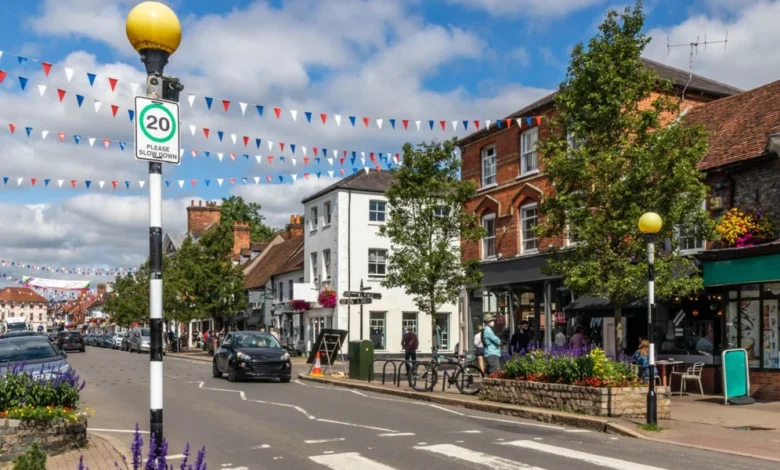
The British fashion landscape is witnessing a significant strategic pivot as Hush, a brand that has thrived exclusively in the digital ecosystem since its inception, prepares to open its first trio of physical storefronts. This move marks a definitive shift in the company’s business model, transitioning from a pure-play ecommerce entity to a multichannel retailer. The brand, which has spent over two decades cultivating a loyal following through its website, will establish a physical presence in three strategic UK locations: Bluewater in Kent, Guildford, and the affluent market town of Marlow in Buckinghamshire.
For a brand that has defined itself through the convenience of online shopping, the decision to invest in "bricks and mortar" infrastructure signals a profound recognition of the evolving consumer journey. By establishing a physical footprint, Hush is not merely expanding its square footage; it is attempting to translate the intangible values of its brand—comfort, quality, and mid-life style—into a tactile, sensory experience that digital interfaces struggle to replicate.
A Chronology of Growth: From Sleepwear to Style Staple
Founded in 2003 by Australian entrepreneur Mandy Watkins and her husband Rupert Youngman, Hush emerged from a modest London base. Initially, the brand identified a specific gap in the market: high-quality, comfortable sleepwear and loungewear for women who refused to compromise on style while relaxing at home. The brand’s aesthetic, characterized by an understated, "feel-good" philosophy, resonated strongly with a demographic of mid-life women with disposable income.
Over the last two decades, Hush systematically diversified its product portfolio. As the brand’s influence grew, it expanded into denim, sophisticated tailoring, and high-end outerwear, successfully transitioning from a "stay-at-home" brand to a provider of full-wardrobe solutions. Throughout this period, the company maintained a disciplined digital-only strategy, utilizing social media and targeted email marketing to build a community rather than a customer base.
The decision to move into physical retail comes at a pivotal moment in the company’s administrative history. In June, the business bolstered its leadership team with the appointment of Sally-Anne Newson as chief customer officer. Bringing over 20 years of experience from her tenure at Reiss and other high-street staples, Newson has been tasked with unifying the brand’s digital and physical identities. Her role is to ensure that as the brand scales, the customer experience remains cohesive, regardless of whether a purchase is made on a mobile device or at a point-of-sale terminal in a retail store.
The Strategic Rationale for Brick-and-Mortar Expansion
Hush’s decision to plant roots in Marlow, Guildford, and Bluewater is not a random selection. These locations are hubs for the specific consumer segment that Hush serves. Marlow, in particular, has become a hotspot for "digital-first" fashion brands. Companies such as Sosandar, Mint Velvet, and Scamp & Dude have already established a presence there, creating a retail ecosystem that caters to shoppers who value quality and brand heritage.
According to Hush CEO Sarah Miles, the transition is fundamentally driven by consumer demand. In recent statements to The Times, Miles indicated that the company’s data suggests a latent desire among its customer base for a more profound connection with the label. "Our customers are asking for a deeper and more physical relationship with the brand," Miles noted, emphasizing that the physical stores are designed to complement, rather than cannibalize, the existing digital infrastructure.
This "phygital" strategy—a term used by industry analysts to describe the merging of physical and digital retail—seeks to leverage the store as a showroom for the brand’s ethos. For Hush, the store is expected to serve as a hub for discovery, where customers can experience the fabric quality and fit of garments—factors that often inhibit conversion rates in online-only environments. By reducing the friction of returns through physical interaction, Hush anticipates higher customer lifetime value and brand loyalty.
Market Context: The Shift Toward Multichannel Retail
Hush’s move is emblematic of a broader, industry-wide shift. For years, the retail narrative was dominated by the "death of the high street" as ecommerce surged. However, recent years have seen a corrective trend. Pure-play retailers are discovering that physical stores act as powerful customer acquisition tools and, in many cases, improve overall profitability by lowering customer acquisition costs (CAC) through localized marketing and the presence of a physical billboard in high-footfall areas.
The trend of moving from digital to physical is supported by several high-profile precedents:
- Skims: Kim Kardashian’s shapewear empire, which began as a digital-native powerhouse, has successfully launched flagship stores in London and Los Angeles, proving that even globally recognized internet brands require physical spaces to cement their status as luxury or premium lifestyle players.
- Karen Millen and Topshop: These heritage brands, having pivoted to digital-only models after facing financial distress, have returned to the physical landscape via carefully curated concessions. This strategy allows them to maintain a presence without the overheads associated with standalone flagship stores.
- Shein: Even the ultra-fast fashion behemoth, known for its rapid-fire digital delivery model, has begun experimenting with physical retail, including a store opening in Paris. This underscores the reality that physical retail remains a crucial touchpoint for brand credibility.
Implications and Future Outlook
The expansion of Hush presents an interesting case study in retail sustainability. By entering the market with three stores, the company is avoiding the "over-expansion trap" that has crippled many other fashion retailers. The targeted, cautious approach suggests a data-driven strategy aimed at long-term viability rather than a rapid, high-risk land grab.
The integration of Sally-Anne Newson’s expertise in bridging brand, creative, and digital functions suggests that Hush is prioritizing an omnichannel strategy where the store and the website speak the same language. For the consumer, this means potentially seamless experiences such as "click-and-collect," in-store returns for online orders, and personalized styling services that bridge the gap between human interaction and algorithmic recommendations.
However, the expansion also brings risks. Retail overheads—including rent, business rates, and staffing—are significantly higher than the costs of maintaining a centralized distribution center for online orders. Hush will need to ensure that the increased cost of physical operations is offset by higher conversion rates and increased brand loyalty.
Furthermore, the brand is entering a market that is increasingly crowded with competitors who have already perfected the art of the "destination store." To succeed, Hush must ensure that its in-store experience is not merely a place to buy clothes, but an extension of the community-driven ethos that made them successful online.
Conclusion
As the retail sector continues to evolve, the distinction between "online" and "offline" is becoming increasingly irrelevant to the modern shopper. Consumers operate in an omnichannel world, expecting their favorite brands to be available whenever and wherever they choose to interact. By embracing this reality, Hush is positioning itself to capture a larger share of the market, reinforcing its identity as a brand that understands the nuanced needs of its customers.
While the move represents a significant evolution, it remains grounded in the same principles that launched the company in 2003: a focus on quality, a clear understanding of the target demographic, and a measured approach to growth. As Hush prepares to welcome its first in-store visitors, the fashion industry will be watching closely to see how a digital veteran adapts to the realities of the high street. For Hush, the gamble is that the future of retail is not just digital, but a balanced, physical-first experience that builds enduring relationships with the customers who have supported them for the last 23 years.