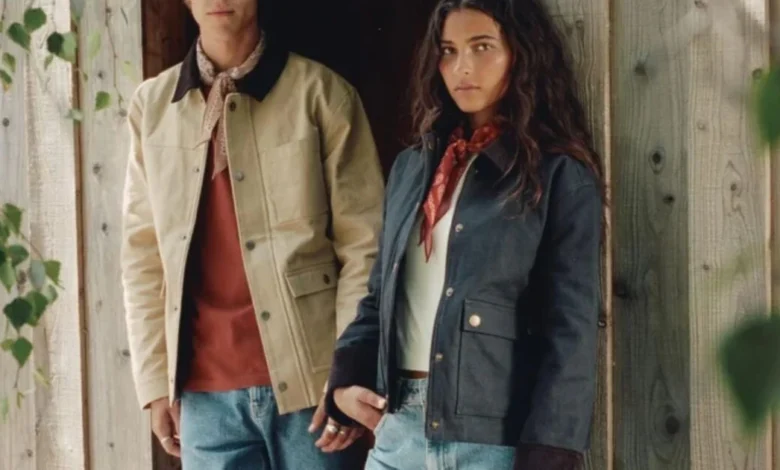
The shift toward conscious consumerism has redefined the fashion industry, yet a persistent barrier remains: the perception that ethical and sustainable clothing is exclusively a luxury reserved for the affluent. As environmental awareness grows, consumers are increasingly seeking to align their personal style with their values, yet many find themselves caught between the desire to support ethical production and the reality of a limited budget. This tension is further complicated by the ubiquity of fast fashion, which offers trendy, low-cost garments that mask the true cost of production—namely, environmental degradation and the systematic underpayment of garment workers.
The True Cost of Fashion and the Price of Sustainability
To understand why sustainable fashion often commands a higher price, one must first deconstruct the anatomy of a garment’s cost. In the traditional fast fashion model, prices are kept artificially low through the aggressive suppression of labor costs and the utilization of inexpensive, synthetic materials derived from fossil fuels. Conversely, sustainable brands prioritize ethical manufacturing processes that include paying living wages, ensuring safe working conditions, and investing in renewable energy and waste-reduction technologies.
Furthermore, the materials themselves represent a significant investment. For instance, organic cotton is cultivated without the use of toxic synthetic pesticides or fertilizers, which requires more intensive manual labor and natural water management techniques. Similarly, regenerative fibers and recycled materials necessitate specialized supply chains that are not yet as commodified as traditional manufacturing routes. When a consumer purchases a garment from an ethical brand, they are not merely paying for fabric; they are subsidizing the fair treatment of the individuals throughout the supply chain and contributing to the mitigation of carbon emissions.
The Trap of Greenwashing in the Modern Market
A significant challenge for budget-conscious shoppers is the rise of "greenwashing"—a marketing tactic where companies exaggerate or fabricate their environmental credentials. As sustainability becomes a market-leading trend, fast fashion conglomerates have introduced "conscious" or "eco-friendly" sub-collections. However, industry analysts note that these initiatives often represent only a fraction of a company’s total output. The core business model of these corporations remains rooted in hyper-production and rapid trend cycles, which are inherently incompatible with true sustainability.
The impact of this, according to labor rights advocates, is that it distorts the consumer’s perception of what a garment should cost. Over the past three decades, the average price of clothing has plummeted, leading to a "disposable" mindset. A comprehensive study by the World Resources Institute suggests that the average consumer buys 60% more clothing items than they did 15 years ago but keeps them for only half as long. This cycle of overconsumption creates a massive waste burden that cannot be offset by simply using recycled polyester in a small percentage of a brand’s collection.
Strategic Approaches to Ethical Shopping
Building a sustainable wardrobe is a marathon, not a sprint. Experts recommend starting with the "basics"—t-shirts, underwear, and core items that serve as the foundation of daily attire. These items are frequently worn and laundered, making them the most practical investments in terms of "cost per wear." A $40 ethically produced t-shirt that lasts three years is, by any economic metric, more affordable than five $10 fast-fashion shirts that lose their shape or structural integrity within a few months.
Beyond purchasing new, the most sustainable item is the one already in the closet. The movement toward "slow fashion" emphasizes rediscovering, repairing, and restyling existing garments. For those looking to expand their collection, second-hand marketplaces and community clothing swaps are gaining momentum as vital components of a circular economy. By extending the lifecycle of a garment, consumers can drastically reduce their individual environmental footprint.
Curated Brands: Accessible Ethical Fashion
For those seeking to purchase new items from brands committed to ethical standards, there is an expanding directory of retailers that offer quality, transparency, and affordability. These brands have been vetted for their labor practices and environmental impact.
Joyya: A Model for Community Development
Operating out of Kolkata, India, Joyya focuses on providing sustainable employment opportunities to marginalized communities. By merging three distinct entities into a unified, purpose-driven brand, they have successfully scaled their operation to provide a range of organic apparel. Their commitment extends to sizes up to 4XL, ensuring inclusivity alongside their ethical mandates.
Sense Organics: Two Decades of Ethical Childrenswear
Based in Germany, Sense Organics has spent 18 years refining the process of producing vibrant, durable, and organic cotton clothing for children. Their "Good" rating is supported by a rigorous adherence to fair wages and the use of low-impact materials, setting a standard in a sector often plagued by poor labor oversight.
Mighty Good Basics: Transparency in Undergarments
Mighty Good Basics focuses on the essentials—underwear and basics—utilizing GOTS-certified organic cotton. Their supply chain is distinguished by the use of renewable energy, demonstrating that even basic commodity items can be produced with a minimal carbon footprint.
BAGGU: Functional and Low-Impact Accessories
BAGGU has become a staple for sustainable, functional accessories. Their standard totes are constructed from recycled ripstop nylon, capable of supporting significant weight, thereby reducing the reliance on single-use plastic bags. Their business model demonstrates that high-volume accessories can be produced with a focus on durability and material efficiency.
Terra Thread: GOTS and Fair Trade Certified
Terra Thread distinguishes itself by offering GOTS-certified and Fair Trade organic cotton bags. Their operations, based in California, highlight the feasibility of creating high-quality, durable bags that prioritize both the environment and the farmers involved in the raw material stage.
Unbelts: Solutions-Oriented Design
Unbelts addresses the intersection of utility and ethics. By producing high-quality, adjustable belts, they solve a common issue of garment fit while maintaining a strict policy of creating quality jobs throughout their manufacturing chain.
Big Bud Press: Size-Inclusive and Localized
Los Angeles-based Big Bud Press has made waves for its commitment to unisex, size-inclusive clothing (XXS to 6XL). Their focus on domestic manufacturing allows for greater oversight of labor conditions, and their aesthetic emphasizes long-term wearability over fleeting trends.
PACT: The Standard for Fair Trade Basics
PACT has established itself as a leader in the movement to transform apparel production. Their activewear and daily basics are primarily made from certified organic cotton, with a significant portion of their supply chain holding Fair Trade certification, ensuring that the people who make the clothes are treated with dignity.
Happy Earth: Environmental Advocacy in Action
Happy Earth operates on a model of active restoration. Through partnerships with non-profits, they don’t just minimize their negative impact; they actively engage in tree planting and waste cleanup, using their revenue to fund environmental preservation.
I was a Sari: Creative Circularity
This brand represents the pinnacle of circular fashion by repurposing pre-loved saris and deadstock fabrics. By employing women artisans in India to transform these materials into modern garments, they preserve cultural heritage while preventing textile waste from reaching landfills.
Ucon Acrobatics: Minimalist Innovation
Ucon Acrobatics integrates high-functionality with low-impact materials. Their focus on using renewable energy in their direct operations and ensuring living wages for final-stage production marks them as a leader in the minimalist, functional fashion space.
Harvest & Mill: The Domestic Supply Chain
Harvest & Mill is a testament to the potential of a localized supply chain. By growing, milling, and sewing exclusively in the United States, they significantly reduce the carbon emissions associated with shipping. Their use of natural, undyed cotton further conserves water and energy.
The Path Forward: Economic and Environmental Implications
The growth of these brands signals a broader shift in consumer expectations. As more people demand transparency, the fashion industry is being forced to grapple with its systemic inefficiencies. However, the onus does not rest solely on the consumer. The transition to a sustainable fashion economy requires systemic policy changes, including mandatory supply chain transparency, the regulation of greenwashing claims, and the enforcement of living wage standards on a global scale.
In the interim, the informed consumer acts as a catalyst for change. By shifting spending power toward companies that prioritize people and the planet, individuals can help normalize higher ethical standards. While the initial investment for a sustainable garment may be higher than that of a fast-fashion alternative, the shift in focus from "quantity" to "quality" is the most effective tool in the consumer’s arsenal to combat the environmental and human rights crises inherent in the modern fashion industry. As the sector continues to evolve, the distinction between "luxury" and "ethical" will hopefully blur, making sustainability the baseline expectation for all clothing production rather than a premium feature.