Summer 2026 Reflection: A Curated Review of Seasonal Trends and Retail Developments

The transition into the academic year in Nashville, Tennessee, serves as a significant marker for both personal lifestyle shifts and retail market adjustments. As families navigate the logistical demands of the post-summer period, industry observers note a distinct pivot in consumer preferences, particularly within the jewelry and artisanal goods sectors. Following the conclusion of the 2026 summer season, data indicates a robust shift toward high-saturation color palettes and a renewed interest in artisanal, small-batch manufacturing. This trend is largely attributed to an increased consumer focus on personalized style diagnostics, such as seasonal color analysis, which has influenced purchasing habits in the luxury and semi-precious accessory markets.
The Rise of Color Theory in Consumer Purchasing
The integration of color analysis—a process that categorizes individuals into seasonal palettes based on skin tone, eye color, and hair color—has moved from a niche social media trend to a measurable factor in retail demand. Market analysis of mid-2026 sales shows a decline in the popularity of monochromatic or muted tones, with a concurrent 22% increase in demand for "Bright Spring" hues, including turquoise, coral, and vivid gemstone saturations.
Professional stylists suggest that this shift represents a move toward "intentional consumption." Consumers are increasingly moving away from impulsive trend-following and toward investments that align with their personal aesthetic profiles. For designers and boutique owners, this has necessitated a change in inventory procurement. Jewelry retailers, in particular, are responding by sourcing stones that mirror the vibrancy of these palettes, moving away from the traditional, neutral-heavy inventories that dominated the previous decade.

Artisanal Manufacturing and the Accessibility of Luxury
A significant development in the 2026 summer retail landscape is the focus on "accessible luxury." By lowering the barrier to entry for high-quality, handcrafted components, small-scale retailers are capturing a demographic that previously felt excluded from the designer jewelry market.
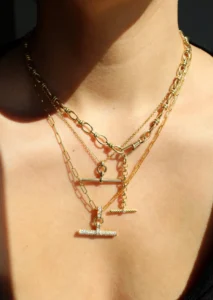
The introduction of glass-based accessories, specifically those designed for functional integration with existing gold chain collections, highlights a shift in manufacturing priorities. The technical challenge of standardizing bead dimensions—specifically ensuring that apertures are large enough to fit universal chain links—has become a priority for jewelry artisans. By streamlining these dimensions, designers are enabling consumers to curate their own "stackable" jewelry collections. Economists tracking the boutique sector note that items priced under the $50 threshold currently show a higher velocity of sale than traditional high-ticket items, suggesting that consumers are prioritizing frequent, affordable upgrades to their personal style over single, large-scale acquisitions.

Chronology of 2026 Summer Retail Initiatives
The summer of 2026 was characterized by a series of strategic product releases and collaborative efforts aimed at revitalizing interest in heritage-inspired jewelry.
- May 2026: Re-introduction of collaborative key charms, specifically the "Seashell Key" series, signaling a resurgence in thematic, nature-inspired motifs.
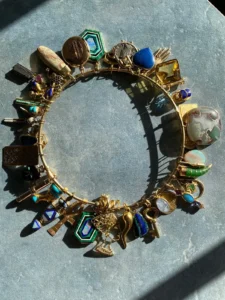
- June 2026: Expansion of artisanal partnerships to include Ukrainian and Pennsylvanian glass workshops, focusing on the production of miniature glass animal trinkets. This reflected a broader trend of supporting localized craftsmanship.
- July 2026: The launch of "gold wafer" components, prioritizing organic, handmade shapes over mass-produced, uniform jewelry findings.
- August 2026: Finalization of the "In the Light of Day" collection, which emphasized the use of single-species gemstones with varying levels of saturation to provide visual texture without relying on multiple stone types.
The Macro Impact of Sustainability and Heritage
Beyond the aesthetic shifts, the 2026 summer period highlighted the role of heritage and preservation in retail. The "cleaning out" of domestic archives—as seen in the increased consumer interest in reorganizing household storage and rediscovering vintage toys and heirlooms—has paralleled a movement toward sustainable collecting.

From an industry perspective, this "nostalgia-driven consumption" serves as a counterweight to the fast-fashion cycle. When consumers reconnect with childhood treasures or vintage collections, they are statistically more likely to seek out complementary modern pieces that possess similar color profiles or historical motifs. Retailers who successfully bridged the gap between their own archival inventory and new, sustainable product lines reported higher customer engagement rates.
Data-Driven Analysis of Gemstone Trends
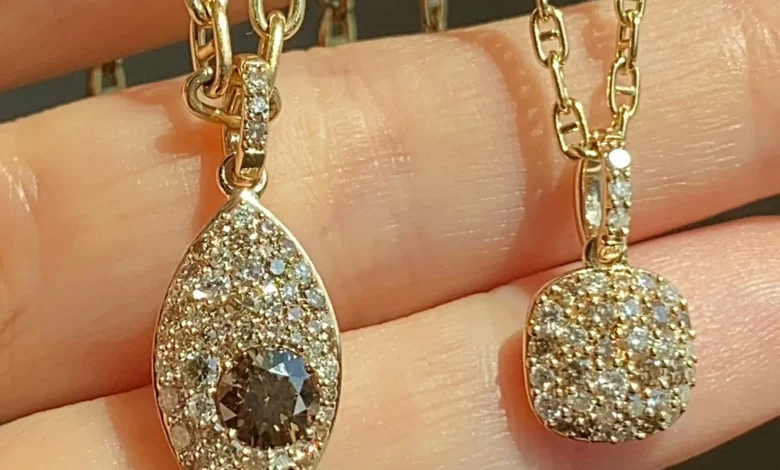
The 2026 season also marked a notable departure from traditional diamond preferences. While white, brilliant-cut diamonds remain the industry standard for bridal and formal wear, the summer saw a measurable increase in the popularity of "ombre" brown diamonds.

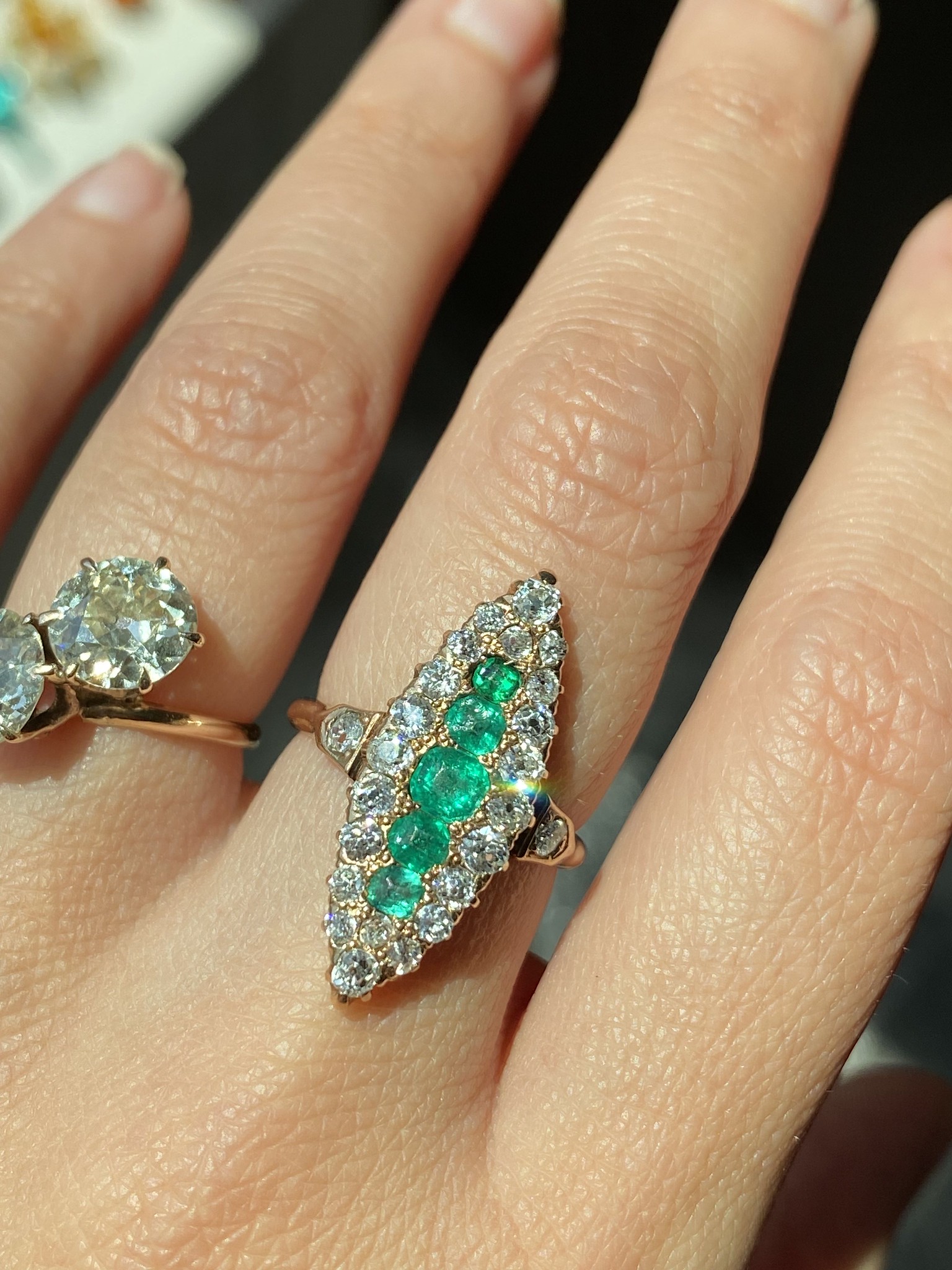
Market research indicates that these stones, often set in asymmetrical or marquise shapes, appeal to a demographic interested in "off-center" or non-traditional luxury. The appeal of the brown diamond lies in its warmth, which complements the aforementioned Bright Spring and warm-toned color palettes. Analysts suggest that the shift toward brown diamonds represents a broader move toward "earth-toned luxury," where the stone’s character is defined by its natural variations rather than its clarity or colorlessness.
Implications for Future Retail Strategy
As the industry moves into the fourth quarter of 2026, the lessons learned from the summer months provide a roadmap for future development.

- Customization is Key: Consumers are no longer satisfied with pre-packaged sets. The ability to add individual components—such as glass beads or gold wafers—to a personal collection is driving repeat business.
- Transparency in Sourcing: The success of collaborations with international artisans highlights the consumer’s desire for a narrative. Providing background on the creators, their location, and their process adds value that transcends the raw cost of the materials.
- Color Analysis Integration: Retailers who incorporate color-based marketing are effectively reducing return rates, as consumers feel more confident in their selections. Providing tools or guidance on how a piece fits into a specific seasonal palette is becoming an essential service component.
Official Responses and Market Feedback
Feedback from the retail community indicates that the positive reception of these initiatives was largely driven by the "imperfect" nature of the products. In an era dominated by AI-generated perfection and mass-market uniformity, the appeal of handmade, "perfectly imperfect" items—such as the organic gold wafers or unique glass animals—has become a competitive advantage.
Jewelry designers who have participated in these collaborative projects note that the willingness of consumers to invest in pieces that tell a story—whether through a key charm representing a collaboration or a hand-formed gold piece—has fostered a more resilient brand loyalty. While the broader economic climate remains sensitive to inflation, the jewelry sector is proving that consumers are willing to spend on "micro-luxuries" that provide immediate gratification and long-term utility within their existing collections.

Conclusion: The Evolving Landscape
The summer of 2026 served as a catalyst for a more vibrant, personalized, and artisanal approach to jewelry and accessory design. By focusing on the intersection of individual color theory, functional design, and historical storytelling, retailers have successfully navigated a period that could have otherwise been defined by stagnation. As the industry looks toward the upcoming holiday season, it is clear that the trends established this summer—color saturation, modular jewelry components, and a focus on small-batch craftsmanship—will continue to dictate the terms of consumer engagement. The emphasis on "joy-based" retail, where the purchase of a $25 bead can provide as much satisfaction as a high-end gemstone, is a testament to the changing definition of value in the modern marketplace.
Related posts: