John Lewis Partnership transforms retail media strategy by anchoring advertising in deep customer data insights

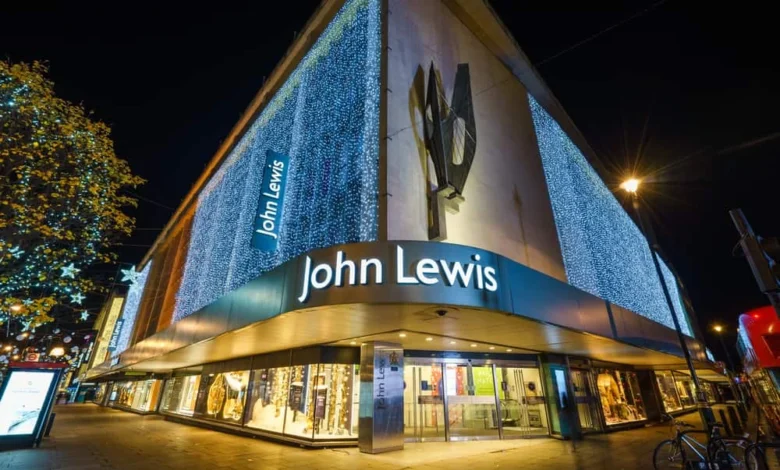
The John Lewis Partnership (JLP), the retail giant operating the high-end department store chain John Lewis and the supermarket Waitrose, is undergoing a profound strategic pivot. In an era defined by market fragmentation and the declining efficacy of traditional third-party cookie-based advertising, JLP is repositioning its retail media network. Rather than viewing advertising merely as a supplementary revenue stream or a disconnected digital channel, the organization is integrating its media offering as a core extension of its sophisticated customer data strategy. This transition is underpinned by new technological partnerships with Epsilon and Kevel, aimed at creating a seamless, insight-led advertising environment that spans both the digital and physical realms.
The Evolution of the Retail Media Landscape
Retail media has rapidly emerged as the "third wave" of digital advertising, following the dominance of search and social media. However, the industry is currently moving beyond simple onsite sponsored product placements. Retailers are increasingly under pressure to demonstrate the efficacy of their media networks through closed-loop measurement and cross-channel consistency.
For JLP, this evolution is a response to shifting consumer expectations. Recent data from the RetailX consumer survey highlights a critical shift in sentiment: over 70% of modern consumers define "good personalization" as a brand’s ability to recognize them consistently across every touchpoint. Furthermore, more than 50% of shoppers associate loyalty memberships with receiving more relevant, useful communications. The message from the consumer is clear: they are willing to engage with personalized advertising, but only when it offers utility rather than repetitive, intrusive clutter. By leveraging its vast repository of first-party data—garnered from over 160 years of operation—JLP is attempting to solve the "relevance gap" that plagues many digital advertising campaigns.
Chronology of a Strategic Shift
The current transformation did not occur in a vacuum; it is the culmination of several years of investment in digital infrastructure and data maturity.
- 2021–2022: JLP accelerated its digital-first agenda, emphasizing the unification of customer identities between Waitrose and John Lewis. This period saw the rollout of more sophisticated loyalty analytics designed to track shopping behavior across diverse categories.
- 2023: Recognizing the untapped potential of its advertising inventory, the partnership began evaluating partners capable of scaling its offsite media capabilities and improving the sophistication of its onsite ad-tech stack.
- 2024–2025: The formalization of partnerships with Epsilon and Kevel marked the operational shift. Epsilon was brought on board to facilitate offsite expansion into CTV, streaming, and online video, while Kevel was tapped to provide the engine for AI-powered onsite targeting.
- Present Day: JLP is now implementing "closed-loop" reporting, enabling brand partners to tie digital impressions directly to offline, in-store transaction data, thereby bridging the notorious gap between digital marketing and physical retail sales.
Bridging the Gap: The Role of Epsilon and Kevel
The partnership with Epsilon is designed to push JLP’s advertising reach well beyond its own domains. By enabling brands to extend their campaigns into offsite environments such as Connected TV (CTV) and premium streaming services, JLP is effectively leveraging its first-party data to find customers where they spend their leisure time. This strategy bypasses the reliance on third-party cookies, which are increasingly blocked by privacy regulations and browser updates.
Simultaneously, the integration of Kevel’s technology onto the John Lewis and Waitrose websites is transforming the onsite experience. By utilizing AI-powered targeting, JLP can move away from blunt demographic segmentation—such as targeting "women aged 30–45"—and toward high-intent, context-aware targeting. For example, the system can identify a shopper who is researching high-end appliances on the John Lewis site and subsequently serve them relevant offers or complementary products, even if the final purchase occurs days later in a physical store.
Data Synergy: Grocery vs. Department Store Behavioral Patterns
A unique advantage of the JLP model is the inherent diversity of its retail portfolio. Waitrose shoppers typically exhibit high-frequency, habitual purchase patterns driven by weekly grocery needs. In contrast, John Lewis customers often engage in longer, high-consideration journeys for items like electronics, furniture, or home goods.
By combining these two datasets, JLP creates a "360-degree" view of the consumer. Understanding the nuances of a customer’s grocery habits provides behavioral signals that can inform, and even predict, their needs in the non-grocery department. This integrated view allows brands to move beyond transactional metrics and into a more nuanced understanding of customer intent. According to Jemma Haley, Retail Media Lead for the John Lewis Partnership, this move represents a "big step forward" in creating an insight-led ecosystem that helps brand partners target smarter, highly relevant audiences.
Measurement and the ROPO Challenge
Perhaps the most significant hurdle in modern retail media is the ROPO (Research Online, Purchase Offline) effect. Attribution has historically been the "Achilles’ heel" of digital marketing; when a customer clicks an ad but buys in-store, that data is often lost.
JLP’s investment in measurement technology aims to rectify this. By syncing loyalty program identifiers with digital ad impressions, the partnership can now offer brand partners a clear view of the full customer journey. This capability is not merely an analytical tool; it is a vital selling point that justifies increased marketing spend from consumer packaged goods (CPG) brands and electronics manufacturers alike. When a brand can prove that an online video ad contributed to a 15% uptick in in-store sales of a specific product line, the retail media channel becomes an essential component of the brand’s marketing mix, rather than an experimental add-on.
Official Perspectives and Industry Implications
The leadership at JLP emphasizes that this strategy is about enhancing the customer experience as much as it is about driving revenue. Kaitlin Craig, Digital Retail Media Lead at JLP, notes that the objective is to use deep-seated customer insights to foster better connections. "We’re now able to share this with trusted partner brands… whether that’s reminding customers of old favourites, or helping them connect with exciting new brands," Craig stated.
Industry observers suggest that JLP’s approach is a bellwether for the retail sector. As Tim Frankcom, President of Europe and APAC at Epsilon, observed, many retailers have historically relied too heavily on third-party data, leading to fragmented, disjointed targeting. By prioritizing "real identity" over guesswork, JLP is establishing a high-water mark for data integrity in retail media.
The implications for the broader market are substantial:
- Consolidation of Ad Spend: Retailers with robust first-party data sets, like JLP, are likely to capture an increasing share of marketing budgets previously allocated to broader digital ad platforms.
- Privacy Compliance: As global privacy regulations tighten, the reliance on proprietary, first-party data environments becomes a competitive moat, insulating JLP from the instability of third-party cookie deprecation.
- Enhanced Consumer Value: If successfully implemented, the personalization engine will theoretically reduce "ad fatigue," as consumers are presented with products and services that align with their actual historical behavior and life stage, rather than generic or misaligned advertisements.
Future Outlook
The John Lewis Partnership’s pivot to an insight-led retail media model signifies a maturation of the industry. As the line between digital and physical commerce continues to blur, the ability to recognize and serve the customer across both environments will determine the long-term success of retail media networks.
With the introduction of AI-driven targeting and cross-channel measurement, JLP is positioning itself to be more than just a retailer; it is evolving into a media powerhouse capable of delivering high-value insights. While the initiative is still in its early stages, the underlying logic—that data, when used with integrity and precision, creates a better experience for all stakeholders—is likely to serve as the blueprint for future retail operations globally. The ongoing success of this strategy will depend on JLP’s ability to balance its dual mandates: maintaining the high trust standards associated with the John Lewis brand while simultaneously maximizing the sophisticated, data-driven potential of its new advertising ecosystem.