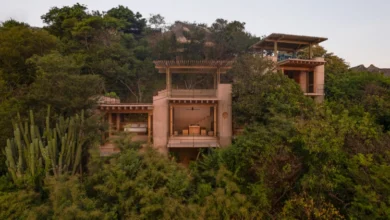
Inside the Creative Mind of Elliot March: Global Design, Architectural Synergy, and the Evolution of MAWD

The trajectory of world-class interior architecture is frequently defined by unexpected encounters and shared sensibilities. For Elliot March, co-founder of the internationally acclaimed practice MAWD (March and White Design), that pivotal moment occurred in the lecture halls of the University of Edinburgh. What began as a tardy arrival to a shared class transformed into a lasting creative partnership with James White, establishing the foundational ethos for a global firm that now operates at the intersection of hospitality, residential development, and luxury marine design.
As MAWD expanded from its initial roots as a boutique British interior design studio into a multi-office international enterprise, the firm maintained a philosophy anchored in contextual harmony rather than imposed stylistic trends. Recently featured in the design industry’s celebrated "Friday Five" series, March shared a curated selection of global inspirations and landmark projects that underscore his design methodology—offering a rare glimpse into the intellectual framework driving modern architectural interiors.
The Genesis of MAWD: From Academic Connection to Global Practice
The partnership between Elliot March and James White was forged during their student years in Edinburgh, bound by a mutual fascination with the structural and emotional capacities of architecture and design. Following graduation, both designers cut their teeth within larger, established architectural practices, honing their technical skills and developing individual design philosophies. White, in particular, became increasingly captivated by interior spaces and their profound ability to shape human experiences and psychological well-being.
In 2010, the duo took a calculated leap, leaving the corporate structure of larger firms to establish March and White Design. This transition granted them the professional autonomy to approach design holistically, evaluating projects not merely as isolated floor plans, but as integrated ecosystems of light, material, and human interaction.
Under March’s leadership, MAWD evolved rapidly. The practice transcended its origins as a luxury British interior firm to establish a formidable international presence, opening strategic hubs including a New York headquarters. Today, MAWD’s portfolio spans diverse sectors, seamlessly transitioning from land-based residential towers and hospitality destinations to the highly specialized, intricate demands of superyacht design. Despite the varied scales of these commissions, March’s underlying philosophy remains consistent: avoiding preconceived visual templates in favor of letting the intrinsic qualities of the architecture, geographic location, natural light, and daily human rhythms dictate the final outcome.
Geographic and Cultural Inspirations That Shape MAWD’s Vision
Designers do not create in a vacuum; their output is inevitably informed by the environments they inhabit, traverse, and study. March’s personal inspirations reflect an eclectic appreciation for spaces where history, raw materials, and organic human habitation intersect without pretense.
-
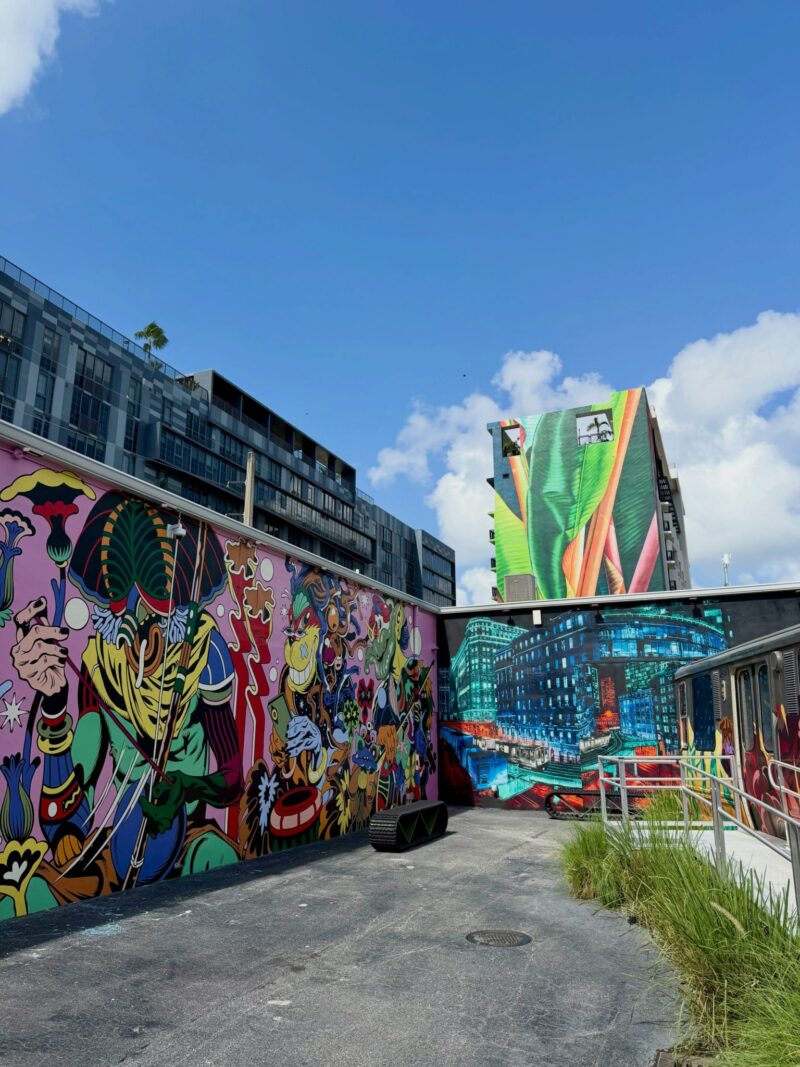
Wynwood Walls, Miami, Florida
March’s engagement with Miami’s vibrant Wynwood neighborhood stems directly from MAWD’s work on The Cloud One Hotel & Residences Wynwood. He notes a profound fascination with the district’s industrial past—marked by warehouses and garment district architecture—colliding with the explosive, transient energy of contemporary street art and large-scale murals. This inherent tension between raw, utilitarian building materials and dynamic human expression serves as a conceptual blueprint for ensuring new developments organically integrate into their host communities rather than functioning as alien interventions.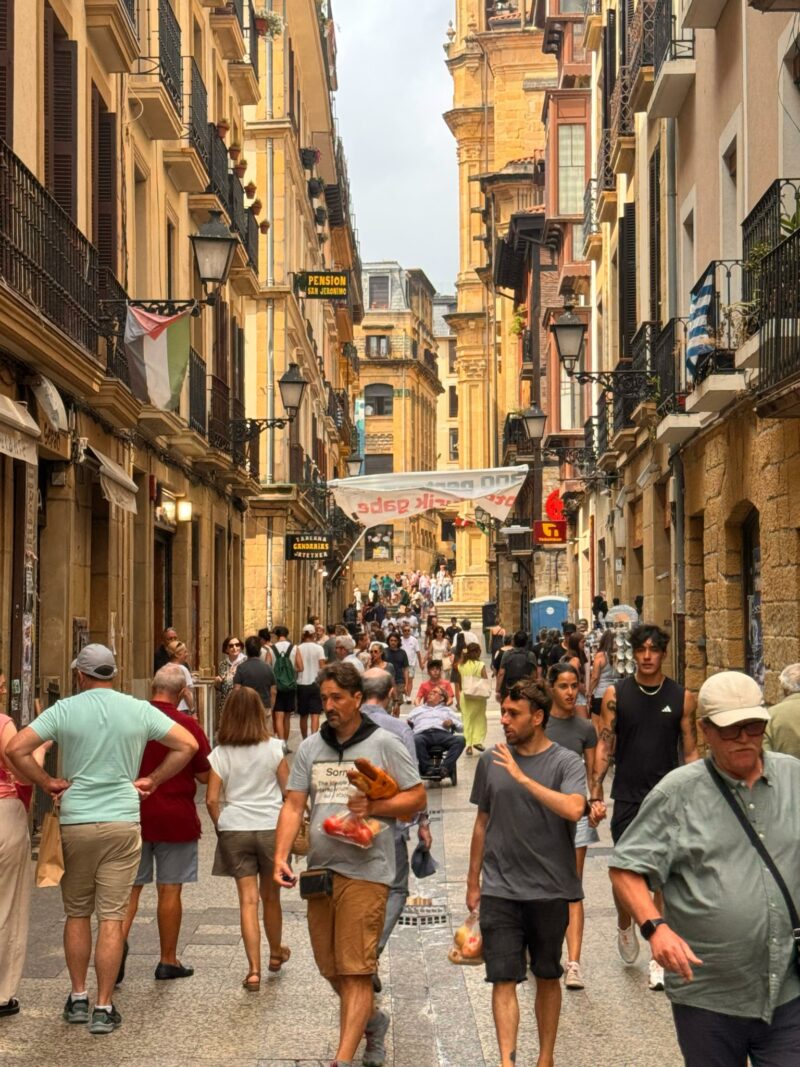
-
Paso Robles Wineries, California
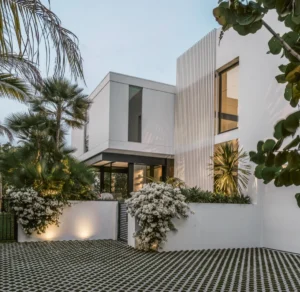
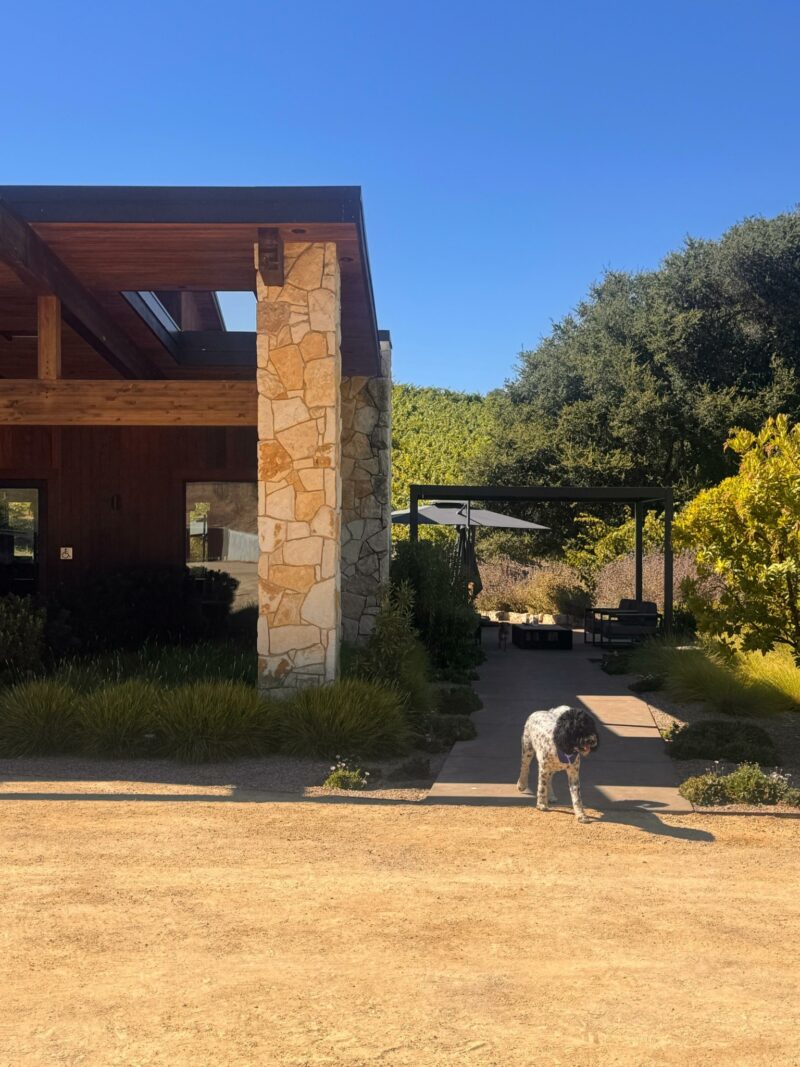
The architectural vernacular of the Paso Robles wine region offers a masterclass in contextual restraint. March highlights how local building traditions utilize regional stone, heavy timber, exposed concrete, and naturally weathered finishes to create structures that feel permanently rooted in the topography. Rather than competing with the surrounding vineyards, these architectural interventions act as framing devices for the natural landscape, proving that light, material, and environment can successfully shoulder the aesthetic weight of a project. -
Yucca Valley, California
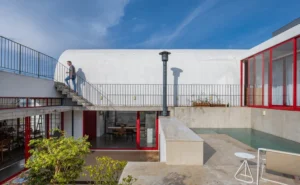
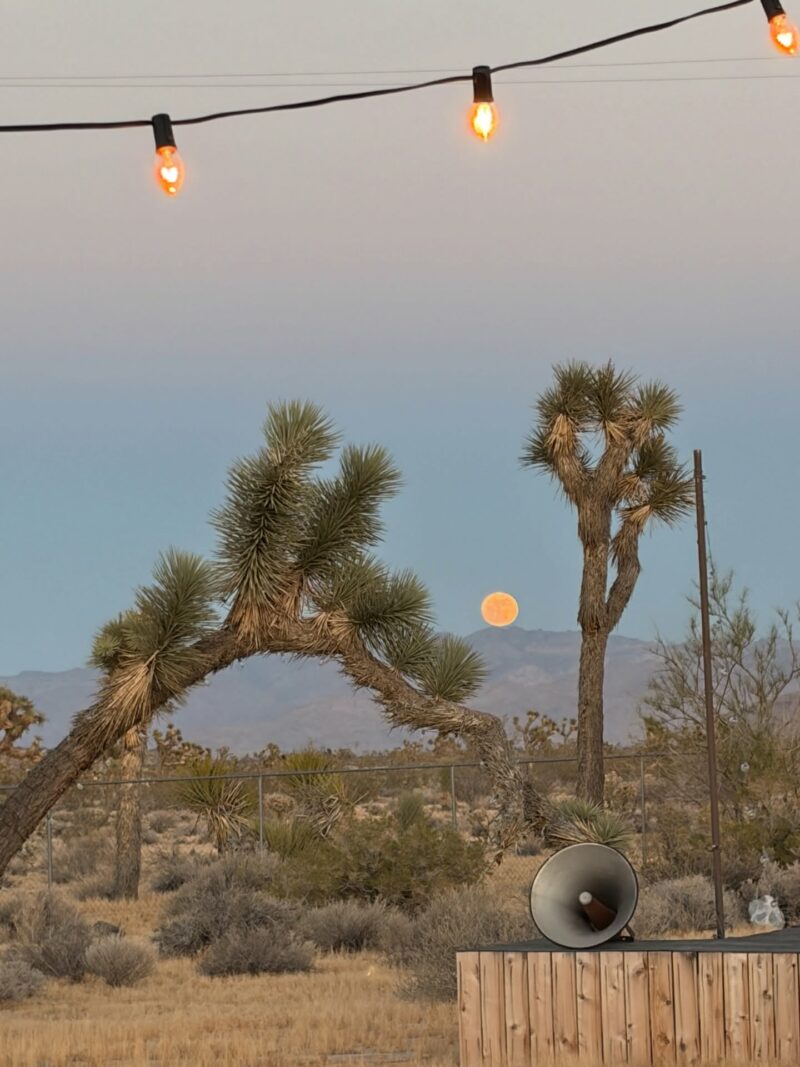
For March, the high-desert landscape of Yucca Valley serves as a psychological reset and a source of organic design intelligence. Cycling through the region at twilight, he observes how rapidly shifting desert light dramatically alters familiar topographies, stretching shadows and warming hues. This diurnal transformation reinforces a core tenet of his design philosophy: the necessity of slowing down to observe existing conditions, recognizing that the most enduring design solutions are often already whispered by the surrounding environment.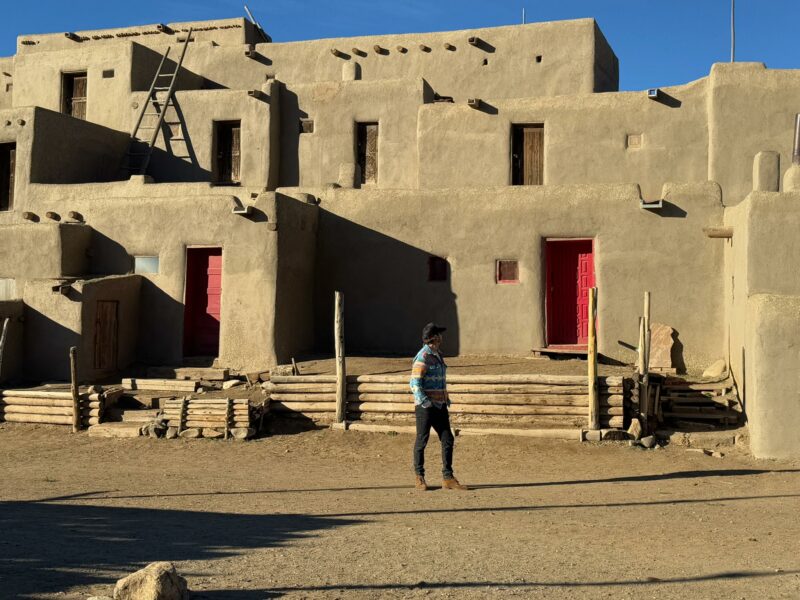
-
Parte Vieja, San Sebastián, Spain
The historical quarter of Parte Vieja exemplifies the organic evolution of urban architecture. March is drawn to the neighborhood’s accumulated layers of history—worn stone, vibrant painted facades, intricate ironwork balconies, timber elements, and tiled thresholds—which coexist without heavy-handed curation. This environment validates his conviction that imperfections, patinas, and the visible traces of daily human use are central to architectural authenticity and beauty. -
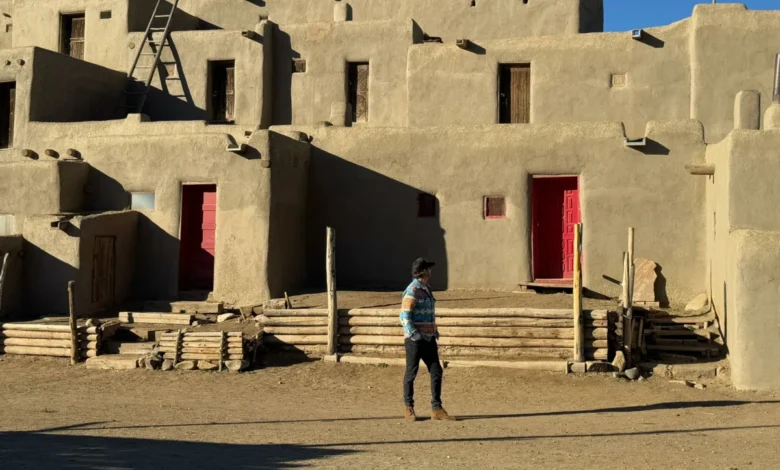
Taos Pueblo, New Mexico
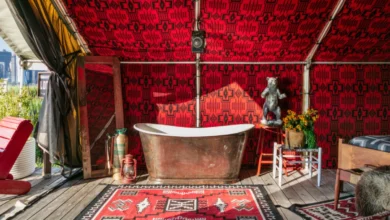
As a historic Native American community continuously inhabited for centuries, the Taos Pueblo represents the ultimate synthesis of architecture and ecology. March finds the site deeply moving due to the absolute directness of its adobe construction, local timber forms, and elemental geometry. The settlement stands as an enduring reminder that architecture achieves its highest level of meaning when it emerges naturally from its native earth, utilizing local resources and reflecting the generational stewardship of its people.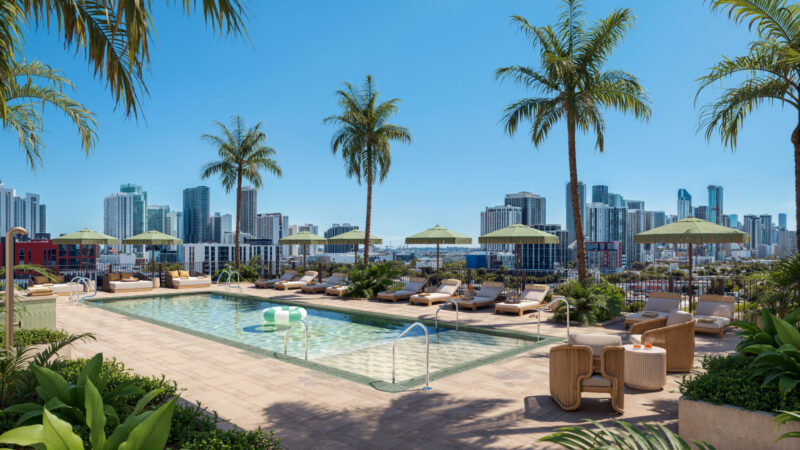
Landmark Projects Defining the MAWD Portfolio
The theoretical framework informing March’s inspirations finds practical application across MAWD’s most significant global commissions. Each project demonstrates the firm’s capacity to translate contextual sensitivity into sophisticated commercial and residential realities.
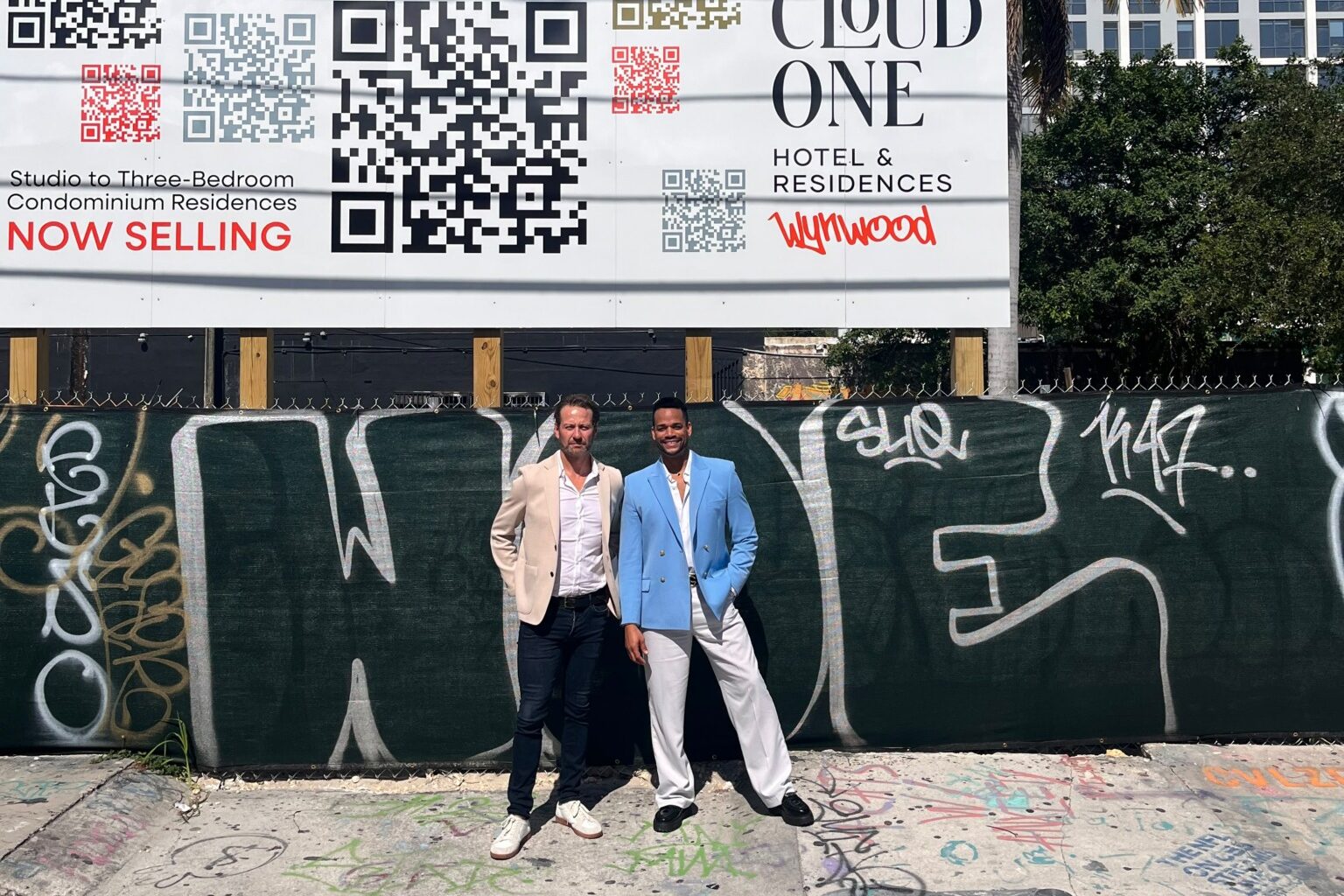
The Cloud One Hotel & Residences Wynwood
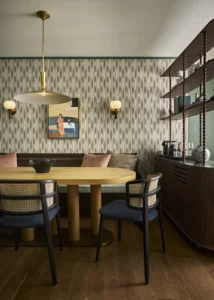
Reflecting the vibrant energy of its Miami locale, this project bridges Wynwood’s industrial heritage with contemporary hospitality. MAWD utilized an earthy palette of exposed concrete, warm white oak, bronze, and abundant greenery. By integrating a specialized art program curated in partnership with Goldman Global Arts, the design establishes a deliberate dialogue between the hyper-charged street culture outside and a serene, restorative interior sanctuary within.
The Greenwich by Rafael Viñoly, New York City
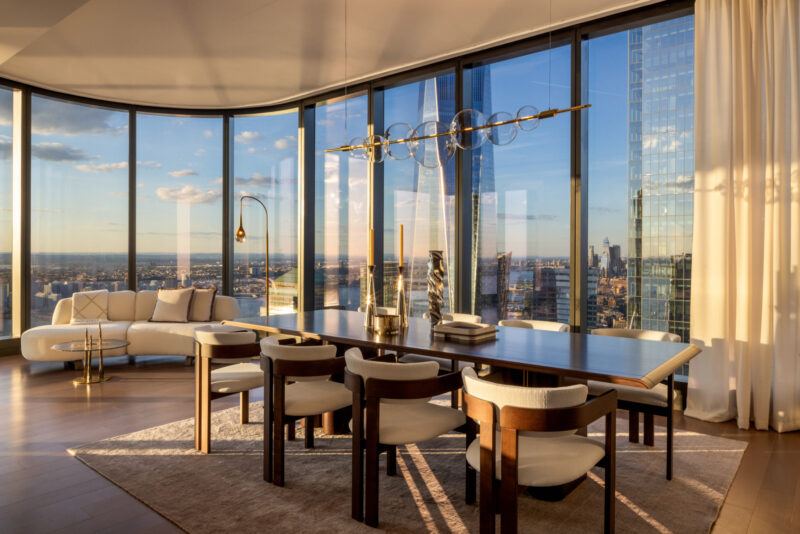
The Greenwich holds immense personal and professional significance for March. Commissioned by the late, visionary architect Rafael Viñoly to design the building’s interiors, the project catalyzed March’s relocation from London to New York and the subsequent establishment of MAWD’s U.S. headquarters. The commission allowed the team to cross-pollinate their expertise in superyacht design with high-end Manhattan residential architecture. A prime example is the reception desk backed by bookmatched Noir Saint Laurent marble, subtly channeling nautical motifs and marking a defining chapter in the firm’s expansion.
Water Street Tampa, Florida
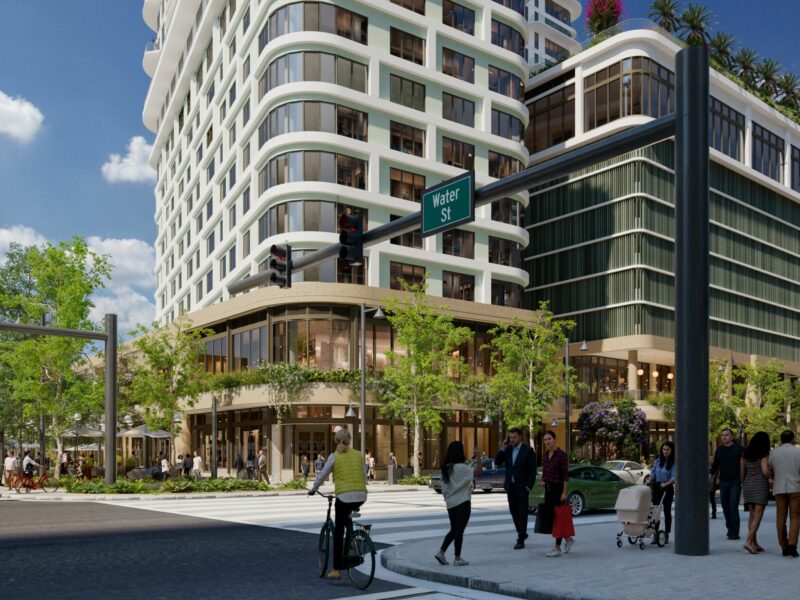
Addressing Tampa’s distinctive tropical climate and indoor-outdoor lifestyle, MAWD’s work on the Water Street residential towers focuses heavily on architectural thresholds, exterior louvers, and shaded courtyards. The regional light and lush coastal landscape granted the design team permission to explore a more expressive palette of color and tactile materials, reinforcing the firm’s adaptability to varied geographic climates.
Edgeworth, West Palm Beach, Florida
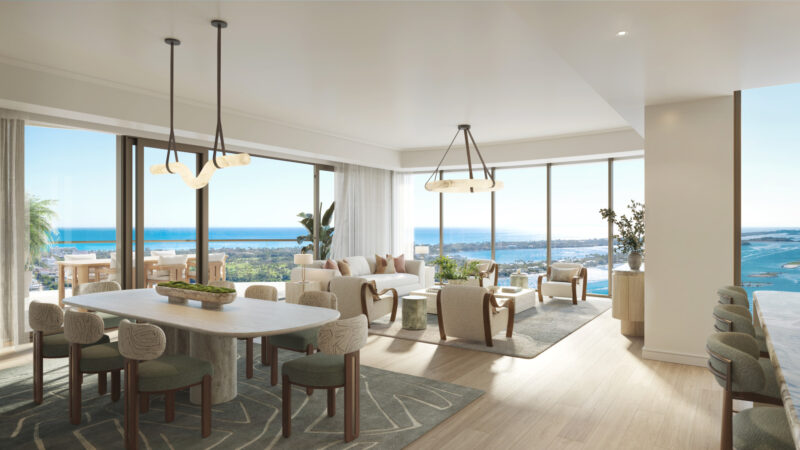
As part of Related Ross’s sweeping revitalization of West Palm Beach into a vibrant year-round urban center, Edgeworth represents a forward-looking residential commission. Working in tandem with architectural firm KPF, MAWD crafted interiors for the waterfront tower that translate the dynamic energy of the evolving city into spaces that feel relaxed, sun-drenched, and intimately connected to the Intracoastal Waterway.
Lantern House, New York City
Collaborating with Heatherwick Studio, MAWD undertook the interior design for Lantern House, a residential development characterized by distinctive, fluid industrial bay windows. MAWD’s intervention focused on tempering the bold exterior architecture by deploying tactile, domestic materials—including warm oak, warm-toned brick, bronze, and stone—to ensure the expansive, light-filled apartments retained a grounded, intimate residential scale.
Broader Industry Implications and Future Outlook
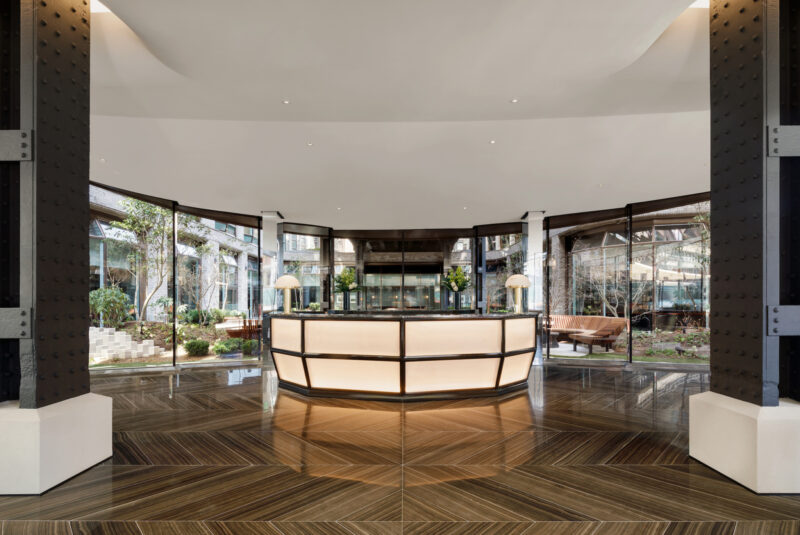
The trajectory of MAWD, as articulated through Elliot March’s design philosophy and recent portfolio milestones, points toward a broader paradigm shift in global architecture and interior design. The industry is increasingly moving away from homogenous, placeless luxury toward a hyper-contextualized approach that prioritizes local history, ecological responsiveness, and narrative depth.
By translating techniques learned from specialized fields—such as the spatial optimization of superyacht design—into high-density urban residential towers and hospitality venues, firms like MAWD are redefining spatial efficiency and tactile luxury. Furthermore, the emphasis on adaptive reuse, regional material sourcing, and community integration signals a maturing market response to environmental and cultural sustainability. As urban centers like Miami, Tampa, and West Palm Beach continue to experience rapid demographic and economic shifts, the demand for architecture that bridges historical legacy with contemporary lifestyle requirements will only intensify. Through a steady commitment to listening to the site before imposing a style, Elliot March and the MAWD team have established a resilient blueprint for the future of global design.