Laura Harrier and Tiffany Howell Launch a Cinematic Home Collection for Crate & Barrel Bridging the Worlds of Film Fashion and Interior Design

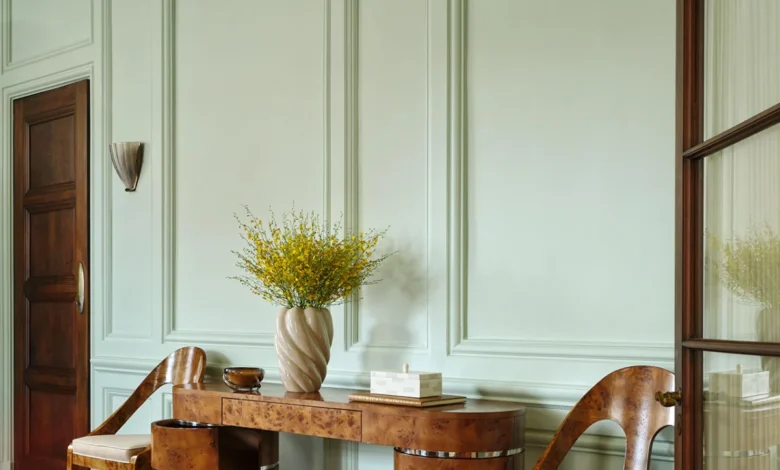
The intersection of celebrity influence, high-fashion aesthetics, and accessible home retail has reached a new pinnacle with the debut of a comprehensive collaboration between actress Laura Harrier, interior designer Tiffany Howell of Night Palm, and the global home furnishing retailer Crate & Barrel. This 87-piece collection, which spans furniture, lighting, textiles, and decorative accessories, marks a departure from traditional product-focused retail partnerships. Instead, it offers a holistic "world-building" approach to interior design, treating the home not merely as a functional space but as a series of cinematic vignettes designed to evoke mood, memory, and narrative.

The partnership represents a strategic move for Crate & Barrel as the company continues to pivot toward design-forward, narrative-driven collections that appeal to a younger, style-conscious demographic. By leveraging the combined expertise of Harrier, a celebrated actress and fashion icon, and Howell, whose design firm Night Palm is known for its moody, music-inspired interiors, the retailer is positioning itself at the center of the "soulful glamour" trend currently dominating the luxury and mid-market design sectors.

The Genesis of a Creative Partnership
The collaboration between Laura Harrier and Tiffany Howell did not begin in a corporate boardroom but rather through a long-standing personal friendship and a shared aesthetic language. Harrier, known for her roles in films such as Spider-Man: Homecoming and BlacKkKlansman, has long been recognized as a tastemaker in the fashion industry. Howell, meanwhile, transitioned from a career in music videos and fashion photography into interior design, founding the Los Angeles-based firm Night Palm.

The duo’s creative process was rooted in a constant exchange of references that transcended interior design. They frequently shared images of vintage cinema, archival fashion photography, and the distinct, moody atmosphere of 1970s design. This shared visual shorthand served as the foundation for the collection. When Crate & Barrel approached the pair, the objective was to translate this ethereal, image-based inspiration into tangible objects that could fit within the framework of a modern home.

Harrier has noted that the process was less about identifying furniture typologies—such as a standard sofa or a side table—and more about translating the "soul" of a photograph or a film still into a physical form. This methodology allowed the collection to bypass conventional design tropes in favor of a more associative and narrative-driven aesthetic.

Design Philosophy: Interiors as Scenes
At the core of the Harrier-Howell for Crate & Barrel collection is the concept of the "cinematic home." This philosophy posits that furniture and decor should act as "actors" within a room, creating a sense of drama and unfolding narrative. The collection avoids the stark, minimalist lines that have dominated the industry for the past decade, opting instead for a "softened glamour" that feels both intentional and lived-in.

The design language of the collection is heavily influenced by the architecture of garments and jewelry. Rather than looking to historical furniture movements alone, the designers drew inspiration from the curve of a couture dress, the structural integrity of a vintage heel, and the glint of a brass cufflink. These elements are reinterpreted through material and scale:

- Upholstery: Silhouettes in the collection often feature cutouts and curves that mimic the tailoring of eveningwear.
- Joinery: Woodwork and metal accents carry the precision and delicacy of fine jewelry detailing.
- Finishes: Lacquered surfaces are designed to recall the high-gloss sheen of vintage accessories, offering a sense of depth and history.
The result is a collection that feels deeply personal and curated, moving away from the "catalog" look toward an environment that feels as though it has been assembled over time.

Materiality, Palette, and Atmosphere
The atmospheric quality of the collection is achieved through a carefully calibrated palette and a selection of rich, tactile materials. The color story is dominated by hues of tobacco, copper, cream, and mint green—colors that evoke the amber glow of Old Hollywood interiors and the specific, golden quality of late-afternoon California light.

The material selection was a critical component in ensuring the collection felt "soulful" rather than mass-produced. Key materials include:

- Burl Wood: Used for its organic, complex grain patterns, providing a sense of 1970s-era luxury.
- Velvet and Grasscloth: These textiles add a layer of tactile richness, absorbing and reflecting light in ways that enhance the "mood" of a room.
- Mouth-Blown Glass: Featured in lighting and decorative objects, the slight irregularities in the glass contribute to the "slightly undone" elegance the designers sought to achieve.
- Brass and Polished Metal: These accents provide a sense of tension and refinement against the softer, organic textures of wood and fabric.
Key Pieces and Functional Narratives
While the collection is high-concept, it remains rooted in the functional requirements of contemporary living. Several "anchor" pieces serve as the focal points of the collaboration, demonstrating how the cinematic vision translates into everyday utility.

The bar cabinet is perhaps the most representative piece of the collection’s ethos. It features generous proportions and high-gloss lacquered surfaces, but its interior is specifically scaled to accommodate a collection of vinyl records. This detail reflects the designers’ belief that a home should facilitate the rituals of gathering, listening to music, and entertaining.

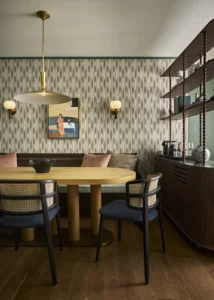
The dining table is another standout, featuring sculptural legs and brass detailing that introduce a sense of architectural tension. The seating elements, including curved chaise lounges and tailored armchairs, provide a balance of comfort and "set-piece" visual impact. Even smaller gestures, such as the curvature of a headboard or the play between upholstery and wood trim, are designed to resist the sterile perfection of modern manufacturing in favor of a more "human" finish.

Industry Context and Market Strategy
The collaboration between Laura Harrier, Tiffany Howell, and Crate & Barrel arrives at a time of significant transition in the home furnishings market. Following the "minimalist" and "Mid-Century Modern" booms, consumers are increasingly seeking "maximalist-lite" or "eclectic" styles that allow for more personal expression.

Data from the interior design industry suggests a growing trend toward "nostalgia-core" and "cinematic interiors." According to recent market reports, searches for "vintage-inspired furniture" and "70s revival decor" have increased by over 40% year-over-year. By tapping into this sentiment, Crate & Barrel is positioning itself to capture a larger share of the "attainable luxury" market.

Furthermore, the "fashion-to-home" pipeline has proven to be a successful strategy for retailers looking to elevate their brand perception. By collaborating with a figure like Harrier, who possesses high-fashion credibility, Crate & Barrel bridges the gap between the runway and the living room. This follows the success of previous collaborations with designers like Athena Calderone, suggesting that Crate & Barrel’s long-term strategy involves a move toward more curated, designer-led offerings.

Chronology of the Collection’s Development
The development of the 87-piece collection followed a rigorous timeline of conceptualization and production:

- Conceptualization (Early 2023): Harrier and Howell began formalizing their shared visual references into a cohesive mood board, focusing on the intersection of 1970s Italian design and archival fashion.
- Design and Prototyping (Mid-2023): Working closely with Crate & Barrel’s in-house design team, the duo translated their sketches and "fragments" (such as jewelry and clothing details) into furniture prototypes.
- Material Sourcing (Late 2023): The team identified specific artisans and manufacturers capable of producing the mouth-blown glass and burl wood veneers required for the collection’s distinct look.
- Refinement (Early 2024): Final adjustments were made to ensure the pieces met Crate & Barrel’s standards for durability and livability without losing their "soulful" character.
- Official Launch (April 2026): The collection debuted globally through Crate & Barrel’s digital platforms and select flagship stores.
Broader Impact and Implications
The Harrier-Howell collection is likely to influence the broader retail landscape by demonstrating that high-concept, narrative-driven design can be produced at scale. For Crate & Barrel, the success of this collection reinforces the value of celebrity partnerships that are rooted in genuine creative synergy rather than mere endorsement.

From a design perspective, the collection signals a move away from the "disposable" furniture trend. By focusing on "soulfulness" and "lived-in elegance," Harrier and Howell are encouraging consumers to view furniture as long-term investments that contribute to the story of their lives. The inclusion of specialized storage for vinyl and thoughtfully designed barware suggests a return to the "home as a social hub," a trend that has seen a resurgence in the post-pandemic era.

As the lines between film, fashion, and interiors continue to blur, this collaboration serves as a blueprint for how brands can create immersive experiences that resonate on an emotional level. It is not just a collection of furniture; it is an invitation to perform the rituals of daily life within a beautifully composed, cinematic frame.

The collection is now available for viewing and purchase, with further details on the design process and Howell’s other works available via her firm’s official website at nightpalm.com. All photography for the launch was provided courtesy of Crate & Barrel, highlighting the collection’s integration into diverse, high-design environments.