Karl Lagerfeld and Pietro Terzini Unite for a Linguistic Capsule Collection for KARL LAGERFELD JEANS

Karl Lagerfeld’s legacy in the fashion industry was never confined to the structural precision of his tailoring or the iconic silhouettes that defined the houses of Chanel, Fendi, and his eponymous label. Rather, it was anchored in his razor-sharp wit and an unparalleled command of language—a tool he wielded with as much intentionality as a pair of shears. Recognizing this enduring facet of the late designer’s persona, the brand KARL LAGERFELD JEANS has partnered with Italian contemporary artist Pietro Terzini to launch a capsule collection that bridges the gap between sartorial design and conceptual linguistics. This collaborative effort, which anchors the Fall/Winter 2026 campaign, marks a strategic evolution for the brand as it seeks to engage a younger, digitally native audience while honoring the intellectual rigor of its founder.
The Genesis of the Collaboration
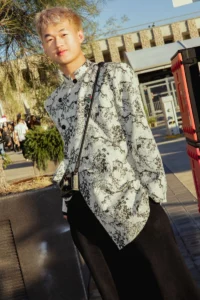
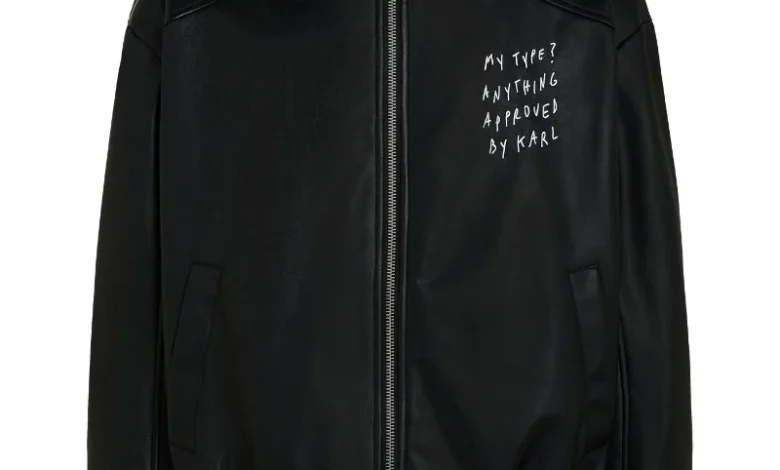
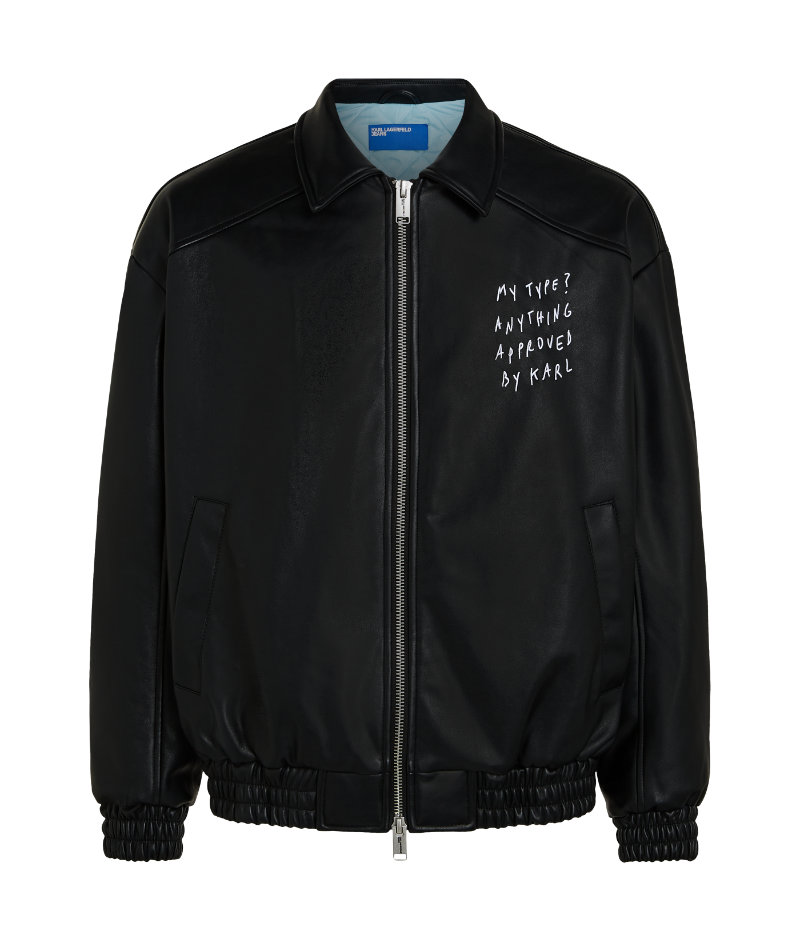
The partnership between the fashion house and Terzini, an artist celebrated for his minimalist, text-heavy interventions in public spaces and social media, is rooted in a shared appreciation for the power of brevity. The collection features four original phrases rendered in Terzini’s distinctive handwriting, applied across a range of ready-to-wear pieces, including oversized T-shirts, premium hoodies, and structured white shirts.
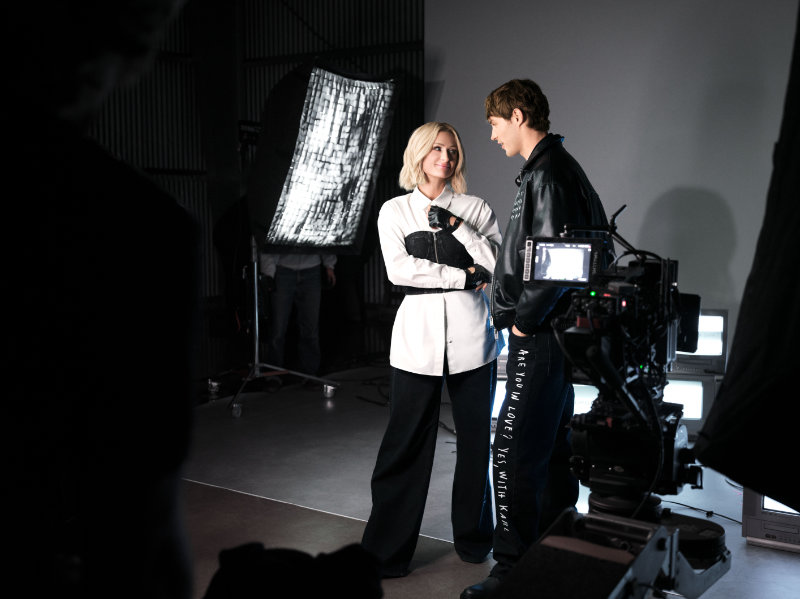
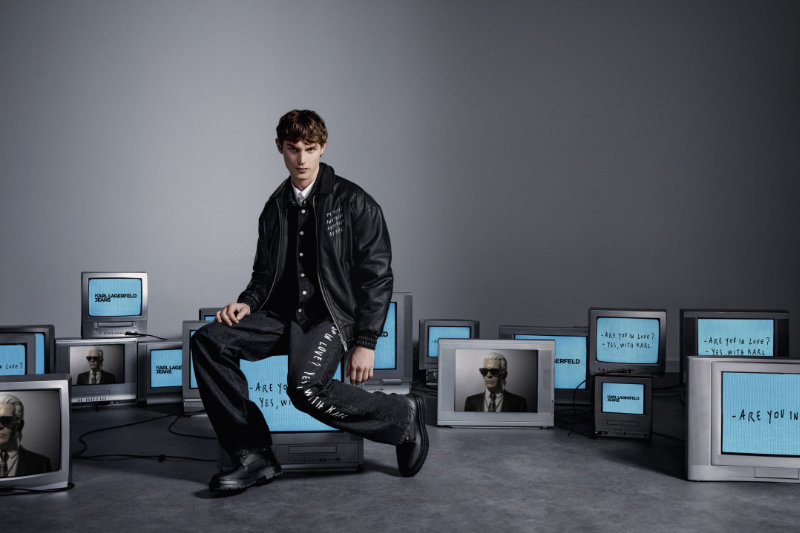
The color palette—a monochromatic foundation of black and white—serves as a visual tribute to Lagerfeld’s signature aesthetic, which remained constant throughout his decades-long career. This backdrop is punctuated by Terzini’s signature light blue, used for labeling and subtle design accents, creating a visual bridge between the two creative identities. The campaign, which provides a high-profile launch platform for the collection, features socialite and entrepreneur Paris Hilton alongside model Kit Butler, signaling a deliberate blend of heritage luxury and contemporary celebrity culture.
A Chronology of the Project
The development of the collection followed an iterative process that spanned several months of creative exchange. According to insights from the design team, the project began with an extensive audit of Lagerfeld’s archival quotes and the brand’s current visual identity.
- Phase 1: Conceptualization (Early 2026): The design team and Terzini initiated a dialogue centered on the role of language in modern fashion. Unlike traditional collaborations that rely on graphic prints or logo-heavy branding, this project prioritized the syntax of the garments.
- Phase 2: Linguistic Curation: Terzini spent weeks reviewing the literature surrounding Lagerfeld’s life and work, eventually moving away from existing quotes to create original phrases that channeled the designer’s signature irony and provocative spirit.
- Phase 3: Integration and Prototyping: The transition from paper to textile involved testing how Terzini’s handwriting would translate onto denim and cotton jersey. The inclusion of his signature light blue was a late-stage decision to distinguish the collaboration from the brand’s mainline collections.
- Phase 4: Global Campaign Launch (September 2026): With the official release scheduled for September 15, the brand initiated a multi-channel campaign featuring high-concept photography by Matt Easton and John Jay, positioning the clothing as both wearable art and a statement piece.
Analytical Perspective on the Collection
From an industry standpoint, the KARL LAGERFELD x Pietro Terzini capsule represents a shift toward "narrative-driven fashion." In an era where digital consumption often flattens the depth of a brand’s history, this collection attempts to re-center the intellectual contribution of the founder.
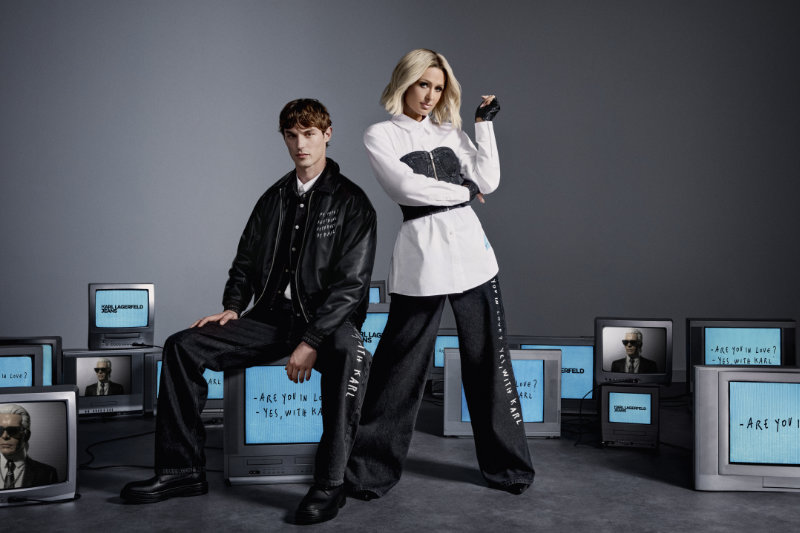
Data from the luxury retail sector indicates that younger demographics—specifically Gen Z and younger Millennials—increasingly gravitate toward items that offer a sense of "insider" knowledge or conceptual depth. By utilizing Terzini, who has built a massive following through his ironic, bite-sized commentary on social media, the brand is effectively leveraging a "language-first" marketing strategy. The use of phrases like "Choose me or you lose me" acts as a social signal, transforming the garment from a functional item into a conversational prompt.
Official Statements and Brand Strategy
Hun Kim, the Creative Director of KARL LAGERFELD, emphasized that the collaboration is not merely an aesthetic exercise but an attempt to preserve the designer’s intellectual spirit. "Language was always central to Karl’s identity," Kim noted in a briefing regarding the release. "His words were as recognizable as his silhouette and continue to resonate today. Through this collaboration with Pietro, we wanted to celebrate that legacy in a way that feels authentic to his, and our, future."
For Terzini, the project presented a unique challenge: balancing his own artistic voice with the weight of one of the most recognizable names in fashion history. "I read a book that collected some of his best quotes, and they were so perfect that I honestly wished I could use those," Terzini shared during the design process. "We decided to create original ones, while still keeping the spirit of his words. It was about distilling real life and human experience into simple, powerful words—something Karl did better than anyone."
Implications for the Denim Category
Designing for the KARL LAGERFELD JEANS line posed specific considerations. Unlike high-fashion couture, which often demands exclusivity and fragile materials, the denim category necessitates a balance of durability, comfort, and mass appeal. Terzini observed that his creative process was surprisingly unconstrained. The denim provided a "neutral canvas" that allowed the text-based elements to function as the primary design feature.
This approach aligns with current market trends favoring "elevated basics." As the global denim market continues to grow—projected to reach valuations in the hundreds of billions by 2030—brands are increasingly looking to differentiate their denim lines through limited-edition collaborations rather than structural changes to the cut of the fabric.
The Role of Irony in Contemporary Fashion
The success of this collaboration may well rest on the inclusion of humor and irony—a deliberate strategy employed by Terzini to mirror Lagerfeld’s own penchant for controversial or witty commentary. In a digital-first landscape, where brands are often criticized for taking themselves too seriously, the infusion of irony acts as a defensive and engaging mechanism.
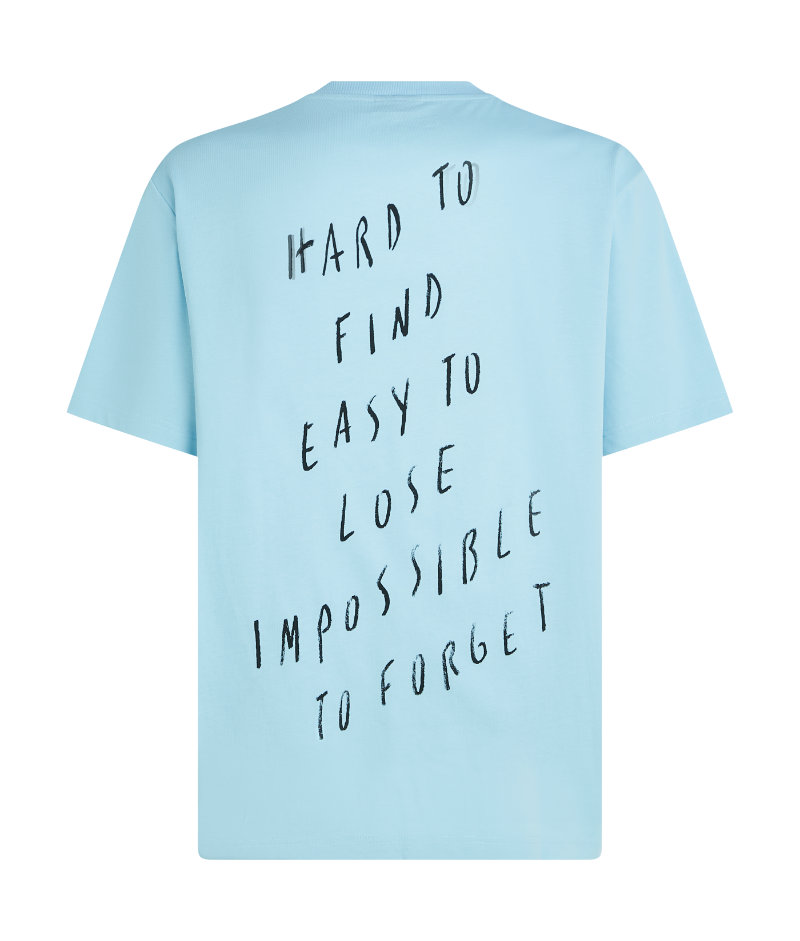
Terzini argues that irony encourages a critical view of everyday situations, making the fashion experience more inclusive. "There’s something deeply human about that, especially in a world that is becoming increasingly digital," he noted. By embedding this tone into the garments, the brand effectively lowers the barrier to entry, inviting consumers to participate in a cultural conversation rather than simply purchasing a product.
The Broader Legacy of the Lagerfeld Name
This collection also highlights the ongoing challenge for the KARL LAGERFELD brand: maintaining relevance in the absence of its namesake. Since Lagerfeld’s passing in 2019, the brand has navigated a path of transition, relying on a mix of archival respect and contemporary partnerships. The collaboration with Terzini serves as a case study for how a "legacy brand" can evolve without alienating its core customer base.
By framing the collaboration around language, the brand is effectively pivoting from being a house that sells clothes designed by a specific man to a house that curates a specific, highly intellectualized lifestyle. This is a crucial distinction for long-term brand equity, ensuring that the name remains synonymous with innovation and wit rather than just nostalgia.
Availability and Market Impact
The KARL LAGERFELD x Pietro Terzini capsule is set for a worldwide release on September 15. The distribution strategy is comprehensive, covering all proprietary KARL LAGERFELD boutiques, the official e-commerce platform, and a curated selection of global wholesale partners.
As the industry monitors the reception of the capsule, analysts will be looking to see if the "text-on-apparel" trend continues to command premium pricing. Early projections suggest that the collection’s reliance on Terzini’s established artistic profile will drive significant engagement on social platforms, potentially making it one of the brand’s most successful seasonal launches. The combination of high-profile talent, a clear conceptual hook, and the strategic use of limited-edition branding positions this capsule as a vital marker in the brand’s 2026 trajectory.
In conclusion, the collaboration represents a convergence of historical reverence and modern artistic expression. By focusing on the "language" of Karl Lagerfeld, the brand has managed to produce a collection that feels both nostalgic and forward-thinking. Whether this project succeeds in capturing the elusive attention of the contemporary consumer remains to be seen, but as a testament to the power of words in fashion, it establishes a new benchmark for how legacy labels can engage with the creative zeitgeist.