From Dining Room to Digital Showcase: A Homegrown Approach to High-Quality Product Videography

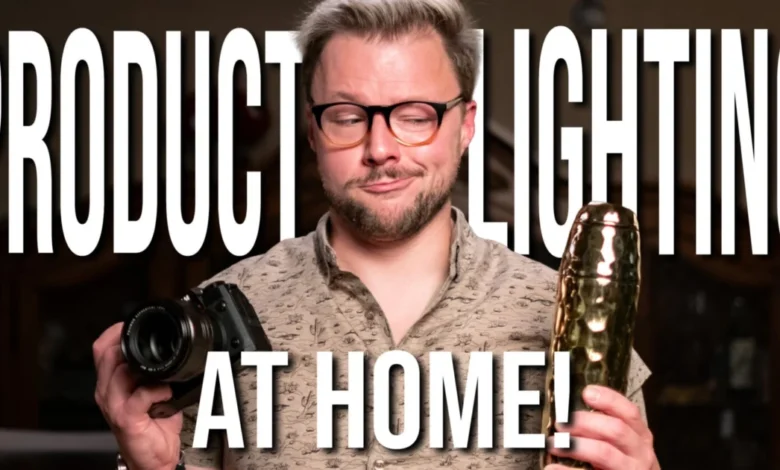
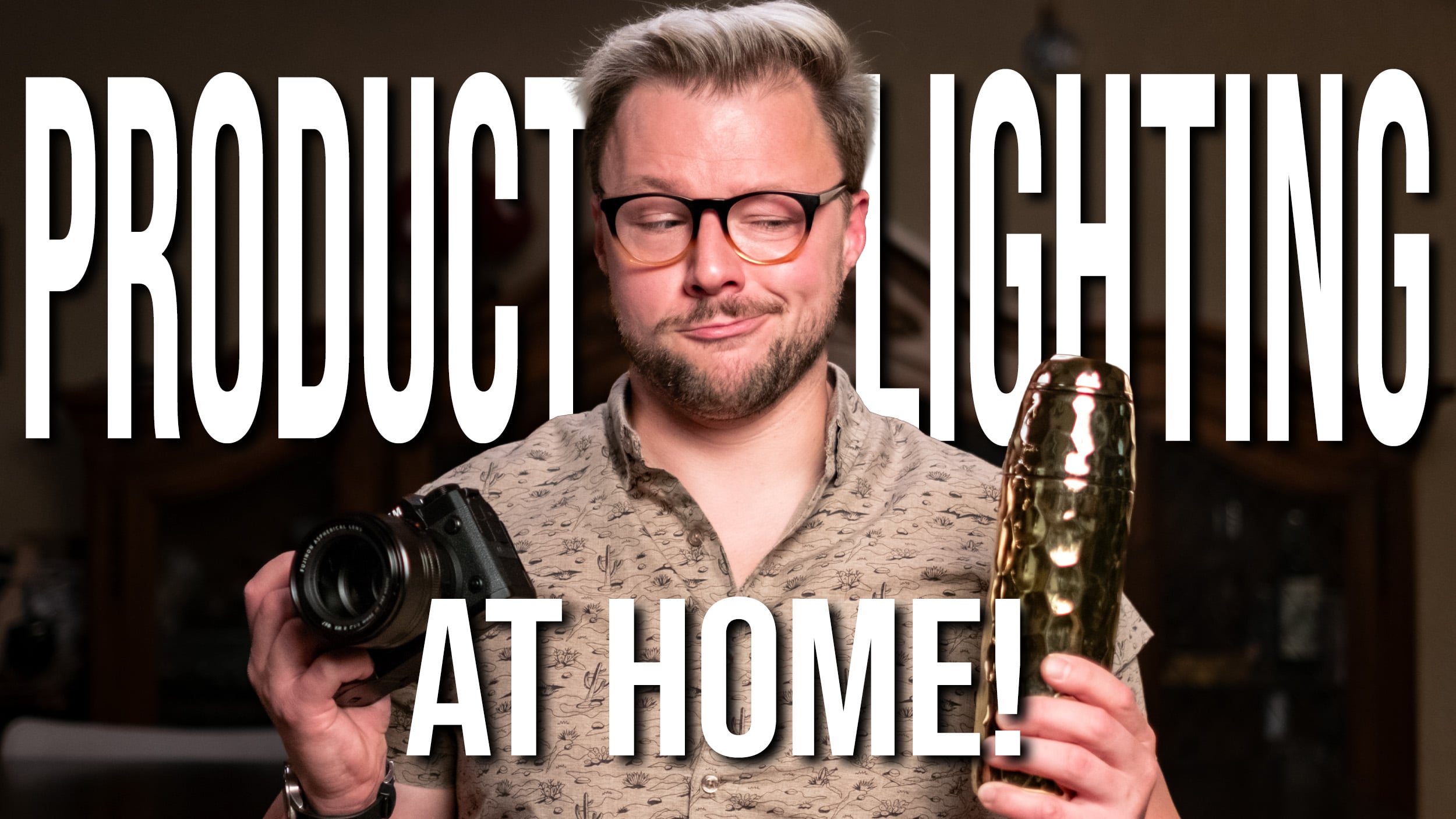
Recently, a notable culinary brand approached a content creator, known for their visual storytelling capabilities, with an unusual request: to provide feedback on an unreleased cocktail shaker. Instead of a standard survey, the creator proposed a more dynamic approach, opting to produce a promotional video for the product from the confines of their home dining room. This initiative highlights a growing trend in product marketing, where brands are increasingly leveraging creative, resource-efficient methods to generate compelling visual content, often bypassing traditional studio environments. The project, which commenced with the receipt of the product and concluded with the delivery of a polished promotional video, underscores the adaptability of modern content creation techniques and the potential for high-quality output without extensive resources.
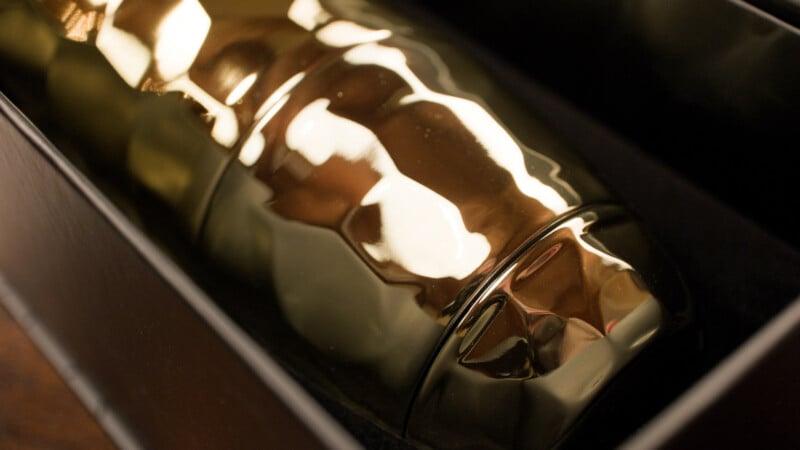
The challenge presented by the cocktail shaker was its inherently reflective, faceted gold design. This characteristic demanded a meticulous approach to lighting, a fundamental element in product photography and videography, particularly when dealing with metallic surfaces. The creator’s objective was to transform a domestic setting into a functional production space, demonstrating that professional-grade results are achievable with strategic planning and readily available equipment. The process involved not only technical execution but also a creative reinterpretation of the typical product showcase, moving beyond a simple product review to a comprehensive visual marketing piece.
Mastering the Art of Light Control in a Home Studio
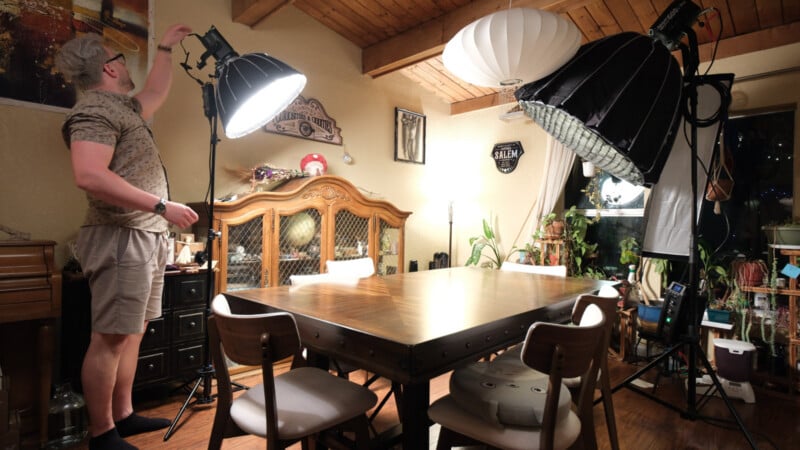
The initial phase of the project focused on establishing a controlled lighting environment. The creator acknowledged that shooting during daylight hours presented significant challenges due to uncontrolled ambient light spilling from windows, which could compromise the desired aesthetic and color balance. To overcome this, a deliberate effort was made to achieve a near-total blackout of the primary shooting area. This involved blacking out a main window and drawing curtains on another, a practical solution for minimizing external light interference. The creator noted that achieving a complete blackout was less critical than ensuring their own controlled light sources would overpower any residual ambient light, allowing for precise manipulation of color temperature and intensity.
"Ideally, I’d shoot at night to avoid daylight spilling in from every direction," the creator explained, "but I don’t have that kind of time in the evenings as the father of a young child. So, I relied on Plan B. I blacked out the main window and drew the curtains on the one at the far end of the room, getting me pretty close to a full blackout. In this case, close-enough is good enough since my lights would overpower whatever ambient light is left." This pragmatic approach underscores the importance of adaptability in content creation, especially for individuals balancing professional commitments with personal responsibilities.
The chosen lighting setup involved a key light, identified as an Aputure 600 Bicolor LED, fitted with a medium dome softbox. This light was positioned to illuminate the cocktail preparation area where the creator would be positioned. Crucially, a grid was added to the softbox. Grids are essential accessories in professional lighting that narrow the beam of light and significantly control light spill, preventing it from falling onto unwanted surfaces and creating harsh reflections.
To further sculpt the product’s appearance and add depth, two edge lights were employed. A Nanlite 150, equipped with a small circular dome softbox, served as one edge light. A second Nanlite 150, paired with a narrow Godox softbox, was utilized for the opposite side. The choice of a narrow softbox is often strategic for creating defined highlights and separating the subject from the background in tight shooting spaces. Similar to the key light, grids were also attached to these edge lights. This meticulous application of grids on all light sources highlights a commitment to sophisticated light shaping, ensuring that every highlight and shadow contributed to the overall visual narrative without introducing unwanted flare or diffusion. The creator’s ability to adjust the color temperature of the bicolor LEDs to approximately 2,700 to 2,900 Kelvin also demonstrates a keen understanding of how to complement the warm tones of the dining room environment, further enhancing the product’s aesthetic appeal.
Injecting Dynamics: The Role of Movement in Product Videography
Beyond static shots, the creator recognized that product videography thrives on motion. While tripods are fundamental for stability, the true engagement often comes from dynamic camera movements. The project incorporated a variety of techniques to imbue the video with visual interest and convey the product’s functionality and elegance.
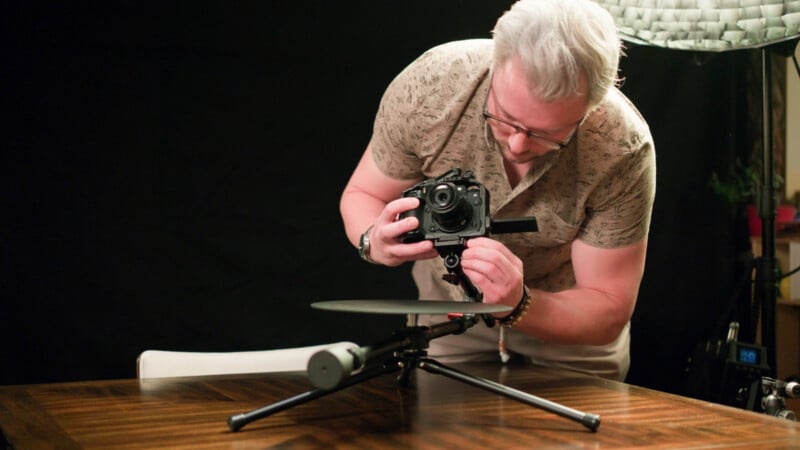
A motorized 30-inch slider was employed for smooth, controlled push-in shots, a common technique to draw the viewer’s attention progressively towards the product. However, the creator sought to go beyond conventional movements, particularly for cylindrical items like the cocktail shaker and glasses. To capture the intricate reflections and the product’s form from all angles, a small turntable was introduced. This device allowed the camera to remain stationary while the product rotated, creating a seamless circular motion that showcased the shaker’s design from every perspective. This approach is particularly effective for highly polished or metallic products, as it allows for controlled observation of how light interacts with different facets of the object.
"For cylindrical products like a shaker and a cocktail glass, I wanted to spin around it and catch the reflections bouncing," the creator stated, highlighting the specific challenge and the innovative solution. "So, I picked up a small turntable that allowed me to keep focus on the product the entire time while spinning around it." This method is crucial for maintaining sharp focus on the subject as it moves, a common concern in videography.
Tripod shots also played a vital role in capturing macro details. The creator focused on capturing close-ups of essential cocktail preparation elements, such as a lemon being squeezed into a drink and the precise slicing of citrus garnishes. The success of these shots hinged on achieving the correct manual focus and ensuring all action occurred within that defined focal plane, a testament to the precision required in product videography.
Overhead shots, achieved by mounting the camera on the tripod and positioning it directly above the subject, provided an alternative perspective, adding another layer of visual information and design emphasis. This technique is particularly useful for showcasing the assembly of ingredients or the final presentation of a cocktail.
The turntable proved instrumental in generating dynamic footage. By setting the shaker on the turntable and pre-determining focus points, multiple takes were executed, capturing the product in motion. The decision to shoot at 120 frames per second (fps) was a strategic choice, offering significant flexibility in post-production. High frame rates enable the creation of smooth slow-motion effects, which can add a dramatic flair to actions like pouring liquids or the gentle rotation of the shaker, enhancing the perceived quality and sophistication of the final video.
The creator also pushed the boundaries of a seemingly simple tool: the slider. To achieve a visually striking effect of a "razor blade gliding across the plastic packaging," the camera was kept static, and the packaging was placed on the slider. This clever inversion of movement created the illusion that the camera was tracking the blade, when in reality, only the product was in motion. This technique is a prime example of creative problem-solving in videography, demonstrating how a limited setup can yield sophisticated visual results through unconventional application of equipment.
The Broader Implications: Democratizing High-Quality Product Content
The success of this project, executed with limited equipment and within a constrained home environment, carries significant implications for the broader landscape of product marketing and content creation. The creator’s assertion that "you don’t need a studio to shoot product work" resonates with a growing demand for accessible, high-quality visual content across industries.
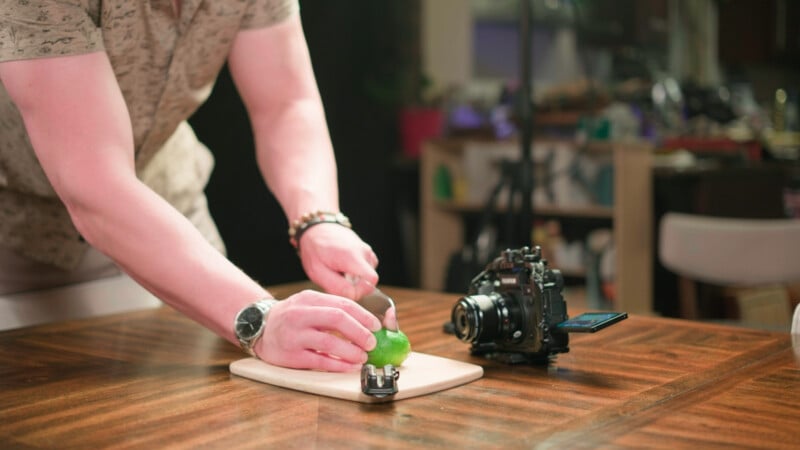
The ability to achieve professional-looking results from a domestic setting suggests a democratization of product videography. Brands, particularly small to medium-sized enterprises (SMEs) and independent creators, can now envision producing compelling promotional materials without the prohibitive costs associated with traditional studio rentals and extensive equipment. This shift empowers a wider range of individuals and businesses to compete in the visual marketing arena.
The creator’s emphasis on controlling light, incorporating motion, and devising unique setups with existing gear serves as a valuable blueprint. It highlights that technical expertise, combined with creative ingenuity, can often substitute for high-end infrastructure. This approach is particularly relevant in an era where digital content consumption is at an all-time high, and the demand for visually engaging product presentations continues to grow. Statistics from industry reports indicate that video content can significantly boost engagement and conversion rates; for example, a study by Wyzowl found that 96% of consumers have watched an explainer video to learn more about a product or service, and 84% of people say that watching a video has convinced them to buy a product. The ability to produce such videos efficiently and affordably, as demonstrated by this project, directly addresses this market need.
The underlying message from this initiative is one of encouragement for creators to continuously challenge themselves and to avoid self-imposed limitations. By focusing on controllable elements like lighting and movement, and by embracing innovative application of available tools, it is possible to achieve surprisingly effective visual outcomes. This philosophy not only applies to product videography but also to various forms of visual content creation, fostering a culture of innovation and resourcefulness in the digital age. The brand that commissioned this work likely benefits from a uniquely authentic and relatable promotional piece, crafted with a personal touch that can resonate strongly with consumers, further solidifying the value of such home-grown, creative endeavors in the modern marketing ecosystem.