Kelli Donovan: Pioneering Sustainable Fashion from Australia’s Bush Capital to Global Ocean Conservation Efforts

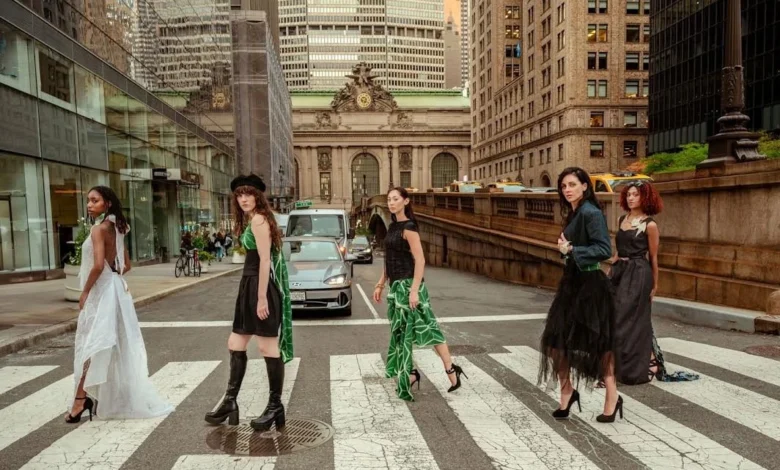
Australian designer Kelli Donovan has spent three decades at the forefront of the sustainable fashion movement, establishing a brand rooted in timeless design, ethical production, and a profound respect for the natural world. Her journey, shaped by the pristine landscapes of her Australian upbringing and the enduring legacy of her tailor grandmother, offers a compelling blueprint for how the fashion industry can pivot towards a more responsible future. Donovan’s work stands as a testament to the power of thoughtful design in an era increasingly defined by rapid consumption and environmental degradation.
An Australian Genesis: Nature as Muse
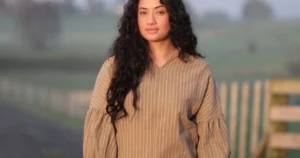
Born and raised in Australia’s countryside, specifically Canberra, often dubbed the "bush capital," Kelli Donovan developed an intrinsic connection to the environment from a young age. Her childhood was spent immersed in bushwalking, camping, and exploring the mountains and diverse landscapes surrounding her home. This early exposure to nature, coupled with a upbringing in a creative and artistic family, cultivated a deep appreciation for the beauty of the world and a keen awareness of its fragility. It was this profound connection that later fueled her dismay at the fashion industry’s unsustainable practices and its blatant disregard for ecological impact. The scenic vistas and vibrant ecosystems of Australia became not just a backdrop to her life, but a foundational influence on her design aesthetic, imbuing her creations with an organic sensibility and an echo of the natural world.
Donovan recounts how Canberra’s unique blend of urban living amidst expansive natural bushland fostered a strong culture of outdoor activity. This lifestyle, characterized by a daily interaction with nature, solidified her passion for the Australian landscape and culture, directly shaping the design philosophy that would define her career. Her early experiences laid the groundwork for a vision that sought to merge artistic expression with environmental stewardship, creating garments that not only looked good but also told a story of conscious creation.
The Enduring Legacy of Annie Muir: Craftsmanship and Purpose
Beyond the influence of nature, Kelli Donovan’s creative journey was profoundly shaped by her grandmother, Annie Muir. A Scottish tailor from Glasgow, Annie instilled in young Kelli the core values of meticulous craftsmanship, purposeful creation, and an unwavering commitment to quality. Though Annie passed away when Kelli was only 11, her lessons resonated deeply. Kelli vividly recalls her grandmother’s adage: "There is no point wasting her time and skills on a piece of cheap cloth and making something beautiful." This philosophy dictated that only the finest textiles were worthy of her grandmother’s skilled hands, ensuring every stitch was meaningful and every garment built to last.
This emphasis on longevity and quality stands in stark contrast to the prevailing fast fashion model of today. Annie Muir’s approach predated the modern sustainable fashion movement by decades, yet her principles align perfectly with its core tenets: choose high-quality materials, design for durability, and imbue each piece with value. Donovan attributes much of her brand’s ethos to this early influence, believing her grandmother’s spirit continues to guide her journey, advocating for a return to thoughtful production and consumer appreciation for lasting garments. This personal history underscores a critical aspect of sustainable fashion: it’s not merely about new technologies, but often about revisiting traditional practices of quality and care that have been lost in the pursuit of speed and cost reduction.
The Scourge of Fast Fashion and the Rise of Sustainable Alternatives
Donovan’s career spans over 30 years, a period during which the fashion industry underwent radical transformation. The advent of "fast fashion," characterized by rapid trend cycles, low prices, and mass production, dramatically increased textile consumption and waste. Globally, the industry is responsible for significant environmental damage, including extensive water usage, chemical pollution from dyes and finishes, and substantial greenhouse gas emissions. According to the United Nations Environment Programme (UNEP), the fashion industry is the second-largest consumer of water globally, and produces 10% of global carbon emissions – more than all international flights and maritime shipping combined. Furthermore, a staggering 85% of textiles end up in landfills each year, with much of this material being synthetic and non-biodegradable. In Australia alone, an estimated 500,000 tonnes of textiles and leather end up in landfill annually.
It was this growing environmental crisis that solidified Donovan’s resolve to create a fashion brand that offered a viable, ethical alternative. Her brand, built on principles of timeless design and high-quality, sustainable materials, represents a deliberate rejection of the disposable fashion paradigm. By focusing on garments meant to be cherished and worn for years, Donovan directly counters the culture of rapid obsolescence that defines much of the modern fashion landscape. The shift towards sustainable fashion, once a niche concern, has gained significant momentum in recent years. Market research indicates a growing consumer demand for ethical and eco-friendly products, with the global sustainable fashion market projected to reach hundreds of billions of dollars in the coming decade. This trend is driven by increased environmental awareness, social media activism, and a desire for transparency from brands.
Design Philosophy: Timelessness, Ethics, and Environmental Statements
Kelli Donovan’s approach to design is inherently linked to her sustainability mission. She champions timeless and chic designs that transcend fleeting trends, ensuring her creations remain relevant and desirable season after season. This focus on longevity is a core pillar of sustainable fashion, as it reduces the need for frequent purchases and minimizes waste. Her brand prioritizes high-quality, sustainable materials, often sourced with a keen eye on their environmental footprint and ethical production standards. This includes exploring options like organic cotton, linen, Tencel, and recycled fabrics, minimizing reliance on resource-intensive or chemically harmful alternatives.
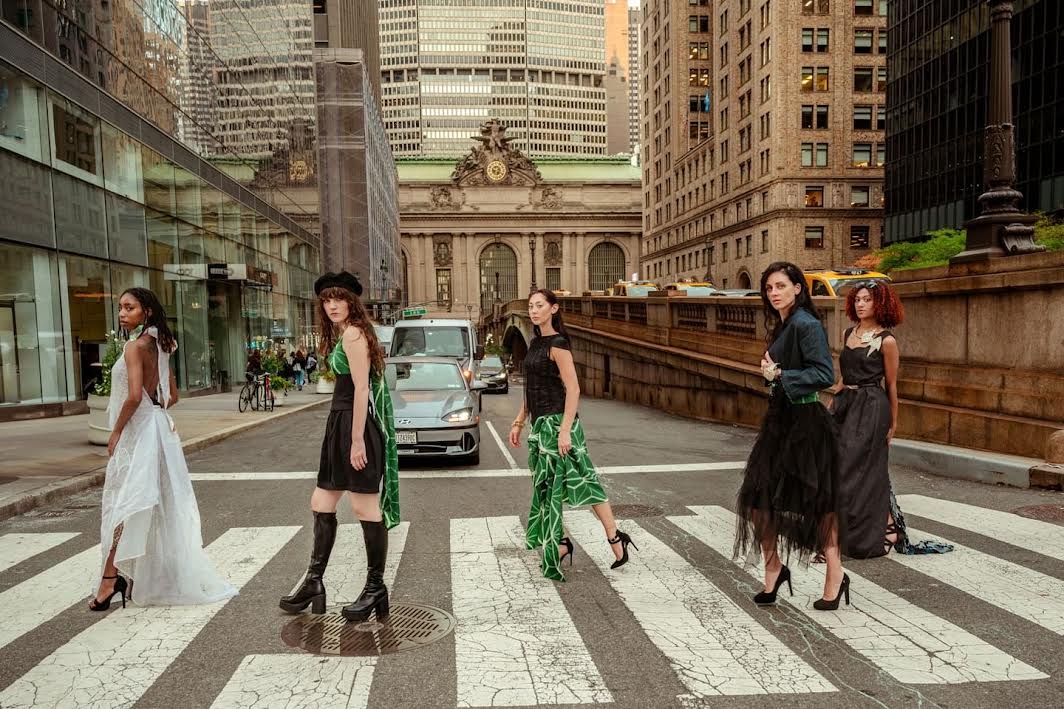
Her collections often serve as powerful environmental statements. A notable example is her "Sleeping Beauties" collection. While its name coincidentally echoed the 2024 Met Museum Costume Institute exhibition "Sleeping Beauties: Reawakening Fashion," Donovan’s inspiration stemmed purely from an environmental stance. The Met’s exhibit aimed to "reawaken" fragile historical garments through technology and celebrate ephemeral beauty, but Donovan’s "Sleeping Beauties" spoke to a different, more urgent message: the vast oversupply of clothing and the quiet crisis of textile waste. Her collection quietly, yet strongly, critiques the industry’s excessive production, urging consumers and producers alike to reflect on the immense volume of unworn or quickly discarded garments that lie dormant in closets or landfills. This thoughtful juxtaposition highlights the multifaceted nature of fashion’s relationship with time – from preserving historical artifacts to confronting contemporary waste.
The Manta Ray Collection: A Call for Ocean Conservation
Perhaps one of Donovan’s most poignant collections is the "Manta Ray" collection, directly inspired by ocean conservation efforts and the majestic creature after which it is named. This collection serves as a powerful educational tool, linking fashion choices to the health of marine ecosystems. Donovan’s passion for this cause stems from the growing threat of textile and plastic waste polluting the world’s oceans.
Manta rays, particularly the Giant Manta Ray found in Australian waters and globally, are gentle giants that feed purely on plankton. They symbolize purity and grace, gliding through the oceans without harming their environment or other creatures. Donovan chose this creature as her muse to draw a stark contrast with the destructive impact of ultra-fast fashion. The mass production inherent in fast fashion contributes significantly to ocean pollution through several mechanisms:
- Textile Waste: Unsold or quickly discarded garments end up in landfills, from which chemicals and microfibers can leach into waterways and ultimately the oceans.
- Synthetic Fabrics: A large proportion of fast fashion garments are made from synthetic materials like polyester, nylon, and acrylic. Washing these garments releases microplastic fibers into wastewater, which often bypass filtration systems and enter marine environments. These microplastics are ingested by marine life, entering the food chain and posing risks to ecosystems and human health.
- Dye Pollution: The dyeing processes for textiles are highly water-intensive and often release toxic chemicals into rivers and oceans, harming aquatic life and human communities.
The "Manta Ray" collection, therefore, is more than just clothing; it is a narrative woven with a purpose. It seeks to educate viewers and consumers about the broader issue of ocean pollution and empower them to make small, yet significant, differences in their clothing purchases. By highlighting the vulnerability of creatures like the manta ray, Donovan underscores the interconnectedness of human consumption patterns and ecological well-being. Conservation organizations worldwide continually raise alarms about the impact of plastic pollution on marine life, and Donovan’s collection brings this critical message directly into the realm of fashion.
Guidance for the Next Generation of Sustainable Designers
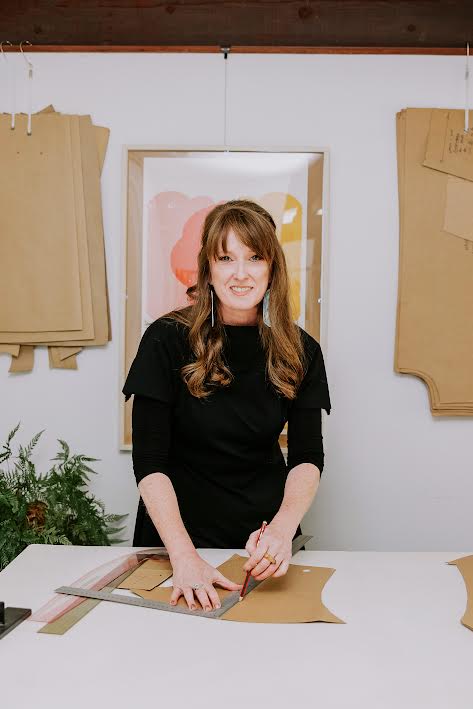
With three decades of experience navigating the evolving landscape of the fashion industry, Kelli Donovan offers invaluable advice to young designers aspiring to enter the sustainable fashion space. She encourages them to approach their early years with boundless creativity and inventive spirit, emphasizing experimentation with design, textiles, and waste reduction techniques. Her philosophy is that the more designers learn to innovate and challenge conventional practices, the stronger their unique aesthetic will become.
Crucially, Donovan advises against merely following trends. Instead, she urges young designers to "find their unique superpower"—a distinct voice, an innovative approach, or a specific cause that drives their work. This counsel is particularly pertinent in a saturated market where genuine differentiation is key. Sustainable fashion is not a passing fad but a fundamental shift, demanding authentic commitment and creative solutions rather than superficial greenwashing. This shift requires designers to think holistically about the entire lifecycle of a garment, from material sourcing and production to consumer use and eventual disposal or recycling. It challenges them to consider circular design principles, where products are designed for durability, repair, and eventual reuse or recycling, minimizing waste and maximizing resource efficiency.
The Broader Implications and Future Outlook
Kelli Donovan’s career serves as a powerful exemplar for both consumers and aspiring fashion professionals. Her work illuminates how seemingly innocuous acts, such as buying a piece of clothing, can have profound environmental and social consequences. She encourages consumers, particularly younger generations, to be more discerning about where and how they spend their money, fostering a culture of conscious consumption. This involves asking critical questions about a garment’s origin, its materials, and the labor practices involved in its creation. The growing transparency movement in fashion, driven by consumer demand and technological advancements, is making it easier for individuals to make informed choices.
For young designers and burgeoning labels, Donovan’s methodology provides a practical framework for building an ethical brand. This includes adopting zero-waste design principles, where patterns are cut to minimize fabric scraps, or scraps are repurposed into new designs. It necessitates prioritizing sustainable materials, such as those with certified organic or recycled content, or innovative bio-based alternatives. Most importantly, it champions designing for longevity, creating pieces that are not only beautiful but also durable, repairable, and timeless, thereby extending their lifespan and reducing their environmental footprint.
The future of the fashion industry hinges on the widespread adoption of these practices. Pioneers like Kelli Donovan have demonstrated that commercial success and ethical responsibility are not mutually exclusive but can, in fact, be mutually reinforcing. As climate change pressures intensify and consumer awareness grows, the demand for genuinely sustainable and ethical fashion will only continue to rise. The next generation of designers stands at a critical juncture, with the opportunity and responsibility to redefine fashion not as a source of environmental burden, but as a catalyst for positive change. Kelli Donovan is not just a designer; she is a trailblazer, illuminating a path towards a more conscientious and sustainable future for fashion, proving that true style can indeed be sustainable.