Kimora Lee Simmons Orchestrates High-Flying Y2K Revival With True Religion and Baby Phat Collaboration Debut in Van Nuys

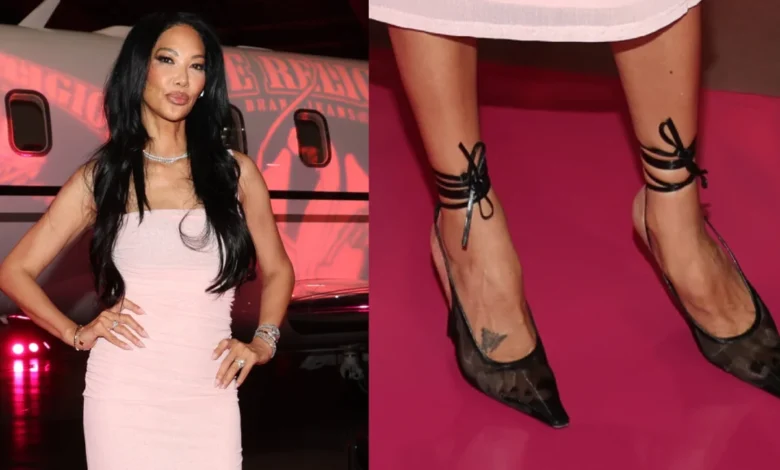
Fashion history met modern-day experiential marketing on Tuesday, October 27, 2026, as iconic designer and mogul Kimora Lee welcomed an elite crowd of celebrities, influencers, and industry insiders to Van Nuys, California. The occasion was the high-octane debut of the very first collaborative collection between denim staple True Religion and the legendary Y2K streetwear powerhouse Baby Phat. Staged against the dramatic backdrop of a chartered Silver Air Private Jet, the runway presentation served as a masterclass in nostalgic branding, blending the signature aesthetics of both labels into a cohesive, pink-drenched spectacle that immediately captured the attention of the global fashion community.
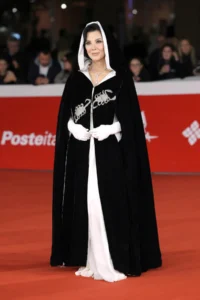
The venue selection set an unapologetically opulent tone. Imbued with the signature maximalist spirit that defined early 2000s fashion, the tarmac event featured vibrant hot pink lighting cascades, matching runway installations, and branding elements that paid homage to the golden era of celebrity-driven streetwear. True to form, Kimora Lee commanded the spotlight in a strapless baby pink minidress, expertly juxtaposed with cutting-edge contemporary accessories. She anchored her look with the widely discussed Saint Laurent Oxalis 110 Mesh Slingbacks in black. These architectural heels—featuring semi-sheer mesh, delicate leather vamp trims, and precision-tied ankle straps—demonstrated how foundational Y2K motifs can be successfully elevated through luxury footwear design. Featuring an elongated pointed toe, a modern square tip, and a striking 4.3-inch flared geometric stiletto, the footwear choice underscored the night’s broader theme: bridging the gap between retro nostalgia and modern sophistication.
A History of Streetwear Supremacy
To fully understand the significance of the True Religion and Baby Phat collaboration, one must examine the profound cultural footprint left by Kimora Lee when she officially launched Baby Phat in 1999. Originally conceived as a women’s streetwear extension of Russell Simmons’ Phat Farm, Baby Phat quickly transcended its origins to become a defining cultural phenomenon. At the turn of the millennium, the brand’s iconic cat logo, crystal-encrusted hardware, and curve-hugging silhouettes became ubiquitous, worn by the era’s biggest musical artists, models, and trendsetters.

In the decades that followed, Baby Phat cemented a legacy that proved resilient against shifting cyclical trends. The recent resurgence of Y2K fashion—driven largely by Gen Z consumers discovering early-2000s aesthetics through digital platforms like TikTok and Instagram—created a fertile market for a revival. By partnering with True Religion, a brand similarly synonymous with the definitive denim cuts of the 2000s, Baby Phat positioned itself to capture both nostalgic millennials and trend-conscious younger demographics.
Chronology of the Partnership and Launch
The road to the Van Nuys tarmac runway was carefully orchestrated through a series of strategic rollouts designed to maximize digital engagement and physical exclusivity:
- October 20, 2026: True Religion and Baby Phat officially unveiled their first-ever joint limited-edition collection to the public. The collection heavily spotlighted low-rise denim—a polarizing silhouette central to both brands’ historical identities—fronted by Love Island USA personalities Aniya Harvey and Kayda Bosse.
- October 27, 2026: The physical debut took place at the Silver Air Private Jet facility in Van Nuys, California, drawing heavy media coverage and a star-studded front row.
- Post-Launch Phase: The collection became immediately available for purchase across select retail channels and online storefronts, tapping into immediate consumer demand generated by the experiential runway show.
The collection itself serves as a cross-pollination of core brand identities. It merges True Religion’s instantly recognizable heavy-thread stitch work, distressed denim washes, and structured silhouettes with Baby Phat’s signature pink color palette, opulent crystal embellishments, luxurious satin finishes, and the iconic feline branding.
Star-Studded Front Row and Celebrity Influence

True to the high-wattage nature of both brands, the front row of the Van Nuys runway presentation read like a definitive roster of modern style influencers and entertainment figures. The guest list underscored the collaboration’s multi-generational appeal, bridging the gap between original Y2K icons and contemporary digital-age stars.
Notable attendees included India Love, who turned heads in Christian Louboutin Just Nothing Alta platforms, and the dynamic duo D’Lila Combs and Jessie Combs, who stepped out in statement Steve Madden Morals Pink Nubuck Pointed-Toe Lace-Up Ankle Boots. Additional star power in the audience included musicians and personalities such as Trevor Jackson, Dreezy, and Justine Skye, alongside digital creators Chase Anela and Crystal Westbrooks.
The presence of these high-profile figures was no accident; it reflects a sophisticated modern marketing strategy. By outfitting influential cultural arbiters in complementary luxury footwear and apparel, the brands ensured immediate social media amplification, translating a physical runway show in Southern California into a global digital conversation across Instagram, X, and TikTok within minutes of the event commencing.
Industry Implications and Market Analysis
The True Religion x Baby Phat collaboration arrives at a pivotal moment in the retail and denim sectors. In recent years, legacy brands have increasingly turned to strategic partnerships to revitalize their market positioning, capture younger consumer segments, and drive high-margin limited-edition sales.

From an economic and merchandising perspective, this partnership addresses several key industry trends:
- The Power of Nostalgia Marketing: Consumers are increasingly seeking emotional connections through fashion. By uniting two giants of 2000s American casualwear, the collaboration capitalizes on deep-seated brand equity and cultural memory.
- Cross-Category Synergy: Combining True Religion’s denim authority with Baby Phat’s luxury-lifestyle streetwear positioning creates a product ecosystem that appeals to distinct yet overlapping consumer bases—ranging from heritage denim collectors to contemporary streetwear enthusiasts.
- Experiential Retail and Marketing: The choice to stage a runway show next to a private jet rather than in a traditional white-box venue highlights the ongoing shift toward experiential marketing. Brands must deliver content-friendly, cinematic environments to cut through the digital noise and capture consumer mindshare.
Broader Impact on the Denim and Streetwear Landscape
The success of the True Religion and Baby Phat debut signals a broader shift in how heritage brands approach reinvention. Rather than relying solely on archival reissues, contemporary collaborations require a modernization of classic tropes—such as updating low-rise denim fits with improved fabric technologies, sustainable production considerations, and refreshed color stories.
As the collection rolls out globally, retail analysts will be closely monitoring sell-through rates to gauge the long-term viability of sustained partnerships between 2000s titans. Early indicators from the Van Nuys debut suggest strong consumer appetite, driven by precise execution, high-profile celebrity endorsement, and Kimora Lee’s enduring cultural authority.
Ultimately, the event proved that the Y2K aesthetic is no longer merely a temporary micro-trend, but an established pillar of contemporary fashion. By honoring their historical roots while embracing modern production and experiential presentation, True Religion and Baby Phat have successfully charted a course for a lucrative, forward-looking future rooted in the best elements of the past.
Related posts: