Maybelline New York Sees 10X Sales Surge for Lifter Gel Lip Gloss Through Expanded Love Island USA Partnership

The landscape of modern beauty marketing has undergone a dramatic transformation, shifting away from prolonged, traditional awareness campaigns toward instantaneous, culturally embedded digital activations. Nowhere is this evolution more evident than in the recent success of Maybelline New York’s ongoing partnership with the hit reality television phenomenon, Love Island USA. Following two previous seasons of fruitful collaboration, the L’Oréal-owned cosmetics giant significantly expanded its footprint for the summer 2024 season, a strategic gamble that yielded unprecedented sales growth, viral social media moments, and a complete reimagining of how beauty brands integrate into entertainment media.
According to commerce intelligence platform Daash Intelligence, weekly sales for Maybelline’s newly launched Lifter Gel Lip Oil-in-Gel gloss skyrocketed tenfold between the June 2 series premiere and the July 12 finale of Love Island USA. The product’s meteoric rise fundamentally shifted the brand’s internal sales metrics; the gloss accounted for less than 5 percent of Maybelline’s total lip product business by unit volume in May, but surged to capture more than 30 percent of the category by July. This exponential growth underscores the immense commercial power of aligning beauty brands with live, highly engaged television audiences in real-time.
Strategic Product Timing and the Compressed Consumer Journey
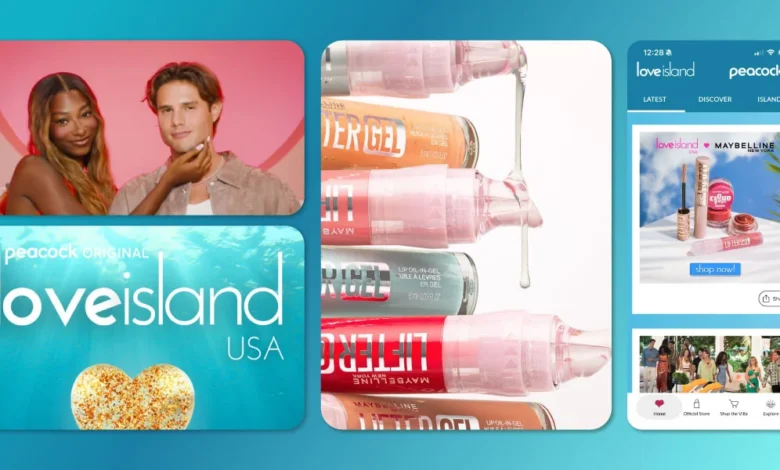
The extraordinary performance of the Lifter Gel Lip Oil-in-Gel is deeply rooted in a calculated strategic pivot regarding product deployment. Expanding upon Maybelline’s six-year-old, globally successful Lifter Gloss franchise, the new gel-oil hybrid was introduced to the market in May, featuring eight distinct shades retailing for under $10 across major mass-market retailers, including Target, CVS, Walmart, and Amazon.
Crucially, Maybelline made the decision to launch the product a full four weeks before the premiere of Love Island USA. Melissa Munnerlyn, co-founder and chief marketing officer of Daash Intelligence, noted that this timing reflects a broader, fundamental shift in contemporary marketing psychology. Historically, legacy beauty brands adhered to a rigid playbook that prioritized building prolonged anticipation months before a product officially hit shelves. However, in today’s hyper-accelerated digital ecosystem, consumer attention spans are shorter, and the traditional window between discovery and purchase has sharply compressed.
Munnerlyn emphasized that modern consumers, particularly Gen Z and millennial viewers, expect immediate gratification. If a viewer spots a specific shade of lip gloss on a television personality and subsequently searches for it online only to find it unavailable, the brand faces an immediate risk of losing captured demand. By ensuring that the Lifter Gel was not only available on traditional retail shelves well in advance of the premiere but also heavily distributed across emerging e-commerce channels—including TikTok Shop and, for the first time, the official Love Island app—Maybelline eliminated friction in the consumer purchasing journey.
Elevating Integration Beyond Basic Product Placement
For Yasmin Dastmalchi, president of Maybelline New York, the core objective behind scaling the Love Island partnership was to transcend traditional, passive product placement. Rather than simply placing branded items on a vanity table in the villa, Maybelline sought to embed its brand identity directly into the cultural conversations generated by the show’s ardent fanbase.
This ambition materialized through interactive challenges and immersive digital experiences. Most notably, Maybelline worked closely with the show’s production team to integrate the brand directly into the Love Island mobile application. The app, designed to keep fans deeply engaged by letting them vote on couple outcomes and participate in community discussions, featured dedicated Maybelline activations. These included digital recreations of the villa’s glam room and interactive shade-matching tools, allowing fans at home to mirror the makeup looks of their favorite islanders instantly.
Dastmalchi noted that the success of these integrations relied heavily on internal corporate culture. To authentically capture the zeitgeist of the show, Maybelline consciously assembled an internal marketing team composed of genuine, passionate fans of the series. This strategic alignment ensured that the brand could identify emergent viral moments in real time and respond with agility and cultural fluency, rather than moving through slow, bureaucratic corporate channels.
Capitalizing on Organic Moments and Influencer Marketing
One of the defining triumphs of Maybelline’s summer campaign was its ability to capitalize on unscripted, organic moments within the villa and translate them into high-performing digital marketing assets. When season participants engaged in natural beauty routines, Maybelline’s internal team monitored the discourse closely to spot organic promotional goldmines.
A prime example occurred when season participants Trinity Tatum and Bryce Alakai engaged in a playful, unscripted makeup challenge, which quickly captured the attention of viewers online. Recognizing the viral potential of the interaction, Maybelline’s team swiftly moved to hire the couple for an exclusive TikTok content partnership and a corresponding TikTok Shop product bundle.
Rather than executing a standard, overly polished influencer endorsement, Maybelline leaned into the humor and authenticity of the moment. The resulting content featured Bryce acting as a makeup coach attempting to recreate Trinity’s signature looks using Maybelline products. This playful inversion of traditional beauty tutorials resonated deeply with consumers, generating substantial engagement, driving traffic to TikTok Shop, and cementing the association between the Lifter Gel and the show’s most popular personalities.
As the cultural footprint of Love Island continued to expand well past the broadcast finale, Maybelline extended its activation schedule, culminating in targeted marketing campaigns surrounding the highly anticipated Love Island reunion special. Dastmalchi stressed that maintaining a consistent, values-driven presence wherever the audience’s conversations are actively taking place remains central to Maybelline’s modern marketing philosophy.
Broader Implications for the Beauty and Entertainment Industries
The remarkable success of the Maybelline and Love Island collaboration serves as a compelling case study for the future of cross-industry partnerships between fast-moving consumer goods (FMCG) brands and entertainment franchises. As traditional television viewership habits continue to fragment, brands are increasingly forced to look for innovative ways to capture the undivided attention of young, digital-native consumers.
By fusing linear or streaming television viewing with instant-gratification e-commerce platforms like TikTok Shop and proprietary mobile apps, Maybelline has demonstrated how beauty brands can shorten the conversion funnel to unprecedented degrees. The ability to transform on-screen visibility into immediate, measurable retail sales—evidenced by the 10x surge in weekly sales over a six-week period—sets a new benchmark for ROI in entertainment marketing.
Furthermore, this campaign highlights the diminishing returns of traditional, top-down advertising. Modern consumers demand authenticity, responsiveness, and interactive engagement. By treating the audience not merely as passive spectators, but as active participants in a shared cultural experience, Maybelline successfully positioned its Lifter Gel Lip Oil-in-Gel not just as a cosmetic product, but as an indispensable cultural artifact of the summer 2024 television landscape. As other beauty conglomerates observe these stellar results, the convergence of reality television, social commerce, and rapid-response digital marketing is poised to become an industry standard for years to come.
Related posts: