Mulberry Orchestrates Remarkable Turnaround, Halving Losses and Igniting Revenue Growth with "Back to the Mulberry Spirit" Strategy

LONDON – British luxury brand Mulberry has reported a significant narrowing of its losses and a decisive return to revenue growth for the fiscal year ending March 28, 2026, signaling the nascent but "meaningful" success of its ambitious "Back to the Mulberry Spirit" turnaround plan. The positive financial trajectory underscores a strategic recalibration under CEO Andrea Baldo, who has steered the heritage brand back towards its core strengths and commercial discipline.
Financial Resurgence: A Deep Dive into the Numbers
The luxury leather goods specialist saw its group revenue climb by a robust 4 percent to £125.5 million for fiscal year 2026, a pivotal achievement after a period of contraction. This growth was not merely incremental; it demonstrated an accelerating momentum, surging to 11 percent in the second half of the fiscal year, indicating that the strategic initiatives began to yield stronger results as the year progressed. Retail and digital channels, central to Mulberry’s revamped customer engagement strategy, were particularly strong performers, registering a 9 percent increase year-over-year. This omnichannel strength highlights the brand’s effective adaptation to evolving consumer purchasing habits, blending traditional retail appeal with enhanced online accessibility.
Perhaps the most compelling evidence of the turnaround’s efficacy lies in the dramatic reduction of its reported loss before tax, which shrank to £8.9 million from a substantial £32.2 million in the prior fiscal year (fiscal year 2025). When adjusted, the loss before tax was even lower at £8 million, down from £24.1 million. This impressive fiscal discipline also saw Mulberry achieve a positive EBITDA (earnings before interest, taxes, depreciation, and amortization) of £800,000, a stark contrast to the £16.8 million loss recorded in fiscal year 2025. The shift to a positive EBITDA is a critical indicator of operational profitability and efficiency, suggesting that the underlying business model is becoming sustainable once more.
Further reinforcing the financial health, Mulberry reported a significant improvement in its gross margin, which expanded to 71.9 percent from 66.8 percent. This expansion was primarily attributed to a conscious reduction in promotional activities and a sharper focus on driving full-price sales – a testament to the brand’s renewed confidence in its product value and pricing power. Concurrently, operating expenses were reduced by 10 percent to £96.2 million, a commendable feat given the company’s continued investment in crucial areas such as marketing, brand building, and digital infrastructure. This judicious allocation of resources demonstrates a commitment to long-term growth without sacrificing immediate fiscal responsibility.
The Genesis of "Back to the Mulberry Spirit"
Andrea Baldo, who assumed leadership with a clear mandate for transformation, has consistently characterized Mulberry’s revitalization as a "marathon, not a sprint." His strategic blueprint, "Back to the Mulberry Spirit," was formally launched in early calendar year 2025 (within fiscal year 2025) and represented a comprehensive effort to re-center the brand around its foundational values. This strategy emerged following a challenging period for Mulberry, marked by fluctuating fortunes, leadership changes, and, at times, a perceived drift from its distinctive British identity. Previous attempts to elevate the brand into the ultra-luxury segment had sometimes alienated its loyal customer base, leading to questions about its market positioning and commercial viability.

Baldo’s vision for "Back to the Mulberry Spirit" was not about a radical repositioning, but rather a profound "rediscovery." The strategy was built on four core pillars: simplifying the business operations, restoring rigorous commercial discipline, placing creativity firmly back at the heart of the brand, and, crucially, reconnecting authentically with its existing customer base. "We are delivering what we promised," Baldo stated during a recent call, acknowledging the enduring macroeconomic uncertainties but maintaining a confident outlook on the brand’s internal progress. He emphasized the importance of bringing Mulberry’s inherent strengths – its rich heritage, unparalleled craftsmanship, and distinctive creativity – "back to the center of every decision," from product development to budgetary allocations.
Reclaiming the Home Turf: The UK Market Strategy
A cornerstone of Mulberry’s turnaround has been its deliberate focus on strengthening its position in its home market, the United Kingdom. This strategic prioritization stems from the belief that a robust domestic foundation is indispensable for sustainable international expansion. The results validate this approach: over half of the UK’s retail and digital sales in the reported period came from returning UK customers. This critical metric suggests a successful re-engagement with lapsed clients, indicating that Mulberry is effectively rebuilding trust and loyalty among its most vital demographic.
To further solidify its presence, Mulberry has actively expanded its wholesale partnerships across the UK, forging alliances with esteemed retailers such as John Lewis, Liberty, Flannels, and Harvey Nichols. These collaborations provide broader access to diverse consumer segments and amplify the brand’s visibility. Baldo articulated the strategic rationale, stating, "The fact that there is so much to recover in the U.K., because the business is much smaller than it was before the pandemic, shows there is an upside. That’s why we are focusing most of our investment there." He reiterated the fundamental importance of a strong domestic presence as a prerequisite for global success: "Asia Pacific responds well when a heritage brand is strong in its own territory. The country of origin is extremely important."
Product Innovation and Creative Momentum
The renewed emphasis on creativity and craftsmanship has translated directly into compelling new product offerings that resonate with both loyal and new customers. The limited-edition Bayswater, an iconic Mulberry silhouette, achieved rapid success, selling out within minutes of its launch – a clear signal of strong brand desirability and effective demand generation. The Scotchgrain range also performed admirably, demonstrating the enduring appeal of Mulberry’s classic yet practical designs.
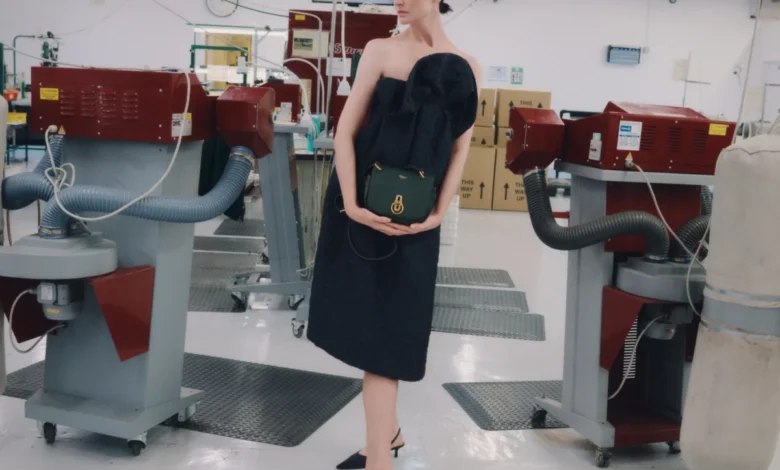
A significant creative milestone under the new strategy is the Roxanne bag, the first major launch spearheaded by Mulberry’s reinvigorated creative team. This launch was supported by a high-profile campaign featuring "Wicked" star Cynthia Erivo, strategically designed to amplify brand visibility and appeal. These launches are integral to Baldo’s broader vision of positioning Mulberry as offering "best value for money" in the luxury handbag market. The strategy aims to maintain core icons like the Bayswater and Roxanne within an accessible luxury price point, typically ranging between £800 and £1,200, while also exploring non-leather categories such as raffia and crochet to offer lower entry points. Baldo envisions Mulberry as a "handbag expert across the entire year," catering to diverse needs and preferences.
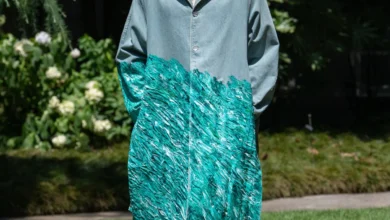
Further bolstering its fashion credentials, Mulberry made a strategic move earlier in calendar year 2026 by appointing acclaimed designer Christopher Kane as its ready-to-wear (RTW) creative director. This appointment signals a confident return to the fashion spotlight, culminating in the brand’s much-anticipated runway show at London Fashion Week on Sunday, September 20, breaking a six-year hiatus. Kane’s debut collection, slated to land in stores and online in January 2027, is expected to present a modern "town and country" interpretation of British lifestyle, targeting a slightly younger, fashion-forward demographic. Baldo underscored the significance of this move, describing the return to fashion week as a "huge marketing moment for the brand" aimed at reaching a new, dynamic customer segment.

Robust Start to the New Fiscal Year and Global Expansion
The positive momentum from fiscal year 2026 has seamlessly carried into the new financial year. For the 13 weeks ending June 27, 2026, Mulberry reported an impressive 23 percent increase in group revenue compared to the same period last year. Retail and digital revenue surged by 18 percent, or 21 percent on a like-for-like basis, showcasing sustained customer engagement and effective sales strategies.
Regionally, the growth was broad-based. UK retail and digital sales continued their upward trajectory, increasing by 17 percent. Europe experienced a robust 35 percent rise, while the "more resilient" North American market grew by 23 percent. This North American expansion was attributed to deeper ties with prominent luxury department stores such as Nordstrom and Saks, coupled with a renewed online push targeting high-net-worth individuals in the region.
Asia Pacific, a traditionally challenging but high-potential market, saw a nuanced performance. While sales were 28 percent below last year in absolute terms due to ongoing strategic reshaping, they were 32 percent higher on a like-for-like basis. This indicates a deliberate pivot towards profitability over sheer volume in the region. Baldo explained that "fashion-driven markets in Asia Pacific respond well to what is on trend and what actually is culturally relevant." He also noted that the "Mulberry by Christopher Kane" collection is expected to have a significant exposure in Asia Pacific, with new store presences planned for key growth markets like Korea, which are already showing a "great response to the new design."
Commitment to Sustainability and Operational Excellence
Beyond financial metrics, Mulberry’s turnaround strategy is deeply rooted in principles of sustainability and ethical operations, recognizing their increasing importance to modern luxury consumers. The company’s circular Mulberry Exchange resale business witnessed substantial growth, with pre-loved sales soaring by 46 percent. This initiative not only attracts younger, fashion-aware customers who are new to the brand (roughly half of Exchange clients fall into this category) but also reinforces Mulberry’s "made to last" brand positioning, aligning with a broader consumer shift towards responsible consumption.
Furthermore, Mulberry reported a commendable 23 percent reduction in its UK Scope 1 and 2 greenhouse gas emissions year-on-year, demonstrating tangible progress towards its environmental goals. The brand has also increased its sourcing of leather from accredited, responsible tanneries and maintained its commitment to living wage standards across its supply chain. These efforts underscore the company’s belief that long-term resilience is intrinsically "built on fairness, transparency and circularity."
Internally, the leadership has fostered a culture of tighter financial discipline without stifling strategic investment. Chief Financial Officer Billie O’Connor articulated this ethos: "Everybody needs to consider every pound as if it’s their own. Would they invest that money if it was theirs?" This new emphasis on profit generation over growth at any cost has fundamentally reshaped executive budgeting and decision-making processes.

To support future growth, the group is investing in a comprehensive e-commerce re-platforming and a customer relationship management (CRM) upgrade, designed to enhance customer data insights and personalize interactions. A new retail incentive scheme has also been introduced to boost store performance and employee engagement. On the financing front, Mulberry’s position has been strengthened by a £20 million convertible loan note from its two largest shareholders and new committed banking facilities extending to July 2028, providing ample resources to pursue its medium-term objectives.
Looking Ahead: Ambitious Medium-Term Targets
Mulberry has set ambitious medium-term targets, aiming for annual revenue exceeding £200 million and a 15 percent EBIT (earnings before interest and taxes) margin. To achieve the leap from its current £125.5 million revenue to £200 million within approximately five years, the brand projects a consistent annual growth rate of around 10 percent. Baldo described this as "midterm growth on an annual basis" that the group is meticulously planning for.
Cost control remains a key focus, ensuring spending is aligned with strategic priorities while maintaining crucial investments in product development, brand building, and digital capabilities. Inventory management is described as "good quality" and "controlled but relevant," reflecting a disciplined approach as the group enters fiscal year 2027. A tighter grip on promotions is seen as fundamental to sustaining the improved gross margin and reinforcing the brand’s premium positioning.
Baldo concluded with a forward-looking statement, acknowledging that "there is more to do" but expressing confidence that the combination of margin rebuild, enhanced customer re-engagement, and renewed creative momentum is positioning Mulberry to "build a stronger business for the long term."
Despite the overwhelmingly positive financial news and strategic advancements, Mulberry shares experienced a slight dip in early London trading, closing down 0.3 percent at 136.60 pence after opening at 132 pence and briefly touching 145 pence. This muted market reaction, while perhaps reflecting broader investor caution or profit-taking, stands in contrast to the significant operational improvements and the clear trajectory towards sustained profitability demonstrated by the brand’s latest results. Industry analysts generally view the results as a strong validation of Baldo’s strategic vision, noting that the brand’s ability to reconnect with its core British identity and implement rigorous financial discipline bodes well for its future in a competitive global luxury landscape. The journey, while long, appears to be firmly on track.