Navigating the Intersection of Sustainable, Size-Inclusive, and Affordable Fashion: A Comprehensive Guide to Ethical Shopping

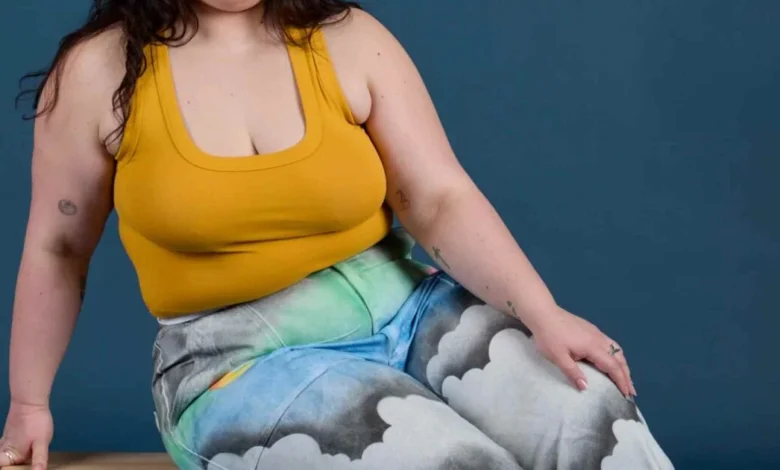
The pursuit of a wardrobe that aligns with personal values—encompassing environmental responsibility, ethical labor practices, and social inclusivity—has become a paramount concern for a growing segment of consumers. However, the journey to locate fashion brands that simultaneously meet criteria for specific sizing, adhere to budgetary constraints, and uphold rigorous ethical standards often presents a formidable challenge. This article, informed by extensive ratings and market analysis, delves into the landscape of accessible ethical fashion, spotlighting brands that successfully bridge these critical gaps.
The Evolving Landscape of Ethical Fashion
The global fashion industry, historically characterized by rapid trends and mass production, has witnessed a significant shift towards more sustainable and ethical practices. This evolution, gaining substantial momentum over the past decade, is driven by increasing consumer awareness regarding the environmental footprint of clothing production—from excessive water consumption and chemical pollution to burgeoning textile waste—and the pervasive social inequities within supply chains, particularly concerning worker exploitation. Simultaneously, the body positivity movement has surged, advocating for diverse representation and broader sizing in fashion, challenging conventional beauty standards and the industry’s historical exclusion of larger body types.
The Historical Disconnect
Despite the parallel growth of these two vital movements, their convergence within the fashion industry has been remarkably slow. For a considerable period, consumers seeking sustainable options often encountered limited size ranges, while those requiring extended sizing frequently found themselves restricted to brands with questionable ethical practices. This disconnect has created a frustrating dilemma, leaving many individuals feeling marginalized from the ethical fashion conversation. Industry analysts suggest that this lag stems from various factors, including the perceived higher cost and complexity of producing wider size ranges sustainably. Manufacturing extended sizes often requires more fabric, adjusted patterns, and specialized machinery, potentially increasing production costs and, consequently, retail prices. Furthermore, some brands have historically underestimated the market demand for truly inclusive sustainable fashion, perpetuating a narrow focus on standard sizing.
The Fast Fashion Paradox
The challenge of affordability is intrinsically linked to the pervasive influence of fast fashion. Brands operating under this model prioritize speed, volume, and low prices, often at the expense of environmental safeguards and fair labor wages. This strategy has normalized exceptionally low clothing prices, distorting consumer perceptions of the true cost of garment production. A basic t-shirt, for instance, might retail for a few dollars in a fast fashion outlet, a price point that is virtually impossible to achieve when adhering to ethical manufacturing, using responsibly sourced materials, and paying living wages to garment workers. The real cost of these cheap garments is externalized, borne by exploited workers and the environment through pollution and waste.
Demystifying Size Inclusivity in Sustainable Apparel
Size inclusivity is not merely a matter of social justice; it represents a significant economic opportunity. Data consistently shows that the average woman in countries like the United States wears a size 16-18 (US sizes), yet a disproportionately small percentage of fashion brands adequately cater to this demographic, especially beyond 2XL. The plus-size apparel market alone is estimated to be a multi-billion dollar industry globally, indicating a substantial, often underserved, consumer base eager for stylish, well-fitting, and ethically produced garments.
Beyond the Standard: Why Extended Sizing Matters
For sustainable fashion to truly become mainstream and reflective of global consumer needs, it must embrace universal accessibility. The current deficit of ethical brands offering extended sizing means that a large segment of the population is effectively excluded from participating in conscious consumption. This exclusion undermines the very principles of fairness and equity that sustainable fashion purports to champion. The argument that producing larger sizes is inherently more wasteful or costly is increasingly being challenged by innovative brands and manufacturing techniques. When brands commit to size inclusivity from the outset of their design and production processes, they can mitigate many of these perceived hurdles. This proactive approach leads to more efficient resource allocation and better design outcomes for all.
Economic Imperatives and Untapped Potential
The failure to embrace size inclusivity represents a missed economic opportunity for the sustainable fashion sector. Consumers who struggle to find their size in ethical brands are often forced to choose between their values and their practical need for clothing that fits. By expanding size ranges, sustainable brands can tap into a loyal and engaged customer base, fostering brand loyalty and driving market growth. Advocacy groups and consumer demand are actively pushing for this change, compelling brands to reassess their strategies and invest in truly inclusive collections. This shift is not just about moral obligation but also about smart business strategy in an increasingly diverse market.
Navigating the Economics of Ethical Clothing
The initial price tag of sustainable fashion often appears higher than that of fast fashion alternatives, leading to a common misconception that ethical clothing is inherently unaffordable. However, a deeper analysis reveals a more nuanced picture, emphasizing long-term value over upfront cost.
Understanding the True Price Tag
The pricing of ethical clothing reflects the genuine costs associated with responsible production. This includes paying living wages to workers across the supply chain, investing in higher-quality, often organic or recycled, materials, and implementing environmentally sound manufacturing processes. Certifications such as Fair Trade, GOTS (Global Organic Textile Standard), and B Corp status, which denote adherence to stringent social and environmental standards, also contribute to the overall cost but guarantee a level of transparency and accountability absent in most fast fashion operations. In essence, when you purchase ethical clothing, you are paying for the integrity of the product and the welfare of the people who made it, rather than merely the material and basic assembly. Fast fashion prices, conversely, often fail to account for the true social and environmental externalities, effectively passing these costs onto vulnerable communities and the planet.
The Long-Term Value of Investment Pieces
A crucial concept for understanding the affordability of sustainable fashion is the "cost per wear" rule. This metric calculates the true value of a garment by dividing its initial purchase price by the number of times it is worn. High-quality, durable ethical clothing, designed to last for years and withstand numerous washes, significantly reduces the cost per wear over its lifespan. For example, a $100 ethical dress worn 50 times costs $2 per wear, while a $20 fast fashion dress worn only 5 times before falling apart costs $4 per wear. This perspective highlights that investing in fewer, better-made garments not only benefits your wallet in the long run but also reduces textile waste and promotes a more mindful approach to consumption. Online calculators and resources can help consumers apply this rule, encouraging a shift away from disposable fashion towards building a resilient and ethical wardrobe.
Curating Conscious Choices: Brands Leading the Way
Recognizing the multifaceted challenges consumers face, Good On You—a leading authority in ethical brand ratings—has meticulously curated a selection of brands that excel in offering sustainable, size-inclusive, and often affordable options. Our editors rigorously assess brands against a comprehensive ratings system, ensuring that every recommendation meets high standards across environmental impact, labor practices, and animal welfare. The following brands represent a diverse range of styles and product categories, all committed to making ethical fashion accessible to a wider audience.
Everyday Essentials & Basics
These brands focus on foundational wardrobe pieces, offering comfort, durability, and ethical production without compromising on accessibility.
Yes Friends
Price: $
Sizing: 2XS – 4XL
Based in the UK, Yes Friends exemplifies how scale and direct-to-consumer models can drive affordability in ethical fashion. Their commitment to transparency is evident in their pricing, with t-shirts costing less than £4 to produce and retailing for a highly accessible £7.99. This brand is a testament to the possibility of offering staple items that are both kind to the planet and people, making sustainable basics a reality for a broad consumer base.
Q for Quinn
Price: $
Sizing: XS – 3XL
Q for Quinn prioritizes health and sustainability, offering non-toxic, eczema-friendly clothing for all ages. Their essentials are crafted from organic, responsibly sourced materials, ensuring comfort and peace of mind. By focusing on high-quality, safe materials, Q for Quinn demonstrates that ethical production can cater to sensitive needs while maintaining an accessible price point, proving that health and ethics don’t have to break the bank.
Joyya
Price: $
Sizing: XS – 4XL
Joyya is more than a clothing brand; it’s a social enterprise making organic apparel to create meaningful employment opportunities in communities in Kolkata, India. Founded with the ambitious goal of combating extreme poverty and human trafficking, Joyya showcases a powerful model where every purchase directly contributes to positive social impact. Their wide sizing range further ensures that more individuals can support this transformative mission, making a tangible difference with each garment.
Kotn
Price: $$
Sizing: XS – 2XL
A Certified B Corp based in Canada, Kotn is dedicated to providing quality education in its farming communities in the Nile Delta, working with local NGOs. Each purchase not only provides a beautifully made garment from ethically sourced materials but also contributes to funding school infrastructure, materials, and teacher salaries. Kotn’s blend of ethical production, community investment, and classic design makes it a standout choice for conscious consumers seeking both quality and impact.
PACT
Price: $$
Sizing: XS – 2XL
PACT is a US-based brand committed to transforming the apparel industry through ethical manufacturing. All of their clothing is verified sweatshop-free and child-labor-free. Their activewear range, primarily made from certified organic cotton, with over 50% also Fair Trade certified, highlights their dedication to both environmental and social responsibility. PACT offers comfortable, everyday wear that aligns with core ethical values, from underwear to activewear.
Known Supply
Price: $$
Sizing: XS – 4XL
Known Supply, a B Corp certified brand, is on a mission to humanize the apparel industry. By celebrating the stories of both the makers and wearers of their clothing, they foster a deeper connection between consumer and product. Their commitment to transparency and ethical production, coupled with an inclusive sizing range, offers a compelling option for those seeking meaningful fashion choices that honor craftsmanship and human dignity.
Tailored & Versatile Wear
For those seeking customizable options and a broader size spectrum, these brands offer unique solutions to fit individual needs.
SeamsFriendly
Price: $$
Sizing: 4XS – 16XL and beyond through custom sizing (at no extra cost), with height options
SeamsFriendly stands out for its exceptional commitment to inclusivity and customization. They craft beautifully tailored clothes for all body types, emphasizing function and utility. Utilizing lower-impact materials like organic cotton and linen, SeamsFriendly allows customers to customize designs to their exact preferences—from neck style and depth to sleeve and garment length, and even fabric choices. This bespoke approach ensures a perfect fit for virtually anyone, eliminating the frustrations often associated with standard sizing and promoting true body diversity.
Activewear & Outdoors
These brands prove that performance and sustainability can go hand-in-hand, with options designed for various body shapes and outdoor pursuits.
Purusha People
Price: $$
Sizing: XS – 4XL
Purusha People infuses its activewear with artistic, dainty details. Their organic, plant-based pieces are designed to wick away sweat, making them ideal for yoga and other practices. By focusing on natural fibers and a broad size range, Purusha People ensures that ethical activewear is accessible to a diverse community of movers and wellness enthusiasts, blending style with conscious living.
Miakoda
Price: $$
Sizing: XS – 4XL
Hailing from NYC, Miakoda