PETA Pursues Criminal Charges Against CFDA Chief Steven Kolb Following Runway Disruption at COS Fashion Show

The intersection of high fashion and animal rights activism turned physical on a Sunday afternoon in New York City, resulting in a dramatic confrontation that has since reverberated across digital media platforms and industry circles alike. Representatives for People for the Ethical Treatment of Animals (PETA) announced their intention to file an official police report and pursue criminal charges against Steven Kolb, the president and chief executive officer of the Council of Fashion Directors of America (CFDA). The legal action stems from an incident at the COS fashion show held at WSA, located at 175 Water Street, where Kolb physically intervened and restrained demonstrators who had breached the runway to protest the use of animal wool.
The Runway Disruption and Physical Altercation
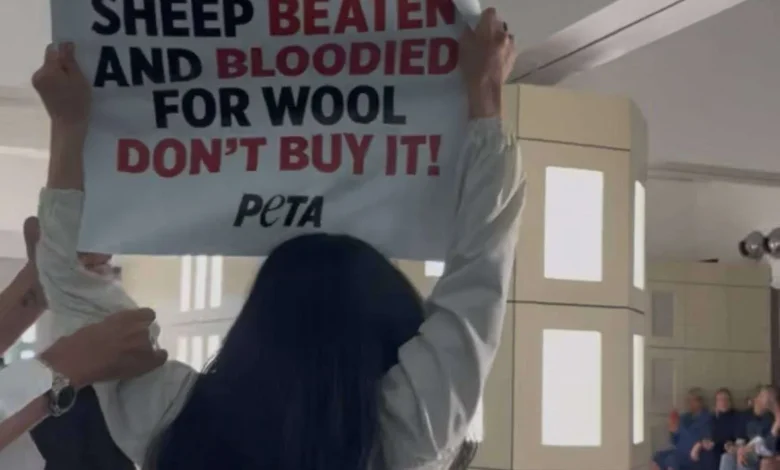
The disruption unfolded mid-show as a small contingent of PETA activists bypassed security checkpoints and stepped onto the catwalk, intermittently walking among the professional models. While several protesters stood out due to their attire and demeanor, at least one activist successfully blended into the lineup by wearing a sharp suit, mimicking the posture and stride of a traditional runway model before suddenly breaking character. Once on the platform, the demonstrators began shouting slogans condemning the fashion industry’s reliance on animal-derived materials, specifically targeting the treatment of sheep.
According to official accounts from PETA and corroborated by widely circulated video footage on social media, the peaceful nature of the protest shifted when industry executive Steven Kolb stepped in. Witnesses and video evidence show Kolb physically restraining one female activist, forcing her to the floor, and placing his hands over her mouth and nose as she chanted, "Sheep bloodied and beaten for wool." A second PETA member, who was actively filming the catwalk takeover, was reportedly shoved and grabbed by Kolb, who similarly placed his hand over the protester’s face to silence them. A third activist was also present, advocating against the brand’s association with practices uncovered in recent investigative reports.
The unexpected chaos visibly startled front-row celebrity attendees, who included notable Hollywood figures such as Sharon Stone, Michelle Williams, Lupita Nyong’o, Diego Calva, Dominic Sessa, and John Boyega. Witnesses noted that Michelle Williams held her hands to her chest in visible shock as the melee unfolded just feet away. Security personnel eventually intervened, swiftly escorting each protester from the venue as the show continued under a cloud of tension. Following the finale, high-profile guests were rapidly ushered out, with one bewildered showgoer remarking to reporters, "Who’s paying attention to the clothes?"
Chronology of Events Leading to the Confrontation
The events of Sunday afternoon did not occur in a vacuum; rather, they represent the boiling point of an escalating campaign waged by animal rights organizations against mainstream retail giants.
Weeks prior to the New York presentation, PETA launched a targeted campaign against the H&M Group, the parent company of COS. The pressure followed a damning investigation conducted by PETA Asia, which allegedly uncovered widespread abuse within a South African wool supply chain. According to the animal rights group, undercover footage revealed workers kicking, beating, and dragging terrified sheep, frequently leaving them bleeding on shearing floors. PETA asserted that the farm in question funneled its wool through the exact certified supply pipeline utilized by the H&M Group and its subsidiary brands, including COS.
Despite these revelations, COS proceeded with its seasonal presentation as scheduled on Sunday. The runway show was designed to showcase the brand’s latest collection, drawing significant media attention and a star-studded audience. However, the pre-arranged demonstration hijacked the narrative of the event. While the runway intrusion was brief, the physical escalation by a leading figure in American fashion transformed the story from a standard fashion week protest into a major legal and public relations crisis. By Sunday evening, video clips capturing Kolb’s physical restraint of the activists had gone viral, drawing intense criticism from digital commentators, human rights advocates, and animal welfare groups alike.
Official Responses and Public Statements
Faced with mounting backlash and the threat of impending criminal charges, Steven Kolb issued a candid public statement addressing his behavior shortly after the conclusion of the show.

"I reacted inappropriately to an incident at a show earlier today," Kolb stated. "It wasn’t my place to do so. I should have let the security team handle the situation."
Kolb maintained a low profile for the remainder of the day and was notably absent from any subsequent fashion week presentations or evening events. Representatives for COS and the H&M Group did not immediately respond to multiple requests for comment regarding the incident or the underlying demands raised by the protesters.
Conversely, PETA leadership remained unyielding in their condemnation of both the brand’s material sourcing and the physical retaliation executed by the CFDA head. PETA founder Ingrid Newkirk issued a scathing response following the confrontation, emphasizing the systemic issues highlighted by the protest.
"Today’s actions show how top people in fashion use violence to silence people who expose how sheep are beaten, bloodied, and violently killed for scarves and sweaters," Newkirk stated. "PETA is calling on H&M and COS to ban wool from its collections and is urging everyone to shop elsewhere until they do."
The Broader Context of Fashion Activism
The clash at the COS show highlights a long, contentious history between the fashion industry and animal rights organizations. For decades, PETA and similar entities have utilized high-profile runway disruptions to challenge the aesthetic and commercial norms of luxury and contemporary apparel brands.
Historically, these protests primarily targeted the use of real animal fur. In the 1990s and early 2000s, activists frequently ambushed fashion shows, hurled red paint on fur-clad attendees, and staged dramatic demonstrations outside major retail flagships. One of the most infamous incidents occurred when a protester hurled a tofu pie directly into the face of Vogue editor-in-chief Anna Wintour to protest the magazine’s pro-fur editorial stance.
In recent years, however, the scope of these campaigns has expanded significantly. As consumer preferences have shifted toward sustainability and ethical sourcing, animal rights groups have broadened their targets beyond fur to include exotic skins, leather, shearling, mohair, cashmere, and standard sheep’s wool. Brands like Coach have faced sustained, multi-season pressure during New York Fashion Week to eliminate animal leather from their product lines.
Implications for the Fashion Industry and the CFDA
The decision by PETA to pursue criminal charges against Steven Kolb carries profound implications for the Council of Fashion Designers of America and the broader fashion community. As the premier trade association representing American designers, the CFDA is tasked with fostering leadership, professional standards, and ethical business practices within the industry.
Having its chief executive officer implicated in a physical altercation caught on camera creates a severe reputational hurdle. Industry analysts note that executive conduct during public-facing events sets a critical tone for corporate governance and crisis management. While Kolb swiftly issued an apology acknowledging that his actions were inappropriate and outside his purview, the filing of police reports and potential criminal litigation could prolong the negative publicity well past the conclusion of fashion month.
Furthermore, the incident forces a renewed spotlight on the supply chain practices of major retail conglomerates like the H&M Group. As ethical consumerism continues to drive purchasing decisions, brands are increasingly pressed to provide absolute transparency regarding the origins of their raw materials. Incidents like the COS runway disruption ensure that sustainability and animal welfare will remain at the forefront of industry discourse, regardless of the physical measures taken to silence dissent.