For many modern couples, the traditional wedding industrial complex—characterized by lavish venues, extensive guest lists, and rigid customs—is increasingly being replaced by intimate, highly personalized elopements. Samantha and Bradley, a couple whose shared history is deeply intertwined with the grit and glamour of New York City, recently exemplified this shift. By eschewing conventional wedding expectations, the pair successfully executed a quintessential “NYC punk” celebration for a total cost of $2,670, proving that significant life milestones can be marked with both austerity and aesthetic intention.
The Philosophy of the Unserious Wedding
The decision to elope was not merely a financial choice but a stylistic and philosophical statement. Samantha described their motivation as a desire to celebrate the “unserious” life they had built together—a life defined by authenticity rather than the performative nature of traditional nuptials. “We are fun and very unserious, so we wanted our wedding to be the same,” Samantha remarked.
In an era where the average American wedding costs approximately $30,000 to $45,000 depending on the region, this couple’s $2,670 expenditure sits at the extreme lower end of the spectrum. By eliminating standard line items such as professional catering, elaborate floral arrangements, stationary, and entertainment, the couple redirected their budget toward experiences that held personal significance. Their wedding day was devoid of typical ceremony trappings; there were no prepared vows, no traditional music, and no formal wedding party.
Chronology of an Urban Elopement
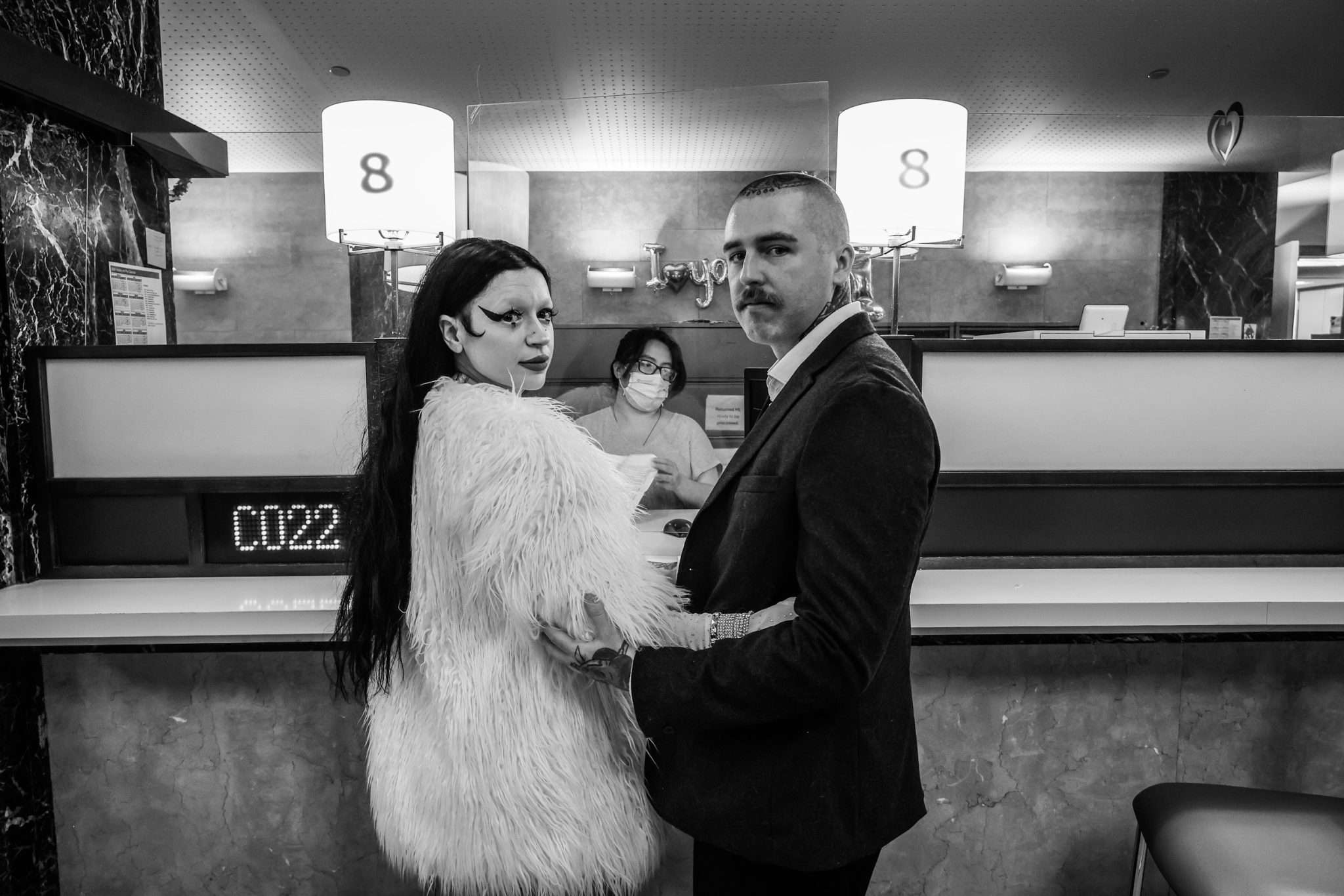
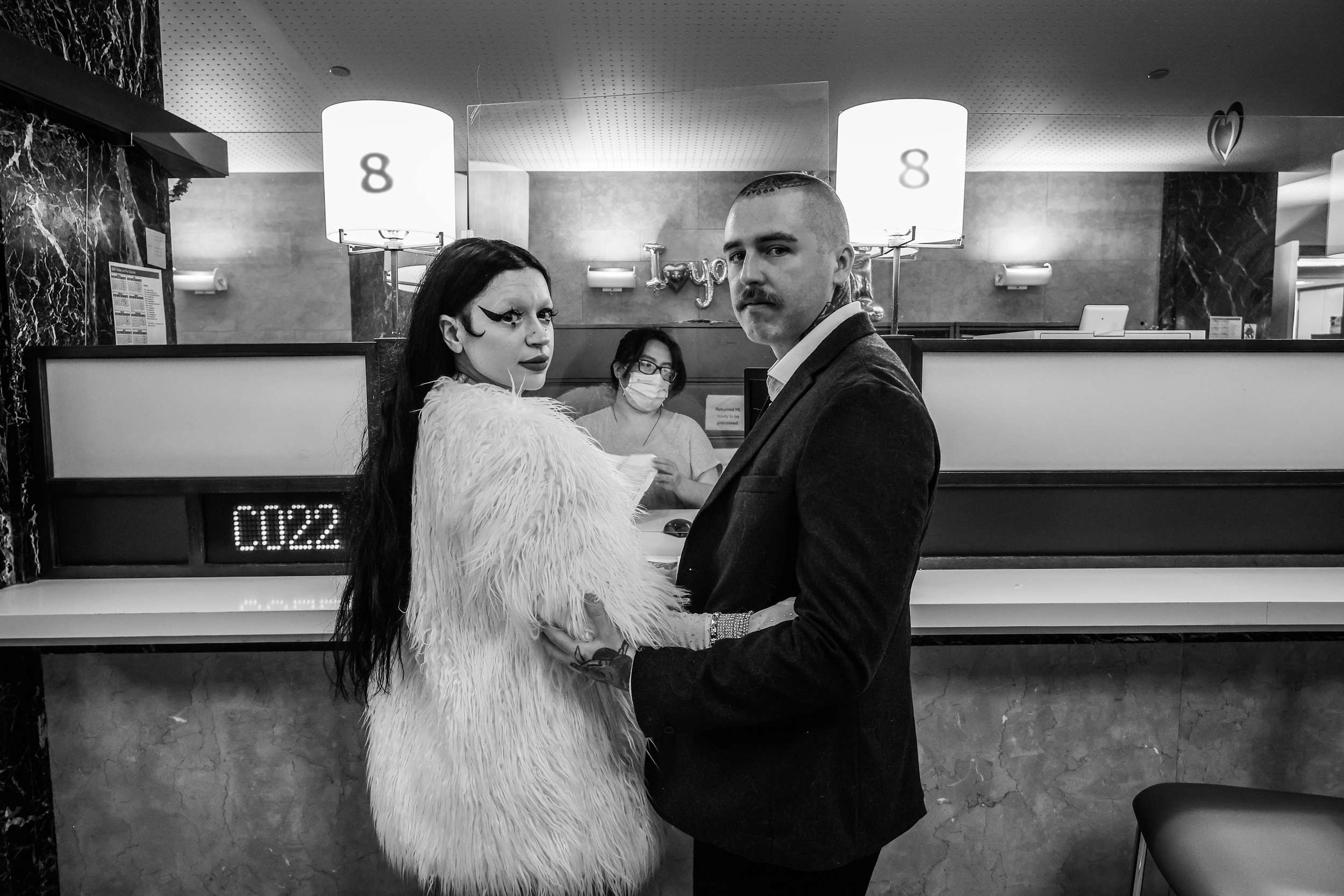
The wedding day followed a fluid, spontaneous trajectory that mirrored the couple’s approach to their relationship. The legal ceremony took place at the New York City Clerk’s Office, an institution famous for its history of rapid, no-frills marriages. While the couple had expected a purely administrative experience, they were surprised by the venue’s unexpected, campy atmosphere.
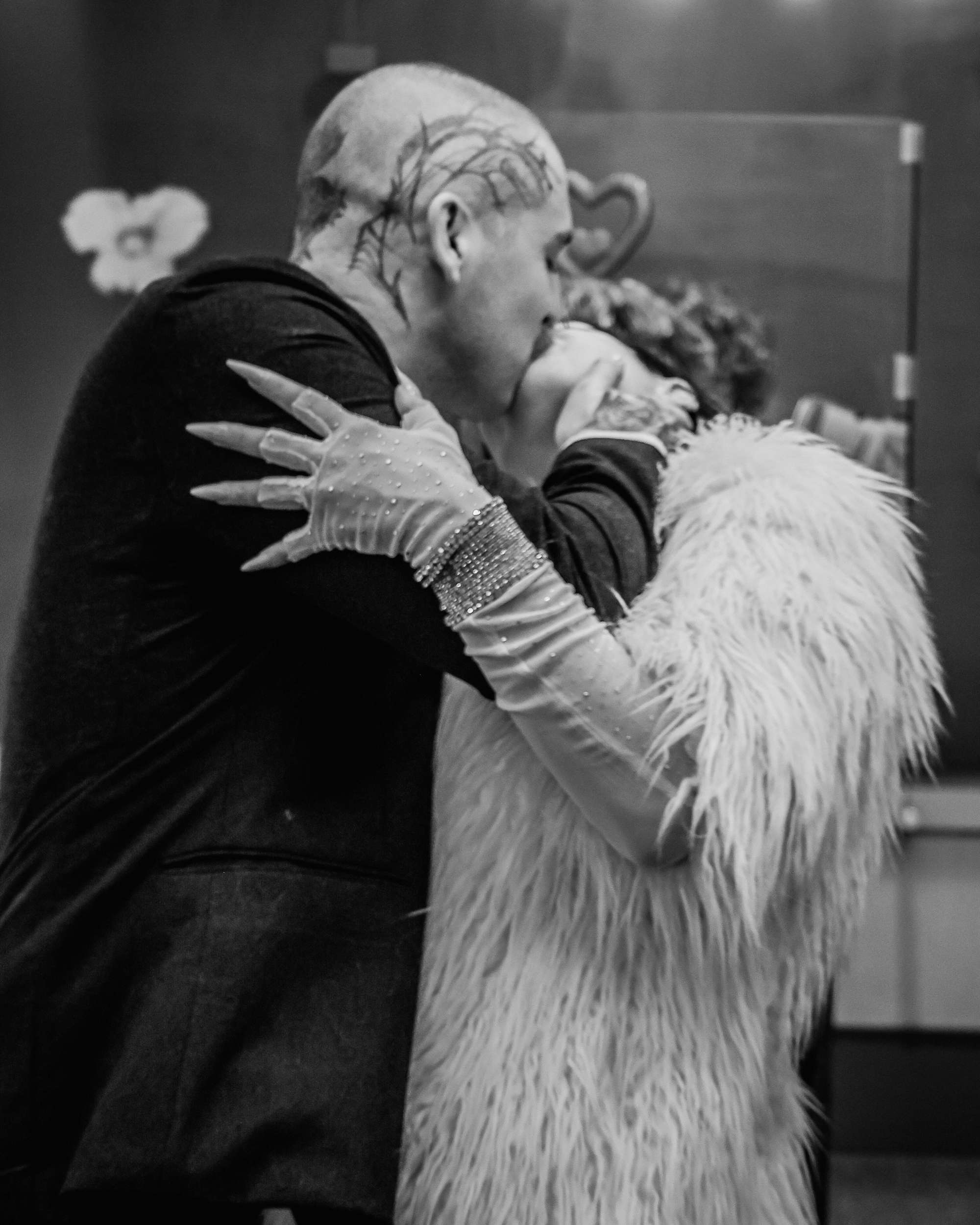
“The chapel was so funny,” Samantha noted, reflecting on the surprise of the setting. “We were both giggling and just like, ‘What is happening?’ We didn’t even know we had to go to the chapel. We thought we signed a paper and left.”
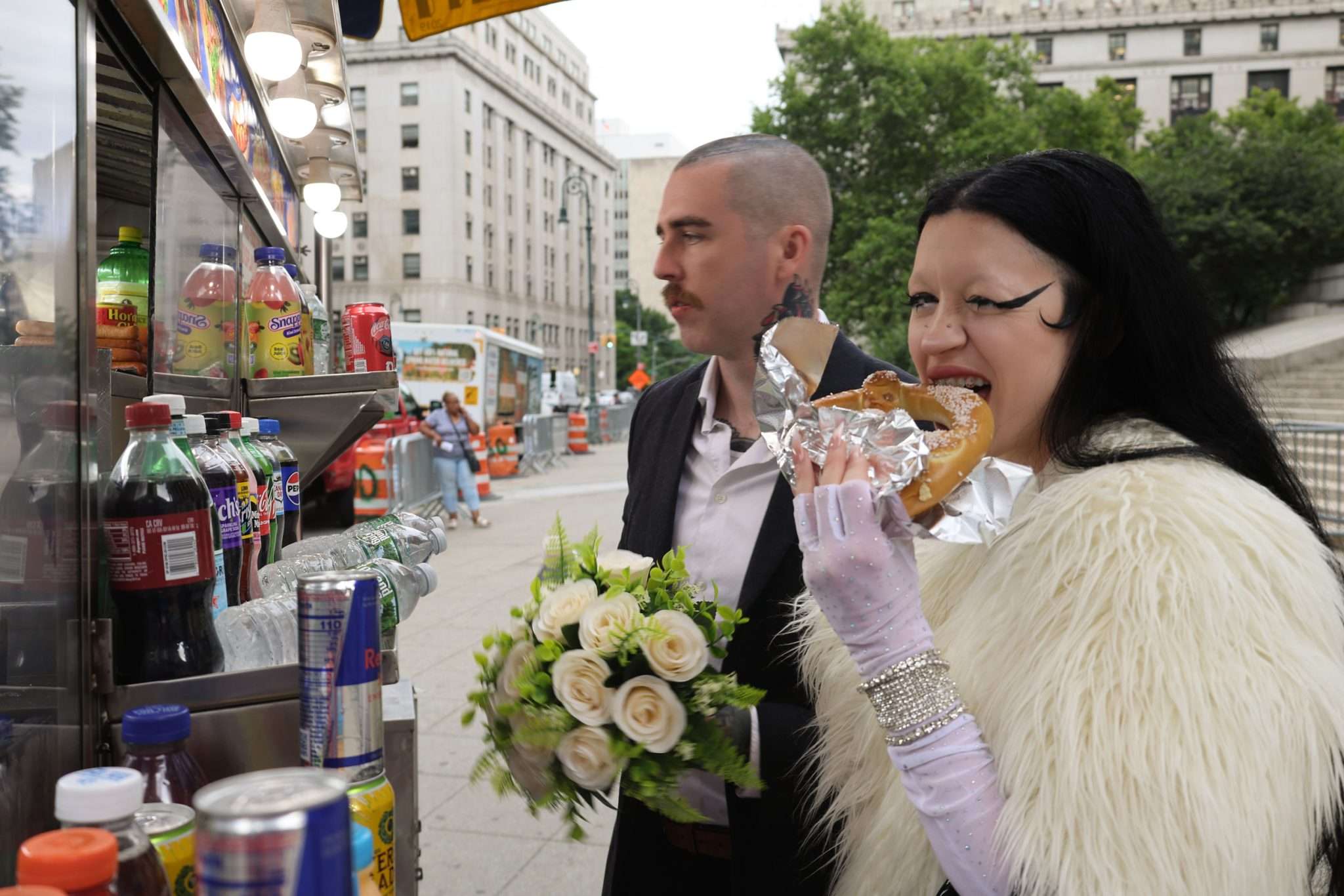
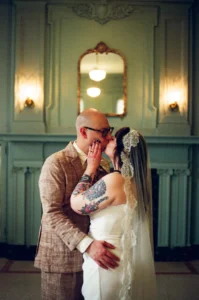
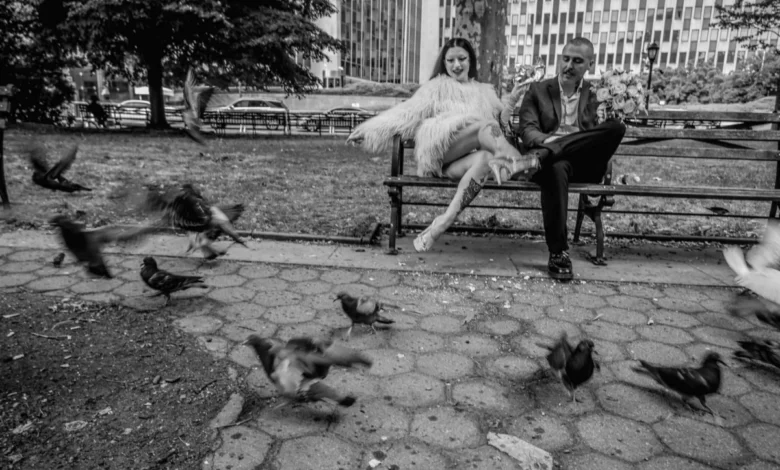
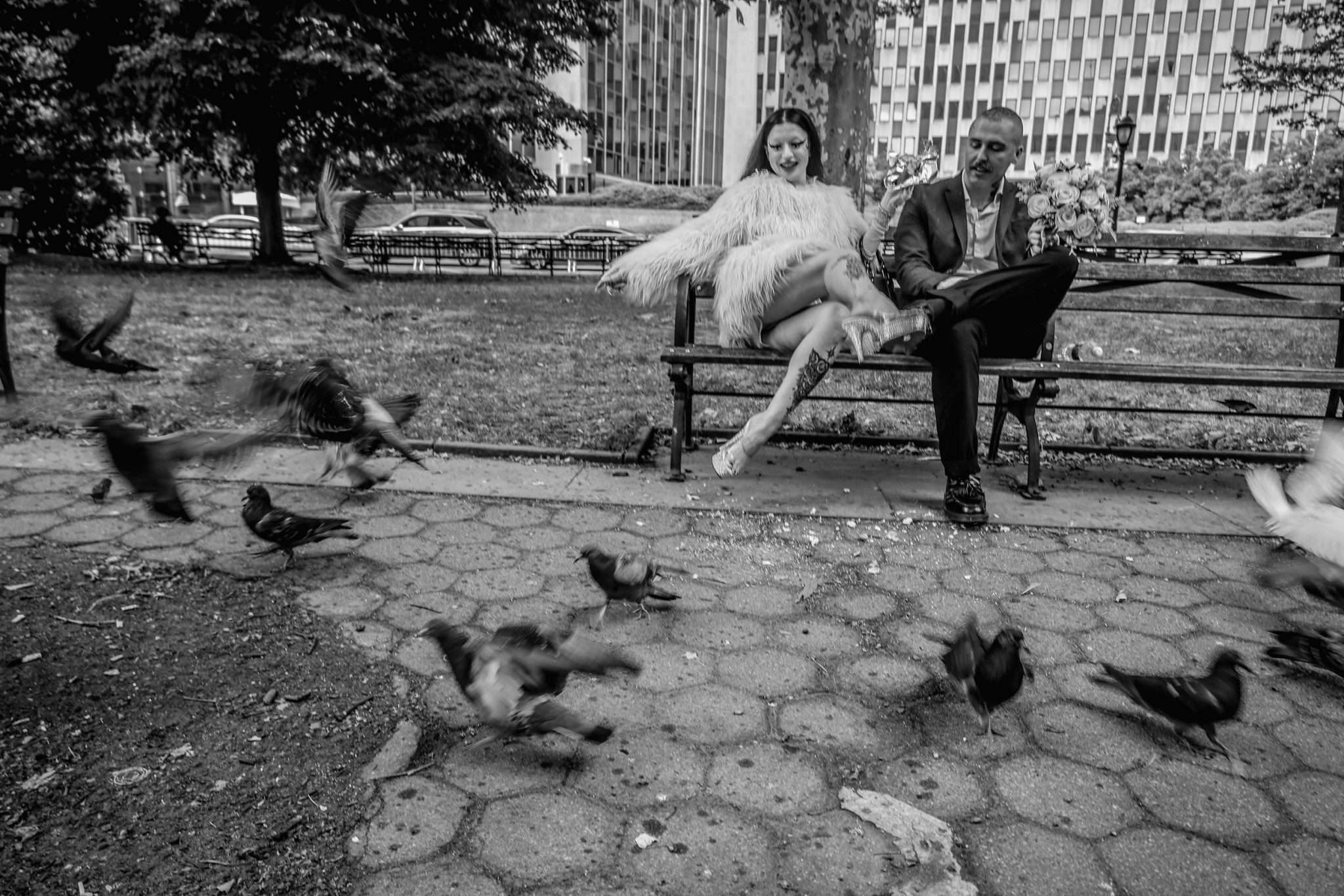
Following the legal registration, the couple engaged in a portrait session with photographer Krys Fox. Rather than opting for curated studio lighting or manicured gardens, the shoot utilized the public infrastructure of New York City—including worn-out benches—as a backdrop. In a nod to the city’s omnipresent wildlife, the couple incorporated local pigeons into their professional portraits, adding a touch of humor and local color that served as a visual manifestation of their theme.
The Role of Nostalgia and Luxury
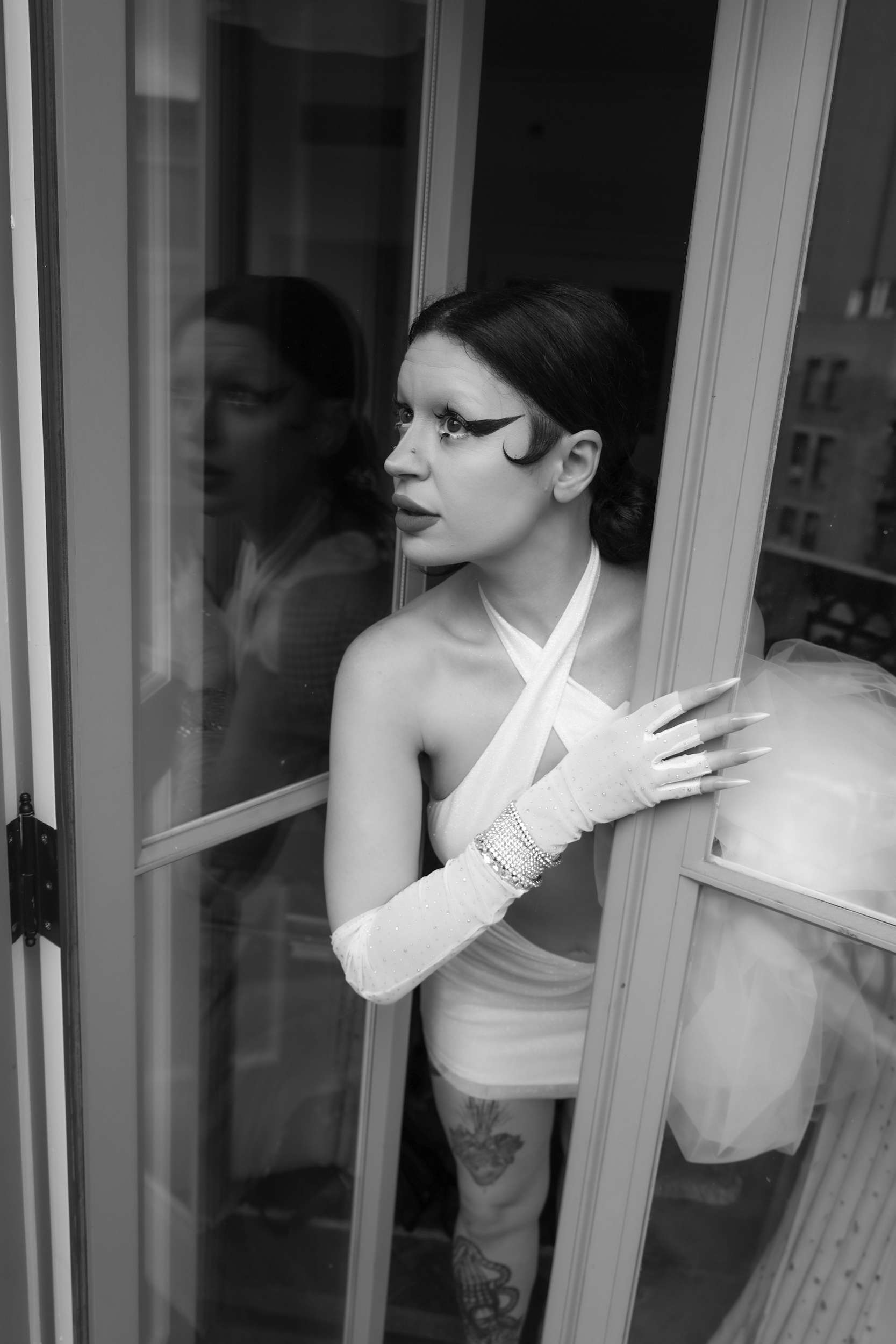
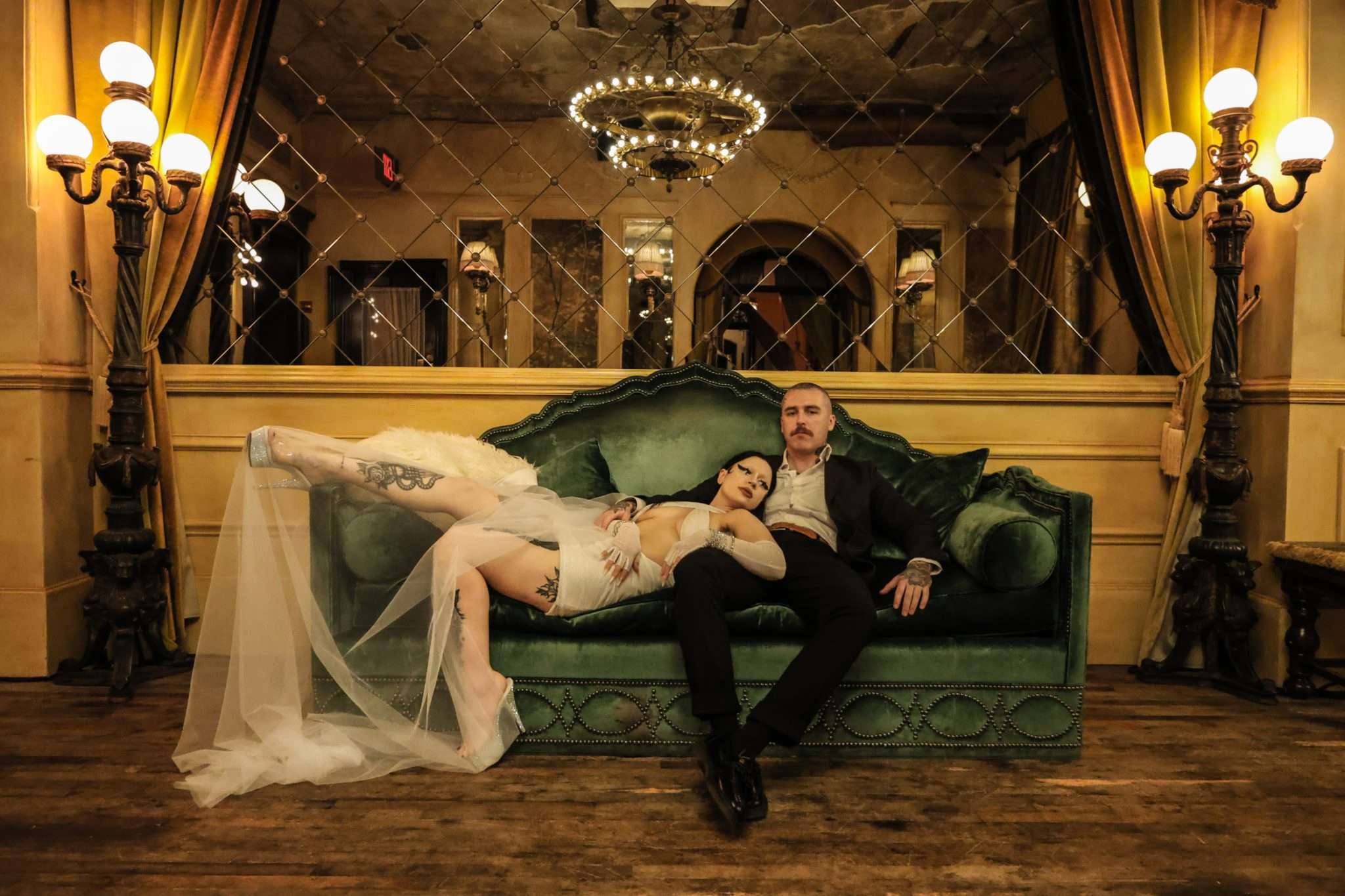
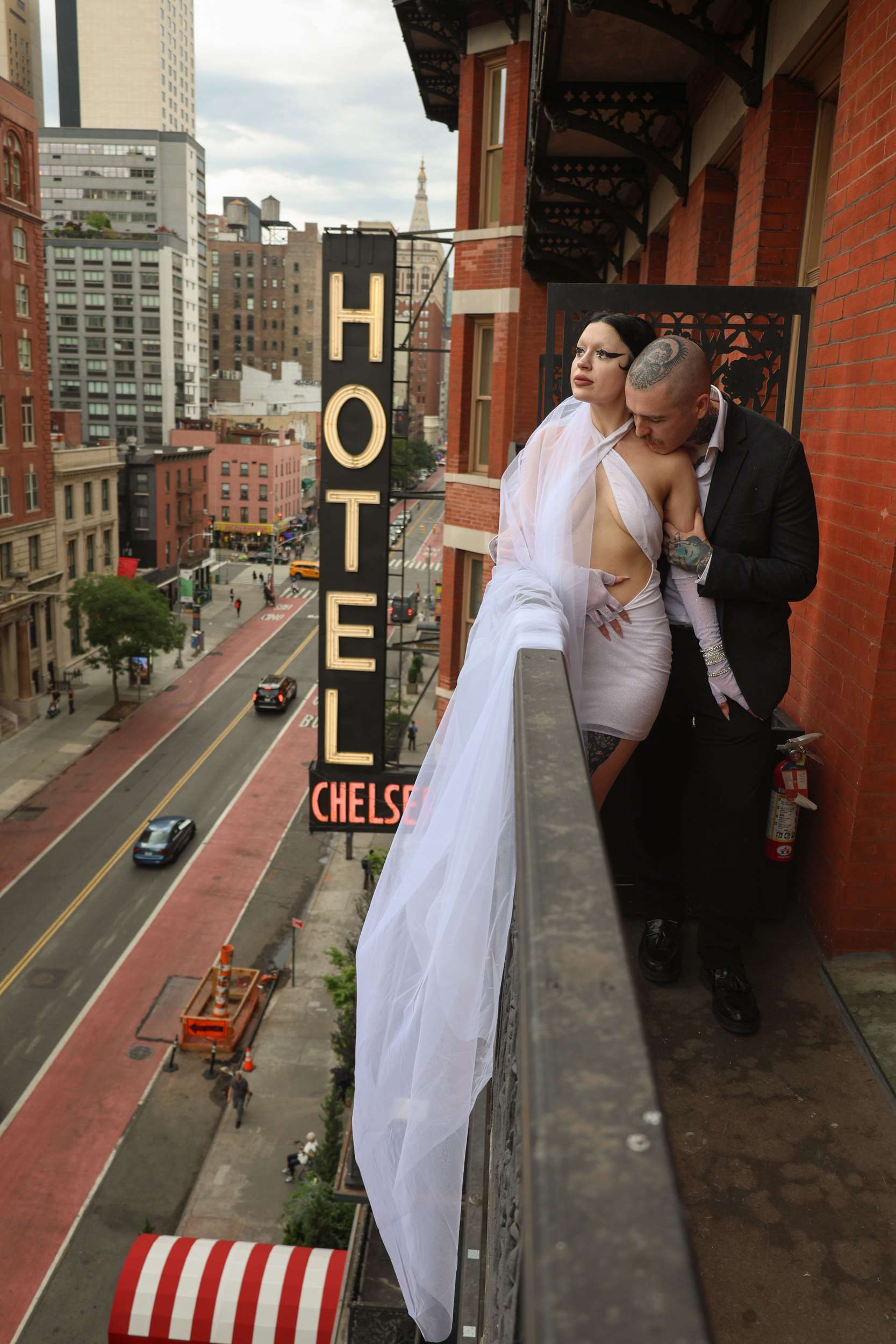
A significant portion of the budget, approximately 48% ($1,300), was allocated to a two-night stay at the historic Hotel Chelsea. This expenditure highlights the couple’s prioritization of atmosphere over traditional wedding amenities. The Hotel Chelsea has long served as a nexus for the city’s counter-culture, having hosted iconic figures ranging from Patti Smith to Bob Dylan. For Samantha and Bradley, staying at the hotel was the realization of a long-held ambition, providing a setting that aligned with their “washed-up rock star” aesthetic.
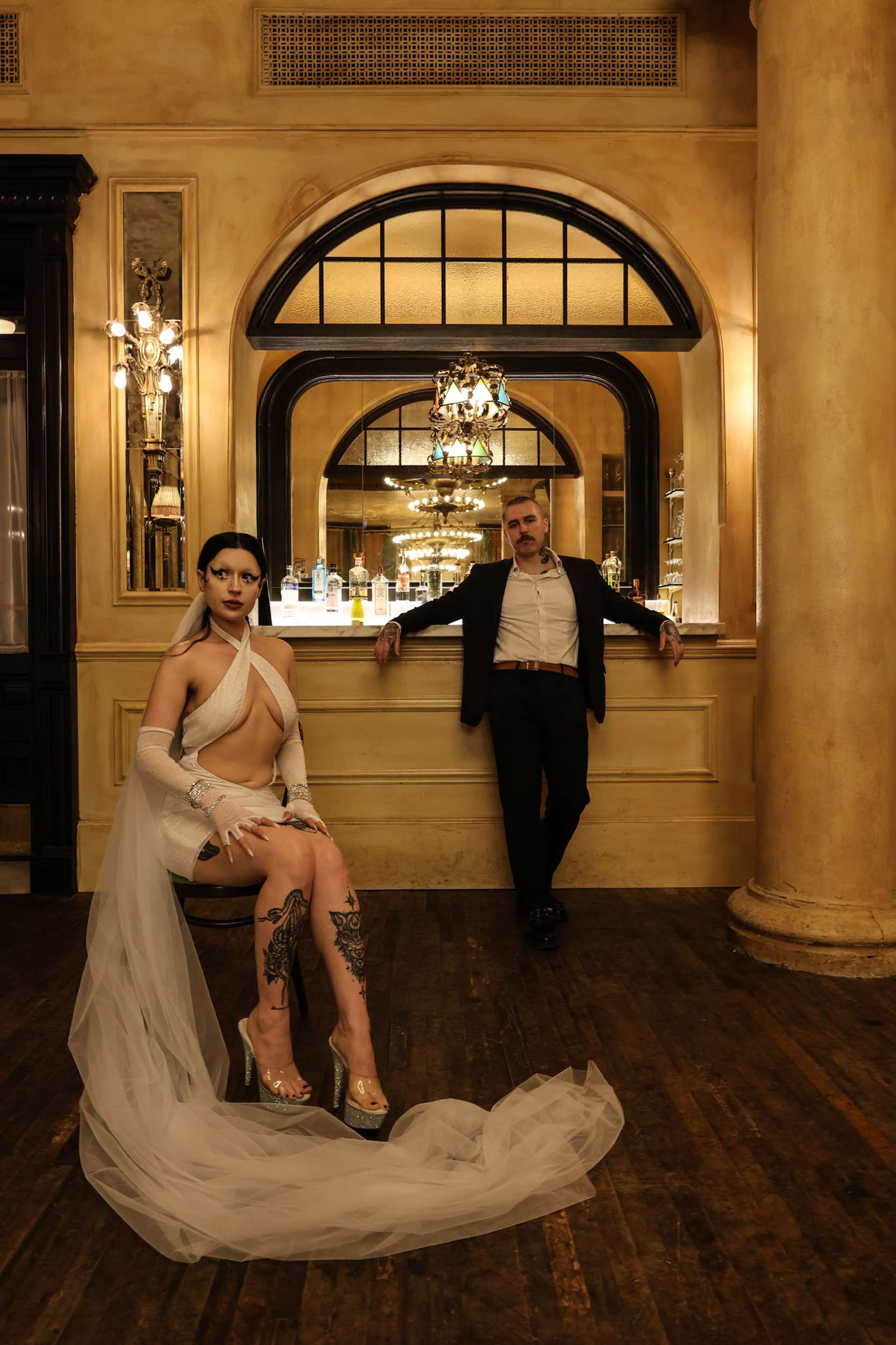
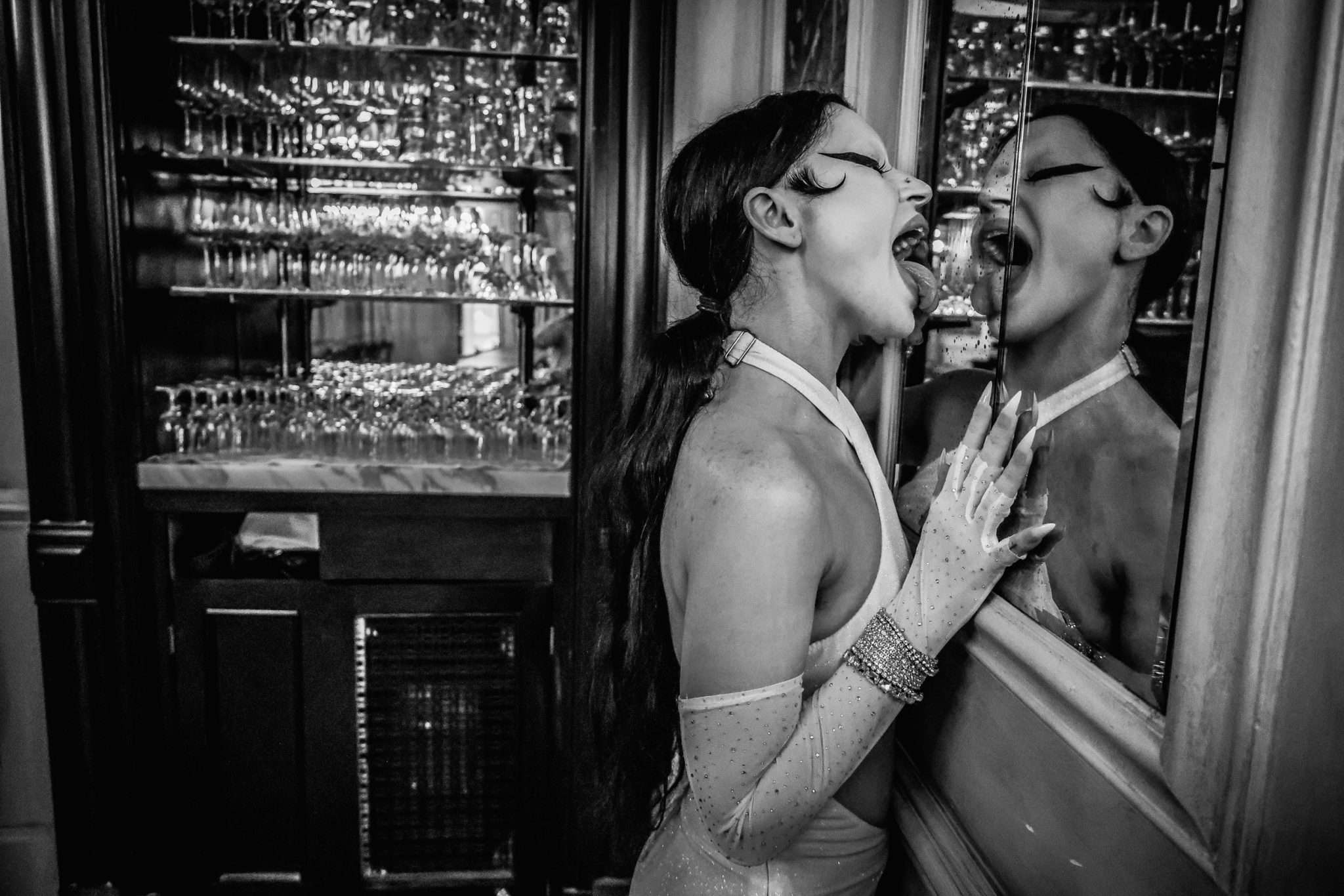
The hotel served as more than just lodging; it acted as the central hub for their reception-for-two. The couple utilized the property’s iconic balconies and interior spaces for photography, while friends contributed to the celebratory atmosphere by sending champagne, cookies, and floral arrangements to their room. This decentralized model of reception—moving from a hotel room to a dinner at the vegan-friendly John’s of 12th Street—demonstrates a growing trend toward "micro-weddings" that rely on existing urban infrastructure rather than dedicated event venues.
Challenging Social Conventions
The logistical planning for the event was minimal, but the interpersonal challenges were significant. The couple noted that the most difficult phase of their planning was navigating the expectations of family members.
"Telling everyone it would just be Bradley and I was difficult," Samantha admitted. "I think it’s hard for a lot of people to grasp that some people just don’t want a massive wedding or even a small-sized wedding."
This friction often stems from the cultural expectation that a wedding is a communal rite of passage rather than a private commitment between two individuals. The couple’s experience highlights a broader cultural divide regarding the function of marriage ceremonies. While some view weddings as a necessary acknowledgment of family and community, others, like Samantha and Bradley, view the day as an exclusive domain for the couple. Their experience with a family member expressing disdain over a potential “vegan wedding” served as a turning point, reinforcing their resolve to keep the event private.
The Economic and Cultural Implications
The success of the couple’s elopement raises questions about the future of the wedding industry. As the cost of living in major urban centers continues to rise, and as younger generations prioritize experiences over material accumulation, the demand for high-cost, high-stress events may continue to wane.
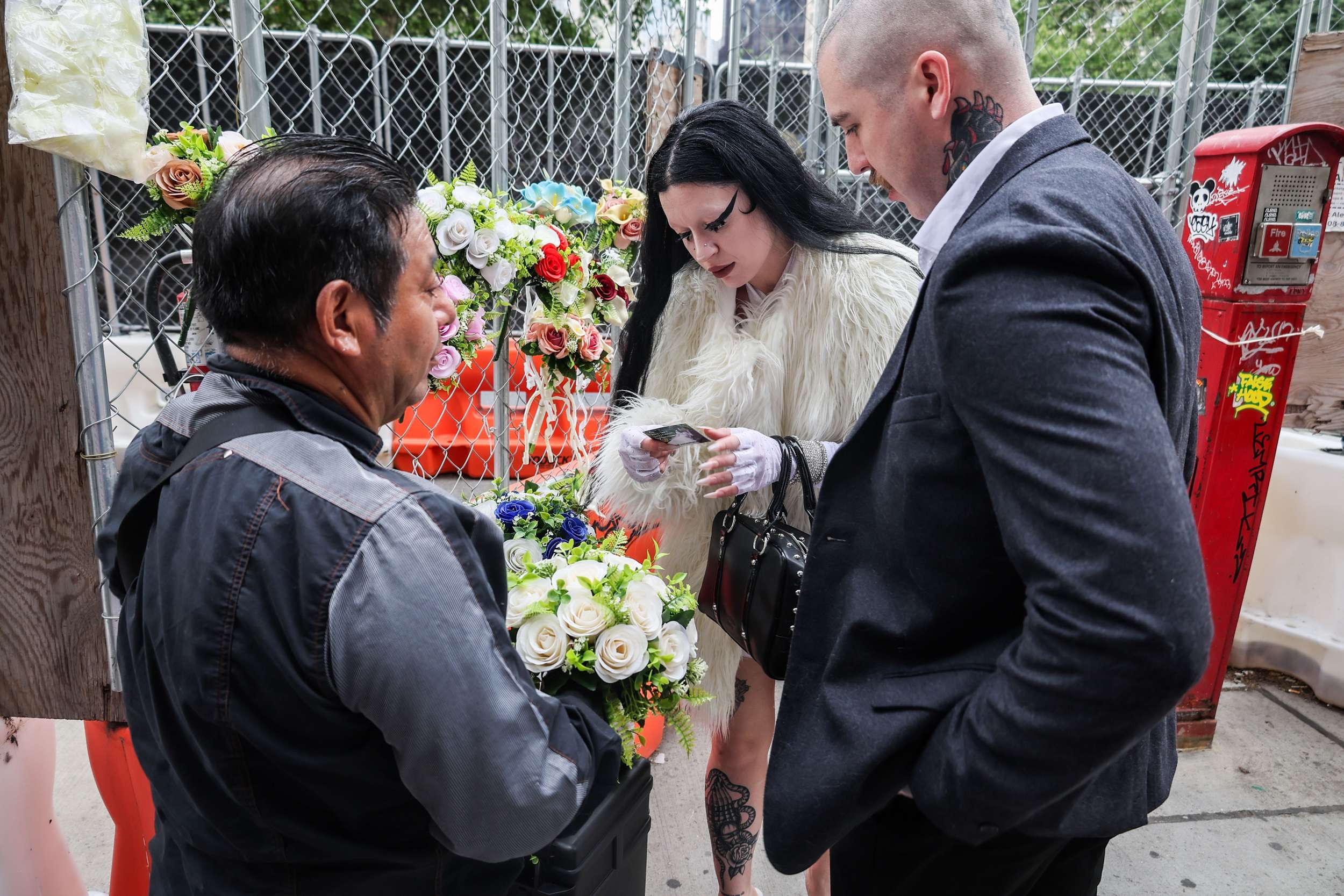
From an economic perspective, this elopement highlights the "experience-first" model. By investing in a high-end hotel stay and a two-week honeymoon, the couple maximized their personal enjoyment while minimizing the environmental and financial waste often associated with traditional ceremonies. The lack of a "content creator" or formal decor meant that the memories were captured through candid photography, further emphasizing the shift toward realism.
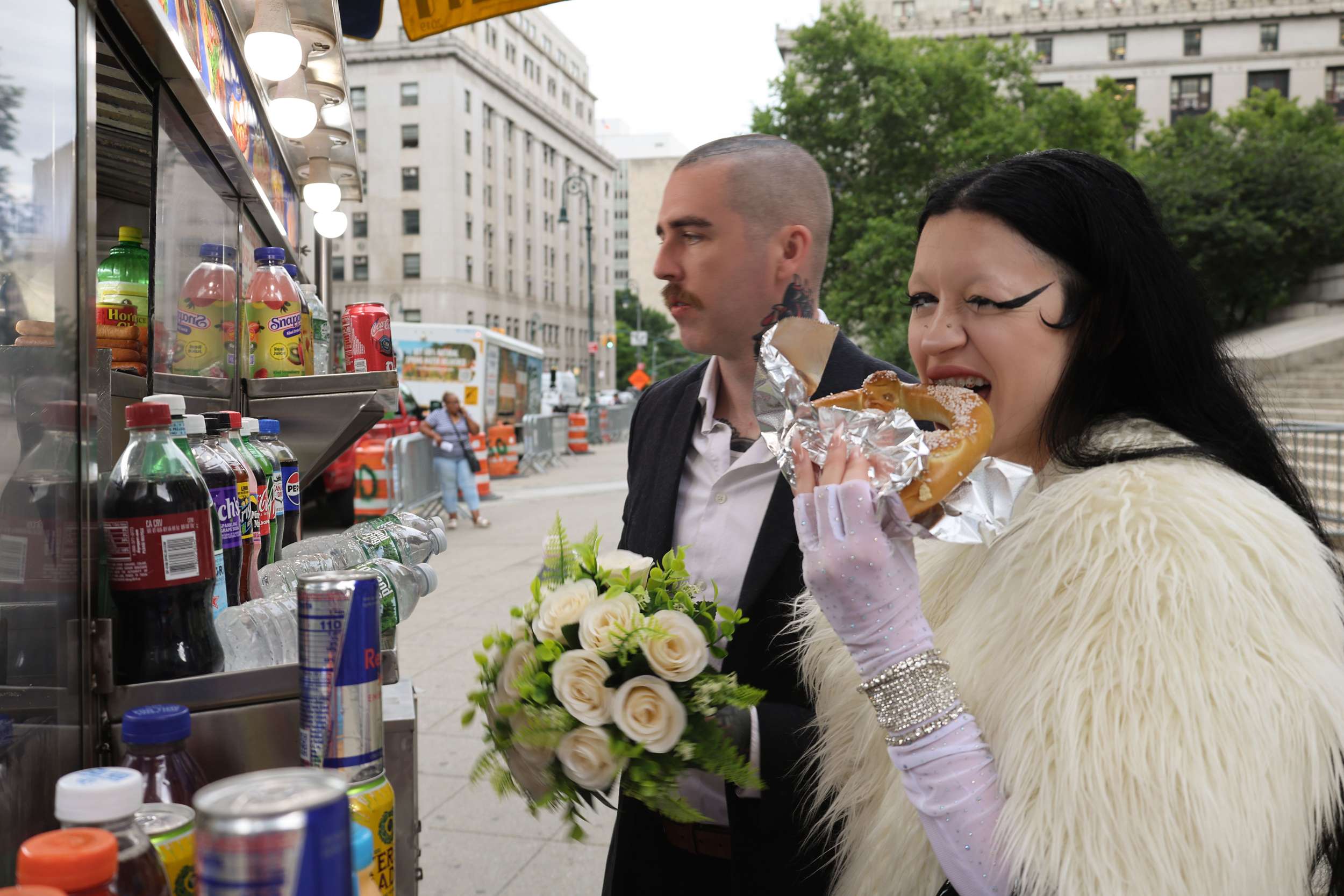
Stylistic Identity and Aesthetic Choices
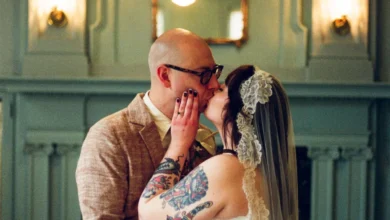
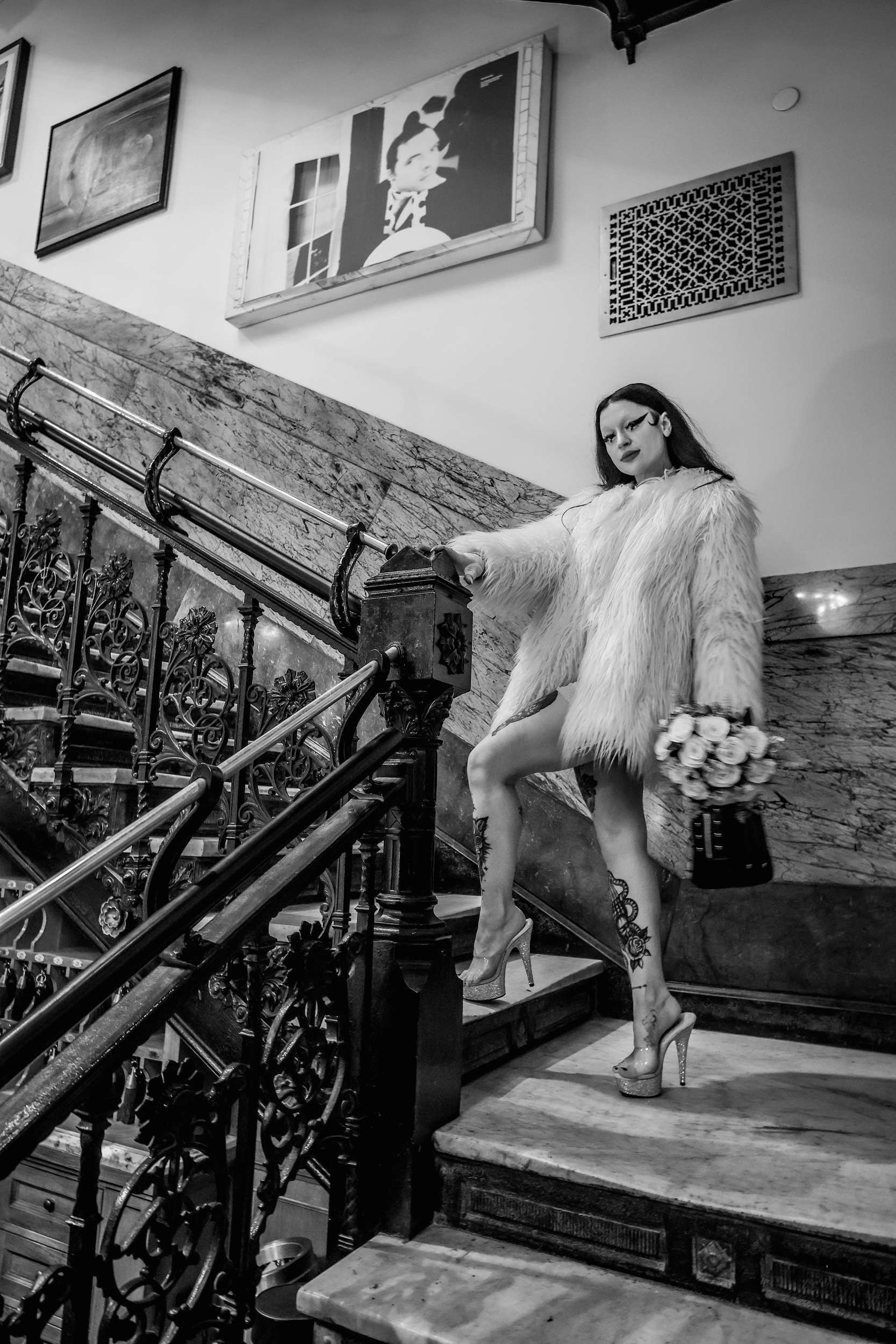
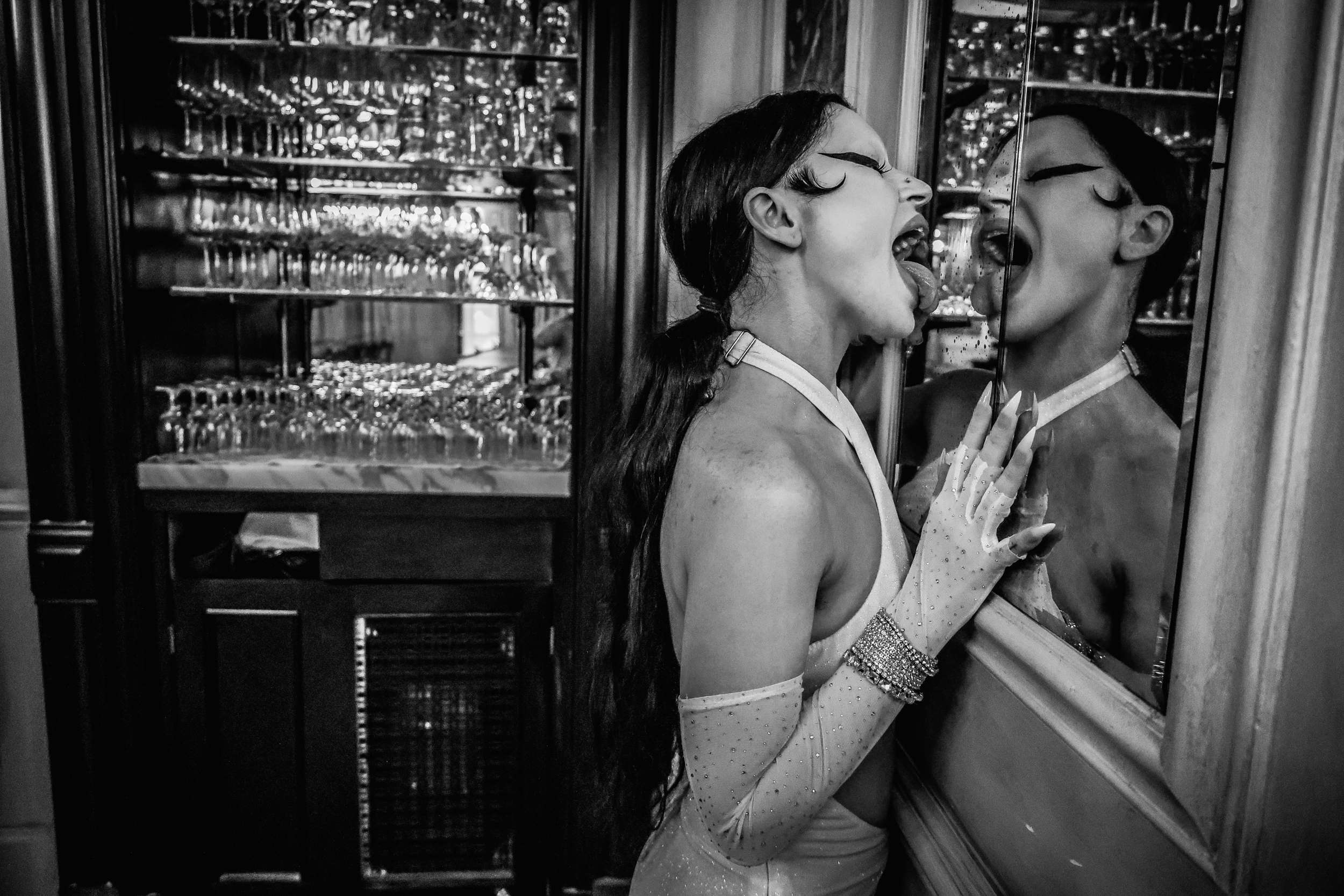
The aesthetic of the event was defined by thrift and intentionality. Samantha’s dress was sourced from Local Pervert, a brand known for its counter-cultural edge, paired with second-hand Pleaser footwear. Bradley’s attire was entirely thrifted and subsequently tailored to ensure a high-end look without the markup of luxury bridal retail. This approach aligns with the "slow fashion" movement, which advocates for reusing garments and supporting independent, niche designers.
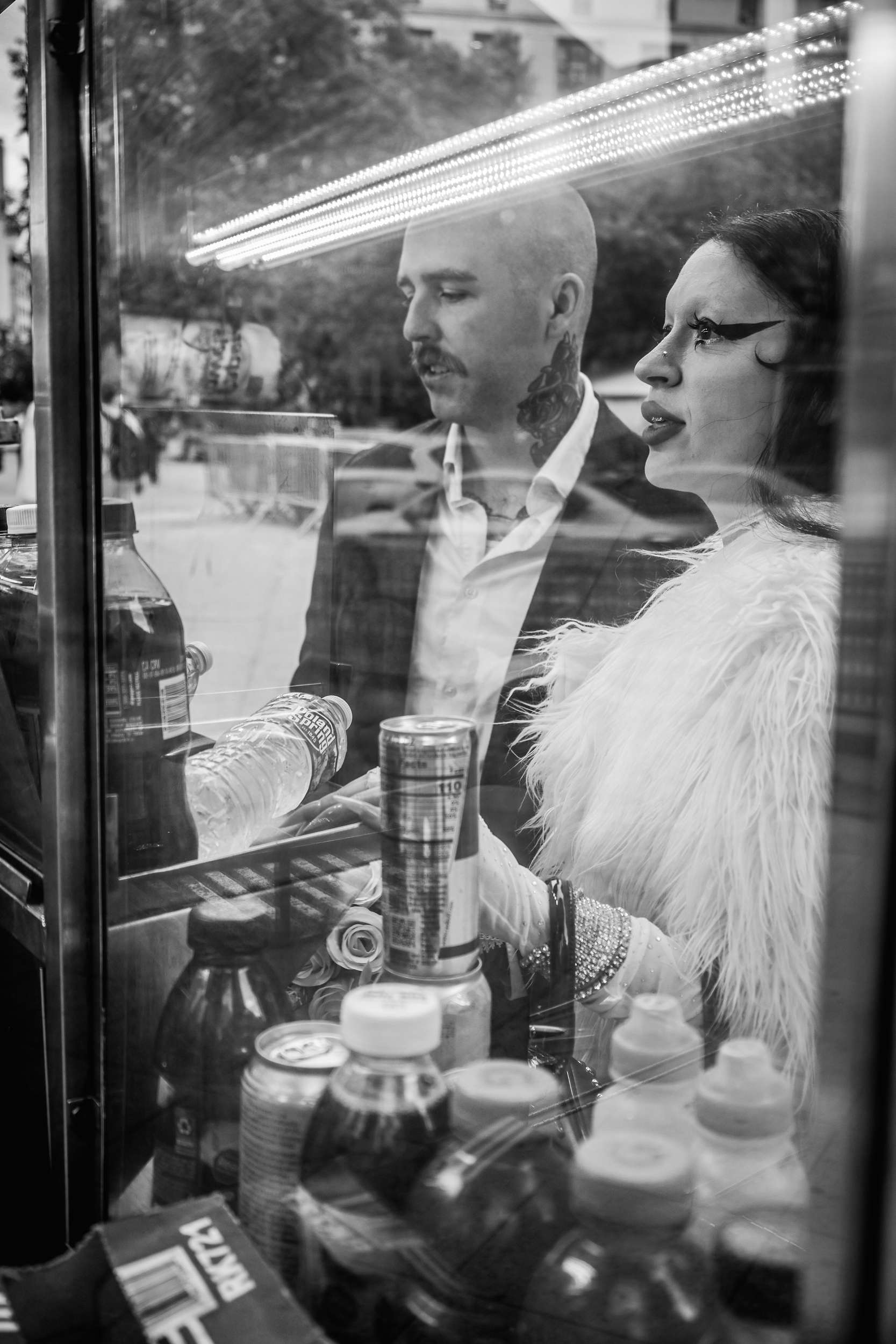
The couple’s decision to end the evening at the hotel bar, followed by a morning of getting tattoos, suggests a departure from the "best day of your life" narrative. Instead, they treated the wedding as a baseline for their shared values—unpretentious, spontaneous, and intensely personal.
Broader Societal Trends
The case of Samantha and Bradley is not an anomaly. It is part of a growing movement of couples who are reclaiming the autonomy of their wedding days. In recent years, data from wedding industry analysts has indicated a steady increase in "elopement-style" ceremonies, particularly among couples who value environmental sustainability and financial independence.
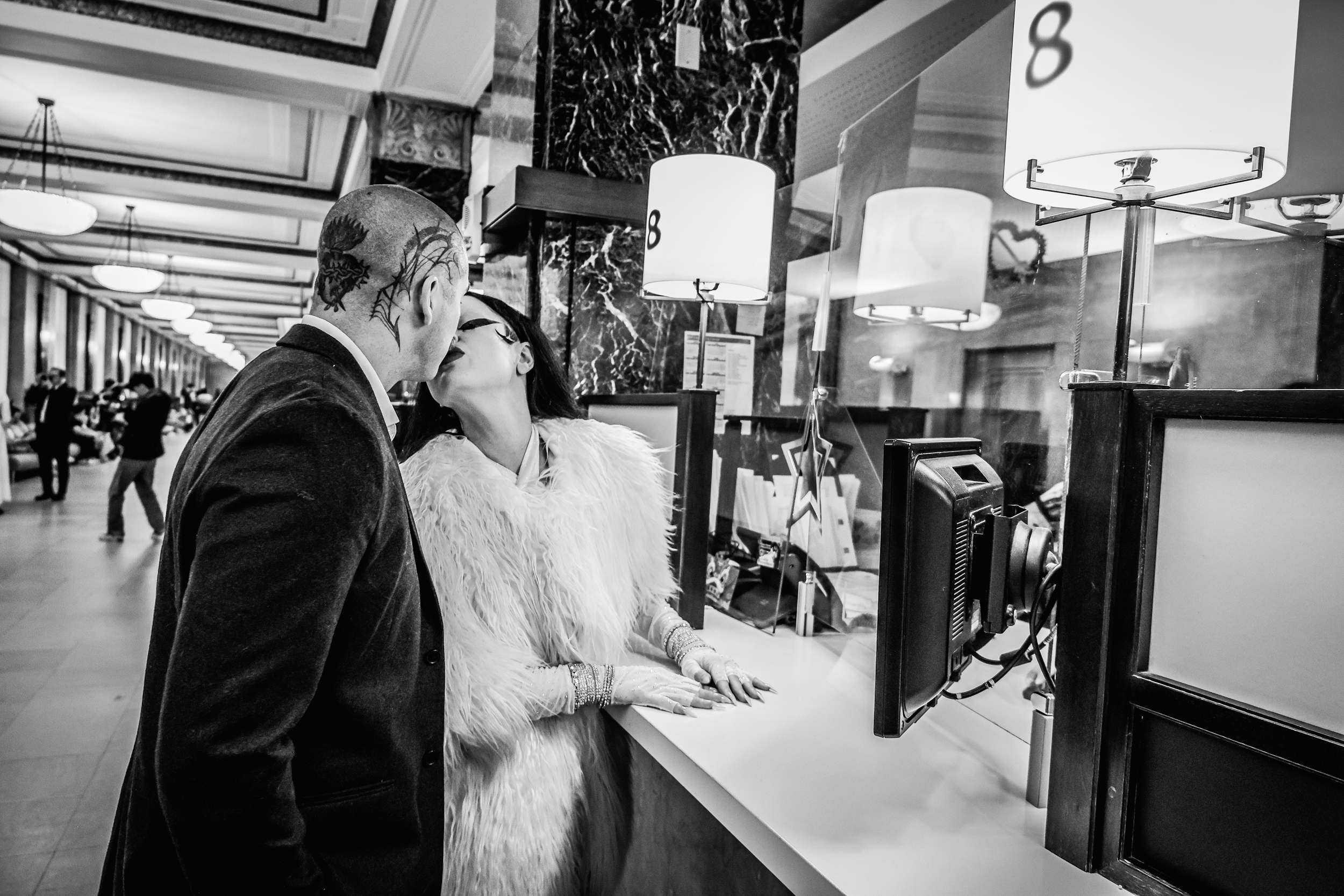
The "NYC punk" theme chosen by the couple acts as a deliberate antithesis to the hyper-polished, curated aesthetic often promoted on social media platforms like Instagram and Pinterest. By embracing the reality of the city—its pigeons, its worn benches, and its historic hotels—the couple created a narrative that was distinctly theirs.
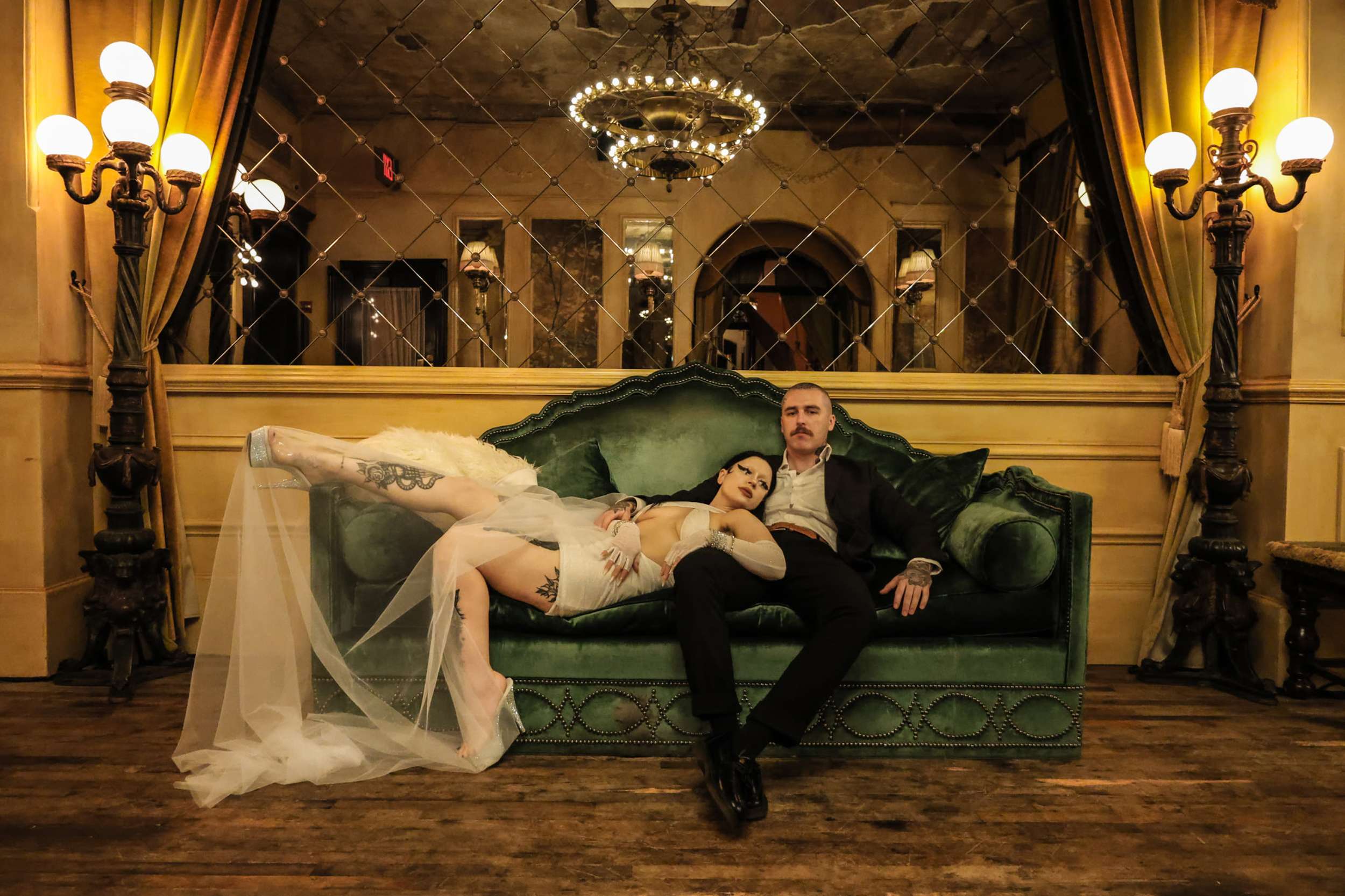
Ultimately, their message to others contemplating marriage is one of radical self-determination. “If you want to have the wedding of the century, I am so stoked for you,” Samantha said. “If you want to elope in a back alley wearing hot pink and platform crocs, fuck yeah, please do it. Follow the rules or don’t, as long as it’s your choice.”
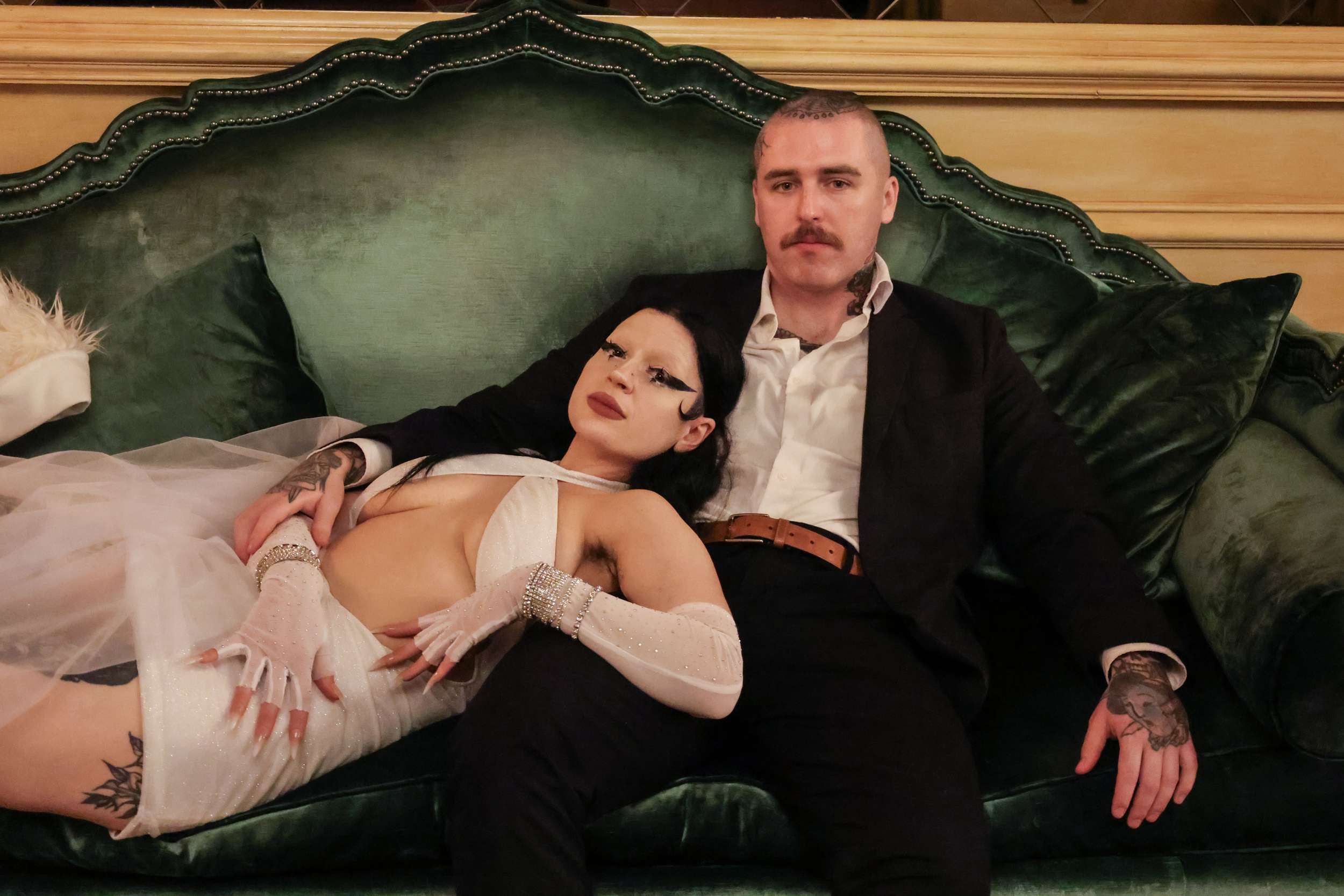
As couples continue to navigate the pressures of modern romance, the approach taken by Samantha and Bradley serves as a blueprint for those seeking to minimize external interference. Their day was not merely about signing a legal document; it was a firm assertion of their identity, a rejection of unwanted input, and a celebration of their specific, unconventional love story. By removing the noise of the industry, they were able to focus entirely on the substance of their union, ensuring that the day remained a reflection of the people they are, rather than the people they were expected to be.