Beyond the Neon Glare: Redefining the Las Vegas Wedding Aesthetic Through a Queer Latino Lens

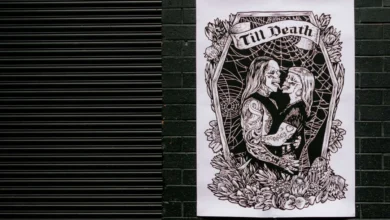
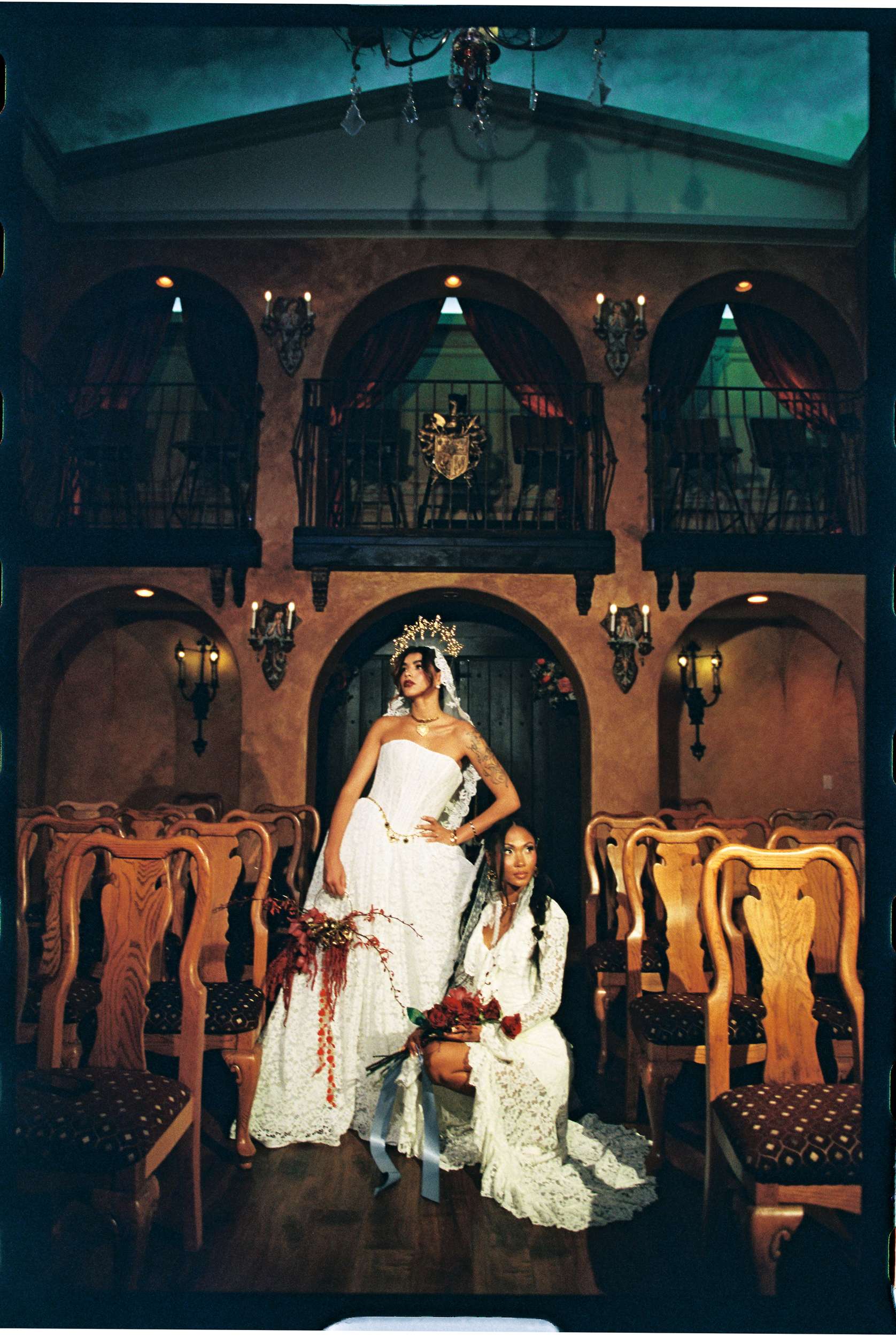
The traditional Las Vegas wedding industry, long defined by the high-octane imagery of neon-lit chapels, Elvis impersonators, and standardized "quick-fix" ceremonies, is currently undergoing a quiet but profound transformation. A new collaborative project, spearheaded by Rare Hearts Studio, has introduced a sophisticated, moody, and deeply personal aesthetic that challenges the conventional tropes of the city’s elopement scene. By centering the “sacred heart”—a powerful symbol within Latin American culture—and reinterpreting it through a queer, contemporary lens, the project offers an alternative vision for couples who feel marginalized or detached from the mainstream “Vegas look.”
The Genesis of a New Concept
The impetus for this editorial project originated from a desire to address a gap in the market. Rare Hearts Studio observed that while Las Vegas remains the wedding capital of the world, many ceremony packages lack cultural nuance, often prioritizing speed and spectacle over personal identity. To combat this, the creative team conceptualized a narrative that weaves together threads of Latino heritage with a dark, romantic sensibility.
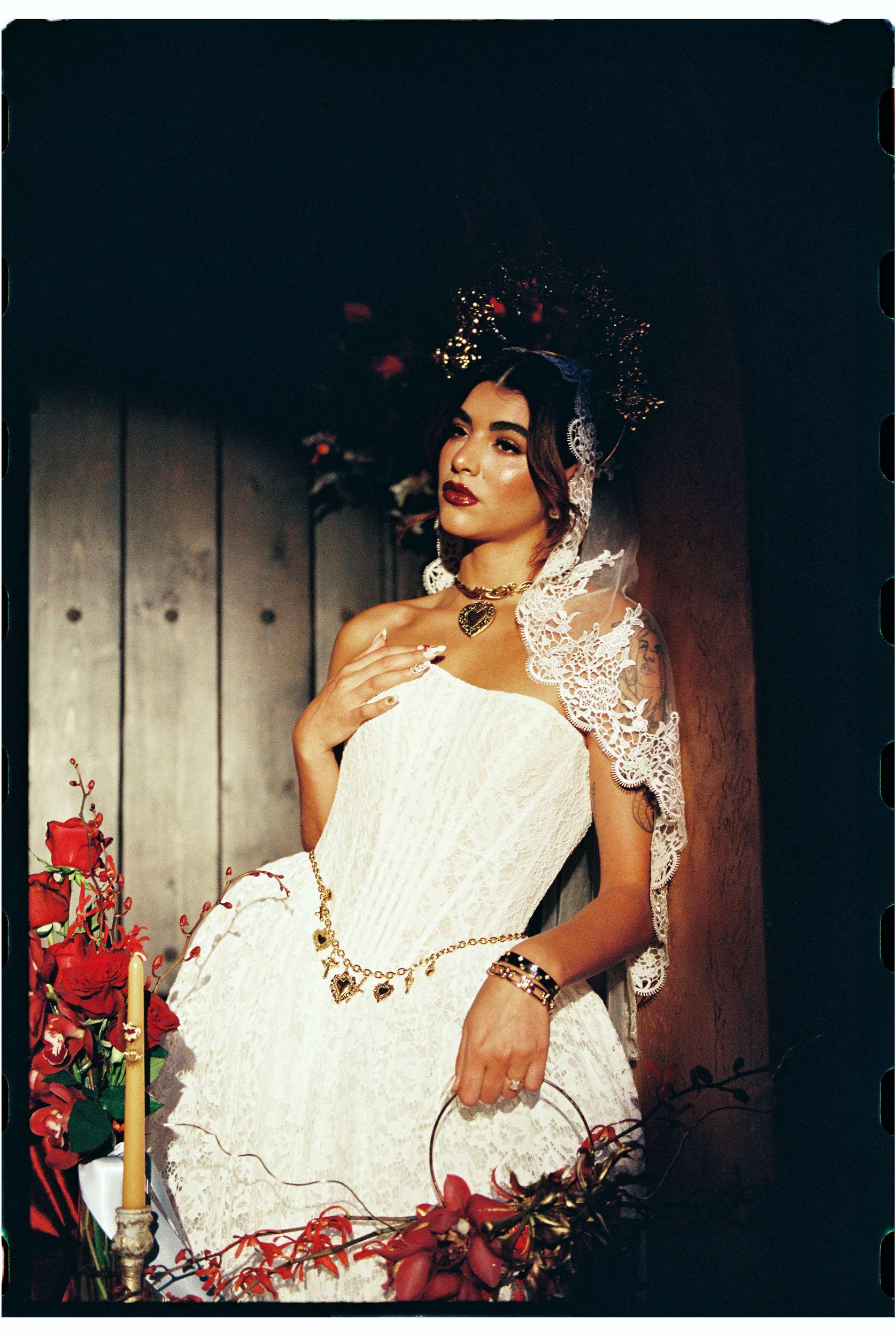
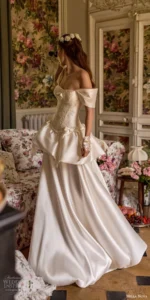
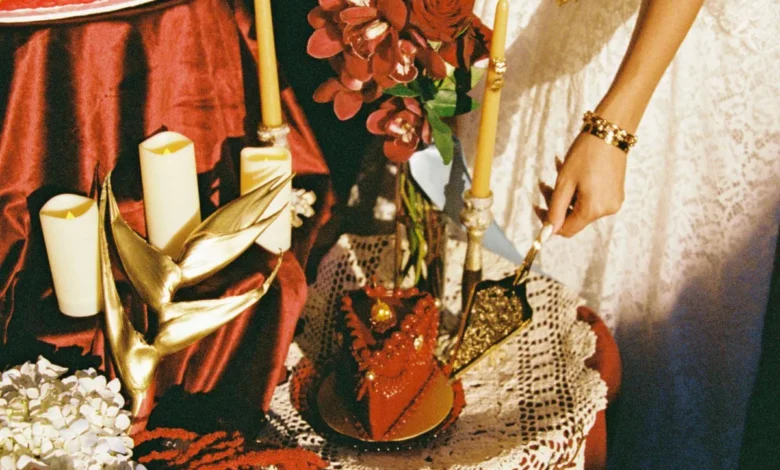
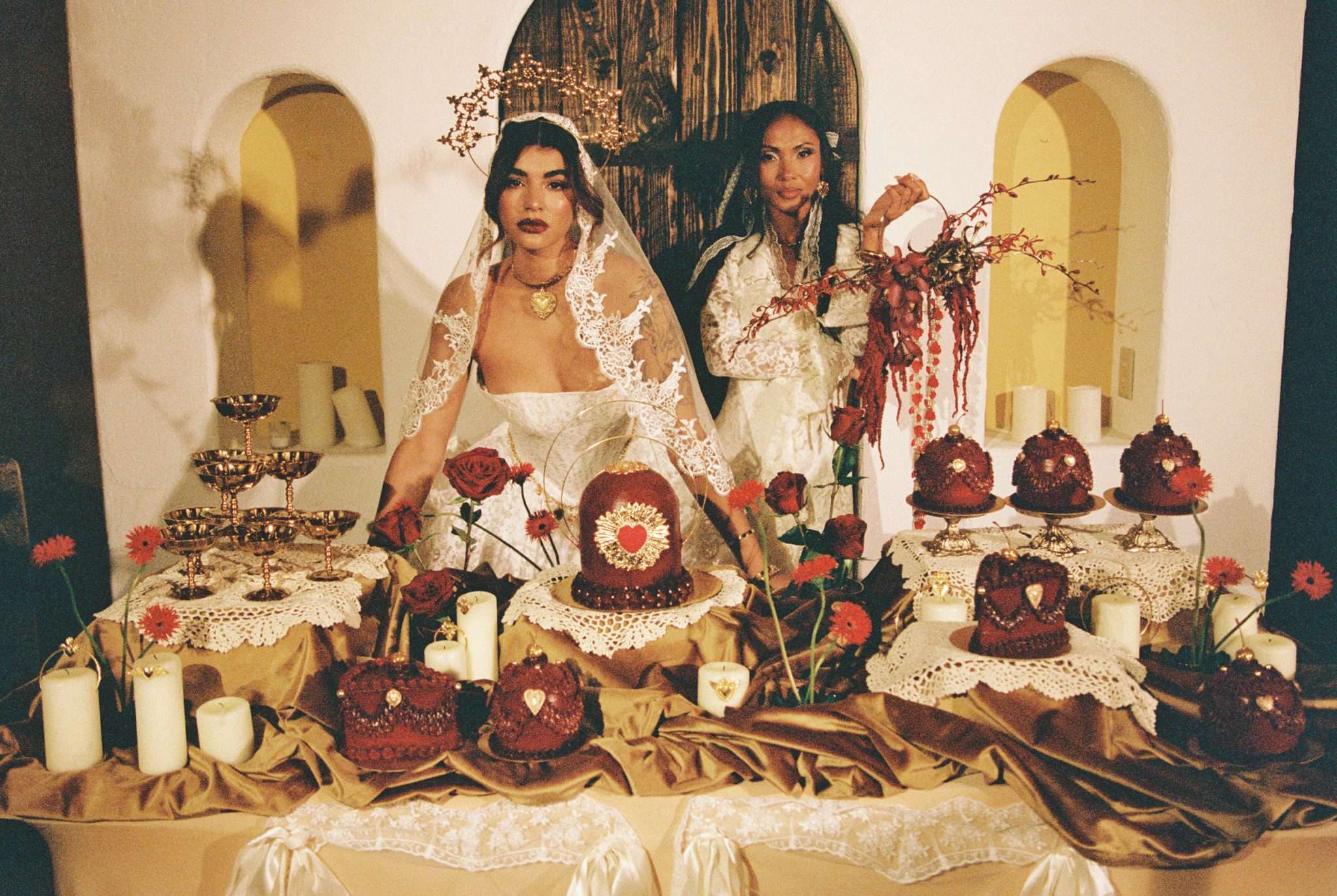
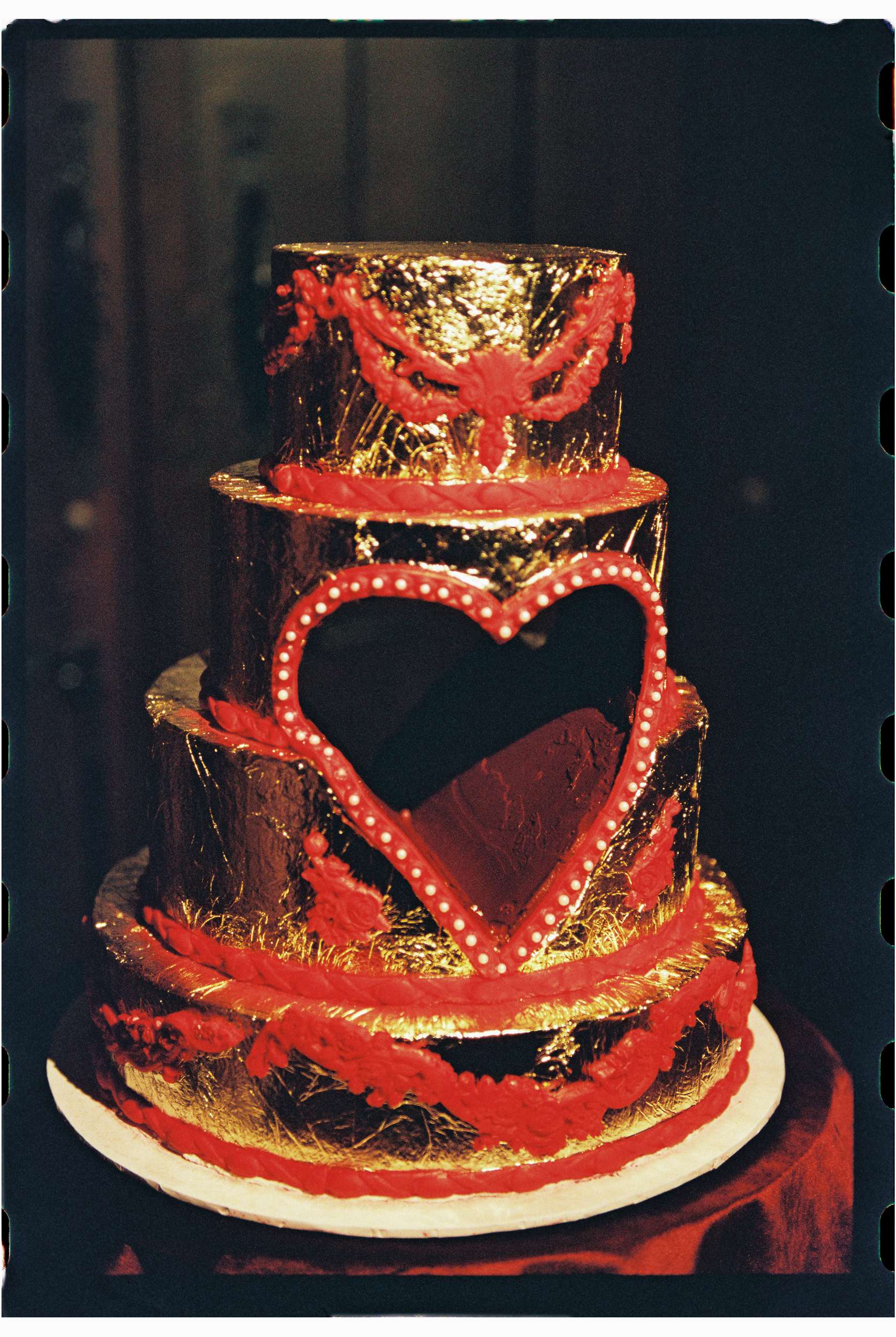
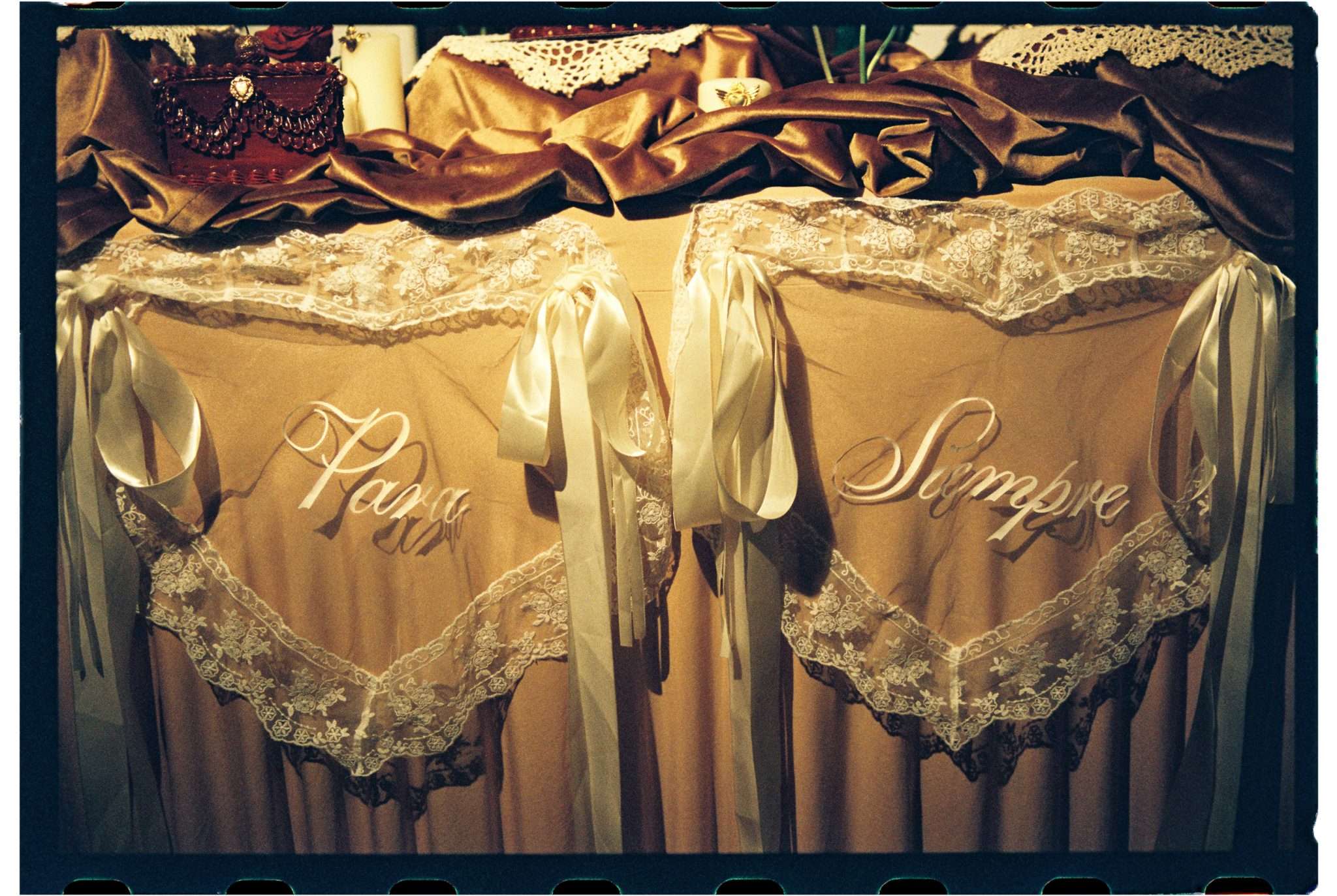
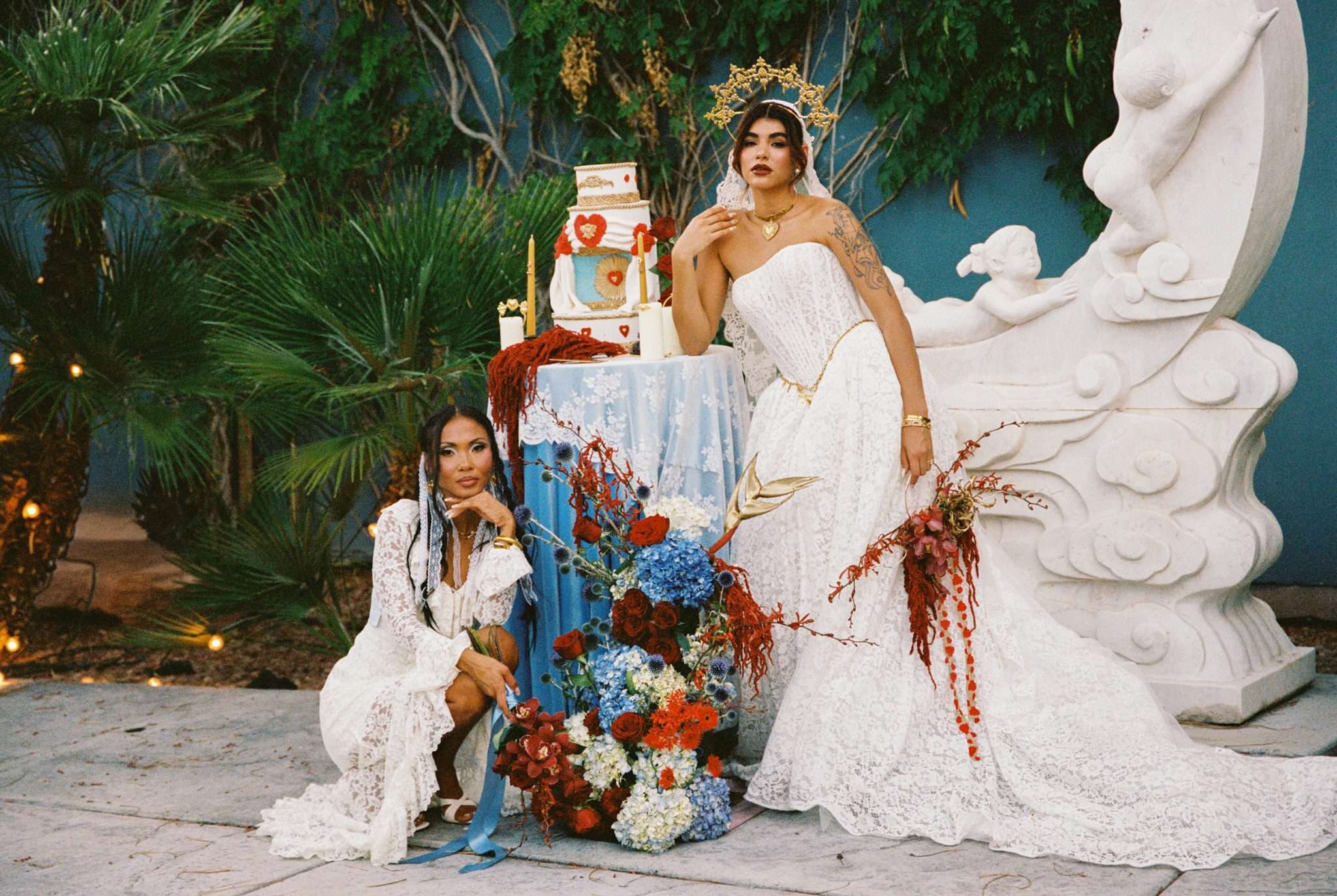
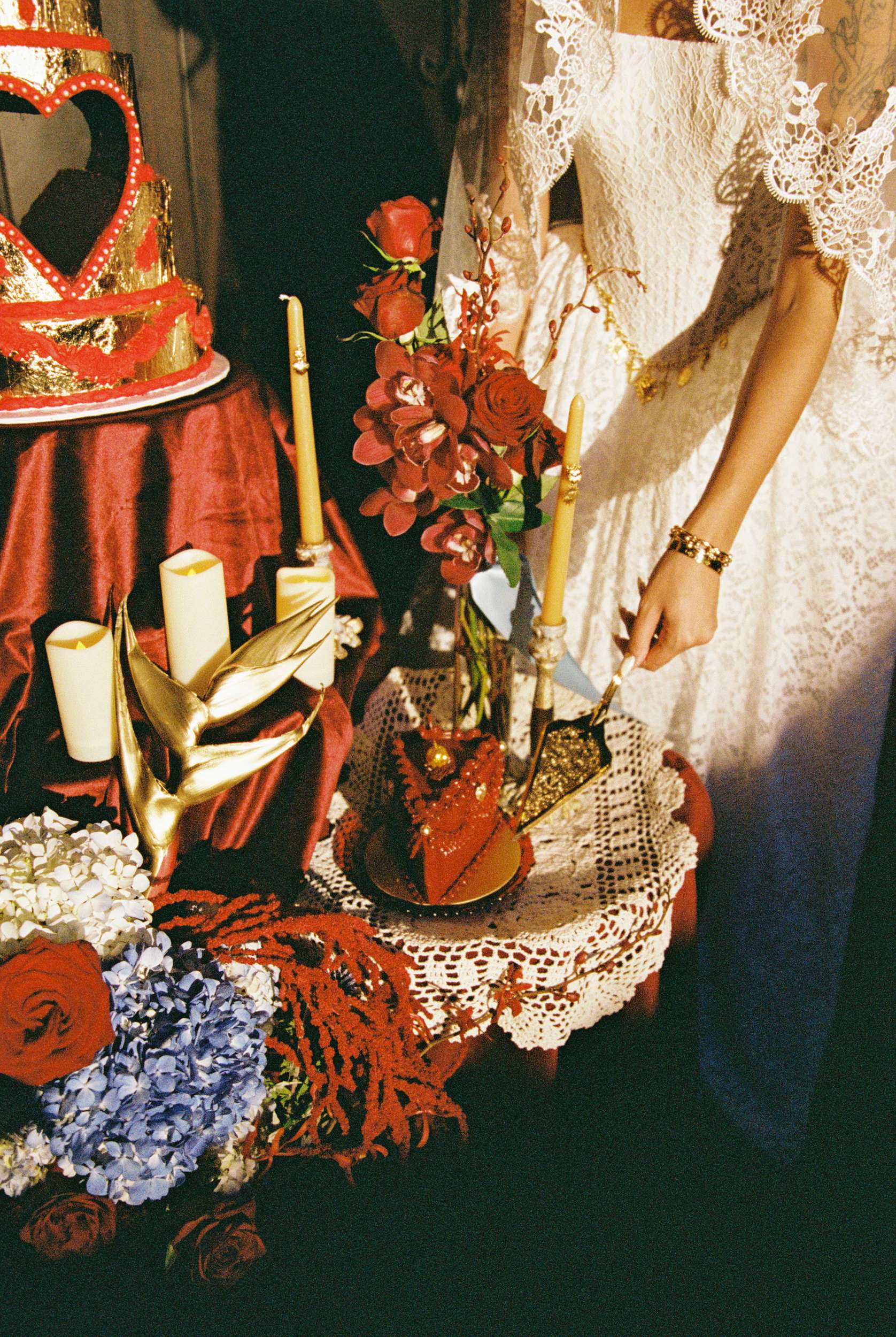
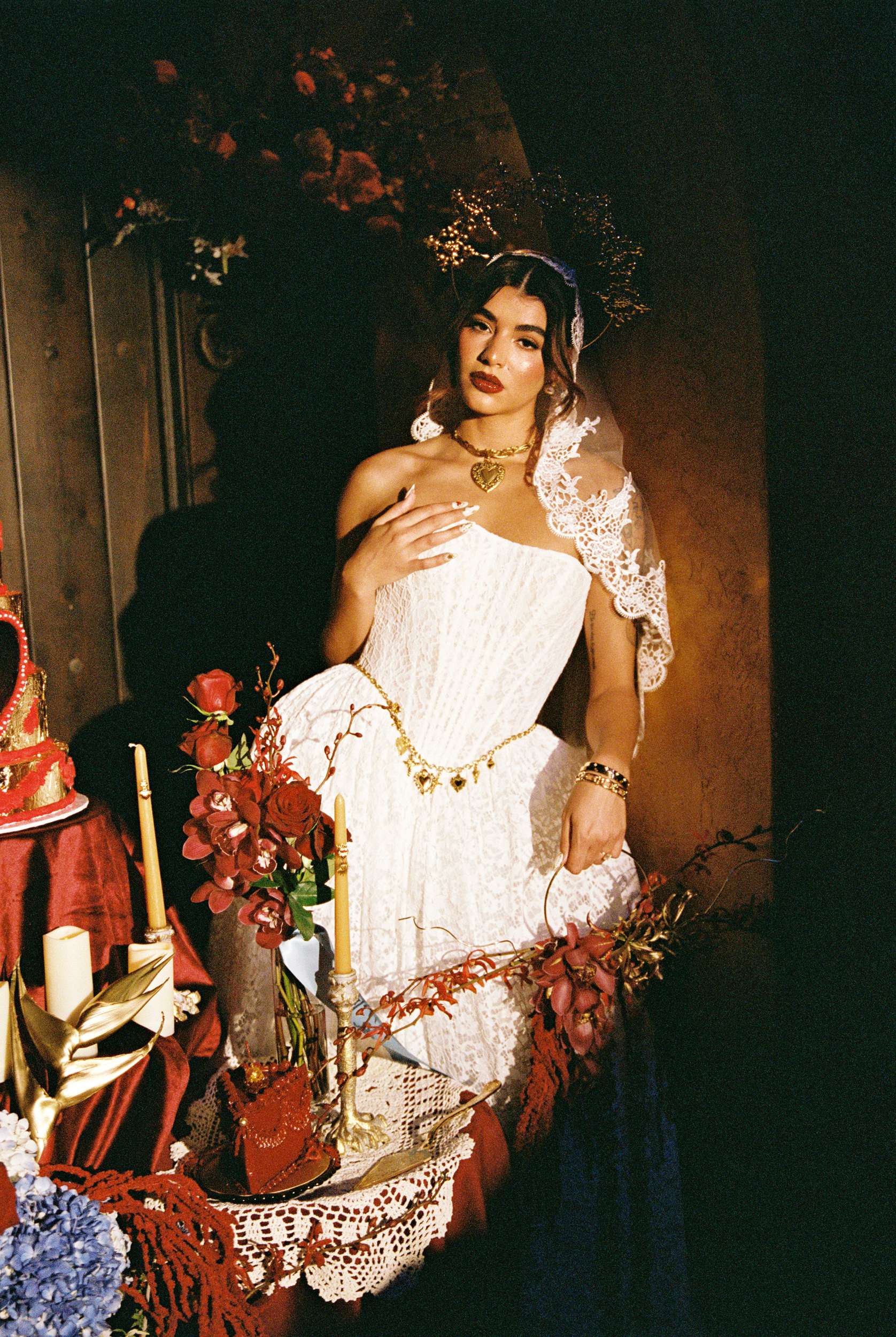
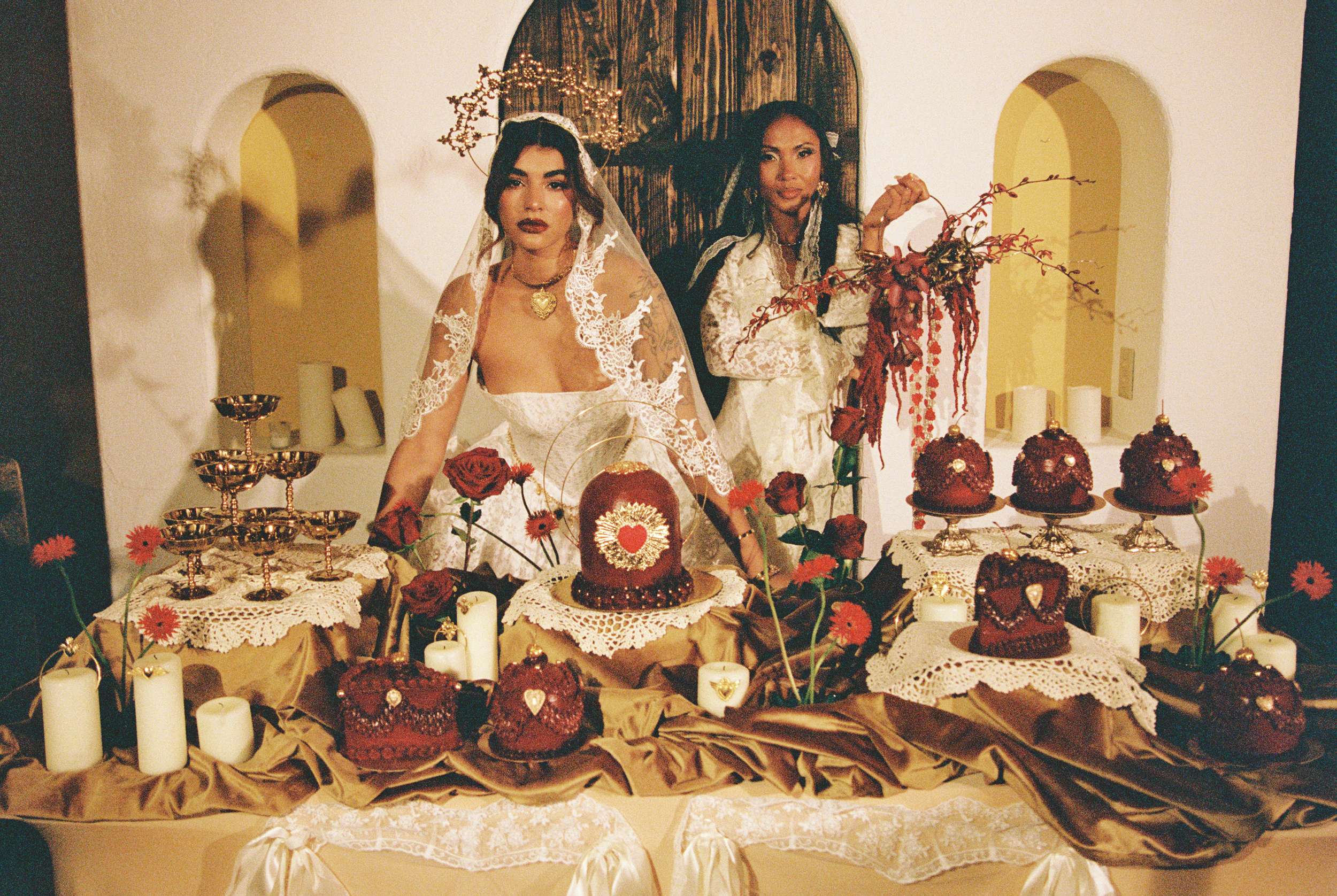
The aesthetic, which utilizes rich textures such as intricate lace, deep-toned floral arrangements, and elaborate, thematic confectionery, marks a departure from the high-contrast, bright photography often associated with desert ceremonies. The project was executed through a multi-faceted collaboration between photography houses—Velvet Alchemy Photos, Cruz Valentin Photography, and Cactus Bloom Photography—each contributing to a cohesive visual language that blends digital precision with the timeless, grain-heavy quality of analog film.
Chronology and Execution of the Vision
The development of the shoot was a meticulous process that spanned several months of conceptualization and planning. The team began with the “sacred heart” motif, which serves as a nexus between historical Catholic iconography and modern artistic expression.
- Conceptualization Phase (Months 1-2): The creative team established the thematic pillars: heritage, queerness, and intimacy. They sourced props and attire that reflected a fusion of traditional devotion and modern, gender-fluid fashion.
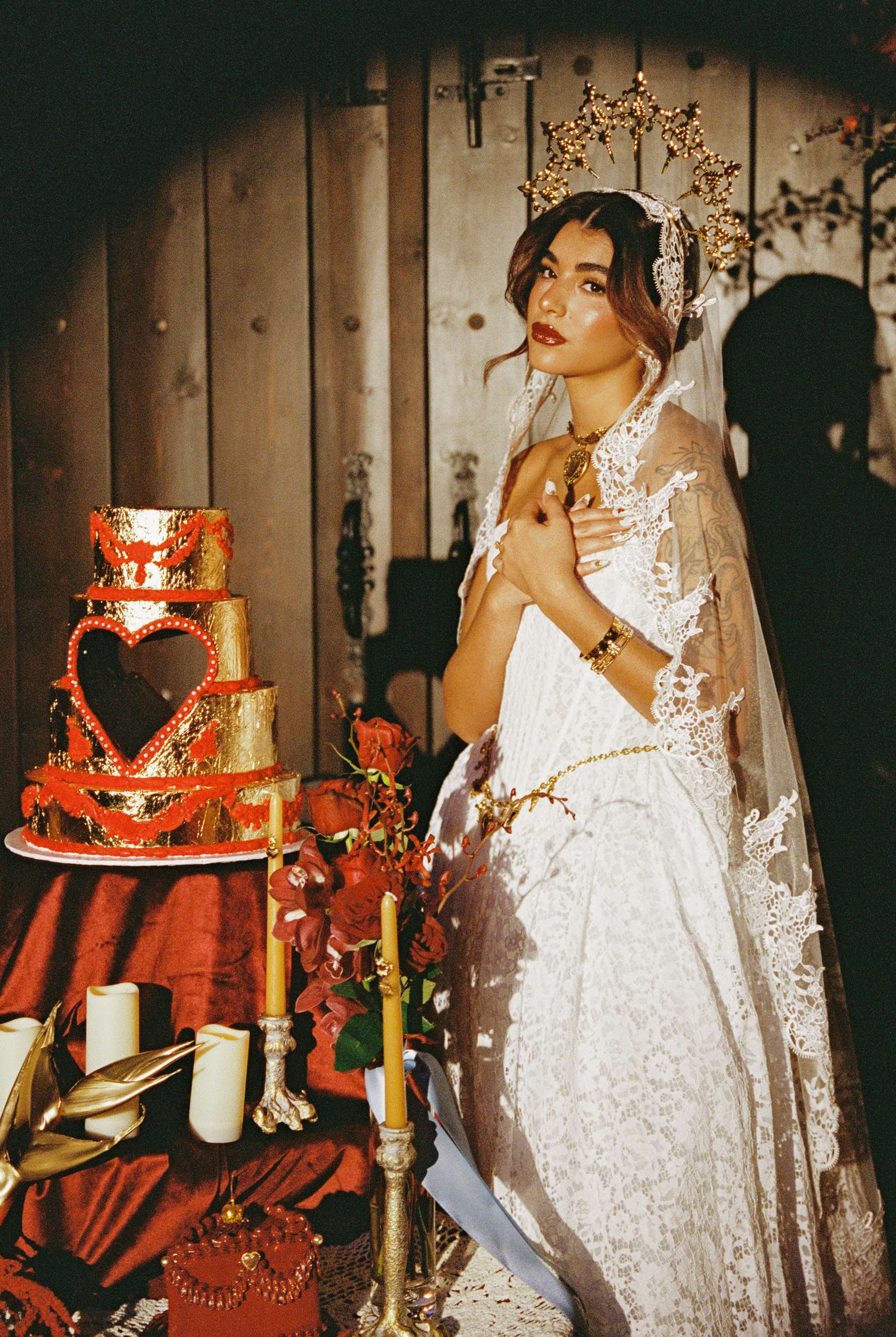
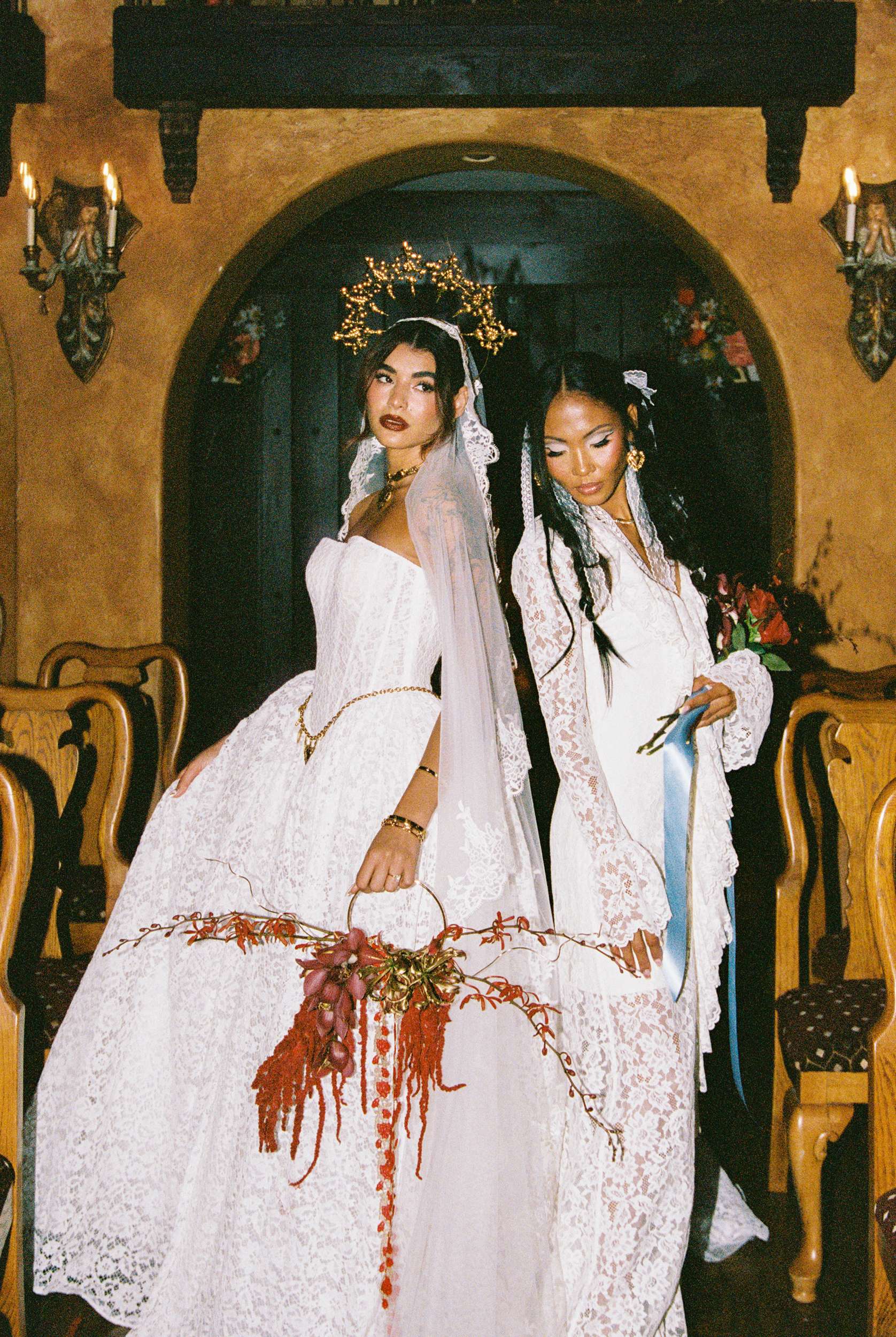
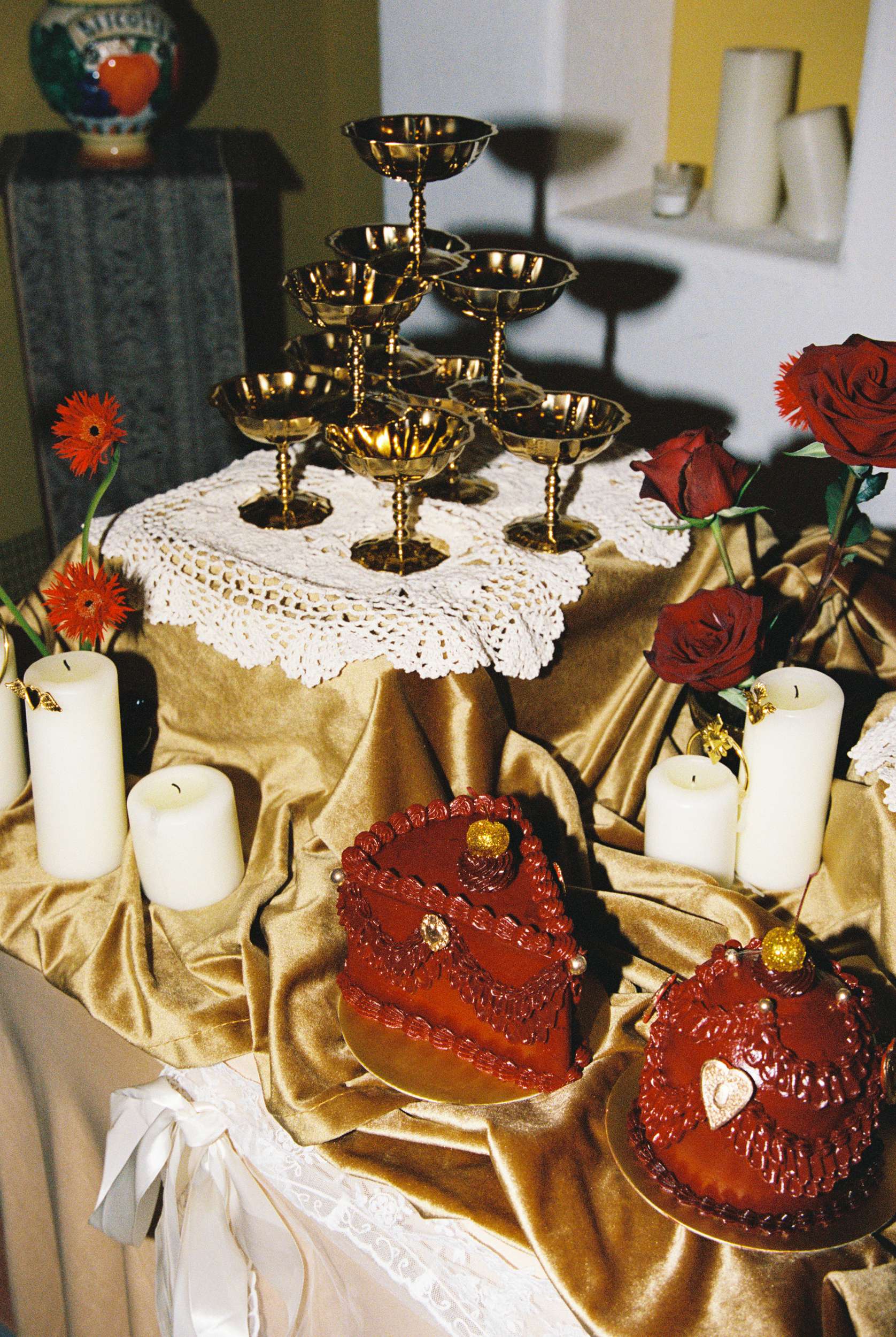
- Design and Styling (Month 3): The team curated a color palette dominated by blood-red, deep velvet, and ornate metallic accents. The integration of lace and religious-inspired imagery was designed to ground the shoot in a sense of history while maintaining a contemporary edge.
- Production and Photography (The Shoot Day): The session took place in various locations that allowed for a moody, controlled environment. The use of both digital and film cameras was a strategic choice to capture both the sharpness of modern design and the emotional, nostalgic warmth of traditional film.
- Post-Production (Month 4): The editing process focused on maintaining the “moody” atmosphere, ensuring that the lighting emphasized the textures of the set and the emotional depth of the subjects.
Industry Context and Statistical Trends
Las Vegas continues to be a dominant force in the global destination wedding market. According to data from the Clark County Clerk’s Office, the region consistently processes over 70,000 marriage licenses annually. Historically, this volume has been sustained by a “one-size-fits-all” model that emphasizes convenience.
However, market research indicates a significant shift in consumer behavior post-2020. There is a marked increase in demand for “micro-weddings” and “elopements” that prioritize personalization over guest counts. Couples are increasingly seeking vendors who can curate experiences that reflect their ethnic backgrounds, sexual orientation, or personal subcultures. This project by Rare Hearts Studio aligns with this broader trend, signaling a maturation of the Las Vegas wedding industry where niche, identity-driven aesthetics are gaining commercial viability.
Perspectives on Representation
The inclusion of queer Latino representation is a central pillar of the project’s mission. For the creative team, this was not merely an aesthetic choice but a necessary act of visibility.
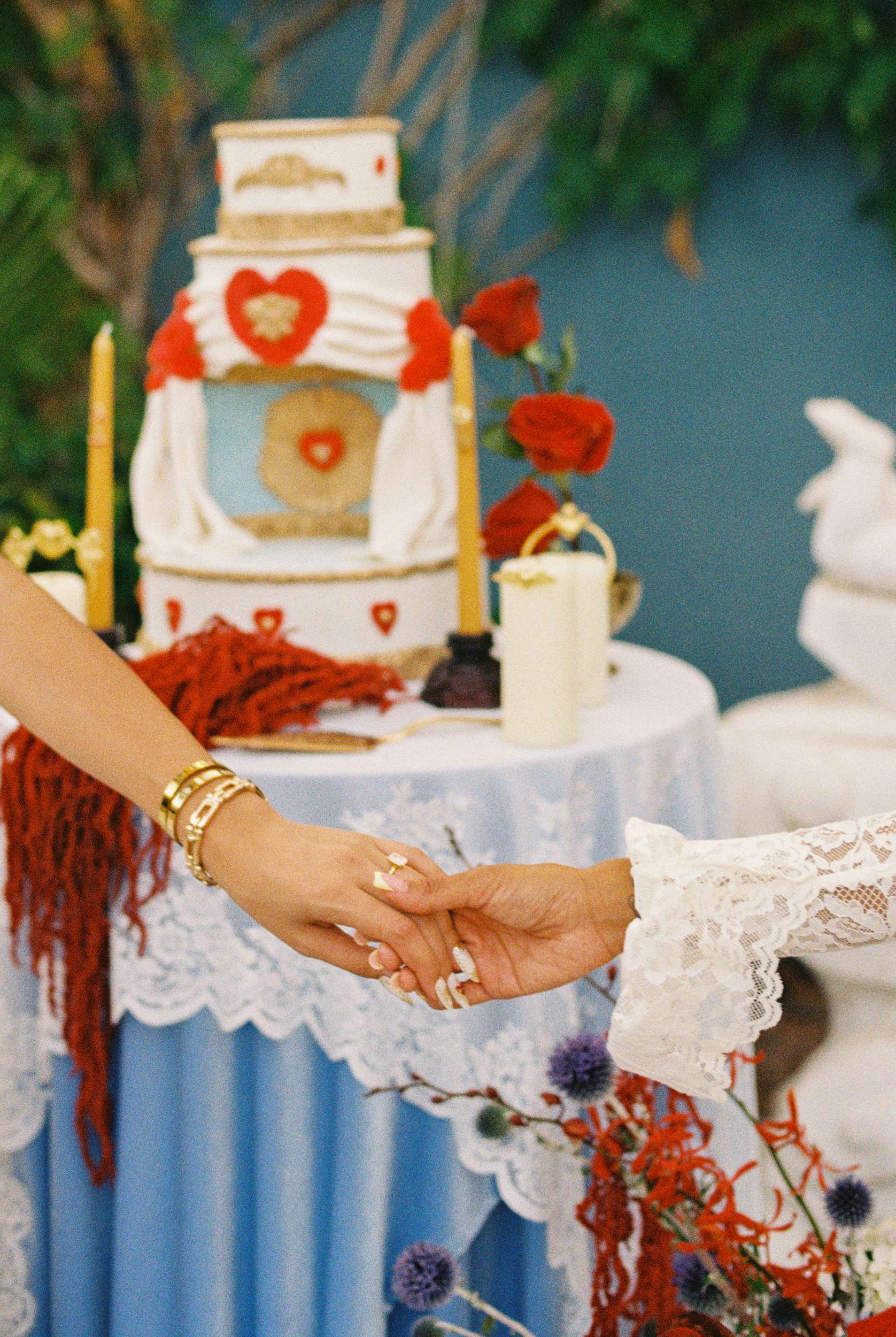
“We wanted to showcase our Latino background while creating space for queer couples who often feel left out of traditional wedding narratives,” representatives from the creative team noted. The project serves as a rebuttal to the idea that heritage and modern, non-traditional identities are mutually exclusive. By placing queer, Latino individuals at the center of a high-fashion, high-concept wedding editorial, the collaborators are actively diversifying the imagery that represents “The Vegas Wedding.”
Implications for the Wedding Industry
The broader impact of this initiative suggests a changing landscape for wedding planners and photographers in Nevada. As couples become more discerning, the pressure on vendors to provide bespoke, culturally resonant experiences increases. This project demonstrates that intimacy does not preclude high-end production value.
For the Las Vegas tourism and wedding sector, this signifies a move away from the "drive-thru" stigma. Instead, it positions the city as a viable location for sophisticated, intimate, and meaningful ceremonies. It challenges the industry to move beyond the superficial markers of "Vegas kitsch" and instead offer a canvas where personal history, religion, and identity can be synthesized.
Technical Analysis: The Visual Language of the Project
The aesthetic success of the shoot rests on the deliberate use of light and composition. The photographers involved utilized shadows to create a sense of mystery and intimacy, contrasting with the harsh, flat lighting often used in high-volume, budget-friendly wedding photography. The decision to incorporate film photography adds a layer of authenticity to the “sacred” theme, as the physical nature of film aligns with the tactile, organic elements of the set design.
The inclusion of elaborate, thematic cakes and floral arrangements acts as a secondary narrative device. In many Latin American traditions, these elements are not just decorations but are central to the celebration of life, death, and devotion. By elevating these elements, the team successfully bridged the gap between a standard editorial shoot and a meaningful cultural statement.
Conclusion
The work of Rare Hearts Studio and its partners represents a significant milestone in the evolution of the Las Vegas wedding scene. By proving that a city known for its superficial neon lights can also host deeply intimate, culturally significant, and queer-inclusive ceremonies, the team has expanded the possibilities for future couples.
As the wedding industry continues to recover and adapt to the post-pandemic landscape, the success of this project serves as a case study in the power of authenticity. It highlights that even in a city built on artifice, there is a profound, growing market for experiences that honor the roots, identities, and unique stories of those who choose to marry there. Whether it is through the lens of heritage or the embrace of modern queer identity, the future of the Las Vegas wedding is looking increasingly diverse, thoughtful, and—above all—personal.