Investing in Climate Adaptation: Cornell University Study Reveals Bangladesh Garment Factory Heat Solutions Pay for Themselves in Years

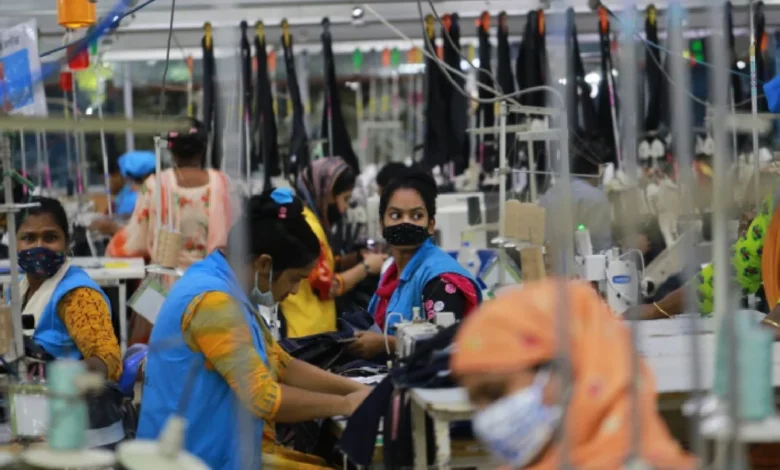
The accelerating pace of global climate change has presented severe operational and humanitarian hurdles for manufacturing hubs across the Global South, with the readymade garment (RMG) sector in Bangladesh finding itself on the front lines of this crisis. A comprehensive new university research report has revealed that targeted financial investments aimed at reducing indoor heat stress within Bangladeshi apparel factories can entirely recover their initial capital costs within one to four years. Beyond the rapid financial payback, these strategic interventions offer a dual benefit: drastically limiting worker exposure to dangerous thermal environments and simultaneously improving overall productivity across a vital export industry.
The groundbreaking study, titled Six seasons, four summers: Inside fashion’s high heat problem and how to solve it, was conducted by Cornell University in close collaboration with BRAC University, YGEN Engineering, and the Bangladesh Centre for Worker Solidarity. By combining rigorous indoor and outdoor temperature and humidity readings, engineering assessments, exhaustive worker surveys, and micro-level monitoring of 37 workers inside their respective homes in Dhaka, the research delivers an unprecedented look at how unchecked thermal stress threatens the backbone of global fast fashion.
The Anatomy of a Seven-Month Heat Stress Season
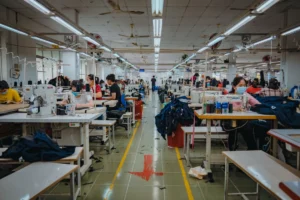
The empirical findings of the study paint an alarming picture of Dhaka’s climatic reality. In 2025, the capital city endured a grueling seven-month heat-stress season—a duration that researchers have classified not as an anomalous weather event, but as "the new norm" for the region. Throughout this prolonged period, indoor factory temperatures consistently outpaced outdoor ambient readings due to the dense concentration of machinery, lighting, and human labor, coupled with structural architectural deficiencies.
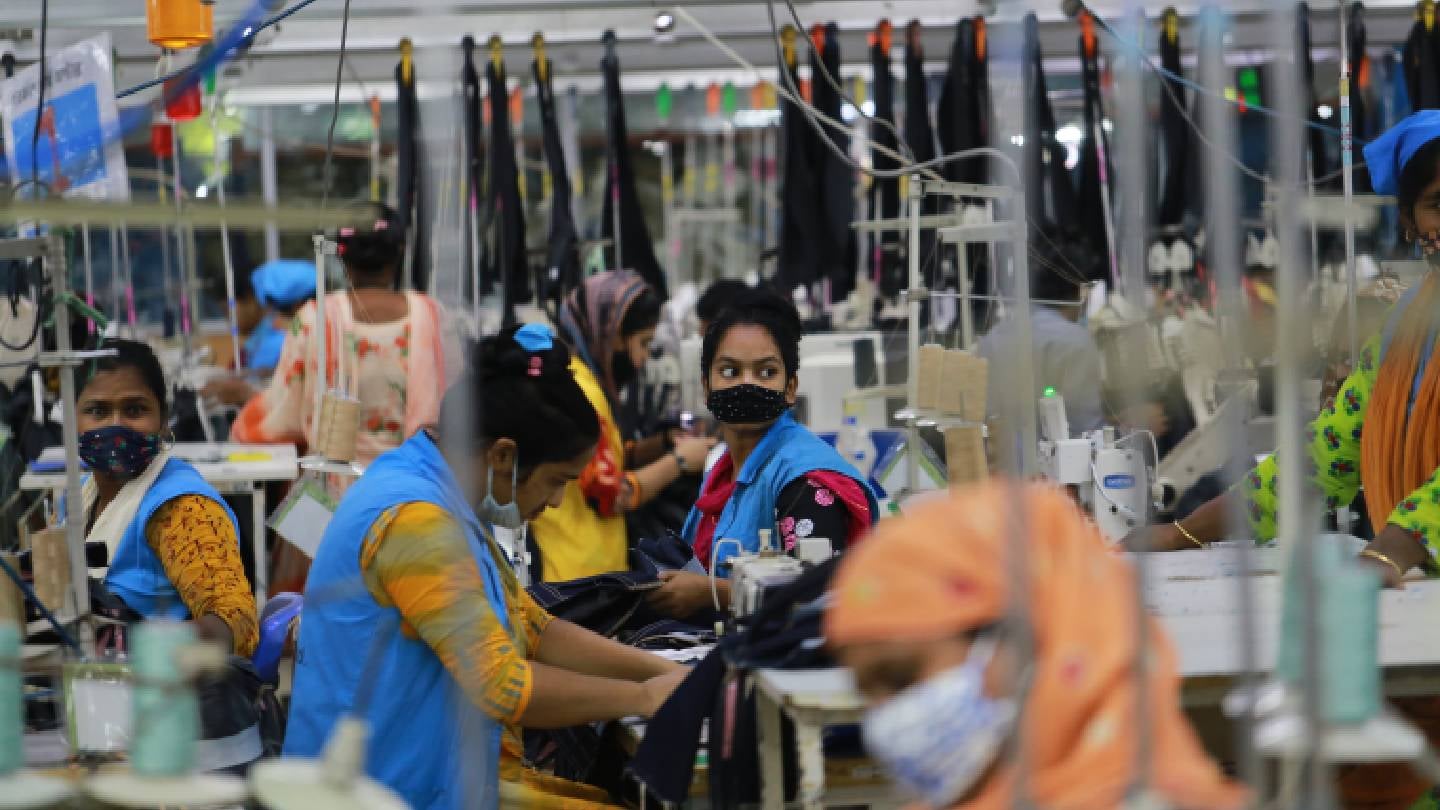
Specific zones within the facilities bore the brunt of this thermal burden. Ironing, pressing, and finishing departments recorded the highest exposure levels, forcing operators to spend substantial portions of their shifts trapped within caution, high, or severe heat-stress zones. Despite these hazardous working environments, survey data indicated that workers routinely persisted through dangerous conditions out of economic necessity, fearing wage losses, disciplinary action, or dismissal if output slowed.
The physical toll of these conditions extended far beyond the factory gates. The Cornell-led research team examined living conditions away from the workplace, uncovering a compounding cycle of exhaustion and financial strain. Abnormally hot nights severely disrupted workers’ sleep patterns, preventing adequate physical recovery between shifts. Consequently, workers reported incurring significant personal debt, pawning cherished personal belongings, or cutting back on essential household expenditures—such as nutritious food and medical care—solely to afford fans, electricity, and basic cooling necessities during the hottest months of the year.
Engineering Solutions and Rapid Financial Payback
Despite the gravity of these challenges, the Cornell report offers a clear and actionable roadmap for mitigation. Comprehensive engineering assessments conducted across eight representative garment factories in Dhaka identified three primary structural interventions: enhanced roof insulation, upgraded natural and forced ventilation systems, and targeted mechanical cooling solutions.
When implemented, these measures successfully lowered indoor thermal exposure to safer thresholds. Crucially, the financial analysis embedded within the report challenges the persistent industry myth that sustainability and climate adaptation are pure cost centers. Under a conservative "headwinds" scenario—which accounted for higher-than-average capital expenses, elevated energy costs, and modest productivity gains—the average payback period across the surveyed factories stood at 2.9 years. Even under the worst-case scenario modeled by the researchers, the initial capital outlay was fully recovered in slightly more than four years.
Furthermore, the data demonstrated that heat stress was directly associated with an average 4.1% loss in working-time productivity across the evaluated sites. By mitigating fatigue, reducing heat-induced errors, and curbing absenteeism, the capital investments effectively paid for themselves through preserved and enhanced labor output.
Scaling Up: Financial Scope and Sector-Wide Implications
Scaling these vital adaptations across the entirety of Bangladesh’s expansive apparel export ecosystem is both an economic necessity and a manageable fiscal undertaking. According to the report’s projections, a nationwide program to address high heat stress across the country’s RMG sector would require an estimated $239 million in total capital expenditure.
When distributed evenly over a three-year implementation timeline, this capital investment equates to a mere 0.2% of the sector’s total projected 2025 apparel export revenue. Industry analysts note that this minor expenditure pales in comparison to the existential macroeconomic risks highlighted in earlier academic warnings.
The current findings build directly upon Cornell University’s landmark 2023 Higher Ground research, conducted in partnership with Schroders. That earlier analysis projected that extreme heat and climate-driven flooding could place up to $65 billion in apparel exports at risk across Bangladesh, Cambodia, Pakistan, and Vietnam by the year 2030. For Bangladesh specifically, the previous study estimated that unmitigated climate hazards could jeopardize $27 billion in exports and threaten 250,000 potential jobs.
Stakeholder Perspectives and the Call for Shared Responsibility
Addressing a systemic crisis of this magnitude requires moving away from the paradigm that treats heat adaptation solely as an isolated, factory-level operational expense. Experts emphasize that meaningful change demands multi-stakeholder coordination, bringing together manufacturers, international fashion brands and buyers, labor unions, government ministries, and international institutions.
Weighing in on the urgency of the findings, Jason Judd, executive director of Cornell University’s Global Labor Institute, underscored the dual imperative for action. "The problem is urgent and we already know what can be done to reduce heat stress," Judd stated. "There are practical solutions available to manufacturers. Addressing heat stress makes sense from both business and worker health and safety perspectives. The challenge now is deciding how to share the costs fairly and scaling these solutions across the industry. This means acting together—employers, buyers, workers, government—including through mandatory programmes such as the International Accord, which provide a framework for putting solutions into practice and spell out how responsibility is shared."
Echoing the necessity for customized, pragmatic interventions rather than blunt, blanket mandates, Tareq Ahmed Robin, managing director of YGEN Engineering Dhaka, pointed to the diversity of architectural designs within the industrial landscape. "There is no one-size-fits-all solution to heat stress," Robin explained. "Every factory is different, so measures need to reflect the factory’s design and production processes. The important thing is to start now, with practical steps—insulation, improved airflow, active cooling for the hottest areas—and to build on these measures as heat stress rates go higher."
A Chronology of Climate Vulnerability in South Asian Manufacturing
To fully contextualize the release of the Cornell-BRAC study, it is instructive to trace the growing body of research dedicated to environmental pressures on the South Asian garment sector:
- Pre-2020: Academic focus on garment factory safety largely centers on structural integrity, fire prevention, and electrical standards in the wake of tragic historical disasters, while environmental workplace conditions remain secondary.
- 2023: Cornell University and Schroders publish the Higher Ground report, providing the first major macroeconomic quantification of climate risks. The study warns that extreme weather could endanger tens of billions of dollars in export value across South and Southeast Asia by the end of the decade.
- 2024: Meteorological data records unprecedented heatwaves across Dhaka and surrounding industrial belts, with sustained high temperatures leading to widespread worker fatigue, localized walkouts, and anecdotal reports of fainting on factory floors.
- 2025: A prolonged seven-month heat-stress season blankets Dhaka. Concurrently, Cornell, BRAC University, YGEN Engineering, and the Bangladesh Centre for Worker Solidarity launch an intensive, year-long empirical study tracking eight factories and households.
- 2026: The official release of Six seasons, four summers bridges the gap between macroeconomic forecasting and micro-level engineering solutions, proving the financial viability of immediate factory retrofits.
Broader Economic and Policy Implications
As global fashion brands face mounting legislative pressure regarding supply chain due diligence, environmental, social, and governance (ESG) compliance, and human rights mandates, the integration of occupational heat safety into corporate procurement strategies has become paramount.
International brands and retail giants that source heavily from Bangladesh can no longer view factory conditions strictly through the lens of labor compliance audits. The financial viability of their supply chains is directly tethered to the physical resilience of the workforce against rising global temperatures. Without equitable cost-sharing mechanisms—where international buyers absorb a fair share of the $239 million required capital investment through responsible purchasing practices and stable pricing—the burden risks falling disproportionately on local manufacturers operating on razor-thin profit margins.
Furthermore, policymakers in Dhaka face increasing pressure to incorporate workplace thermal regulations into national labor laws and industrial zoning guidelines. As the seven-month heat-stress season solidifies into a permanent operational reality, the future competitiveness of Bangladesh’s RMG sector will depend heavily on its ability to modernize its physical infrastructure.
Ultimately, the Cornell University study demonstrates that protecting workers from the ravages of extreme heat is not merely a philanthropic endeavor, but an indispensable economic strategy. By proving that climate adaptation measures pay for themselves within a few short years while safeguarding human health and productivity, the research provides a vital blueprint for the sustainable evolution of the global garment industry.