Sustainable Fashion Pioneer Kelli Donovan on Manta Rays, Environmental Stewardship, and the Legacy of Craftsmanship

The global fashion industry is currently navigating a period of profound reckoning, characterized by the dual pressures of consumer demand for rapid trend cycles and the urgent environmental necessity for systemic change. Recent industry data indicates that the fashion sector is responsible for approximately 8% to 10% of global carbon emissions and is a significant contributor to ocean microplastic pollution through the shedding of synthetic fibers. Against this backdrop, designers such as Kelli Donovan are emerging as critical figures in the movement toward circularity and ethical production. With a career spanning three decades, Donovan has transitioned from a traditional designer to a vocal advocate for sustainable practices, drawing inspiration from the rugged landscapes of her Australian upbringing and the technical precision passed down through her family lineage.
A Foundation in Nature and Heritage
Kelli Donovan’s design philosophy is deeply rooted in the geography of Canberra, Australia. Often described as a "bush capital," the city’s proximity to untamed mountain ranges and extensive walking trails provided a formative backdrop for her appreciation of ecological systems. This early exposure to the environment fostered a perspective that prioritized the preservation of natural beauty over the transient nature of modern commerce.
However, her technical foundation lies in a more personal history: the influence of her grandmother, Annie Muir, a professional tailor from Glasgow. The artisanal standards set by Muir—prioritizing high-quality textiles and purposeful, long-lasting construction—form the bedrock of Donovan’s current approach. This mentorship instilled a fundamental principle: that the labor invested in a garment is invalidated if the underlying materials are of poor quality or environmentally destructive. In an era dominated by "ultra-fast fashion," this intergenerational wisdom serves as a counter-narrative, suggesting that true luxury is found in longevity rather than volume.
The Evolution of Sustainable Design: A Chronology
Donovan’s career trajectory mirrors the broader industry shift toward sustainability. Her early work in the 1990s and early 2000s took place during the height of mass-market retail expansion, a period she now critiques for its disregard for ecological impact. By the mid-2010s, as global awareness regarding landfill waste and textile pollution reached a critical mass, Donovan pivoted her business model to prioritize ethical sourcing and zero-waste design.
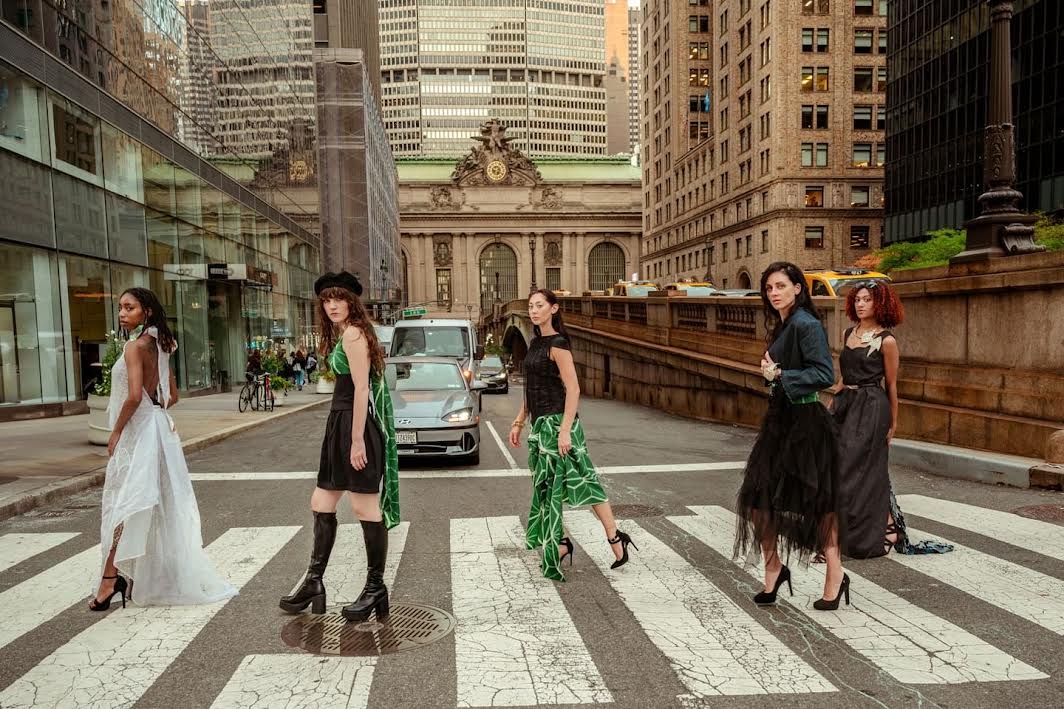
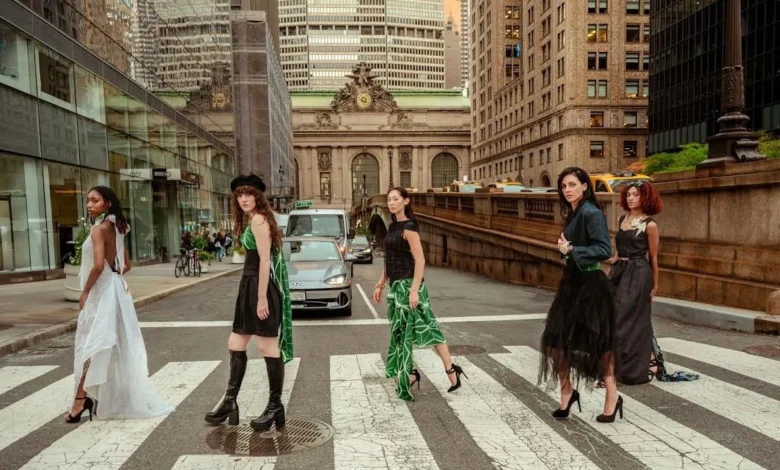
Her most recent collection, titled "Sleeping Beauties," represents a thematic alignment with the 2024 Metropolitan Museum of Art’s Costume Institute exhibition, though Donovan maintains that the convergence is a coincidence of intent rather than design. While the Met exhibition focuses on the preservation of historical garments, Donovan’s collection serves as an environmental commentary on oversupply. By creating a limited run of pieces, she seeks to challenge the industry’s standard practice of over-production, which leads to millions of tons of unsold inventory being incinerated or sent to landfills annually.
Data and Environmental Impact: The Manta Ray Initiative
One of the most distinct aspects of Donovan’s recent portfolio is the "Manta Ray Collection," an initiative designed to draw attention to the intersection of textile waste and marine conservation. The Giant Manta Ray serves as a biological metaphor for her brand’s mission: a creature that occupies a significant role in the ocean’s ecosystem while moving with minimal impact.
The correlation between fashion and marine health is well-documented. Research published by the International Union for Conservation of Nature (IUCN) suggests that synthetic textiles are a primary source of primary microplastics in the ocean. When garments made of polyester, nylon, or acrylic are laundered, they release thousands of microfibers that eventually flow into water systems. Donovan’s collection acts as a vehicle for public education, highlighting how the "fast fashion" model—which relies heavily on cheap, synthetic fabrics—directly contributes to the degradation of aquatic environments. By advocating for natural, biodegradable materials and durable construction, her work seeks to mitigate the consumer contribution to this systemic issue.
Expert Perspectives on Ethical Fashion
Industry analysts suggest that the model Donovan promotes—often termed "slow fashion"—is gaining traction among younger demographics who are increasingly wary of "greenwashing." Dr. Elena Rossi, a sustainable textiles consultant, notes that "designers like Donovan are not merely creating clothes; they are creating systems of accountability. When a designer emphasizes the provenance of a fabric or the ethical conditions of the manufacturing process, they shift the consumer’s role from a passive buyer to an active participant in an environmental solution."
However, the transition remains challenging. Small-to-medium enterprises (SMEs) face significant barriers, including higher material costs, limited access to ethical supply chains, and the difficulty of competing with the low price points established by global fast-fashion conglomerates. Despite these hurdles, the success of Donovan’s brand suggests that there is a viable market for products that prioritize transparency and longevity.
Strategic Advice for Emerging Designers
When asked about the future of the industry, Donovan emphasizes that the next generation of designers must look beyond traditional aesthetic training. Her advice centers on three pillars:
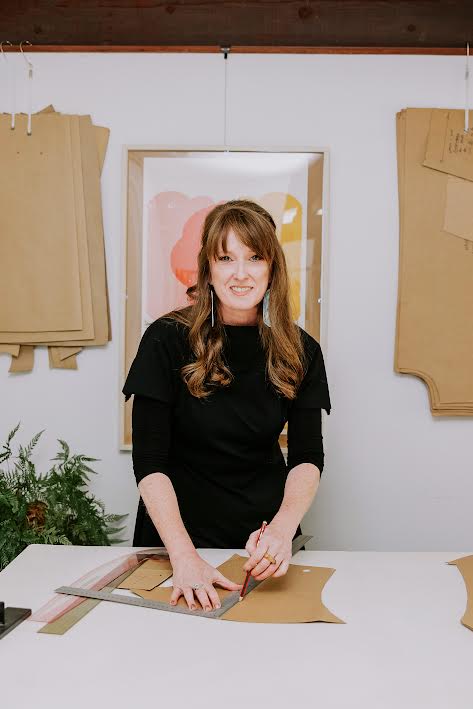
- Technical Versatility: Young designers are encouraged to experiment with waste-reduction techniques during the pattern-making process, ensuring that fabric utilization is maximized.
- Material Literacy: A deep understanding of textile chemistry and its environmental life cycle is essential to move away from synthetic dependency.
- Identity Over Trends: Donovan stresses that chasing seasonal trends is a trap that encourages waste. She advocates for finding a "unique superpower"—a signature style or technical innovation that renders a brand recognizable and durable regardless of the current retail climate.
Broader Implications and Future Outlook
The implications of Donovan’s work extend beyond individual garment sales. By integrating advocacy with design, she is participating in a broader cultural shift that questions the ethics of consumption. If the fashion industry is to reach the carbon reduction goals set out by international accords like the Paris Agreement, it must undergo a fundamental transformation in how it defines value.
The "Sleeping Beauties" and "Manta Ray" collections are representative of a larger, necessary trend toward accountability. As regulators in the European Union and other jurisdictions begin to implement "Extended Producer Responsibility" (EPR) laws, which make brands financially responsible for the end-of-life disposal of their products, designers who have already adopted circular principles will likely hold a competitive advantage.
Ultimately, Kelli Donovan’s career serves as a blueprint for the modern designer. By reconciling her childhood connection to the Australian landscape with the rigorous craftsmanship passed down from her grandmother, she provides a roadmap for a more sustainable future. The industry’s challenge, and the challenge for the consumer, remains the same: to move from an economy of extraction to an economy of stewardship. As Donovan’s work demonstrates, the most radical act in modern fashion may simply be the commitment to creating something that is designed to last.
Through her ongoing projects, Donovan continues to demonstrate that the marriage of ethics and aesthetics is not only possible but necessary for the survival of both the industry and the ecosystems upon which it relies. Whether through the lens of marine conservation or the quiet, enduring beauty of a well-tailored garment, her message is clear: the future of fashion will be measured not by the speed of its production, but by the integrity of its impact.