Nike Expands Jordan Brand Beyond Footwear with Strength Training Line Amid Broader Corporate Transition

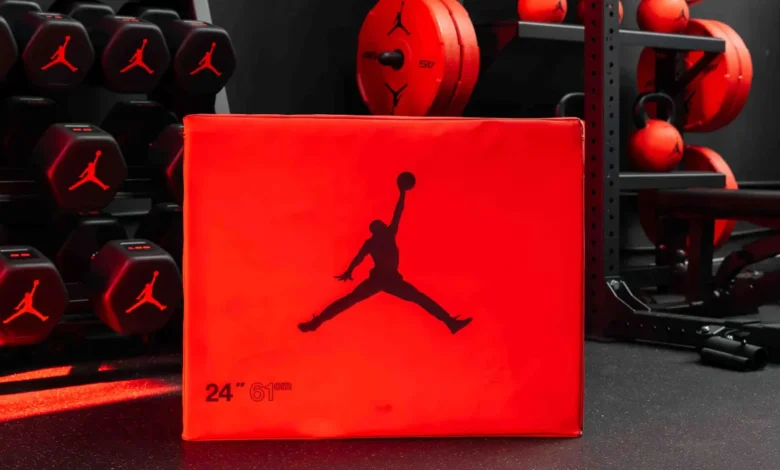
Nike is pushing the boundaries of its most iconic subsidiary by launching "Jordan Strength," a specialized line of strength training equipment that channels the competitive ethos and legacy of Michael Jordan. The rollout represents a calculated effort to diversify the Jordan portfolio far beyond its traditional stronghold in lifestyle and basketball footwear. This strategic pivot arrives at a critical juncture for the sportswear giant, which has openly acknowledged that it has become overindexed on classic footwear franchises like the Air Jordan, Air Force 1, and Dunk, prompting a company-wide restructuring and portfolio rebalancing under leadership.
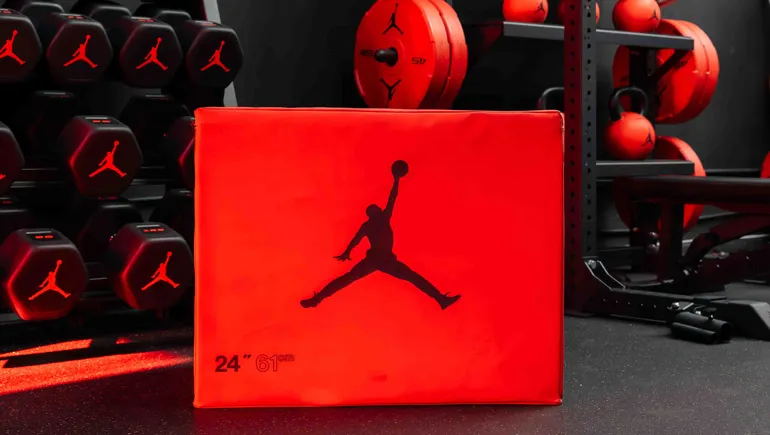
The newly unveiled Jordan Strength collection is designed to cater to a diverse demographic of athletes, scaling from individuals setting up home gyms to elite-tier commercial training facilities. In a nod to the basketball icon’s legendary career, the equipment incorporates distinct aesthetic and functional references to Michael Jordan’s six NBA championships. By translating the relentless work ethic famously associated with "His Airness" into physical training gear—ranging from heavy-duty racks and weights to functional training accessories—Nike aims to capture a lucrative share of the burgeoning premium fitness equipment and home gym market.
Strategic Diversification Amid Footwear Challenges
The introduction of the Jordan Strength line is not merely a product expansion; it is a vital tactical maneuver designed to address vulnerabilities in Nike’s current retail performance. During previous earnings calls, Nike executives, including CEO Elliott Hill, addressed the pressing need to rebalance footwear inventory. For years, the company’s top-line growth relied heavily on a handful of legacy sneaker lines. However, shifting consumer tastes, economic pressures, and marketplace saturation have altered the retail landscape.
Hill has been candid about the company’s recent performance, noting that Nike is currently not operating at its full potential. Specifically, he highlighted persistent challenges within Nike Sportswear and Jordan Streetwear, where sell-through rates have underperformed. This sluggish movement has forced the company into heavy discounting to clear excess inventory, which in turn has negatively impacted future wholesale order books. Industry analysts project that the Jordan Streetwear category will continue to face headwinds and negative growth throughout the current fiscal year, with only modest improvements anticipated in the latter half.
Financial Pressures and Market Realities
The launch of Jordan Strength comes against a backdrop of broader financial recalibration for Nike, Inc. In the company’s fourth-quarter financial report, overall revenue declined by 1% year-over-year, settling at $11 billion, while total revenue for the full fiscal year remained flat at $46 billion. Faced with ongoing demand volatility and the complexities of its turnaround strategy, Nike leadership adjusted its forward-looking guidance, projecting a low-to-mid-single-digit revenue drop for the first half of the upcoming fiscal year.
The stock market has closely tracked these struggles. In a notable corporate milestone, Nike was dropped from the prestigious S&P 100 index, though it retained its place within the S&P 500. Financial analysts have interpreted this demotion as a symptom of the company’s broader valuation contraction and the uphill battle leadership faces in restoring investor confidence. Neil Saunders, managing director at GlobalData, noted in a prior interview that the index demotion underscores the company’s loss of value and the heavy lifting required to get its core business back on track.
Redefining the Physical and Digital Marketplace
Beyond product launches and financial realignment, Nike is aggressively restructuring its physical retail footprint. In a quiet but significant operational shift, the company has been winding down operations and closing its neighborhood-focused "Nike Live" and "Well Collective" local stores across the United States. According to corporate spokespersons, these closures are part of a deliberate, long-term strategy to reshape Nike’s future marketplace, favoring a more streamlined, high-impact distribution model over localized brick-and-mortar experimentation that fails to meet profitability thresholds.
The closure of neighborhood storefronts, combined with the demotion from the S&P 100 and softening revenues, highlights the sheer scale of the turnaround efforts currently being managed by Elliott Hill and his executive team. Transforming a titan like Nike requires not just cutting underperforming assets, but successfully incubating new high-margin, high-engagement product categories that can insulate the brand from the cyclical nature of footwear trends.

Implications of the Jordan Strength Initiative
The entry into strength training represents a logical yet ambitious frontier for the Jordan Brand. While competitors like Under Armour, Lululemon, and specialized fitness brands have captured segments of the training and equipment markets, the Jordan moniker carries unmatched cultural capital. By anchoring the new equipment line in performance rather than lifestyle streetwear, Nike hopes to re-engage consumers who view the brand through an athletic, rather than purely aesthetic, lens.
However, the success of Jordan Strength will largely depend on execution, pricing strategy, and distribution reach. The home fitness market experienced a massive boom during the pandemic, followed by a post-pandemic normalization. To carve out a sustainable niche, the Jordan Strength collection must appeal to both commercial gym operators looking for durable, high-end statement pieces and affluent consumers investing in premium residential fitness spaces.
As Nike navigates a transitional fiscal year defined by inventory rightsizing, retail footprint optimization, and efforts to reinvigorate sluggish streetwear segments, innovative product lines like Jordan Strength will serve as critical test cases. Whether these initiatives can successfully offset declines in legacy franchises and help restore the company to its former financial peak remains one of the most closely watched storylines in the global retail sector.