Next raises profit forecast for fourth time this year as H1 beats expectations

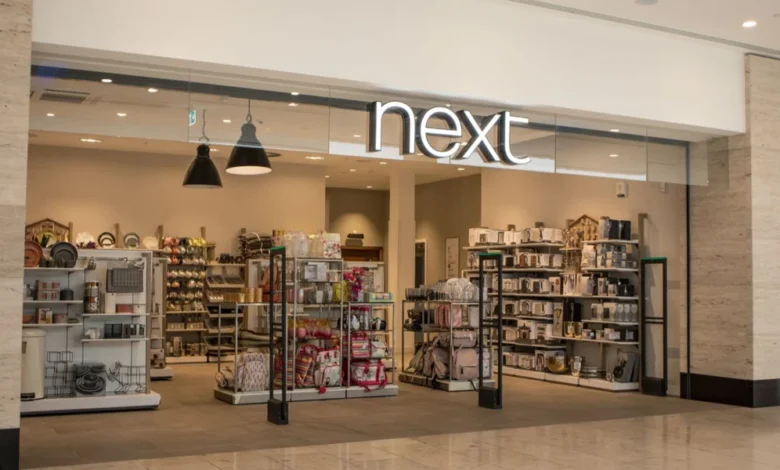
The British retail powerhouse, which has become a bellwether for the health of the UK consumer sector, reported a robust set of figures for the first half of the 2026 financial year. Total group sales surged by 9% to £3.54 billion, while profit before tax climbed by 10.5% to reach £569 million. Driven by this momentum, the board has upwardly revised its full-year profit guidance by £12 million, setting a new expectation of £1.255 billion. Management attributed this improvement to a combination of incremental sales gains and operational efficiencies, particularly within the company’s expansive warehousing network.
A Chronology of Consistent Upgrades
The latest upgrade marks the fourth time in 2026 that Next has adjusted its financial outlook upward, underscoring a trend of consistent outperformance despite persistent skepticism regarding the UK high street. Throughout the year, Next has navigated supply chain volatility and inflationary pressures that have forced many of its competitors to issue profit warnings.
Earlier this year, in February, the company publicly cautioned that geopolitical instability in the Middle East threatened to disrupt trade routes and push up prices for consumers. Despite these fears, Next’s international arm has demonstrated remarkable resilience, posting 24% growth. This success is largely credited to the company’s sophisticated digital marketing strategy, which has reportedly yielded a £1.77 return on every pound of marketing spend, proving that Next’s brand resonance extends far beyond its domestic borders.
The Omnichannel Shift and In-Store Dynamics
Central to Next’s current success is its transition into a highly efficient omnichannel retailer. The first half of the year saw online sales rise by 7.4%, a figure that underscores the company’s ability to capture demand in a fragmented digital landscape. While in-store sales experienced a minor decline of 1.7%, analysts have noted that this is a relatively modest contraction given the long-term structural shift away from physical retail and the ongoing pressures of the current economic climate.
However, the report was not without its areas of concern. The company’s own-brand label saw a slight decline of 0.5%, with sales falling to £7 million. Management attributed this dip to a "base effect" issue: during the same period last year, Next benefited significantly from operational disruptions at a major competitor, widely understood to be Marks & Spencer. Furthermore, the rapid growth of third-party brands on the Next website, which often carry higher margins or higher consumer appeal, has created internal competition that has pressured the performance of its legacy own-brand products.
Technological Transformation and AI Integration
Looking toward the future, Next has signaled that it intends to maintain its profit margins through an aggressive embrace of artificial intelligence. The company has moved beyond mere experimentation, integrating AI-driven Business Analysts and Coding agents into its daily operations.
The most significant impact of this digital pivot is expected in the modernization of the company’s legacy mainframe software. Historically, upgrading this core system was projected to cost the business approximately £50 million. By utilizing AI-assisted development tools, Next now estimates that it can achieve the same results for just £10 million.
The company is ambitious regarding the productivity gains these tools will provide, projecting at least a 30% increase in productivity across the total development lifecycle over the next two years. This shift is expected to free up substantial capital that can be reinvested into logistics and warehousing, where Next has already been investing heavily to bolster its fulfillment capabilities.
Economic Headwinds and the Autumn Budget Warning
Despite the celebratory nature of the first-half results, the company’s outlook for the second half of the year is characterized by caution. Next has reduced its forecast for UK sales growth in the second half from 2.8% to 2%. This downward revision is not a reflection of internal failings, but rather a direct response to a deteriorating macroeconomic environment, specifically rising mortgage rates, stubborn inflation, and a stagnant labor market.
In a rare move for a retailer, the company used its earnings release to address the UK government directly regarding the upcoming Autumn Budget. Next’s leadership warned that the current tax burden—which stands at its highest level in over 60 years—is reaching a tipping point.
"The tax burden seems to us to be at the point where further increases only risk stifling growth," the company stated in its report. "Lower growth is likely to only worsen Government finances—a vicious circle." The company urged the government to prioritize the control of public spending or the stimulation of economic growth, suggesting that if tax rates continue to climb, the current momentum seen in the retail sector may evaporate as disposable income for the average household is further eroded.
Analysis: Implications for the Retail Sector
The performance of Next provides a clear window into the "K-shaped" recovery currently being experienced by the UK retail sector. On one hand, companies with high-tech, omnichannel capabilities and diversified revenue streams (such as international sales and third-party brand hosting) are managing to survive and even thrive. On the other hand, the warning regarding the Autumn Budget highlights a growing anxiety among industry leaders that the current economic recovery is fragile and heavily dependent on consumer confidence.
From a structural perspective, Next’s ability to keep costs down—through both warehousing efficiency and the utilization of AI—demonstrates that retailers are finding ways to decouple revenue growth from headcount and operational expense growth. If this trend continues, it could set a new benchmark for profitability in the fashion retail space.
Furthermore, the focus on AI in the retail supply chain is likely to trigger a "technological arms race." As Next proves that AI can slash legacy software costs by 80% while simultaneously increasing development productivity, competitors will be under immense pressure to follow suit to maintain price competitiveness.
The Broader Economic Context
The challenges Next identifies—weak employment and high interest rates—are reflective of broader systemic issues in the UK economy. By flagging the "vicious circle" of high taxes and low growth, Next has aligned itself with a growing chorus of business leaders who are concerned that fiscal policy may be failing to account for the realities of the post-pandemic recovery.
While the retail giant remains in a strong position, its cautious guidance for the remainder of the year serves as a reality check for investors. The company’s success in the first half of 2026 was defined by its ability to capitalize on digital trends and operational improvements, but the second half will be defined by its ability to weather a domestic environment that is increasingly hostile to discretionary spending.
In conclusion, Next continues to demonstrate a high level of operational discipline. By acknowledging the risks posed by both internal brand competition and external fiscal policy, the company maintains its reputation for transparency. Whether the government heeds the warning regarding the tax burden remains to be seen, but for now, Next continues to be a standout performer in an otherwise challenging retail landscape, setting a high bar for its peers as they navigate the remainder of the fiscal year.