The 2026 FIFA World Cup Concludes: A Spectacle of Global Reach and Brand Ambition

As the final whistle of the 2026 FIFA World Cup echoes across stadiums and living rooms worldwide, the tournament is poised to etch its name in history, not only for its on-field drama but also for its unprecedented global viewership and the profound impact it has had on the commercial landscape, particularly for wellness brands that strategically aligned themselves with the sport’s immense appeal. This quadrennial global festival of football, which has captivated billions over the past several weeks, is now preparing for its climactic weekend, featuring the coveted final match between Spain and Argentina, and the intense battle for third place between England and France.
Record-Breaking Viewership and Social Media Domination
Market research firm Business Stats projects that the final weekend alone will draw an astonishing 1.8 billion viewers, a figure that would solidify this edition of the FIFA World Cup as the most-watched television event in history. This staggering number underscores the enduring power of football to unite a global audience, transcending geographical, cultural, and linguistic barriers.
Beyond traditional television, the tournament has achieved even more remarkable feats on social media platforms. FIFA has reported that viral moments and engaging content generated throughout the competition have accumulated a colossal 20 billion views across its official social media channels. This digital phenomenon highlights the evolving ways in which fans consume sports content, with social media serving as a vital conduit for real-time updates, fan interaction, and the amplification of iconic moments. The immediacy and shareability of online platforms have enabled the World Cup to permeate daily conversations and become a truly pervasive cultural event.
Emergence of Global Superstars and Influencer Dynamics
The grand stage of the World Cup has once again proven to be a crucible for athletic excellence, forging new global superstars and elevating established talents to unprecedented levels of fame. Among the most notable ascendant figures is Norway’s prodigious striker, Erling Haaland. According to Forbes, Haaland has seen his social media following surge by an estimated 25 million during the tournament, a testament to his electrifying performances and burgeoning global appeal.
Equally remarkable is the meteoric rise of Cabo Verde’s goalkeeper, Vozinha. The veteran shot-stopper, who began the tournament with a modest 50,000 Instagram followers, has witnessed his online presence explode, now boasting over 29 million followers, as reported by the BBC. This dramatic increase illustrates how individual heroics and the compelling narratives of underdog teams can capture the world’s attention, transforming athletes into influential digital personalities. The ability of these players to connect with a massive, diverse audience through their on-field exploits and subsequent social media engagement offers significant value to brands seeking to tap into their fan bases.
Wellness Brands: Strategic Investments Yielding Significant Returns
While players bask in the spotlight, it is the wellness brands that made substantial investments in the tournament’s ecosystem that are emerging as significant commercial victors. Companies like Unilever, Therabody, and Oura, which strategically positioned themselves within the World Cup narrative, are reaping the rewards of their foresight and bold marketing strategies.
Doug Sweeny, Chief Marketing Officer at Oura, articulated the rationale behind such investments, stating, "We’re [all living] in this very fast-paced, divisive world with AI and political division and unrest, [but] sport takes all that away and brings everybody together in a really nice way. We wanted to be a part of that." This sentiment captures a broader understanding within the marketing world: sport offers a unique platform for positive connection and shared experience, providing an antidote to the complexities and anxieties of modern life. For brands, aligning with this unifying force can foster goodwill and resonate deeply with consumers seeking moments of shared passion and escapism.
Oura’s Multi-Faceted World Cup Strategy
Oura, a company renowned for its smart ring technology that tracks sleep, activity, and readiness, embarked on a comprehensive campaign designed to leverage the World Cup’s global reach. A cornerstone of their strategy was a partnership with U.S. Soccer, announced in April, which designated Oura as the official wearable of Team USA. This collaboration also positioned Oura as a founding partner of the forthcoming Arthur M. Blank U.S. Soccer National Training Center, signaling a long-term commitment to the sport within the United States.
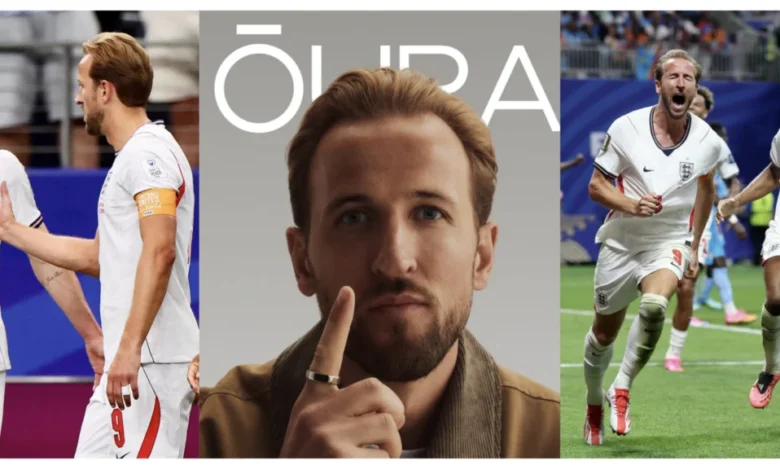
However, Oura’s most high-profile and buzzworthy initiative involved securing England’s co-captains, Harry Kane and Declan Rice, as official brand ambassadors. This partnership proved particularly prescient. As reported by Variety, the semifinal match between England and Argentina on July 15th drew over 15 million viewers, marking it as the most-watched World Cup semifinal telecast in English-language history. The immense viewership for this single match alone provided a colossal platform for Oura’s message.
The campaign featuring Kane and Rice focused on the critical aspects of athletic preparation and recovery, emphasizing pillars of performance such as rest, training, and sleep – all areas directly addressed by Oura’s product. Launched on the tournament’s opening day, the advertisements conveyed a simple yet powerful message: if Oura’s technology is essential for elite athletes performing at the highest level, it is equally valuable for everyday consumers striving for better well-being. "It definitely gets translated like that [for consumers]," Sweeny confirmed, highlighting the aspirational nature of sports endorsements. He further elaborated that these ambassador appointments serve as a crucial top-of-funnel awareness driver, initiating the consumer’s journey through the eight to ten touchpoints typically required to convert a prospect into a buyer of their $399 or $499 Oura ring.
Navigating Partnership Challenges and Maximizing Opportunities
While the partnership with England’s stars yielded significant dividends, Oura encountered challenges in replicating similar ambassadorial roles with U.S. players. Sweeny admitted to a degree of "scrambling" as they attempted to align with American athletes. The complexities of coordinating with multiple teams, including medical and training staff, proved more challenging on the men’s side, limiting direct individual athlete endorsements beyond their overall team support.
Despite these hurdles, Oura’s gamble on England proved exceptionally fruitful. Harry Kane, like other standout players such as Haaland, emerged as a tournament sensation. His impressive performance, including six goals and one assist, placed him in contention for the Golden Boot, FIFA’s award for the tournament’s top scorer. Kane’s leadership also propelled England to the third-place playoff. His personal brand experienced a significant boost, with Yahoo Sports reporting a gain of 1.2 million Instagram followers during the competition.
Oura strategically capitalized on Kane’s and Rice’s popularity by focusing their advertising efforts on the U.K. market, which represents one of Oura’s top three global markets, with the U.S. being the largest. In London, the brand integrated its messaging with the iconic Harrods department store, featuring a "white glove" counter designed to offer a premium customer experience for learning about and purchasing Oura rings. Furthermore, Oura ensured its advertisements were broadcast during every global telecast of England’s matches, a move that demonstrably paid off, as Oura’s web traffic surged with each ad placement. "The sheer volume of the eyeballs and impressions that [we’re] getting is just through the roof, and they keep over-delivering, which is great," Sweeny remarked, underscoring the overwhelming success of their multi-pronged investment in reaching World Cup viewers.
A Landmark Investment and Future Aspirations
The World Cup activations represent one of Oura’s most substantial investments in its eleven-year history, a commitment Sweeny likened to the company’s advertising expenditures during the crucial fourth quarter, the peak selling season for consumer electronics. "This [World Cup campaign] sort of rivals that in terms of the investment," he stated, acknowledging the significant financial outlay required for such a global undertaking. "I mean, the World Cup is expensive."
The inherent risks associated with sports sponsorships are well-understood by brands. Team performance is unpredictable, and individual athletes can face injuries or unforeseen circumstances that impact their visibility. For instance, Declan Rice missed a full game and part of another due to illness, potentially hindering his opportunity to create a viral moment that could have amplified his global profile even further.
The tournament also saw the emergence of English striker Jude Bellingham, who delivered a stellar performance with six goals and garnered an additional 8 million social media followers, according to Yahoo Sports. When asked if Oura regretted not signing Bellingham as well, Sweeny responded with a laugh, "I think probably yes. [Plus,] he’s so charming." This lighthearted admission underscores the dynamic and often unpredictable nature of athlete endorsements.
Building on a Legacy of Sports Partnerships
Despite the occasional "what if," Oura appears to be consistently making winning bets in the sports sponsorship arena. The company’s partnership with the New York Knicks, which began in 2023, gained significant traction when the team clinched the NBA Championship this year. Prior to the World Cup, in April, Oura also announced its role as the official wearable of the U.S. Tennis Association. Furthermore, Oura holds the distinction of being the official wearable for both the U.S. Olympic and Paralympic teams, showcasing a broad and consistent commitment to athletic excellence.
The wealth of knowledge and experience gained from this World Cup campaign will undoubtedly inform Oura’s strategic planning for future major sporting events. Sweeny is already looking ahead to 2027, when the Women’s World Cup will be held in Brazil, and 2028, with the Olympic Games in Los Angeles.
While the U.S. Men’s National Team has yet to reach a World Cup final, the U.S. Women’s National Team boasts an impressive four World Cup titles, secured in 1991, 1999, 2015, and 2019. Oura first established a partnership with the U.S. Women’s National Team in 2020 and, according to Sweeny, plans to significantly deepen this investment in the coming year. "Given how bullish we are on that team [we plan to do a lot next year]," Sweeny stated with confidence. "That team is formidable!" This proactive approach signals Oura’s recognition of the immense talent and global appeal of women’s soccer, setting the stage for continued strategic engagement with the sport’s most prominent events and athletes. The 2026 FIFA World Cup has not only delivered unforgettable sporting drama but has also served as a powerful testament to the evolving intersection of sports, media, and commerce, with wellness brands like Oura at the forefront of this exciting new frontier.
Related posts: