As the global fashion industry faces mounting pressure to address its environmental footprint, the shift toward sustainable luxury has moved from a niche market interest to a primary driver of consumer behavior. Among the labels spearheading this transition is Reformation, a Los Angeles-based brand that has successfully bridged the gap between high-trend aesthetics and rigorous ecological standards. With the 2025 summer season approaching, the brand’s collection of sun dresses serves as a case study in how modern apparel companies are integrating circularity, low-impact materials, and supply chain transparency into their core business models.

The Evolution of Reformation and Sustainable Retail
Founded in 2009 by Yael Aflalo, Reformation emerged during a pivotal moment in the history of sustainable fashion. At the time, the industry was dominated by "fast fashion" conglomerates that prioritized rapid turnover and low-cost manufacturing, often at the expense of environmental and labor standards. Reformation adopted a different trajectory, focusing on the concept of "RefScale"—a proprietary methodology used to measure the carbon, water, and waste footprints of its garments.

By 2015, the brand had gained international recognition, not only for its vintage-inspired silhouettes but for its commitment to domestic manufacturing. By producing a significant portion of its inventory in Los Angeles, the company reduced the logistics-related carbon emissions associated with long-distance international shipping. Today, the brand’s influence is bolstered by a high-profile clientele, including Meghan Markle, Hailey Bieber, and Emily Ratajkowski, whose endorsements have helped normalize the expectation that high-end, stylish garments can—and should—be ethically produced.
Material Innovation and Environmental Impact

The technical foundation of Reformation’s 2025 summer collection lies in its material selection. The brand utilizes a tiered hierarchy of fabrics, prioritizing those with lower environmental impact. Key materials featured in the current lineup include TENCEL™ Lyocell, organic cotton, and linen.
TENCEL™, a brand of lyocell fiber, is derived from sustainably harvested wood pulp. Its manufacturing process is characterized by a "closed-loop" system, where 99% of the solvents used to break down the wood pulp are recovered and reused. Compared to conventional viscose, which often relies on forest-intensive practices, TENCEL™ represents a significant advancement in resource efficiency.

Furthermore, the brand’s integration of "deadstock" fabrics—excess materials left over from other fashion houses—serves as a critical component of its circularity strategy. By repurposing these textiles, Reformation prevents perfectly viable fabrics from entering landfills. According to the company’s internal reporting, their commitment to these materials is part of a broader, time-bound strategy to achieve full carbon neutrality and circularity by 2030. This includes shifting toward regenerative agriculture for cotton and investing in textile-to-textile recycling technologies.
Chronology of Growth and Sustainability Benchmarks
The brand’s trajectory reflects a decade-long maturation of corporate sustainability standards:
- 2009: Launch of the brand with a focus on repurposing vintage clothing.
- 2013: Implementation of RefScale to provide customers with data on the environmental savings of each garment compared to conventional alternatives.
- 2017: Recognition by the Sustainable Apparel Coalition, marking a formal commitment to the Higg Index, which measures environmental and social labor impacts.
- 2020: Announcement of the "Circular by 2030" goal, committing to zero-waste production and a completely closed-loop product lifecycle.
- 2024–2025: Expansion into regenerative agricultural partnerships, ensuring that raw material sourcing actively restores soil health rather than merely minimizing damage.
Analysis of Market Implications

The success of the Reformation model suggests a broader shift in the luxury and mid-market fashion sectors. Data from market research firms, such as McKinsey & Company, indicate that Gen Z and Millennial consumers are increasingly willing to pay a premium for brands that demonstrate verifiable sustainability. Reformation’s strategy of providing granular data on product pages—such as the specific CO2 savings of a dress—addresses the growing consumer demand for "radical transparency."
This approach mitigates the risk of "greenwashing," a common critique in the fashion industry. By citing partnerships with organizations like Canopy (which monitors forest-based fibers) and utilizing third-party certifications, the company provides a framework for consumers to make informed purchasing decisions. The implication for the wider industry is clear: transparency is no longer a luxury, but a requirement for maintaining brand loyalty in an increasingly eco-conscious marketplace.
Curated Selection: Defining the 2025 Summer Aesthetic
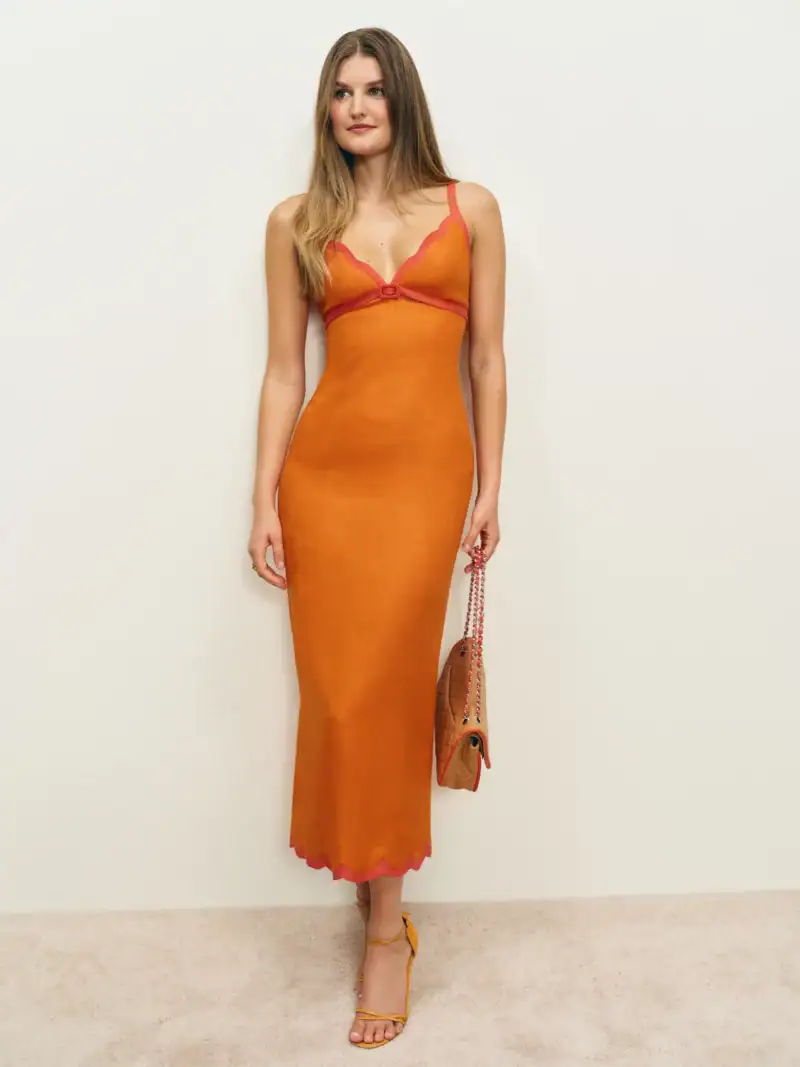
The 2025 collection demonstrates a balance between timeless design and contemporary utility. The following pieces represent the brand’s focus on versatility and low-impact construction:
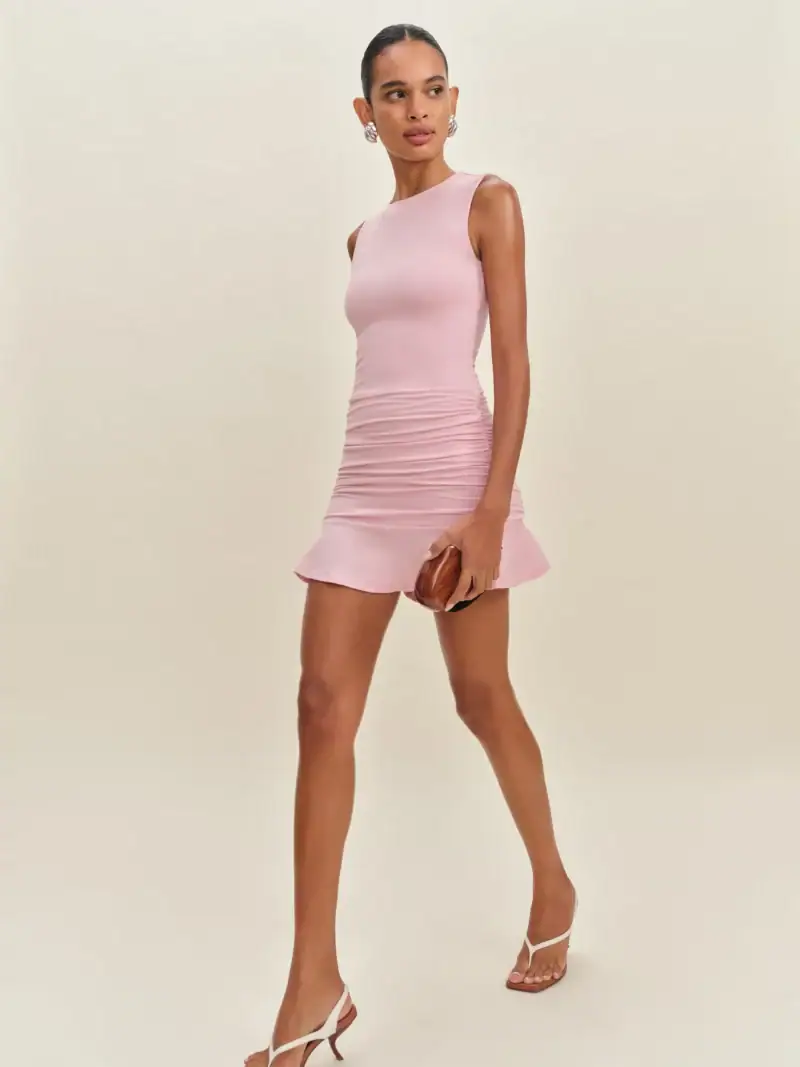
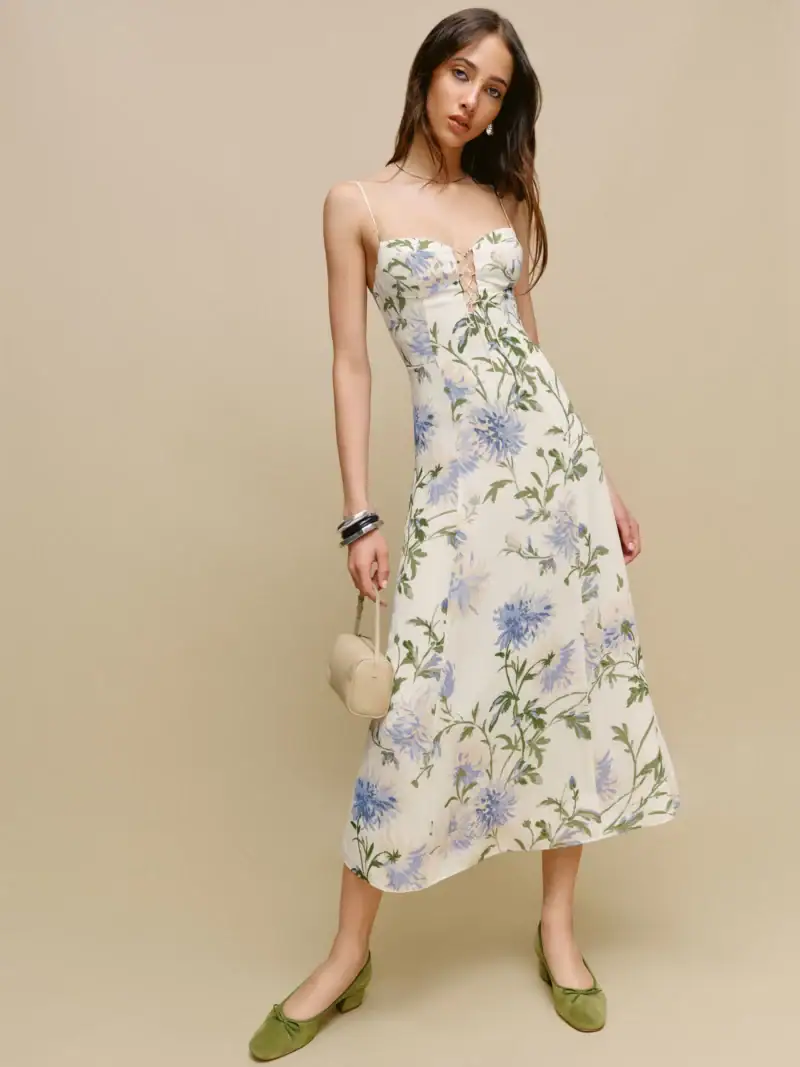
- The Tagliatelle Linen Dress: Crafted from 100% linen, this midi dress exemplifies the brand’s reliance on flax-based fibers. Linen is recognized for its high water-efficiency and durability, requiring significantly less irrigation than cotton.
- The Citron Linen Dress: Designed as a neutral-toned staple, this piece emphasizes longevity. The brand’s design philosophy prioritizes styles that are resistant to seasonal trend cycles, encouraging consumers to keep garments for longer periods.
- The Jonelle Silk Dress: A departure from cotton, this silk piece highlights the brand’s efforts to source animal fibers that meet stringent welfare and chemical-use standards.
- The Emely Dress: Utilizing viscose, the dress underscores the importance of the brand’s partnership with Canopy to ensure that wood-based fibers are not sourced from ancient or endangered forests.
- The Gabriella Denim Midi: This garment represents the brand’s pivot to regenerative cotton, which utilizes farming techniques designed to sequester carbon in the soil.
- The Sara Linen Dress: A classic silhouette that highlights the brand’s focus on fit and construction, allowing for long-term wear without the need for constant replacement.
- The Amelia Knit Dress: Utilizing TENCEL™ fibers, this piece showcases how technical fabrics can be adapted for modern, athletic-inspired silhouettes.
- The Oren Silk Dress: An exploration of minimalism, reflecting the brand’s intent to reduce the complexity of supply chains through simple, elegant construction.
- The Woodson Dress: A versatile piece that utilizes lace detailing, focusing on craftsmanship that retains value over multiple seasons.
- The Janu Linen Dress: A bohemian-inspired piece that reinforces the durability and breathability of linen for warmer climates.
Broader Industry Impact
The movement toward sustainable sun dresses is a microcosmic representation of the global challenge to decarbonize the textile sector. As the fashion industry accounts for an estimated 2% to 8% of global carbon emissions, the adoption of regenerative agriculture, renewable energy in manufacturing, and circular business models is essential.

Reformation’s approach demonstrates that sustainability and aesthetic appeal are not mutually exclusive. By leveraging the influence of high-profile celebrities to normalize the wearing of eco-friendly garments, the brand has shifted the cultural perception of sustainable fashion from "alternative" to "aspirational."
Looking toward the 2030 target, the challenge for the company and the industry at large will be to scale these initiatives. As the brand continues to expand its reach, maintaining the integrity of its supply chain—ensuring that rapid growth does not lead to a decline in environmental standards—will remain the ultimate test of its business model. For the consumer, the 2025 season represents an opportunity to participate in this systemic shift, choosing garments that are designed not just for a season, but with the future of the environment in mind.
Related posts: