The Unfolding Retail Calendar: How Extended Sales Cycles and AI are Reshaping Consumer Spending and Industry Strategy

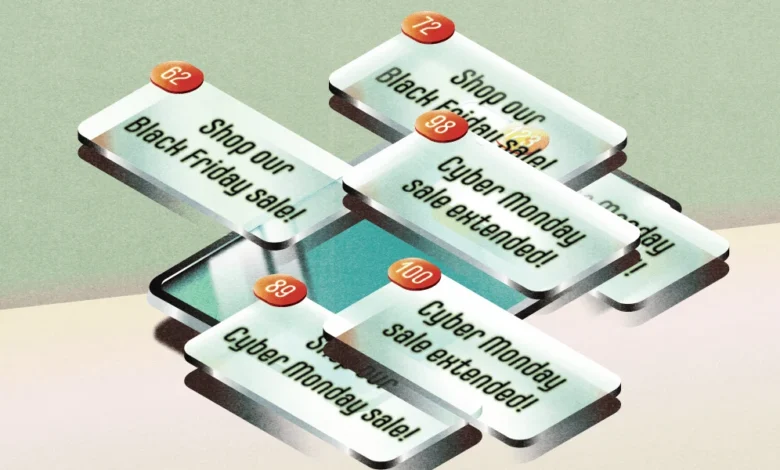
The traditional rhythms of retail, once marked by distinct seasonal peaks and troughs, are undergoing a profound transformation, evolving into an elongated and often year-round cycle of promotional activity. This fundamental shift in the shopping calendar, characterized by events like Prime Day stretching into Prime Week, Black Friday becoming Black Friday Month, and holiday shopping commencing as early as October, is reshaping consumer behavior and demanding new strategic approaches from brands and retailers. This evolving landscape was a central topic on a recent episode of the Glossy Fashion Podcast, which delves into candid conversations about how contemporary trends are influencing the future trajectory of the fashion industry. The discussion featured insights from Kelly Pedersen, the global retail lead at the professional services firm PwC, who illuminated the forces driving these significant changes and their far-reaching implications.
Pedersen’s analysis, grounded in PwC’s extensive research, reveals that the elongation of the shopping calendar is a dual-driven phenomenon, propelled by both the strategic imperatives of businesses and the evolving expectations of consumers. The competitive intensity within the retail sector compels brands and retailers to seek every possible advantage during what were once distinct, lucrative periods. By extending these windows, they aim to capture consumer attention and spending earlier and for longer durations. This proactive stance by businesses is met by a consumer base increasingly conditioned to anticipate and seek out sales and promotional offers, creating a self-reinforcing cycle that continually pushes the boundaries of traditional shopping seasons.
The Erosion of Seasonal Boundaries: A Chronology of Change
The concept of distinct shopping seasons has been gradually eroding over the past two decades, accelerating significantly in recent years. Historically, the retail calendar was largely defined by major holidays: Valentine’s Day, Easter, Mother’s Day, Father’s Day, Back-to-School, Halloween, and the climactic Thanksgiving-to-Christmas holiday season. Sales events were typically concentrated within specific weeks leading up to these holidays.
The advent of "Black Friday" in the United States marked a pivotal moment. What began as a single day of post-Thanksgiving sales in brick-and-mortar stores expanded into a "Black Friday Weekend" with the inclusion of Small Business Saturday and Cyber Monday. The rise of e-commerce supercharged this expansion, allowing retailers to extend deals online for several days. By the mid-2010s, "Black Friday Week" became commonplace, with promotions starting the Monday before Thanksgiving. More recently, this has further morphed into "Black Friday Month," with deals launching as early as November 1st, fundamentally altering the competitive landscape for holiday spending.
Amazon’s introduction of "Prime Day" in July 2015 was another watershed moment. Initially conceived as a celebration of Amazon’s 20th anniversary, it quickly became a significant mid-year sales event, effectively creating a new "holiday" outside the traditional calendar. Its immense success forced other retailers to respond, leading to a proliferation of competing "Black Friday in July" or "Deal Days" events. This not only added a new major sales period but also normalized the idea of significant discounting outside of the traditional holiday season, setting a precedent for year-round promotional activity.
The Back-to-School period, once confined to late July and August, has similarly stretched its timeline. PwC’s research highlighted by Pedersen indicates that back-to-school shopping now frequently commences in June. This extended window allows families more time to plan and purchase, but also means retailers are vying for their attention for a longer stretch. This gradual expansion across all major shopping categories signifies a fundamental shift from episodic sales events to a continuous promotional environment.
Supporting Data and Economic Implications
The financial implications of this elongated calendar are substantial. PwC’s research on back-to-school spending offers a compelling snapshot: the average family spends approximately $920 during the back-to-school period. Crucially, this spending doesn’t cease once school starts; these same customers continue to spend around $630 a month on their children throughout the school year. This ongoing expenditure underscores the strategic importance for retailers to not just capture a one-off sale but to cultivate long-term customer relationships.
Pedersen emphasized that retailers’ primary motivation for early and extended promotions goes beyond immediate revenue generation. "It starts with the brands," he stated. "The retailers always want to capture consumers during these moments, and they want to be first. It’s not just about revenue during those windows, but [it’s also about] customer acquisition, capturing those customers and using that momentum to carry spend on throughout the entire year." This focus on lifetime customer value rather than transactional gain is a critical driver of the new retail strategy.
The shift also has profound implications for overall consumer spending. While one might intuitively assume that extending sales periods could lead to consumer fatigue or dilute the urgency of deals, Pedersen offers a contrarian view. "Theoretically, it could actually increase overall spending because people get paid in cycles," he explained. "They’re going to spend a certain percentage of their paycheck on holiday shopping. But if you elongate that period, you have more opportunities to pick up on that cash flow from the consumer." This perspective suggests that by spreading out the opportunity to purchase discounted items, retailers might tap into a greater portion of consumers’ disposable income across multiple paychecks, potentially leading to a net increase in total spending rather than just a reallocation.
Data from other industry sources corroborate this trend. The National Retail Federation (NRF) consistently reports record-breaking holiday sales figures, even as the "holiday season" itself begins earlier each year. For instance, holiday sales in November and December 2023 were projected to reach between $957.3 billion and $960.4 billion, demonstrating robust consumer spending despite an earlier start to promotional activity. Similarly, Cyber Week sales (Thanksgiving to Cyber Monday) continue to grow year-over-year, with Adobe Analytics reporting $38 billion in online spending for Cyber Week 2023, up 7.8% from the previous year, with Black Friday and Cyber Monday themselves setting new records. These figures underscore that consumers are indeed engaging with these extended sales events, and overall spending continues to trend upwards.
Industry Responses and Strategic Adaptations
The elongation of the shopping calendar presents both opportunities and challenges for various stakeholders in the retail ecosystem.
For Retailers: The primary response has been strategic adaptation. Retailers are investing heavily in data analytics and artificial intelligence to understand consumer behavior, predict demand, and personalize offers. The goal is to move beyond generic, blanket discounts to more targeted promotions that resonate with individual shoppers. This requires sophisticated inventory management systems to ensure products are available when consumers are ready to buy, potentially across a longer timeframe. Marketing calendars have also been overhauled, with campaigns starting earlier and sustaining for longer durations, demanding increased marketing budgets and agility. Smaller retailers, in particular, face immense pressure to compete with the promotional firepower of larger chains and e-commerce giants, often necessitating niche strategies or unique value propositions to stand out.
For Brands: Brands must carefully navigate the tension between participating in frequent discounting and maintaining brand integrity and perceived value. While promotional periods drive volume, excessive discounting can erode brand equity. Many brands are adopting a tiered approach, offering exclusive deals to loyalty program members or launching limited-time offers to create urgency without devaluing their core products. They are also adjusting product launch cycles, sometimes releasing new collections earlier to capitalize on extended shopping windows, or aligning product drops with specific promotional events.
For Consumers: The response is multifaceted. On one hand, consumers appreciate the extended opportunity to find deals, allowing them more time to research purchases, compare prices, and manage their budgets. The ability to spread out holiday shopping, for example, can alleviate financial stress. On the other hand, the constant barrage of promotions can lead to "deal fatigue" or a sense of confusion regarding when the "best" deal will actually occur. This can foster a wait-and-see mentality, where consumers hold off on purchases, anticipating even deeper discounts, further incentivizing retailers to elongate sales periods. The psychological impact of "Fear Of Missing Out" (FOMO) is still potent, but it’s now balanced by the knowledge that another sale is likely just around the corner.
The AI Revolution: A New Channel for Smarter Shopping
Perhaps one of the most significant and rapidly evolving factors reshaping the shopping experience is the integration of Artificial Intelligence. Pedersen highlighted a staggering statistic from PwC’s research: last year, almost 0% of surveyed customers planned to use AI to help them shop for holidays, but this year, that number jumped dramatically to 73%. This exponential growth signals a paradigm shift in how consumers interact with the retail environment.
"Consumers are using technology to become smarter about how they shop with a retailer, and retailers really need to think about this new channel," Pederson observed. He clarified that AI isn’t a transactional channel in the traditional sense, meaning consumers aren’t typically completing purchases directly through AI interfaces. Instead, "it’s a discovery channel, and it’s a price-checking channel."
The applications of AI in consumer shopping are diverse and growing:
- Personalized Discovery: AI algorithms analyze past purchases, browsing history, and demographic data to recommend products tailored to individual preferences, surfacing relevant items that consumers might not have otherwise found.
- Intelligent Price Tracking and Comparison: AI-powered browser extensions and apps monitor prices across multiple retailers, alerting consumers when an item drops in price or identifying the best available deal. This empowers shoppers to make more informed decisions and ensures they are getting the most value.
- Virtual Try-On and Visualization: In fashion and home goods, AI and Augmented Reality (AR) tools allow consumers to virtually try on clothes or place furniture in their homes, enhancing the online shopping experience and reducing return rates.
- Chatbots and Virtual Assistants: AI-driven customer service tools provide instant answers to product questions, guide shoppers through websites, and assist with sizing or styling advice, improving the overall shopping journey.
- Trend Prediction: For brands and retailers, AI helps predict emerging trends, allowing them to stock the right products at the right time, minimizing waste and maximizing sales.
This rapid adoption of AI by consumers necessitates a proactive response from retailers. Those who fail to integrate AI into their strategies risk falling behind. Retailers must leverage AI to enhance their own operations, from optimizing supply chains and managing inventory to personalizing marketing messages and improving customer service. The future of retail will increasingly involve a seamless, data-driven interaction between AI-powered consumer tools and AI-enhanced retail platforms.
Broader Impact and Future Outlook
The implications of an elongated shopping calendar, supercharged by AI, extend beyond individual transactions. Economically, it can lead to a more consistent flow of consumer spending throughout the year, potentially stabilizing quarterly revenue cycles for retailers. However, it also places immense pressure on logistics and shipping infrastructure, requiring year-round preparedness rather than just seasonal surges.
Environmentally, the drive for continuous consumption, even if spread out, could raise concerns about increased production and waste. However, AI also offers tools for more efficient inventory management, potentially reducing overstock and waste.
The future of retail will likely see these trends intensify. As AI becomes more sophisticated and ubiquitous, consumers will become even more empowered and discerning. Retailers will need to continue innovating, moving beyond simple price reductions to offer unique value propositions, exceptional customer experiences, and hyper-personalized interactions. The competitive landscape will favor those who can master data, integrate technology seamlessly, and adapt quickly to ever-evolving consumer expectations. The traditional shopping calendar, as we once knew it, has been irrevocably transformed, paving the way for a dynamic, data-driven, and continuously promotional retail era.