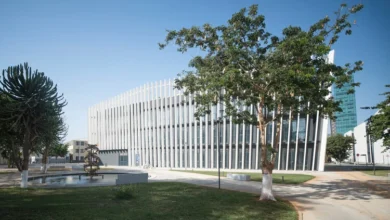
The Evolution of Circular Design Tarkett iQ Motion and the Future of Sustainable Manufacturing in Ronneby Sweden

The unassuming town of Ronneby, Sweden, nestled between the Baltic coast and the lush forests of the Blekinge region, has quietly emerged as a global epicenter for circular industrial innovation. Long known for its historic spa park and restorative waters, the town is now the primary site for Tarkett’s most ambitious efforts to redefine the lifecycle of interior surfaces. With the launch of iQ Motion, a new addition to its homogeneous vinyl flooring range, Tarkett is signaling a shift in the flooring industry—moving away from the traditional "make-use-dispose" model toward a regenerative, closed-loop system. This transition is not merely a product update but a reflection of a broader Swedish ethos that prioritizes collective betterment and pragmatic, high-impact design.
A Legacy of Innovation and the Swedish Design Ethos
To understand the significance of Tarkett’s operations in Ronneby, one must first look at the cultural context of Swedish innovation. Sweden has a storied history of releasing proprietary advancements for the universal good, perhaps most famously exemplified by Volvo’s 1959 decision to leave the patent for the three-point seatbelt open for other manufacturers to use. This philosophy—that progress is most meaningful when it is shared and impactful—is deeply embedded in the corporate DNA of Tarkett.
Ronneby itself serves as a physical manifestation of this continuity. Dating back to medieval times as a vital trading hub, the town has transitioned through various economic eras, from industrial manufacturing to its current status as a center for green technology and health-focused design. By centering its homogeneous vinyl production in this pastoral setting, Tarkett leverages a workforce with decades of specialized knowledge, blending traditional craftsmanship with cutting-edge environmental science.
The Technical Foundations of iQ Motion
The introduction of iQ Motion represents the latest iteration in Tarkett’s iQ (Intelligent Quality) range, a series of products long favored by architects and facility managers for their extreme durability. Unlike heterogeneous flooring, which consists of multiple layers, iQ Motion is a "homogeneous" material. This means the composition is uniform from the top surface to the bottom, allowing for unique maintenance capabilities and a simplified recycling process.
One of the defining technical features of the iQ range is its surface restoration capability. In high-traffic environments like hospitals or schools, floors typically suffer from micro-scratches that trap dirt and dull the finish over time. While most vinyl floors require the application of wax or polish to regain their luster, iQ Motion can be restored through "dry buffing." This process essentially levels the surface of the material, returning it to its original condition without the need for chemical strippers or new coatings. This capability significantly extends the product’s lifespan, reducing the total cost of ownership and the environmental impact associated with frequent replacements.
Aesthetic Innovation: The Intersection of Form and Function
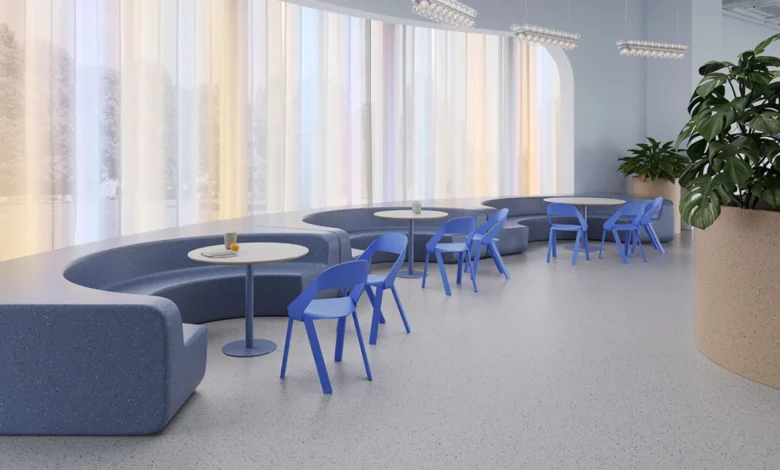
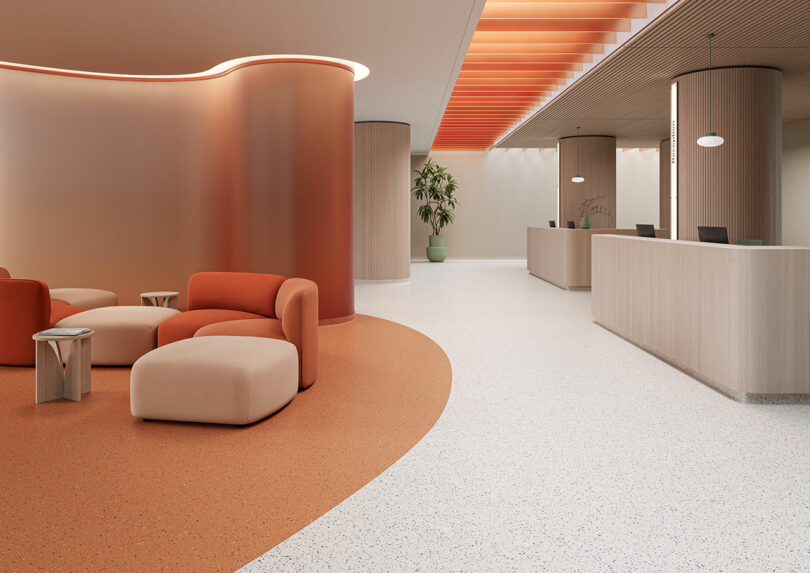
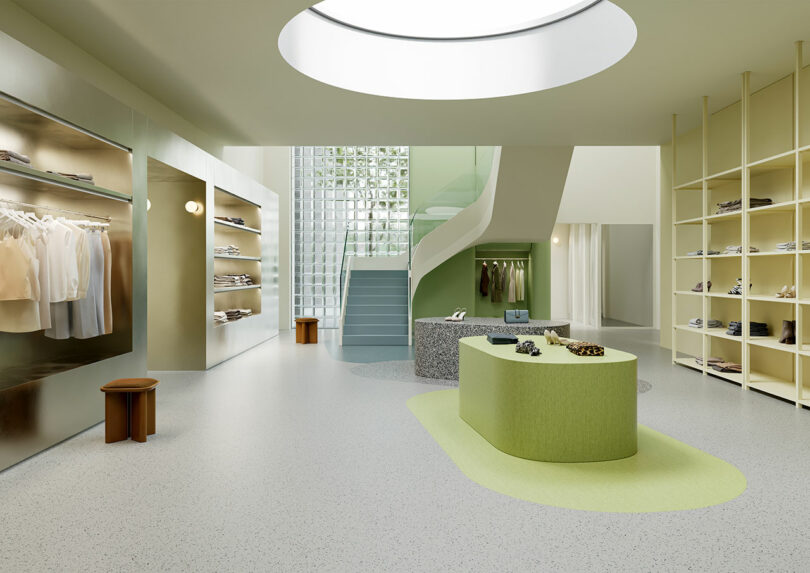
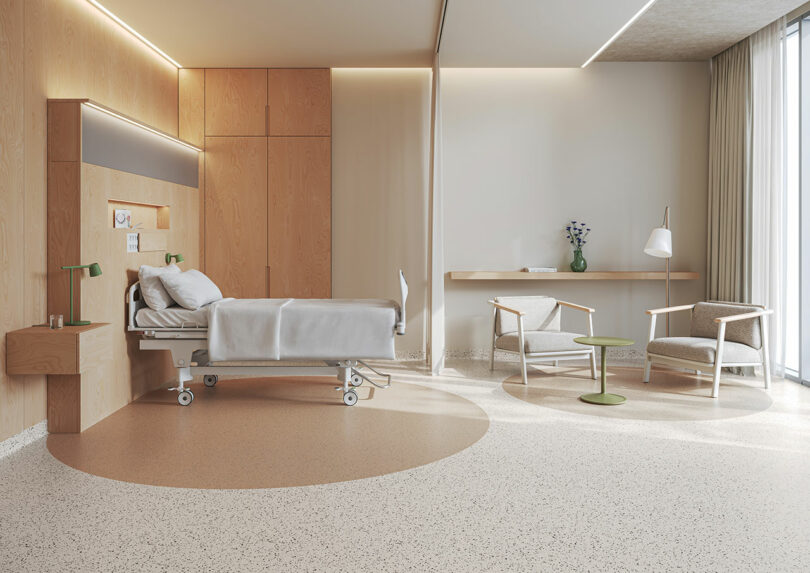
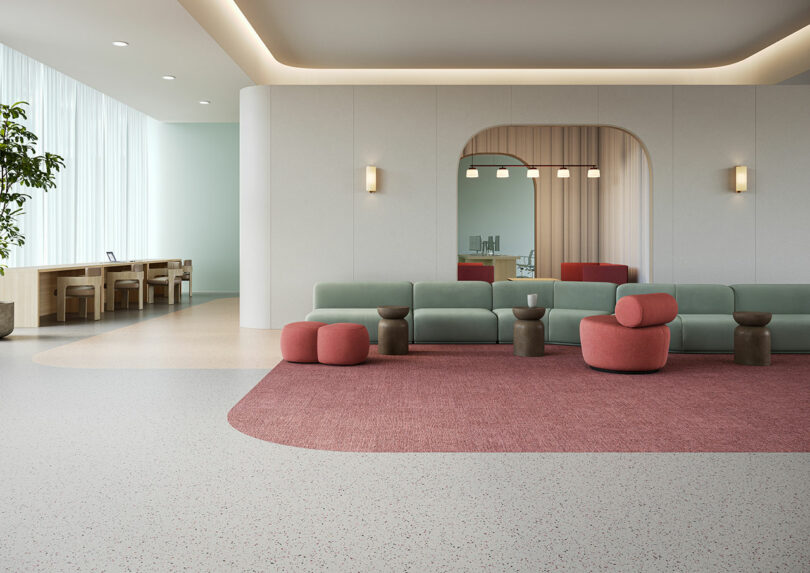
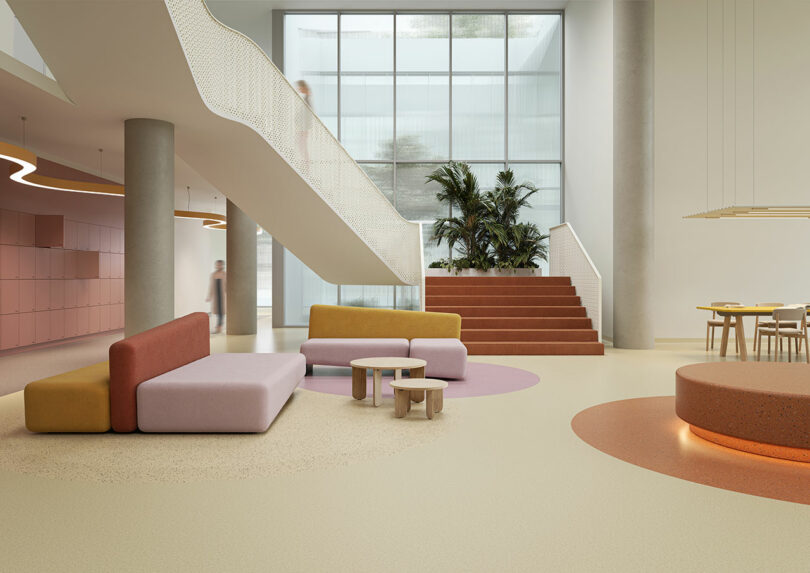
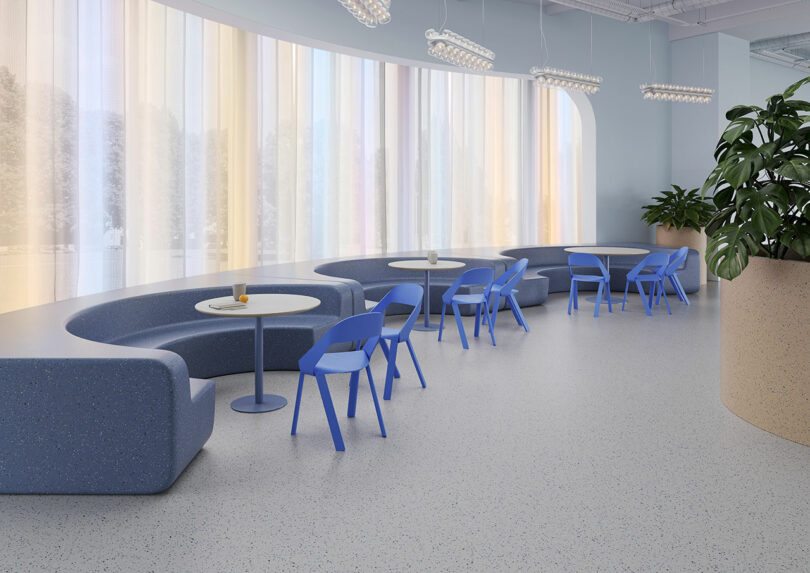
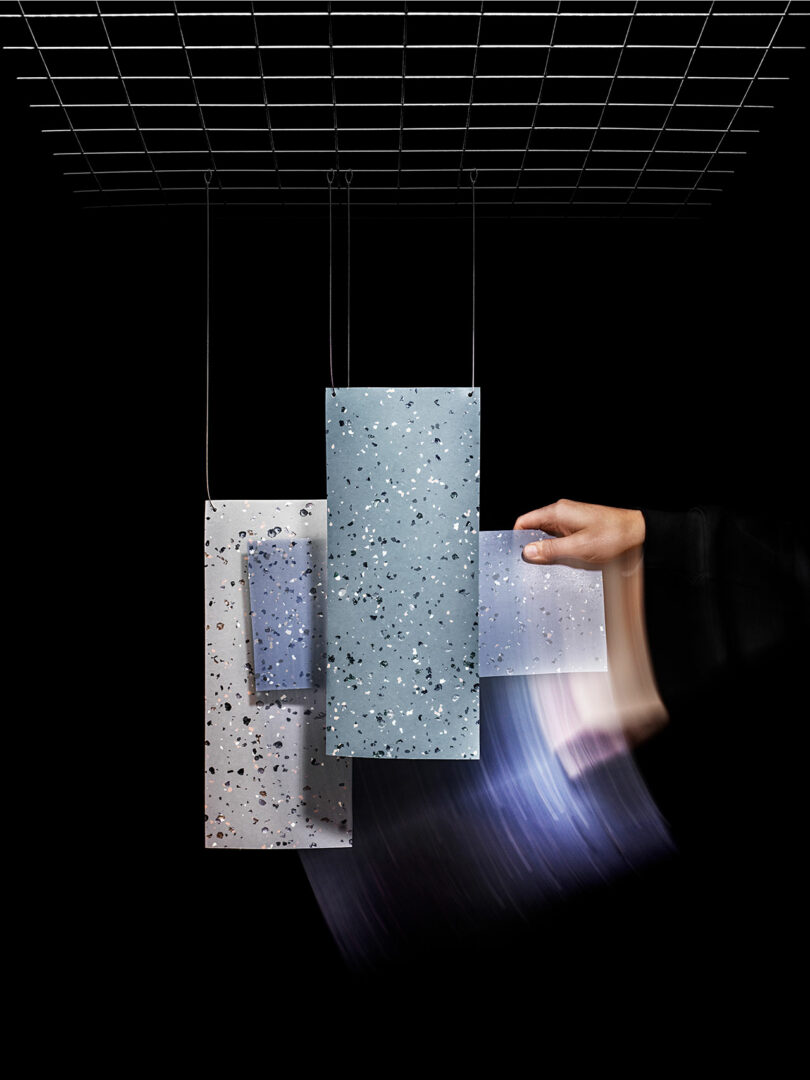
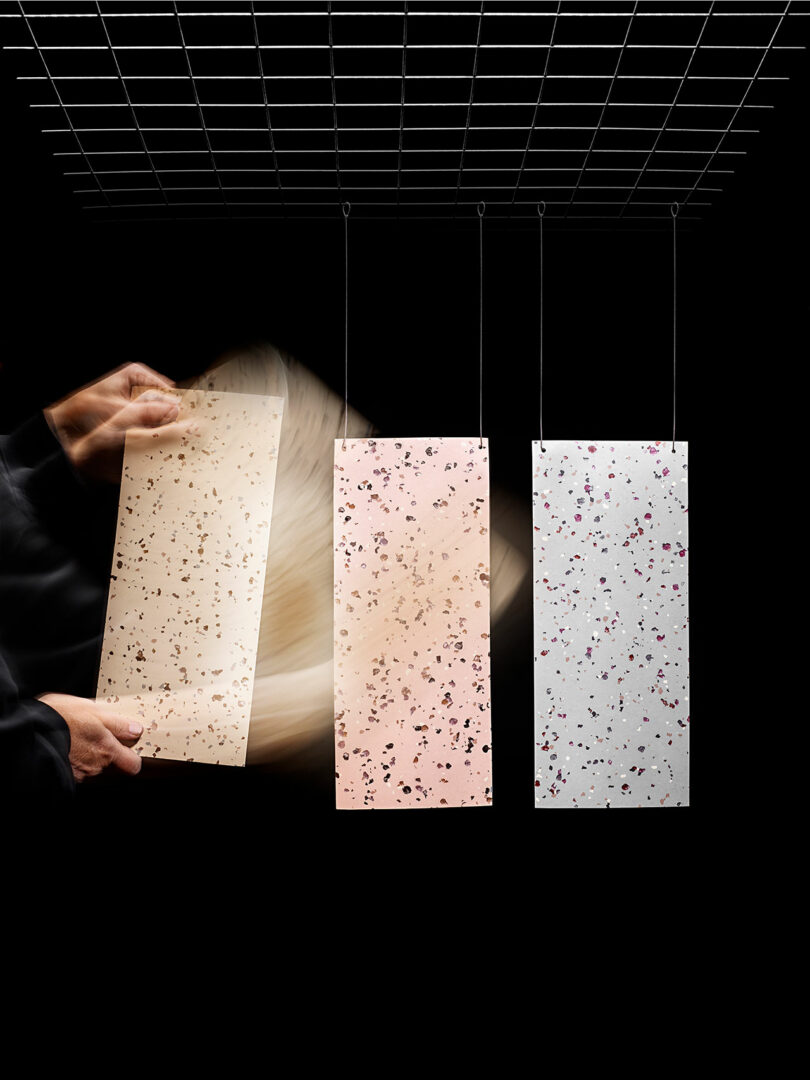
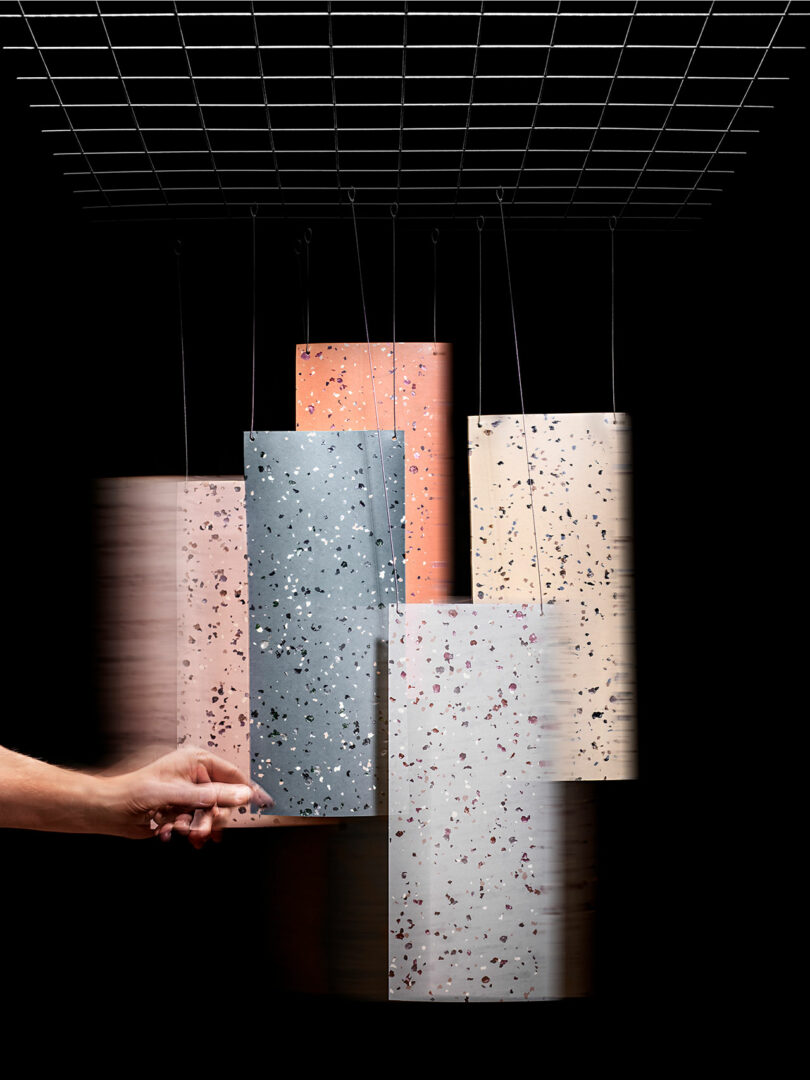
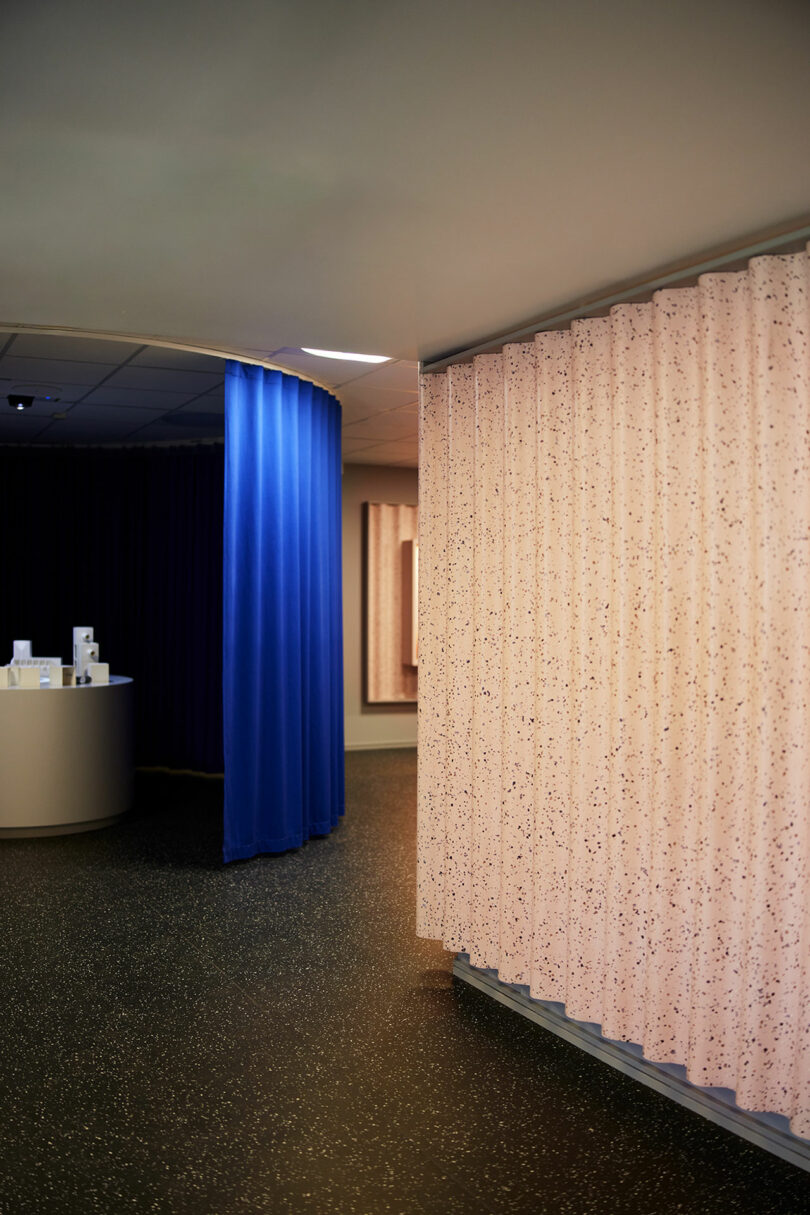
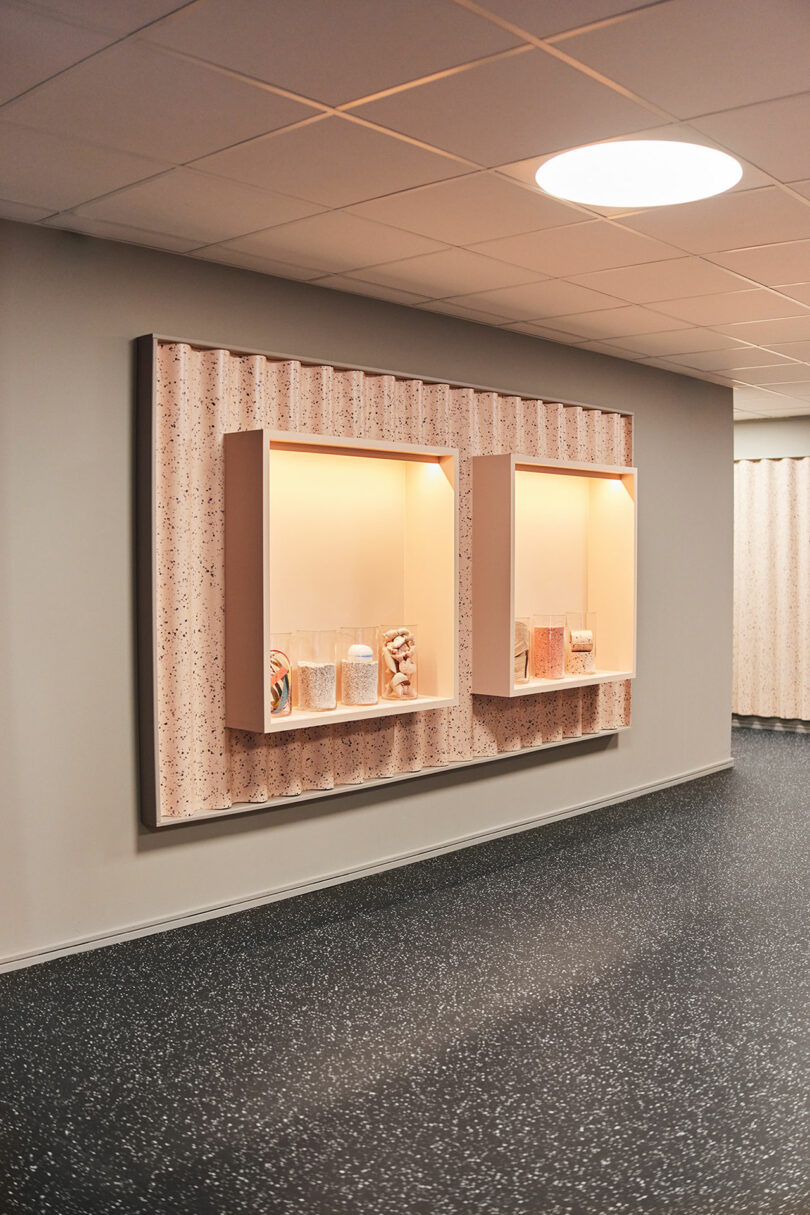
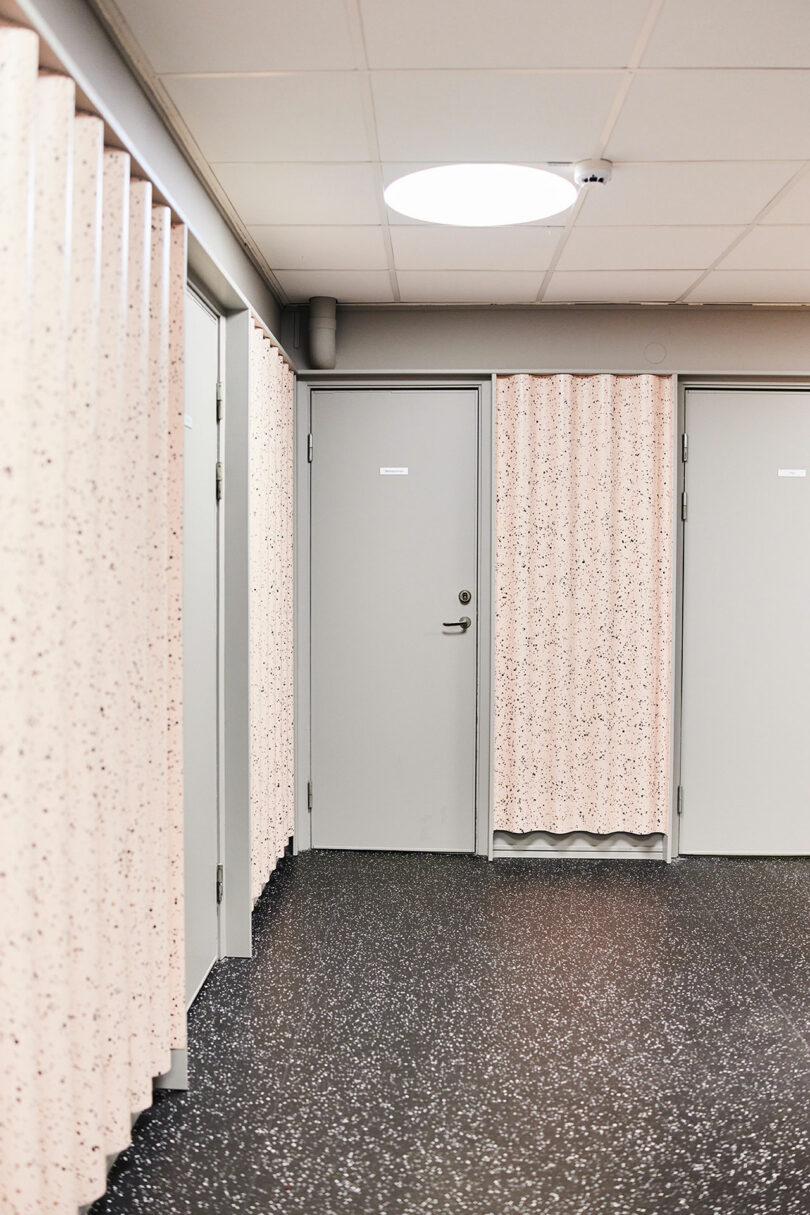
For decades, the design world operated under the assumption that performance-driven materials, particularly those intended for sterile or high-stress environments, had to sacrifice aesthetic appeal. iQ Motion challenges this binary. The collection features a terrazzo-inspired visual language, characterized by dual-sized chips layered into a neutral base. Subtle pearlescent accents are embedded within the material, creating a surface that reacts dynamically to changing light conditions.
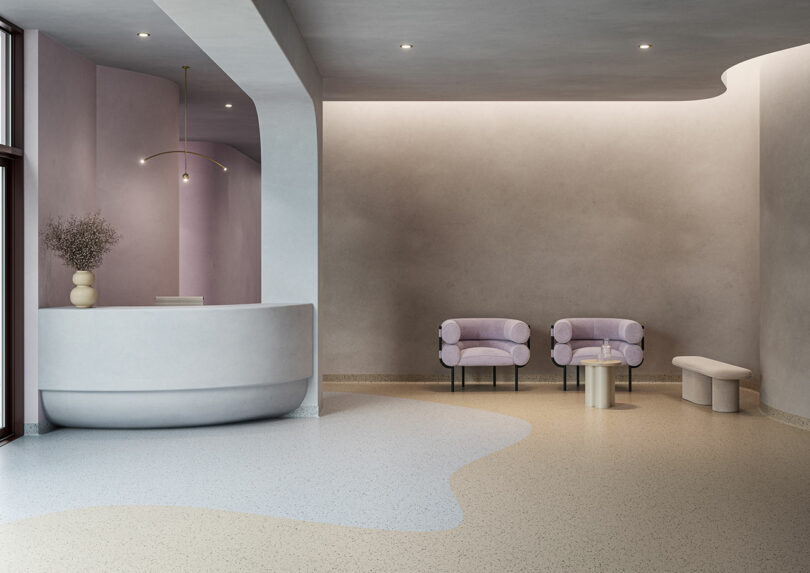
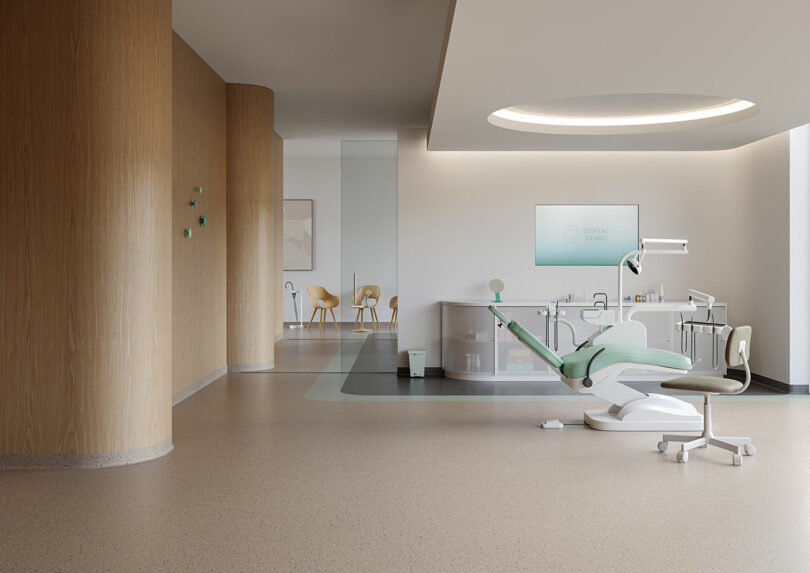
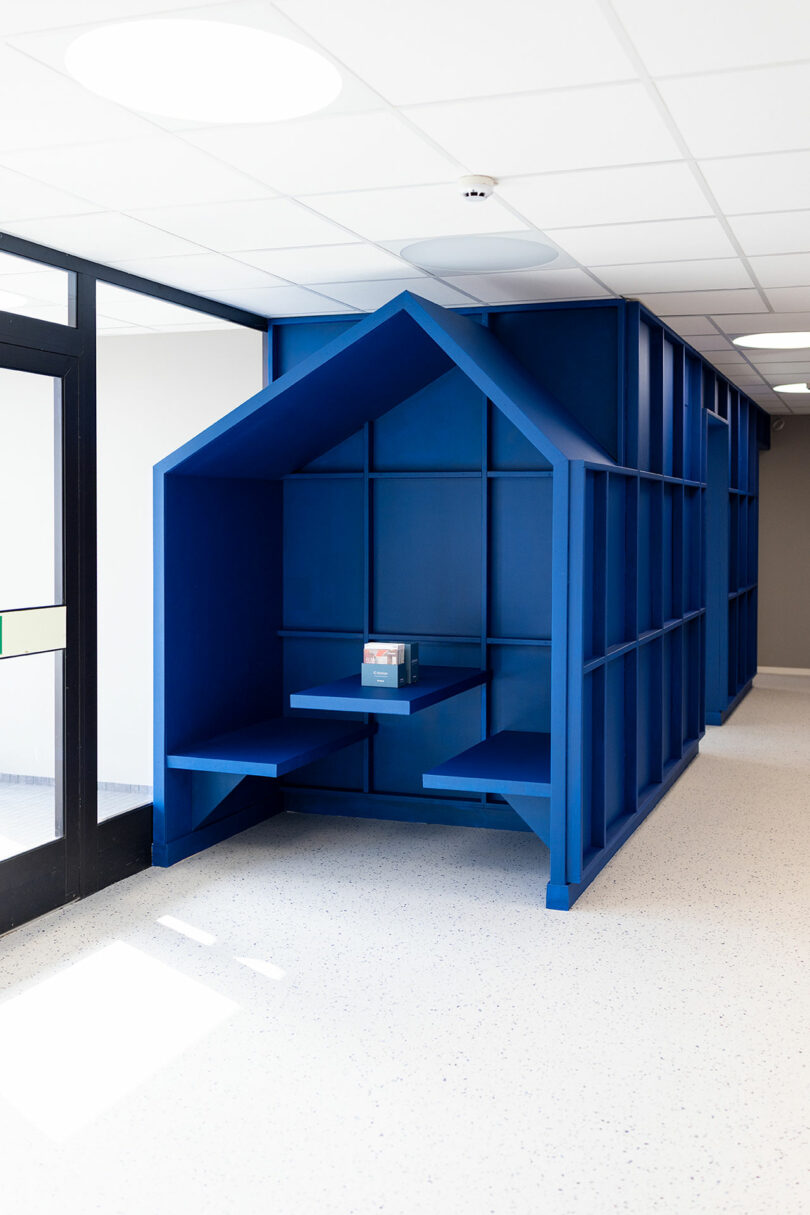
The collection is launched with a 16-tone palette, carefully curated to support modern architectural trends toward "soft" institutional spaces. In healthcare settings, these colors are designed to be grounding and calm, helping to reduce sensory overload for patients. In educational environments, the subtle shifts in tone can be used for wayfinding or to define different functional zones—such as quiet study areas versus active collaboration spaces—without the need for physical barriers. This "quiet design" approach ensures that the floor provides structure to a room without demanding the occupant’s constant attention.
Chronology of the Circular Shift: From Linear to Loop
The development of iQ Motion and the broader iQ range is part of a decades-long chronology of environmental commitment at the Ronneby plant.
- The 1940s-1970s: Establishment of vinyl production in Ronneby, focusing on durability and mass-market accessibility.
- The 1990s: The introduction of the "iQ" concept, focusing on maintenance-free (no wax) surfaces.
- 2000-2010: Early experiments with recycling installation waste through the ReStart® program.
- 2011-Present: The full integration of "Cradle to Cradle" principles. Tarkett began designing products specifically for the purpose of being disassembled and recycled at the end of their life.
- 2024 and Beyond: The launch of iQ Motion, which pushes the boundaries of recycled content and carbon reduction, achieving the lowest circular carbon footprint in its category.
Supporting Data and Environmental Impact
Tarkett’s claims regarding circularity are supported by rigorous data and third-party certifications. iQ Motion is designed as a "mono-material," which is a critical distinction in the world of recycling. Because it is made of a single, consistent substance rather than a composite of different plastics and glues, it can be shredded and melted back into new flooring without the purity of the material being compromised.
Key data points regarding the product include:
- Recycled Content: iQ Motion contains an average of 25.5% recycled material, including post-consumer flooring collected from old buildings.
- Carbon Footprint: The material boasts the lowest circular carbon footprint compared to similar competitor products, largely due to the efficiency of the Ronneby recycling facility and the use of renewable energy in production.
- Take-Back Compatibility: The product is fully integrated into the ReStart® program, a global logistics network that collects off-cuts and used flooring from construction sites.
- VOC Emissions: The product maintains extremely low Volatile Organic Compound (VOC) emissions, contributing to better indoor air quality, which is vital in clinical and educational settings.
The Infrastructure of Recovery: The Tarkett Recycling Center
A short distance from the main production factory in Ronneby lies the Tarkett Recycling Center, a facility that serves as the "lungs" of the circular system. Here, the company manages the complex task of processing "legacy materials."
One of the greatest challenges in circular design is dealing with floors installed 20 or 30 years ago. These older materials often contain chemical additives that are no longer permitted under modern health and safety regulations, such as certain phthalates. The Ronneby team has developed sophisticated sorting and cleaning technologies that allow them to identify and remove these unwanted substances, ensuring that only safe, high-quality material is reintroduced into the production cycle. This process requires constant collaboration with chemical engineers and environmental scientists, turning the factory into a living laboratory for material science.
Broader Industry Implications and Official Responses
Industry analysts view Tarkett’s work in Ronneby as a blueprint for the future of European manufacturing. As the European Union tightens its regulations on carbon reporting and waste management (such as the Corporate Sustainability Reporting Directive), companies that have already invested in circular infrastructure are positioned for significant market advantages.
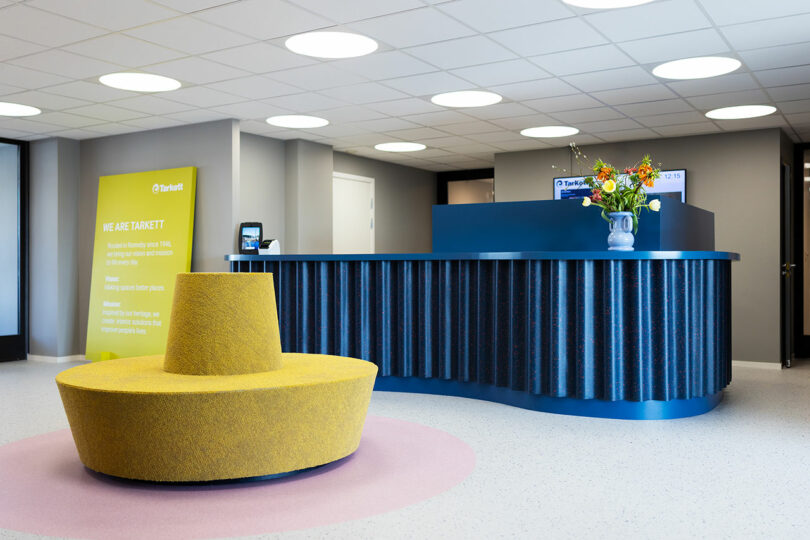
While Tarkett executives emphasize that circularity is an "ongoing journey" rather than a finished achievement, the response from the architectural and design community has been overwhelmingly positive. Designers are increasingly looking for "infrastructure-grade" materials that do not look like industrial products. By treating flooring as both a performative surface and a design interface, Tarkett is meeting a growing demand for "conscious luxury" in the contract sector.
Fact-Based Analysis: The Future of the Built Environment
The significance of iQ Motion extends beyond the flooring industry. It represents a fundamental rethinking of the built environment. In the traditional model, a building is a collection of products that eventually become waste. In the circular model proposed by Tarkett, a building is a "material bank"—a temporary storage site for resources that will eventually be harvested and reused.
This shift has profound implications for how we calculate the value of architecture. If a material can be restored in place for 30 years and then sold back into a recycling stream at the end of its life, its true cost is much lower than a cheaper, non-recyclable alternative. Tarkett’s Ronneby site proves that this model is not just a theoretical ideal but a commercially viable reality.
Conclusion: The Quiet Revolution in Ronneby
Ronneby may remain an unassuming town on the Swedish coast, but its impact on the global stage of sustainable design is profound. Through products like iQ Motion, Tarkett is demonstrating that industrial scale and environmental responsibility are not mutually exclusive. By combining the Swedish tradition of design for the common good with advanced circular technology, the company is creating a foundation—both literal and conceptual—for a more sustainable future.
The future of circular design is not found in loud, experimental prototypes, but in the small, consistent advancements made in factories like the one in Ronneby. It is found in the chips of a terrazzo-patterned floor, in the logistics of a take-back program, and in the commitment to making materials that are designed to last, designed to be lived with, and ultimately, designed to be born again. As the world grapples with the challenges of resource scarcity and climate change, the quiet innovations coming out of this corner of Sweden offer a clear and hopeful path forward for the global manufacturing industry.