The Evolution of Generative AI in Fashion Retail and the Shift Toward Digital Commercial Infrastructure


The fashion industry has entered a period of profound structural transformation, driven by the rapid maturation of generative artificial intelligence (AI) in commercial photography and supply chain operations. As of 2026, the retail sector is witnessing a seismic shift from traditional, labor-intensive production methods to automated, high-fidelity digital workflows. This evolution is detailed extensively in The Interline’s AI Report 2026, which synthesizes insights from 17 AI technology firms, 12 industry perspectives, and survey data from approximately 100 fashion professionals.
A Chronology of Synthetic Imagery in Fashion
The journey toward AI-integrated fashion retail began in earnest around 2023 and 2024, characterized by early-stage experimentation. Initially, the technology struggled with the "uncanny valley"—a psychological phenomenon where synthetic human likenesses appear sufficiently realistic to trigger a sense of unease or revulsion in viewers. Early AI-generated images frequently exhibited hallmark flaws: unnatural fabric draping, pixelated skin textures, and a lack of depth in the eyes.
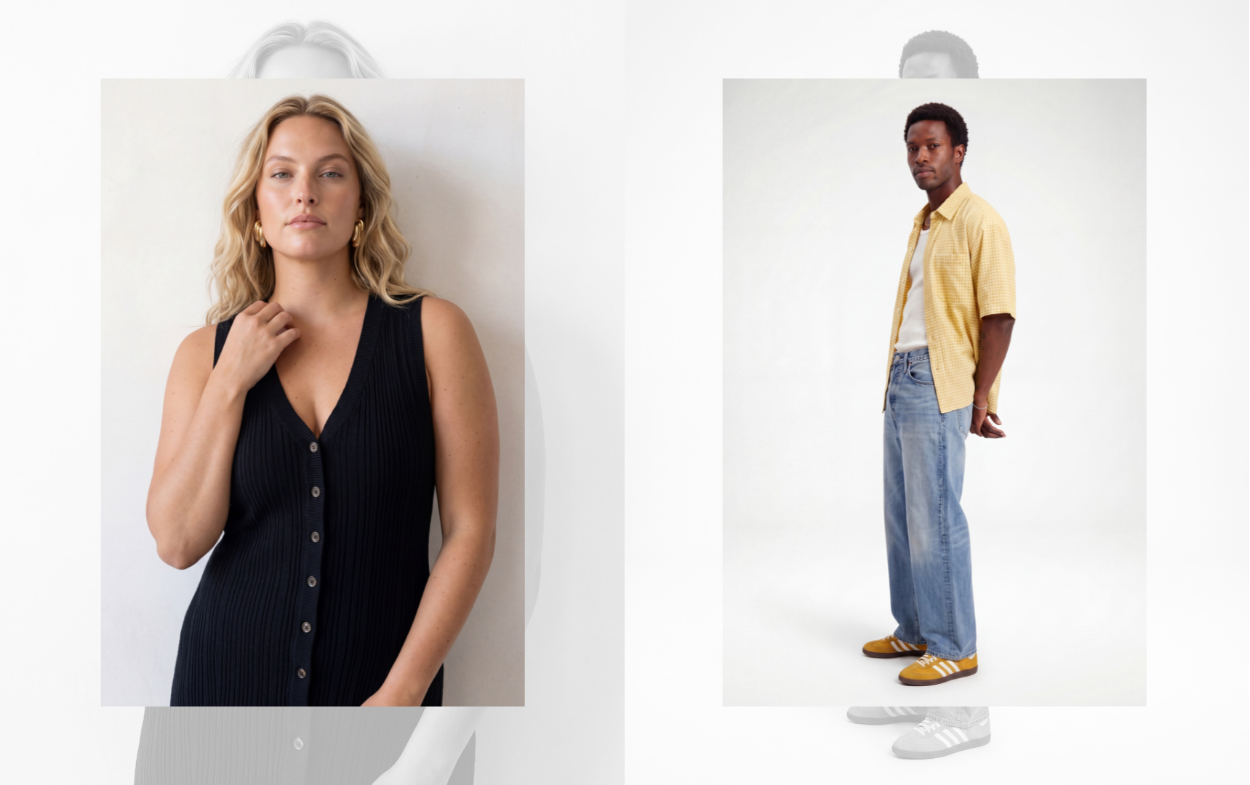
By late 2025, the industry reached a technological inflection point. Advances in diffusion models and latent space manipulation allowed for the creation of photorealistic models and settings that could be seamlessly integrated with actual product photography. Today, the divide between human-captured imagery and AI-generated assets has narrowed to the point where consumers often cannot distinguish between the two, marking a transition from novelty to a standard commercial tool.

Economic Impact: The Unit-Cost Revolution
The primary driver for this adoption is the dramatic reduction in operational expenditure. For traditional fashion eCommerce, the cost of a standard studio campaign—including model bookings, makeup artists, lighting technicians, studio rental, and post-production editing—is significant.
Industry benchmarks indicate that a typical daily shoot for 50 products using traditional methods costs approximately £2,500, averaging £50 per product. In contrast, the implementation of bespoke AI workflows, such as those leveraging Google’s Gemini Image models or proprietary integrations with platforms like ViZO Studio, has reduced these costs to approximately £50 for the same 50-item batch—a 98% reduction in per-item expenditure.
This economic shift has granted brands unprecedented creative flexibility. Retailers are no longer tethered to the physical constraints of studio availability or the logistical hurdles of international travel. A brand can now visualize a collection in a diverse array of global settings—from Paris to Tokyo—without the associated travel or location-scouting budgets.
Beyond Imagery: The Second Stage of AI Disruption
While digital photography represents the current "stage two" of AI integration, experts are looking toward "stage three": the total automation of the product lifecycle. This includes AI-driven demand forecasting, generative design, and automated procurement.
Current AI tools can now ingest sales data from previous seasons to generate new, market-optimized designs. These digital designs, or CADs, can be pushed directly to manufacturing partners, shortening the "design-to-shelf" timeline by weeks, if not months. Furthermore, AI agents integrated with CRM and advertising platforms are now capable of real-time optimization of Return on Ad Spend (ROAS) and dynamic pricing adjustments based on live market demand.
Ethical, Legal, and Strategic Considerations
The rapid deployment of AI is not without significant friction. The industry currently faces complex questions regarding intellectual property and brand security. Key concerns include:
- Model Ownership: The legal status of AI-generated faces and the potential for competitors to scrape proprietary digital models.
- Platform Dependency: Retailers face the risk of "vendor lock-in" or service termination, where critical infrastructure becomes inaccessible due to shifting platform policies or regulatory restrictions.
- Labor Displacement: The transition necessitates a shift in the labor market. Traditional roles, such as photographers and stylists, are increasingly expected to evolve into "Digital Art Directors" or "AI Prompt Engineers."
Data from the 2026 report suggests that while AI reduces costs, it also introduces a high degree of volatility. Because many AI models operate on "subsidized" pricing models to gain market share, there is a realistic expectation that costs will rise as the market consolidates. Furthermore, the risk of "model drift"—where image quality or style consistency fluctuates—requires constant human oversight to ensure brand integrity.
Strategic Resilience in an Automated Market
Industry analysts emphasize that human expertise remains the critical bridge between raw computational power and brand identity. As AI becomes a commodity, the value proposition shifts from the ability to generate images to the ability to curate and interpret them within a larger business strategy.

Generalist roles—individuals who possess a holistic understanding of supply chains, creative direction, and technical systems—are becoming indispensable. These professionals act as the fail-safe, ensuring that brands remain operational even if AI tools become restricted or economically prohibitive.
The current landscape serves as a warning and an invitation: brands that fail to integrate AI into their operational workflows risk being out-competed by more efficient, data-driven rivals. However, the most successful firms are those that treat AI as a tool for augmentation rather than a total replacement for human judgment.
Implications for the Future
The integration of AI into fashion is no longer a speculative trend; it is a permanent feature of the retail ecosystem. The immediate future will likely be defined by a "flight to quality," where brands differentiate themselves through the unique, proprietary nature of their AI workflows, rather than relying on generic, publicly available models.
As noted in the 2026 industry surveys, the consensus among leadership is that while the technology is transformative, the foundational principles of fashion—brand storytelling, quality control, and customer trust—remain unchanged. The challenge for the next decade will be maintaining these human-centric values while navigating a digital landscape that is moving with unprecedented velocity. Companies that successfully balance these technological efficiencies with traditional brand equity will define the next generation of fashion commerce.