The Evolution of Sustainable Luxury: A Deep Dive into the Vintage Jewelry Collection of Allison of HollywoodGold

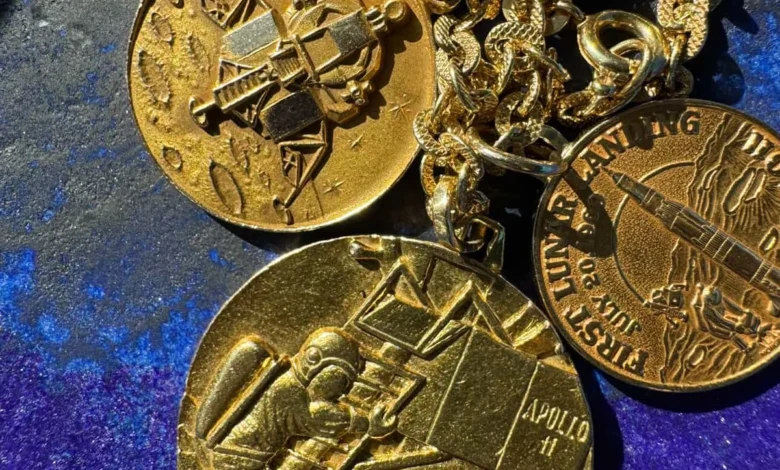
The modern jewelry market is witnessing a profound shift as collectors increasingly pivot away from mass-produced contemporary pieces toward the nuanced world of vintage and antique acquisitions. This transition, driven by a convergence of environmental consciousness and an appreciation for mid-century craftsmanship, is exemplified by the personal collection of Allison, the curator behind the Instagram account @HollywoodGold. Her approach highlights a broader trend in the luxury goods sector: the rejection of fast fashion in favor of historical preservation, sustainable procurement, and individualistic style.

The Sustainability Mandate in Fine Jewelry
For many collectors, the journey into vintage jewelry begins with an ethical evaluation of consumption. As the global jewelry industry faces increasing scrutiny regarding the ecological impact of gold mining and the human rights concerns associated with diamond extraction, vintage jewelry offers a circular economy solution. According to data from the World Gold Council, the environmental footprint of recycled gold is significantly lower than that of newly mined material, as it eliminates the carbon-intensive processes of extraction, refining, and site remediation.
Allison’s transition into collecting reflects this macro-economic shift. Initially viewing jewelry as an indulgent luxury reserved for gifting, she pivoted toward secondary markets as part of a broader lifestyle change focused on sustainability. By prioritizing pre-owned items, collectors like Allison participate in the conservation of heritage pieces while bypassing the demand for new production. This behavioral shift is not merely aesthetic; it is a tactical response to the perceived waste inherent in modern luxury retail.

Chronology of a Collector: From Novice to Connoisseur
The trajectory of a jewelry collection often mirrors the evolution of the collector’s technical knowledge. For Allison, the collection process followed a logical progression:
- Initial Phase: Reliance on gifts and limited exposure to high-end retail.
- Educational Phase: Extensive research into historical design eras, specifically the 1970s.
- Ethical Pivot: A move toward eco-conscious consumerism, identifying vintage as a sustainable alternative to new goods.
- Active Acquisition: The development of specific thematic focuses, including lunar-themed iconography and personalized signet rings.
This timeline illustrates how personal values often dictate the focus of a collection. By moving from a passive recipient of jewelry to an active researcher and procurer, the collector shifts the narrative of their pieces from mere ornamentation to historical documentation.

Thematic Focus and Historical Context
Within the @HollywoodGold collection, two primary motifs emerge: 1970s "chunky" gold and lunar-landing memorabilia. The obsession with 1970s design is reflective of a specific era in jewelry history characterized by bold geometries, heavy gold content, and a departure from the delicate, filigree-heavy styles of the Edwardian and Victorian periods. During the 1970s, jewelry design reflected the social liberation movements of the time; it was a decade where gold was used as a primary architectural element rather than merely a setting for stones.
The inclusion of lunar-landing medals and jewelry serves as a fascinating intersection of space-age history and decorative art. Following the 1969 Apollo 11 mission, the cultural fascination with space travel translated into a surge of commemorative jewelry. High-end houses, including Van Cleef & Arpels, produced limited-edition pieces celebrating this technological achievement. For a collector, these items represent "white whales"—rarities that serve as both financial assets and historical artifacts.

The Challenges of Vintage Procurement
The acquisition of vintage jewelry presents unique logistical hurdles that differentiate it from retail shopping. Size, condition, and provenance are the primary variables that dictate value. Allison notes that a significant challenge in building a signet ring collection is the disparity between historical sizing standards and modern requirements. Many antique signet rings were designed for men, resulting in ring sizes—often 10 or 11—that require professional resizing or creative layering for smaller fingers.
Furthermore, the shift toward online marketplaces has democratized access to these rare items. Platforms such as eBay, Instagram, and curated vintage fairs like Pickwick Vintage and A Current Affair have replaced the traditional, localized auction house model. This digital transition allows for global sourcing, yet it requires a high degree of technical expertise to verify authenticity and metal quality without the benefit of physical inspection.

Analysis of the "Style as Perspective" Philosophy
The philosophy guiding the @HollywoodGold collection underscores a critical distinction in the fashion industry: the difference between "fashion" and "style." Fashion is often defined by external trends, whereas style, as interpreted by collectors like Allison, is a personal perspective integrated into one’s daily life. This philosophy aligns with current sociological observations regarding "curated living," where individuals utilize objects to project their identity.
The presence of "nudie" vintage pieces—jewelry featuring figurative, often irreverent, depictions—alongside more traditional medals like the Guadalupe, highlights the eclectic nature of modern collections. By balancing religious iconography with pop-culture motifs, the collector creates a dialogue between the sacred and the profane, a hallmark of mid-century artistic expression.

Economic and Environmental Implications
The rise of independent collectors who prioritize vintage over new retail has meaningful implications for the broader jewelry market:
- Market Stability: The secondary market for vintage jewelry is becoming more robust, with prices for high-quality, authentic 20th-century gold items trending upward as supply remains finite.
- Corporate Response: Major jewelry retailers are beginning to notice the shift. Some brands have launched "pre-loved" or "archive" divisions to compete with the secondary market, though they often struggle to replicate the unique, curated nature of individual collections.
- Digital Community Growth: The role of social media in fostering niche communities cannot be overstated. Instagram has become the primary venue for jewelry education, enabling smaller, independent sellers to reach highly targeted audiences. This has reduced the reliance on traditional brick-and-mortar storefronts, lowering the barrier to entry for both dealers and buyers.
The Role of Personal Expression in Adornment
Ultimately, the act of collecting jewelry is an exercise in personal expression. For Allison, every ring, medal, and chain is a chapter in an ongoing narrative. The integration of her collection—from her affinity for the "initial A" rings to her commemorative medals—suggests that jewelry is not merely an accessory, but a form of daily speech.

In a digital age, where personal identity is increasingly mediated through screens, the physical weight of vintage gold offers a grounding, tactile connection to the past. The collection featured in the HollywoodGold portfolio is not just an assembly of precious metals; it is a testament to the idea that personal style, when rooted in history and sustainability, becomes a durable form of art.
Conclusion
The story of @HollywoodGold serves as a case study for the modern jewelry enthusiast. It confirms that the future of luxury is not necessarily found in the next new collection from a global fashion house, but in the intelligent, ethical, and passionate pursuit of items that have already stood the test of time. As more consumers adopt this mindset, the industry will likely see continued growth in the circular economy, further cementing the status of vintage and antique jewelry as the cornerstone of conscious, high-end personal style. The focus on individual narrative over mass-market trends ensures that the jewelry of the past will continue to define the aesthetics of the future.
Related posts: