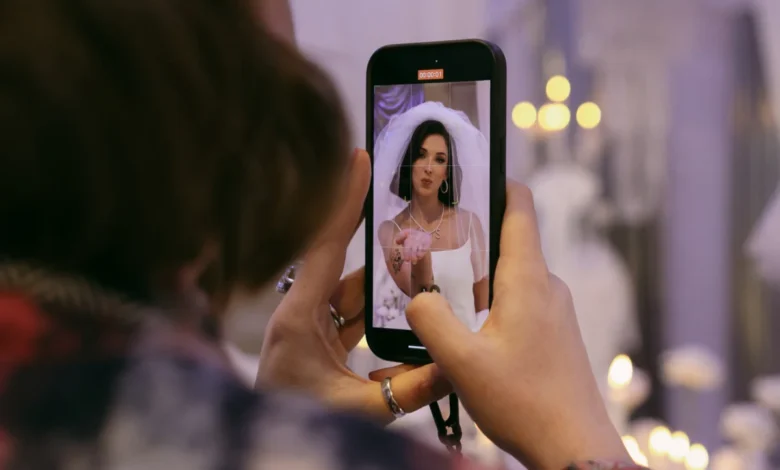
The modern wedding landscape has undergone a significant transformation, moving from strictly controlled professional documentation to a hybrid model that incorporates the lived, candid experiences of the wedding party and guests. While professional photography remains the cornerstone of any matrimonial event, the rise of smartphones has created an unprecedented opportunity to capture the day from multiple perspectives. However, many couples find that their attempts to aggregate these digital memories fall short due to logistical friction, technical barriers, and a lack of clear strategy. According to event planning data, while nearly 90% of couples express a desire for guest-submitted content, less than 40% successfully implement a system that results in a high-quality, organized collection of images.
The Evolution of Wedding Documentation
Historically, wedding photography was a singular, static endeavor. Couples relied exclusively on hired professionals to frame the narrative of their day. As technology evolved, the burden of documentation shifted. In the early 2000s, this manifested as "disposable camera culture," where film cameras were placed on tables. This approach had inherent limitations: the cost of film development, the uncertainty of image quality, and the delay in receiving the final product.
Today, the democratization of high-definition smartphone cameras has effectively placed a professional-grade device in the hands of every attendee. Yet, the challenge has pivoted from capturing the photo to organizing the digital deluge. Professional planners note that the primary failure point is the transition from the guest’s personal device to a centralized, shared repository.
Analyzing the Three Primary Collection Modalities
Current industry standards for digital collection fall into three distinct categories, each with specific technical implications for the host.
Shared Cloud Storage Solutions
Platforms such as Google Photos remain the most accessible starting point. They are cost-effective and provide a familiar user interface for most guests. However, they lack the "ceremonial" feel appropriate for a wedding environment. The necessity of logging into a personal account creates a "friction barrier" that often discourages participation. Furthermore, these platforms are not optimized for event management, often resulting in cluttered, unorganized galleries that require significant post-event curation by the couple.
Proprietary Disposable Camera Applications
These applications attempt to gamify the experience by restricting the ability to review photos until a specific time—often the following day or week—mirroring the anticipation of physical film. While this adds a layer of nostalgia, it presents a significant risk: the "black box" effect. Because users cannot see their results in real-time, there is no opportunity to correct poor lighting or framing. Statistically, these apps tend to produce a higher volume of unusable content, including blurred or accidental shots, compared to systems that allow for instant feedback.
Browser-Based Web Applications
The current market leader in efficiency is the web-based photo sharing app. By utilizing mobile browsers, these services bypass the requirement for guests to download specific software, which is a significant deterrent for many attendees. These platforms allow for instant uploads and often include administrative tools that enable the host to moderate content in real-time. This modality bridges the gap between the spontaneity of a smartphone and the organization required for a professional-grade archive.
Chronological Strategy: Managing the Lifecycle of Digital Assets
To maximize the efficacy of a guest photo initiative, couples must approach the task as a project with a clear timeline. The most successful implementations follow a structured lifecycle:
The Pre-Event Phase (Three Months Prior)
The strategy begins long before the ceremony. Information regarding the photo sharing platform should be integrated into the wedding website or digital invitations. Establishing the expectation early allows guests to familiarize themselves with the platform, significantly increasing the probability of active participation during the event.
The Execution Phase (The Wedding Day)
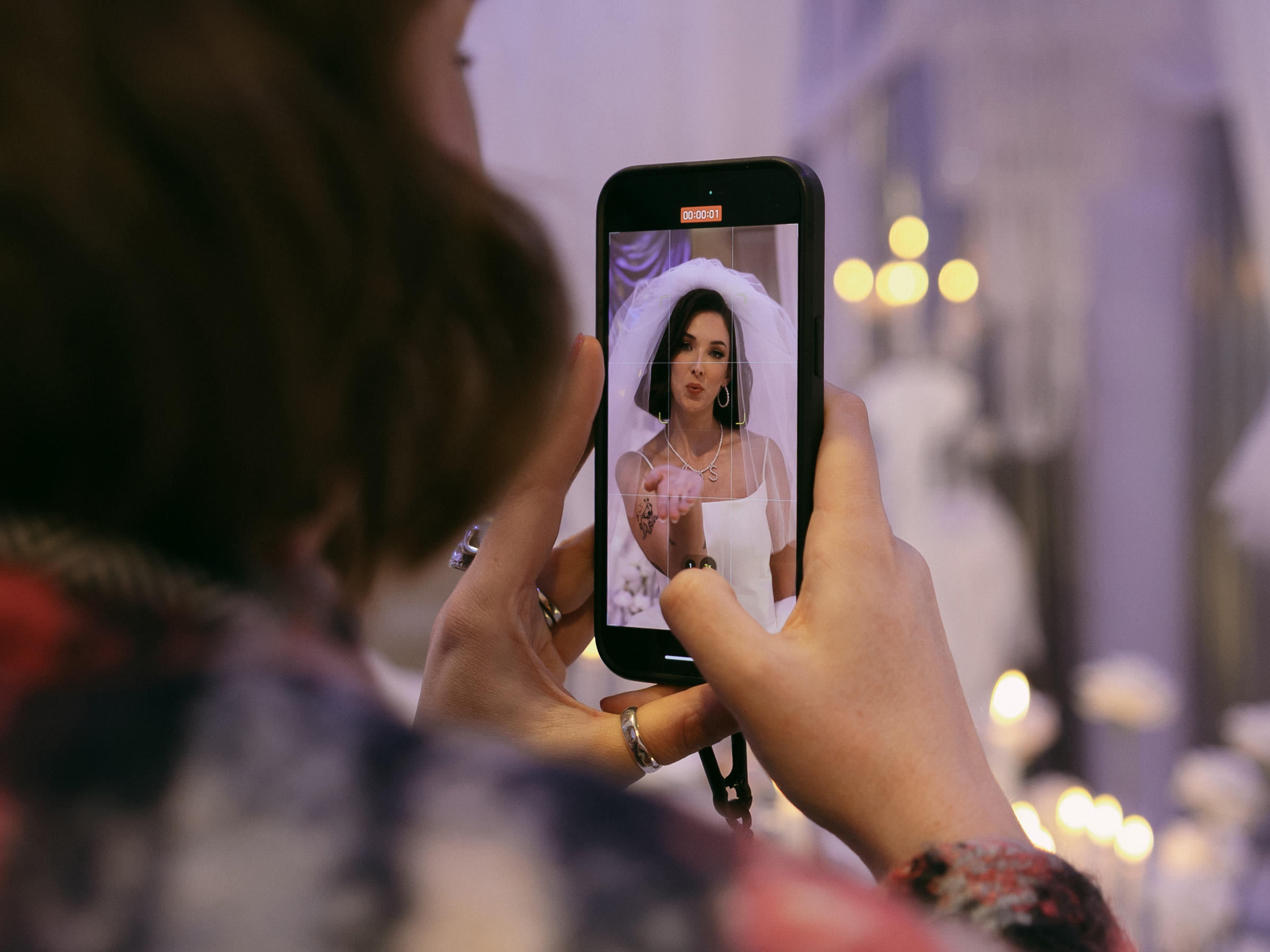
The peak of data collection occurs during the event, but the "signage" strategy is critical. Relying on a single sign at the entrance is statistically ineffective. Industry experts recommend a multi-touchpoint approach: placing QR codes on reception tables, including the link in event programs, and having the Master of Ceremonies make a brief announcement. Integrating the request into a "Wedding Bingo" or similar interactive game can further incentivize participation by providing a tangible objective for the guests.
The Post-Event Phase (48 to 72 Hours After)
Data shows that approximately 60% of guest-submitted photos are uploaded within the first 48 hours following the event. Many guests prefer to review, edit, or select their best shots at home rather than rushing to upload them during the festivities. Consequently, systems that are closed or deactivated immediately after the reception often miss a significant portion of the available content.
Mitigating Common Planning Errors
A common oversight among couples is the miscalculation of participation rates. When budgeting for digital services, it is rarely necessary to secure a package based on the total headcount. Based on behavioral analytics, even at highly engaged weddings, approximately 40% to 50% of the total guest list will actively contribute photos. Scaling to the full headcount often results in unnecessary expenditure for unused capacity.
Another critical error is the lack of content moderation. When thousands of photos are aggregated into a single, raw folder, the utility of the collection is severely diminished. The most efficient workflows involve a "triage" phase. Once the window for uploads has closed, the couple should systematically filter the collection, removing duplicates, low-quality shots, or redundant images. This curated "best of" album then serves as a meaningful digital heirloom, rather than a disorganized data dump.
Implications for Future Wedding Planning
The integration of guest-sourced photography is not merely a technical trend; it is a shift in the sociology of weddings. It transforms the guest from a passive observer into a secondary documentarian. This change requires a balance between encouraging participation and maintaining the sanctity of the professional photography experience.

Professional photographers generally view these initiatives as a complement to their work rather than a competitor. While the professional captures the planned, formal narrative, guest photography fills the gaps—capturing the unguarded reactions during speeches, the energy on the dance floor, and the peripheral interactions that occur away from the primary camera lens.
Expert Perspectives and Technological Integration
Technological developers in the event space emphasize the importance of seamlessness. As noted by industry specialists, the success of these systems hinges on the "two-tap rule": a guest should be able to navigate from a QR code scan to an image upload in no more than two interactions. Complex registration processes are the primary cause of user abandonment.
Furthermore, the rise of specialized platforms—such as Hazel, which offers integrated print solutions like custom table cards and bingo sheets—indicates a shift toward "all-in-one" event management. By embedding the digital infrastructure into the physical decor, these tools minimize the psychological barrier to entry for guests.
Conclusion: The Value of the Collective Narrative
The goal of implementing a guest photo strategy is to create a comprehensive, multi-faceted record of the wedding. When managed with foresight, these digital assets provide a layer of emotional texture that is impossible for a single professional photographer to replicate alone. By selecting the correct platform, timing the outreach, and managing the expectations of the guest list, couples can successfully capture the intimate, unscripted moments that define the day.
While the professional photography team will always provide the aesthetic foundation of the wedding documentation, the guest-sourced album serves as the emotional heart. By treating the digital collection as a curated narrative rather than a bulk data storage task, couples ensure that these memories remain accessible and meaningful for years to come. Ultimately, the success of the endeavor rests on simplicity: the easier the process, the more authentic the result.
Related posts: