The Great Sizing Paradox: Why Fashion’s Fit Crisis Is No Longer Just a Technology Problem

As important as technology has become to the moving goalposts of fit, solving the industry’s sizing crisis is not, at least not anymore, a technology problem. While the fashion sector has spent the last half-decade pouring capital into increasingly sophisticated digital tools—from body-scanning apps to AI-driven virtual fitting rooms—these investments have frequently failed to yield a commensurate drop in return rates. To understand why, one must look beyond the code and the sensors to the fundamental disconnect between how brands manufacture garments and how human beings define comfort.
The Financial Scale of the Sizing Crisis
The economic implications of this misalignment are staggering. According to 2024 industry data from the National Retail Federation and Statista, returns cost the United States retail sector alone an estimated $890 billion. Within the apparel segment specifically, eCommerce return rates oscillate between 10% and 50% depending on the geography and product category. These figures represent not just a loss of revenue, but a massive logistical burden, encompassing the costs of reverse logistics, cleaning, restocking, and the inevitable devaluation of returned goods.
The rise of mobile commerce, which accounted for more than 50% of all online transactions during the 2025 holiday season according to Adobe, has exacerbated the issue. Consumers are increasingly forced to rely on "sight-unseen" purchasing, where the only available proxies for fit are static product photography, subjective descriptions, and often-misleading size charts. This has birthed the "wardrobing" phenomenon—a consumer behavior where shoppers order multiple sizes of the same garment with the explicit intent of returning everything that does not fit. For the modern consumer, the living room has effectively replaced the fitting room, turning retailers into unintentional warehouse logistics providers.
A Chronology of Failed Tech Solutions
For years, the industry’s approach to this crisis followed a linear, technology-first trajectory.
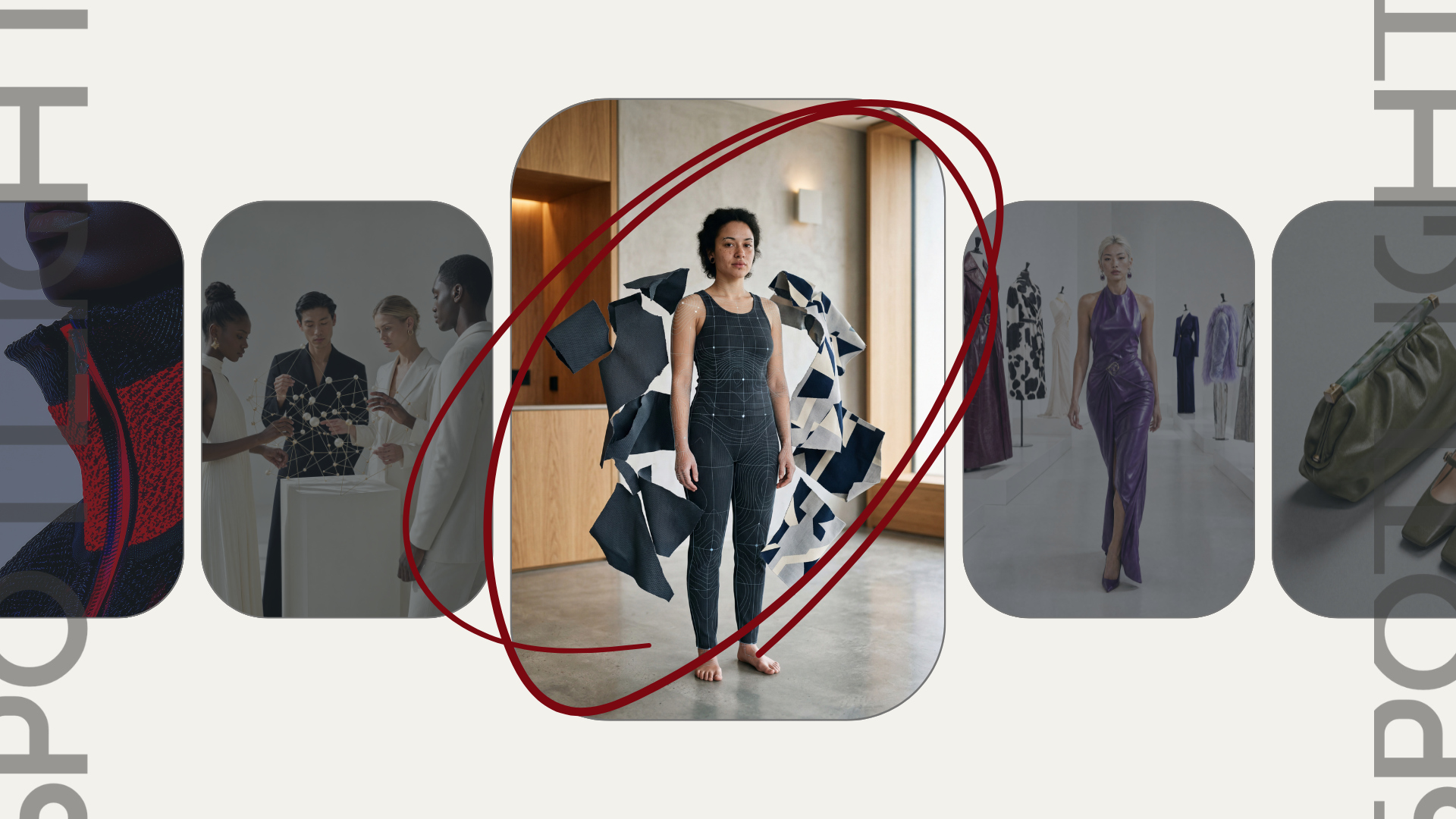
- 2020–2021: The initial "Scan-to-Fit" wave. Brands experimented with smartphone-based LiDAR and photogrammetry to generate 3D body models. The hypothesis was that if a user could see their digital twin, they would make more accurate purchase decisions.
- 2022–2023: The pivot to Algorithmic Recommendations. As consumers pushed back against the privacy and labor-intensive nature of scanning, brands pivoted to "Fit Recommendation Engines." These tools asked users for height, weight, and age, then compared that data against historical purchase trends to suggest a size.
- 2024–2025: The shift toward "Fit Intelligence." The realization dawned that isolated data points—a waist measurement or a height—failed to account for personal preference or the evolving shape of the human body.
The Three Barriers to Technological Success
Despite these advancements, the "fit problem" remains persistent due to three distinct, non-technological hurdles.
First, there is the behavioral barrier. Even in the privacy of one’s home, most consumers are unwilling to strip down to undergarments for the sake of an accurate scan. Furthermore, data privacy concerns and the psychological impact of being presented with an "objective" and often unflattering 3D model create friction. When technology introduces friction, the consumer reverts to the path of least resistance: ordering multiple sizes.
Second, the foundational data is often flawed. Most brands design clothes based on "blocks"—the base patterns from which all other sizes are graded. These blocks are frequently rooted in archaic sizing surveys conducted decades ago. As noted by industry experts like Michaela Wessels of Style Arcade, the data coming back from retail channels is often distorted. Brands often do not "own" their own fit; they rely on suppliers to handle grading, creating a disconnect between the design intent and the final product that reaches the consumer’s doorstep.
Third, the definition of "fit" is fundamentally subjective. A brand may define a size Medium as a specific set of circumference measurements, but the consumer may define it based on how they want the fabric to drape, their personal preference for tightness, or their current body composition. With the rapid rise of GLP-1 medications, strength training, and cosmetic procedures, human bodies are changing at a velocity that traditional, static grading rules cannot accommodate.
The Role of Fit Intelligence
The industry is now entering a new phase of maturity. The current leader in this space, SAIZ, represents a shift from "predictive sizing" to "Fit Intelligence." Unlike early tools that functioned as static calculators, these platforms act as a living, connected layer of data. By integrating real-time retail performance data with consumer preference signals, these systems can adjust for how a specific brand’s cut actually performs across different body types.
This approach treats fit not as a binary "yes or no" question, but as a dynamic conversation between the product and the wearer. It acknowledges that the solution requires a synthesis of:
- Scientific Data: Hard measurements and 3D body geometry.
- Subjective Preference: User-reported comfort and styling goals.
- Merchandising Strategy: Ensuring that the stock being produced actually aligns with the physical reality of the customer base.
Broader Implications for the Fashion Industry
The transition away from viewing fit as a "technology-only" problem suggests a shift in how fashion companies will operate over the next few years. Brands that continue to treat fit as a static, solvable equation—or that hide behind generic size charts—will likely see their return costs continue to escalate.

Conversely, the retailers that succeed will be those that integrate "Fit Intelligence" into the very core of their merchandising and design processes. This requires a cultural audit of how brands view their customers. Instead of forcing the customer to fit into a standardized model, the successful brand of 2026–2027 will use technology to map their inventory to the reality of their customers’ diverse and changing bodies.
Ultimately, the return on investment for these new technologies will not be measured solely by the reduction in return rates, though that is a necessary metric. The true success will be measured in the brand-customer relationship. When a brand can successfully communicate how a garment will feel and sit on a specific body, they build a level of trust that transcends the transaction. As the industry moves forward, the "fit crisis" will likely be solved not by a single, monolithic piece of software, but by a holistic, data-driven approach that respects the nuance of human anatomy and the reality of modern consumer behavior. In this new era, technology serves as the bridge, but the customer’s subjective experience remains the destination.