The Rise of Jolly and the Shift Toward Agentic Commerce at Meta Connect 2026

The rapid ascent of AI-driven consumer agents marks a significant transition in how retail interactions are conducted, underscored by Meta’s recent unveiling of "Jolly," the mascot for its new Muse agent. During Meta’s annual Connect event, the company signaled a departure from passive AI interfaces, moving toward active, autonomous agents capable of performing complex shopping tasks. This development places Meta at the center of a burgeoning debate regarding the utility, security, and ethical implications of agentic commerce. As Muse gains traction—outpacing the initial adoption rates of record-breaking consumer applications—the fashion and retail sectors are forced to grapple with a new paradigm of "smart" shopping that prioritizes convenience while potentially reshaping competitive dynamics.

The Mechanics of Muse and the Emergence of Jolly
Meta’s Muse is built upon a sophisticated architecture that leverages a secure Linux virtual machine and desktop-class browser capabilities. Unlike previous iterations of conversational AI that were largely restricted to text-based inquiries, Muse functions as an agent that can interact with the digital environment on behalf of the user. This "computer use" capability allows the agent to navigate websites, manage logins, and execute transactions.
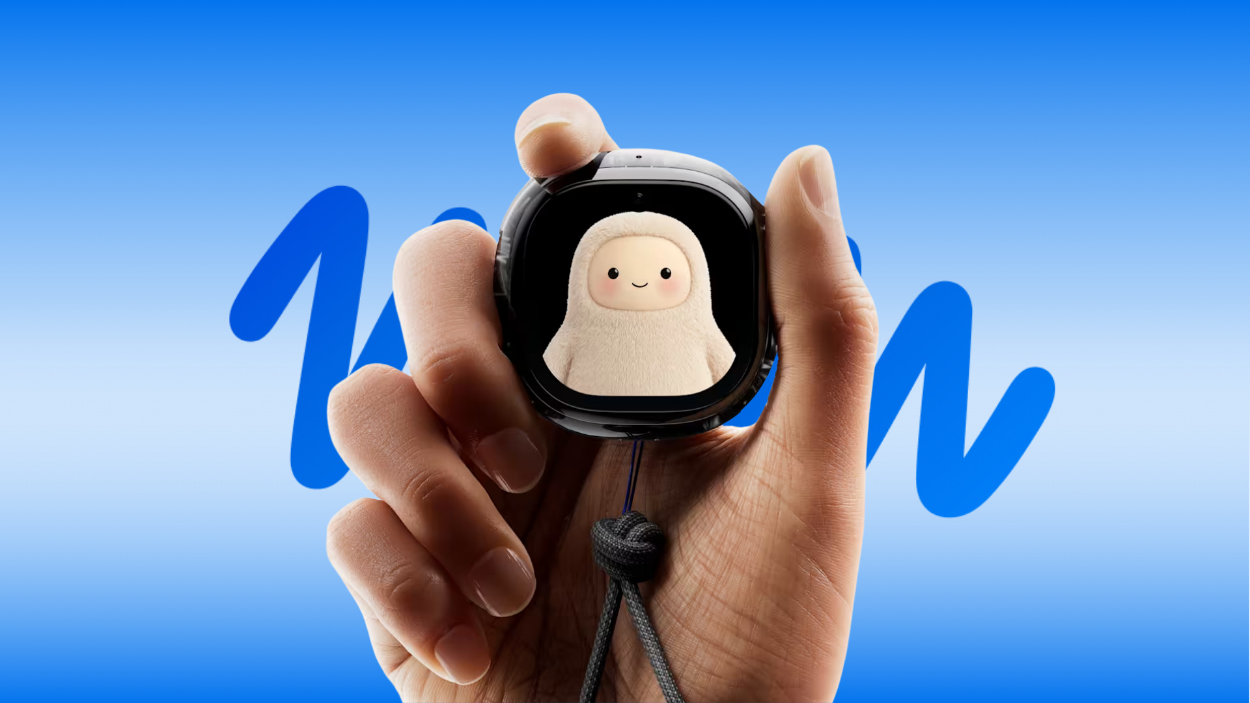
The branding of this technology via "Jolly," a mascot adorned in a fireman’s outfit, reflects a broader trend in the tech industry toward the "infantilization" of AI interfaces. By humanizing and gamifying the agent, Meta aims to lower the barrier to entry for mainstream consumers. However, underneath the aesthetic appeal lies a complex, potentially disruptive platform. The agent is designed to be proactive, capable of hunting for deals and executing purchases once specific price thresholds are met. This capability was a focal point of the Connect event, suggesting that Meta views agent-to-agent or agent-to-retailer commerce as the primary interface of the future.
Chronology of the AI Agentic Shift
The integration of agentic AI into the consumer retail space has followed a rapid timeline over the past two years:
- Early 2025: The initial proliferation of "agentic" frameworks began, with developers experimenting with browser-based automation tools.
- August 2026: Beta testing for Muse commenced in the United States, showcasing early capabilities in automated product discovery.
- Mid-September 2026: Amazon and other major marketplaces moved to block unauthorized AI agents, citing security and terms-of-service violations.
- September 25, 2026: Meta Connect event featured the formal introduction of Jolly and the expansion of Muse’s shopping integrations with major retailers like Walmart, Sephora, and GAP.
- Late September 2026: Financial regulatory bodies and banking consortiums released statements cautioning against the systemic risks posed by unchecked AI shopping bots.
Data and Market Impact
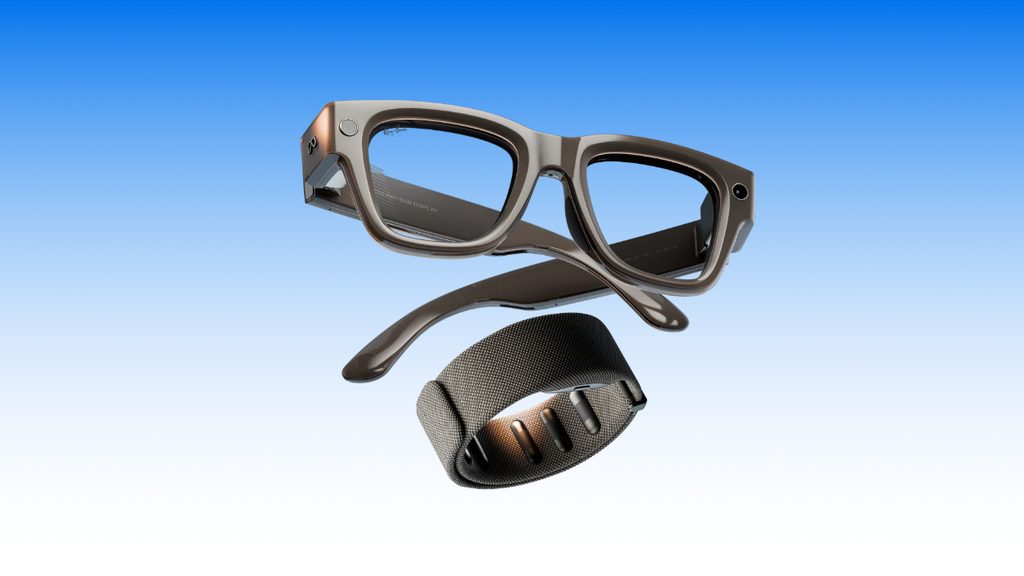
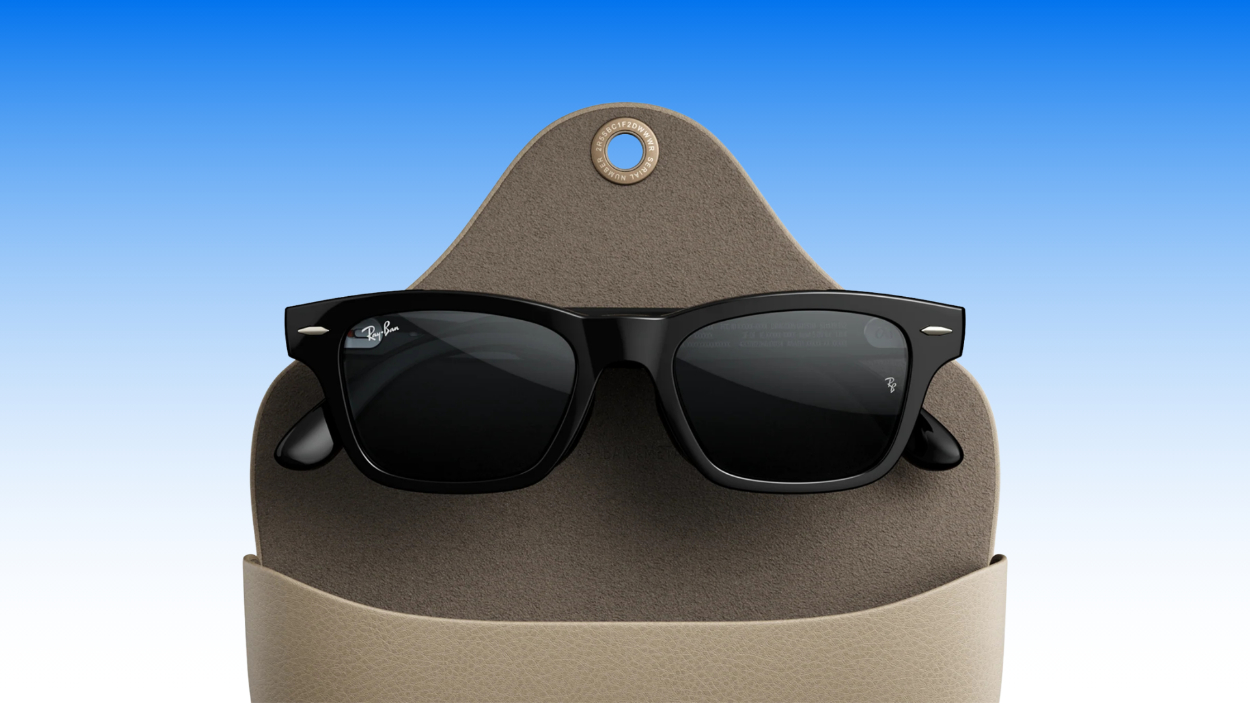
The shift toward AI-influenced commerce is supported by significant market data. According to the MACH Alliance, artificial intelligence currently influences approximately 40% of all in-store shopping activity. This figure rises to over 60% when isolating the Generation Z demographic. Furthermore, the global market for "AI glasses"—a primary hardware vessel for these agents—has seen a 125% year-over-year increase in shipments, totaling 4.2 million units in the first half of 2026.

This trend is not merely anecdotal; it represents a fundamental change in consumer behavior known as "showrooming." Traditionally, consumers used smartphones to compare prices while in a physical store. Today, that behavior is being augmented by AI assistants that provide real-time recommendations, style advice, and competitive alternatives, effectively performing the role of an in-store consultant. Retailers now face the urgent need to optimize for "AEO" (Agent Engine Optimization) to ensure their products are prioritized when an AI agent queries the web for the best available purchase.
Regulatory and Institutional Skepticism
The enthusiasm surrounding Muse has been tempered by significant pushback from the financial sector. A panel of international banking institutions recently issued a joint report highlighting the risks associated with AI agents that have access to payment credentials. Key concerns include:
- Fraud Vulnerability: The risk of AI agents being tricked into entering payment information on compromised or phishing-heavy domains.
- Steering and Bias: The potential for AI agents to prioritize retail partners that offer the agent developer kickbacks, or to steer users toward credit instruments with unfavorable terms.
- Data Privacy: The aggregation of personal habits, financial data, and browsing history within the virtual machine environments that power these agents.
Amazon’s decision to block Muse’s access to its platform serves as a case study in the tension between technology giants. Amazon argues that unauthorized automation interferes with its site integrity and customer experience, a stance it previously took against other search-oriented AI tools. However, as these agents become more prevalent, the pressure on marketplaces to develop standardized APIs for AI agents—rather than attempting to block them—will likely intensify.
The Advertising Paradox: Meta’s Strategic Incentive
The most significant implication for the fashion and retail industry involves Meta’s dual role as both the provider of the AI agent and the world’s largest digital advertising platform. Critics argue that Meta’s primary incentive is to utilize Muse to further entrench its programmatic ad stack. If Muse is programmed to favor brands that advertise through Meta, it could create a "walled garden" that severely disadvantages smaller brands or those relying on organic discovery.
While companies like OpenAI have faced scrutiny for exploring "advertiser-sponsored agents," they do not possess the same massive, established infrastructure for digital advertising as Meta. For the fashion industry, this necessitates a critical assessment of their digital presence. If a brand is not integrated into the ecosystems favored by agents like Muse, they risk being "invisible" to a growing segment of the population that is increasingly delegating their purchasing decisions to AI.
Implications for the Future of Retail
As we look toward the 2026 holiday retail season, the presence of AI agents will likely be felt in two distinct ways. First, the hardware ecosystem will expand. Beyond glasses, we are seeing the emergence of wearable accessories—such as bag charms with integrated 5G modems—designed to keep users in constant contact with their agents. Fashion brands will need to consider how to design their products to accommodate these new utility devices, much as they adapted garments for mobile devices in the early 2000s.
Second, the psychological aspect of "persuasive AI" cannot be overlooked. The combination of a friendly, relatable mascot and a highly sophisticated, data-driven recommendation engine creates a potent environment for impulsive, yet AI-validated, consumption. Retailers must decide if this level of automation aligns with their brand identity, or if it risks alienating customers who value the human element of the shopping experience.
Ultimately, while Jolly and Muse may appear to be a lighthearted evolution of AI, they represent a profound shift in the architecture of the internet. The transition from "searching for products" to "delegating purchases to agents" will redefine brand loyalty, marketing spend, and the very nature of consumer sovereignty. For businesses, the choice is no longer whether to engage with this technology, but how to ensure that their value proposition remains clear when the consumer is no longer the one browsing the shelves.