The Ultimate Guide to Ethical and Sustainable Knitwear Brands in the UK

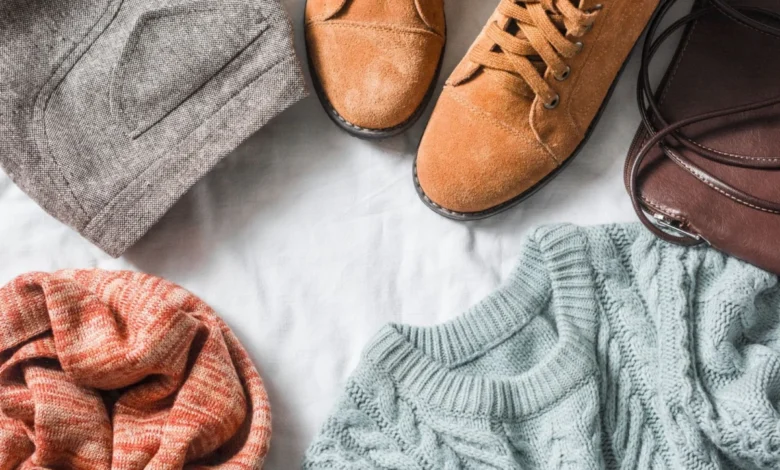
As winter temperatures descend across the United Kingdom, consumer demand for thermal garments surges, placing knitwear at the forefront of seasonal fashion. Sweaters, cardigans, and jumpers serve as essential wardrobe staples, celebrated for their natural thermoregulatory properties that provide warmth without inducing excessive perspiration. However, the commercial knitwear industry carries a substantial ecological and ethical footprint. Behind the comforting textures of high-street woollen garments often lie complex supply chains characterized by animal welfare concerns, toxic chemical dyeing processes, and a heavy reliance on petrochemical-derived synthetics.
Analyzing the true cost of winter apparel requires a comprehensive examination of material sourcing, manufacturing ethics, and end-of-life disposal. Modern consumers increasingly seek alternatives that align with environmental stewardship, prompting a critical evaluation of both the textile industry’s shortcomings and the emerging market of genuinely sustainable UK-based brands.

The Hidden Plastic Crisis in Blended Wool
A prevalent misconception among consumers is that garments marketed as wool are inherently natural and biodegradable. In practice, a significant portion of commercial knitwear features wool blended with synthetic fibers such as acrylic and polyester.
Textile manufacturers frequently incorporate synthetic filaments into yarn for distinct commercial advantages. Acrylic is widely utilized to prevent pilling—colloquially known as bobbling—and to help garments retain their structural shape after repeated laundering. Primarily, however, synthetic fibers are significantly cheaper to produce than natural animal fleeces, allowing brands to reduce manufacturing costs while maintaining profit margins.
The environmental implications of this practice are severe. Acrylic is fundamentally a plastic derived from fossil fuels. Consequently, every wash cycle releases countless microscopic plastic particles into domestic wastewater systems. These microplastics bypass municipal filtration facilities, eventually entering marine ecosystems where they pose a persistent threat to aquatic life and bioaccumulate up the food chain. Furthermore, synthetic-wool blends exhibit inferior durability compared to pure natural fibers. Blended garments tend to pill more rapidly over time, and because synthetic fibers bond differently than natural protein fibers, these blended items are notoriously difficult to de-pill, resulting in a shorter product lifecycle and accelerated progression to municipal landfills.

Animal Welfare Challenges in Pure Wool Production
Conversely, opting for 100% pure wool does not automatically guarantee an ethically sound supply chain. The agricultural sector responsible for sourcing raw fleece faces documented scrutiny regarding animal husbandry practices.
A prominent issue within the global wool industry is mulesing, a surgical procedure routinely performed on merino lambs, predominantly in Australia. Designed to prevent flystrike—a potentially fatal parasitic infection caused by blowflies laying eggs in the folds of sheep’s skin—the practice involves shearing strips of skin from the animal’s hindquarters. This procedure is frequently executed without anesthetics or adequate pain relief, inflicting acute physical trauma and long-term distress. While progressive nations and individual agricultural sectors have instituted outright bans on mulesing, major producers such as Australia continue to permit the practice under commercial pressure, creating a fragmented ethical landscape for international buyers.
Pioneering Sustainability: Eco-Friendly Knitwear Brands in the United Kingdom
To navigate these complex supply chains, conscious consumers are turning to transparent brands that prioritize traceability, animal welfare, and circular economic models. Several UK-based retailers have established rigorous standards, utilizing 100% natural fibers, recycled textiles, or localized manufacturing to minimize environmental degradation.

BAM: Technical Innovation and Circular Design
Though historically recognized for bamboo-based apparel, British outdoor and lifestyle brand BAM offers an extensive line of men’s and women’s knitwear anchored by strict environmental certifications. BAM utilizes 100% wool certified by the Responsible Wool Standard (RWS), ensuring that raw materials originate exclusively from farms demonstrating exemplary animal welfare and land management protocols.
In addition to agricultural transparency, BAM integrates circular economy principles into its production. The company’s knitwear is certified recyclable by the Circular Textiles Foundation, meaning items are engineered specifically for disassembly and reprocessing at the end of their lifecycle. Through the "73 Zero" take-back scheme, customers can return worn garments free of charge for recycling. BAM has publicly committed to achieving zero waste, zero pollution, and zero landfill contributions across its entire supply chain by 2030.
ERIBÉ Knitwear: Heritage Craftsmanship and Low-Waste Production
Founded in Scotland in 1986, ERIBÉ has maintained a steadfast commitment to natural fibers and traditional manufacturing techniques. Specializing in luxury Scottish knitwear, the brand exclusively utilizes guaranteed non-mulesed RWS merino lambswool and traditional British wool.

ERIBÉ operates production facilities within Scotland and the European Union, ensuring alignment with stringent regional labor standards and fair-wage regulations. To mitigate industrial waste, the company utilizes small-batch manufacturing and made-to-order models. Damaged or faulty textile panels are systematically unraveled and rewound into reusable yarn, while traditional plastic garment packaging has been entirely replaced with biodegradable alternatives.
Herd: Reviving Local British Wool Networks
Operating as a luxury fashion label dedicated to regional agriculture, Herd addresses the declining demand for native British fleece by establishing localized supply chains. The brand operates on a hyper-local model where the entire journey from farm to finished garment spans a mere 230 miles.
Herd’s knitwear is crafted exclusively from 100% Bluefaced Leicester fleece sourced from the Northern Uplands of Yorkshire, Lancashire, and Cumbria. By collaborating directly with regional farmers, spinners, makers, and traditional craftspeople across England, the company creates durable garments colored exclusively with low-impact plant dyes, thereby bypassing petrochemical synthetic dyes entirely.

Komodo: Decades of Environmental Leadership
As one of the UK’s longest-standing ethical clothing brands, established in 1988, Komodo mandates that all knitwear is manufactured exclusively from 100% organic wool or 100% organic cotton. The brand maintains a strict policy prohibiting synthetic blending and single-use plastics throughout its supply chain.
As an active member of the 1% for the Planet initiative, Komodo allocates a portion of its revenue directly to conservation organizations such as the Sumatran Orangutan Society, which works to restore cleared rainforest ecosystems and convert unsustainable palm oil plantations back to native forest cover.
Beaumont Organic: Traceability and Repair Services
Based in Manchester, Beaumont Organic produces women’s casual wear exclusively from sustainable, transparently sourced textiles. The brand partners with small, family-run factories across the European Union, maintaining a level of supply chain visibility that allows individual garments to be traced directly back to the machinist who assembled them.

Beaumont Organic’s knitwear collections utilize responsibly sourced, non-mulesed lambswool free from synthetic additives. To combat the disposable culture of fast fashion, the company offers complimentary repair services to all UK customers, actively extending the operational lifespan of its garments.
Rapanui: Vegan-Friendly Circular Cotton
For consumers seeking animal-free knitwear that avoids synthetic plastics, Isle of Wight-based Rapanui provides jumpers and cardigans constructed entirely from 100% certified organic cotton.
Rapanui operates on a closed-loop business model. Every garment is engineered from inception to be returned to the manufacturer once worn out. The returned cotton is mechanically processed and spun back into new organic yarn, ensuring continuous material circulation without the introduction of virgin resources or synthetic microplastics.

The Role of Preloved and Vintage Retail
Beyond purchasing newly manufactured garments, the circular economy is strongly supported by preloved and vintage retail platforms operating within the UK. These channels effectively divert existing textiles from landfills while eliminating the resource extraction required for new production.
- Oxfam Online: The charitable organization’s digital storefront features dedicated, easily navigable sections for preloved men’s and women’s knitwear. Shoppers can filter items by size, brand, and material composition while directly supporting global poverty alleviation initiatives.
- The Nearly New Cashmere Co.: Based in Yorkshire, this enterprise specializes in rescuing, reconditioning, and repairing discarded 100% pure cashmere garments. By restoring high-grade natural fibers to a "like-new" condition and offering ongoing maintenance services, the company preserves luxury textiles for extended use.
- Rokit: Operating both physical stores and an extensive digital archive, vintage retailer Rokit supplies preloved and designer knitwear spanning multiple eras and encompassing an inclusive sizing range from 3XS to 3XL. Through its "Rokit Originals" initiative, the brand also reworks damaged vintage textiles into contemporary garments, promoting localized upcycling.
Strategic Outlook and Industry Implications
The commercial transition toward sustainable knitwear reflects broader regulatory and consumer shifts within the global fashion sector. As legislative bodies increasingly scrutinize corporate greenwashing claims and mandate greater supply chain transparency—particularly regarding microplastic pollution and agricultural animal welfare—retailers are facing heightened accountability.
Industry analysts note that while sustainable and ethically produced knitwear often commands a higher initial price point than mass-market fast fashion, consumer perception is steadily evolving. The rising preference for durable, repairable, and traceable natural fibers indicates a structural shift away from disposable consumption toward a longevity-focused wardrobe model. By prioritizing certified supply chains, circular recycling infrastructure, and localized manufacturing, the UK knitwear sector is steadily establishing a viable blueprint for responsible textile production.