The Ultimate Guide to Finding a Wedding Dress That Balances Aesthetic Appeal and Practical Comfort

The process of selecting a bridal gown represents one of the most significant logistical and financial decisions in the wedding planning timeline. While contemporary media often emphasizes the aesthetic impact of a dress, bridal consultants and fashion historians increasingly highlight that the functional performance of the garment—its wearability over an eight-to-twelve-hour event—is the primary indicator of consumer satisfaction. As bridal fashion evolves to incorporate more complex textiles and architectural silhouettes, the industry is shifting its focus toward "wearable bridal," a design philosophy that prioritizes ergonomic integrity alongside visual grandeur.
The Evolution of Bridal Silhouettes and Ergonomics
The history of the modern wedding dress is rooted in the mid-19th century, but the current diversification of styles allows brides to select silhouettes that align with both their personal aesthetic and the logistical demands of their venue. Modern bridal design is generally categorized into five primary shapes, each requiring different considerations for movement and comfort.
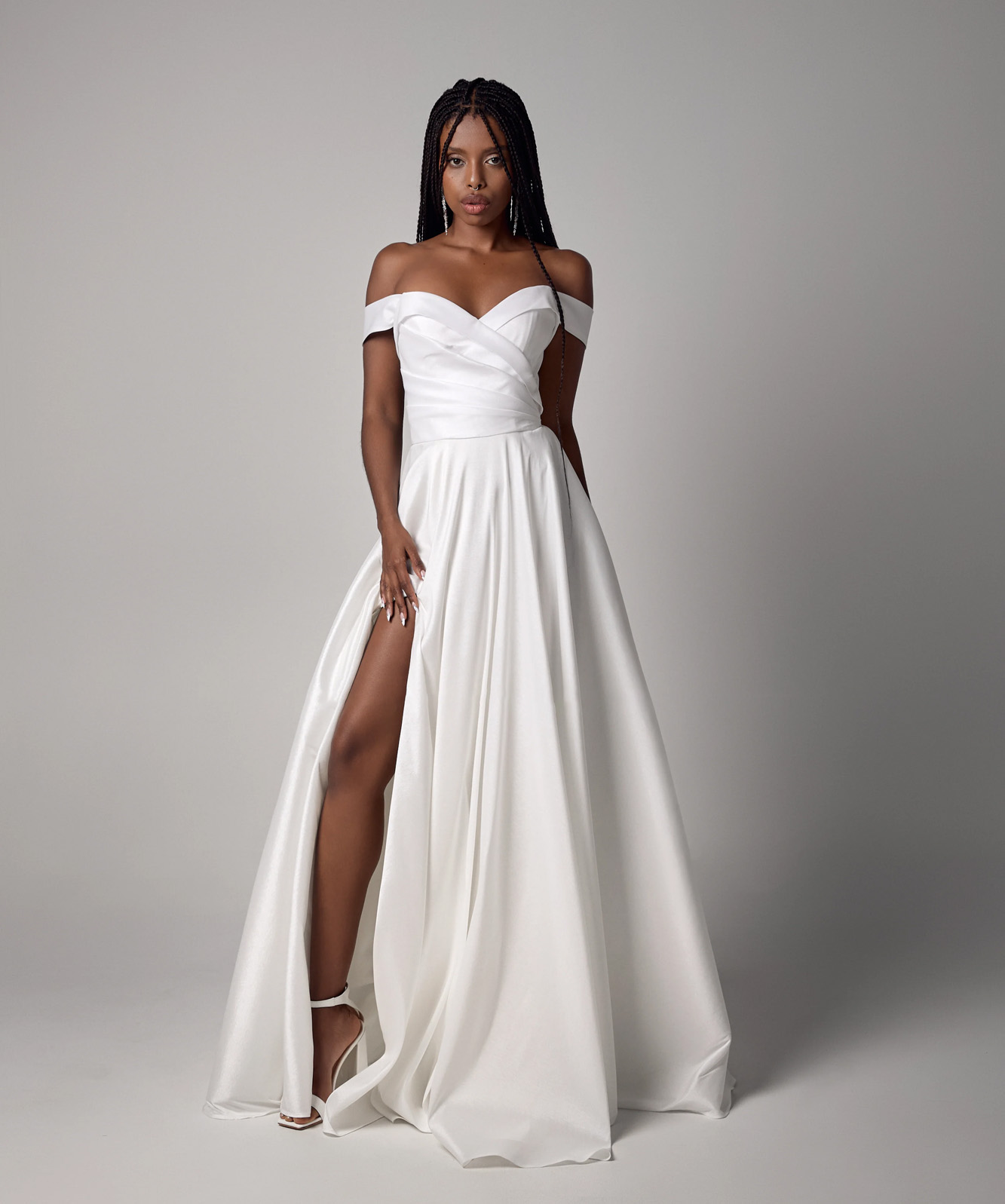
The A-line silhouette, characterized by a fitted bodice that flares gently from the waist, remains the industry standard for versatility. According to retail data from major bridal houses like MISSIA Bridal, the A-line is the most frequently requested silhouette, largely due to its adaptability across varying body types and its ease of movement. Because the skirt does not restrict the legs, this style facilitates the mobility required for traditional activities such as walking down the aisle and participating in receptions.
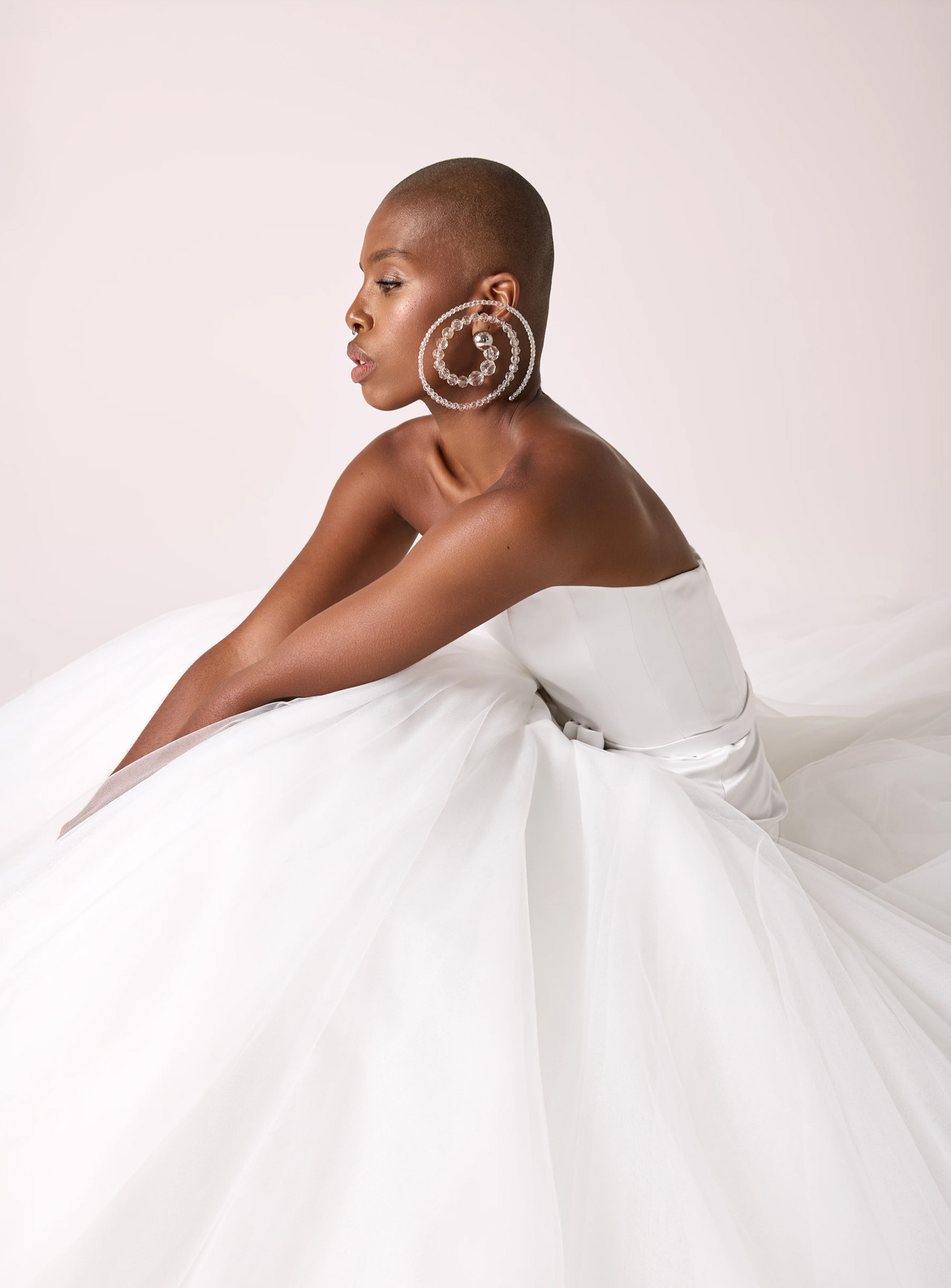
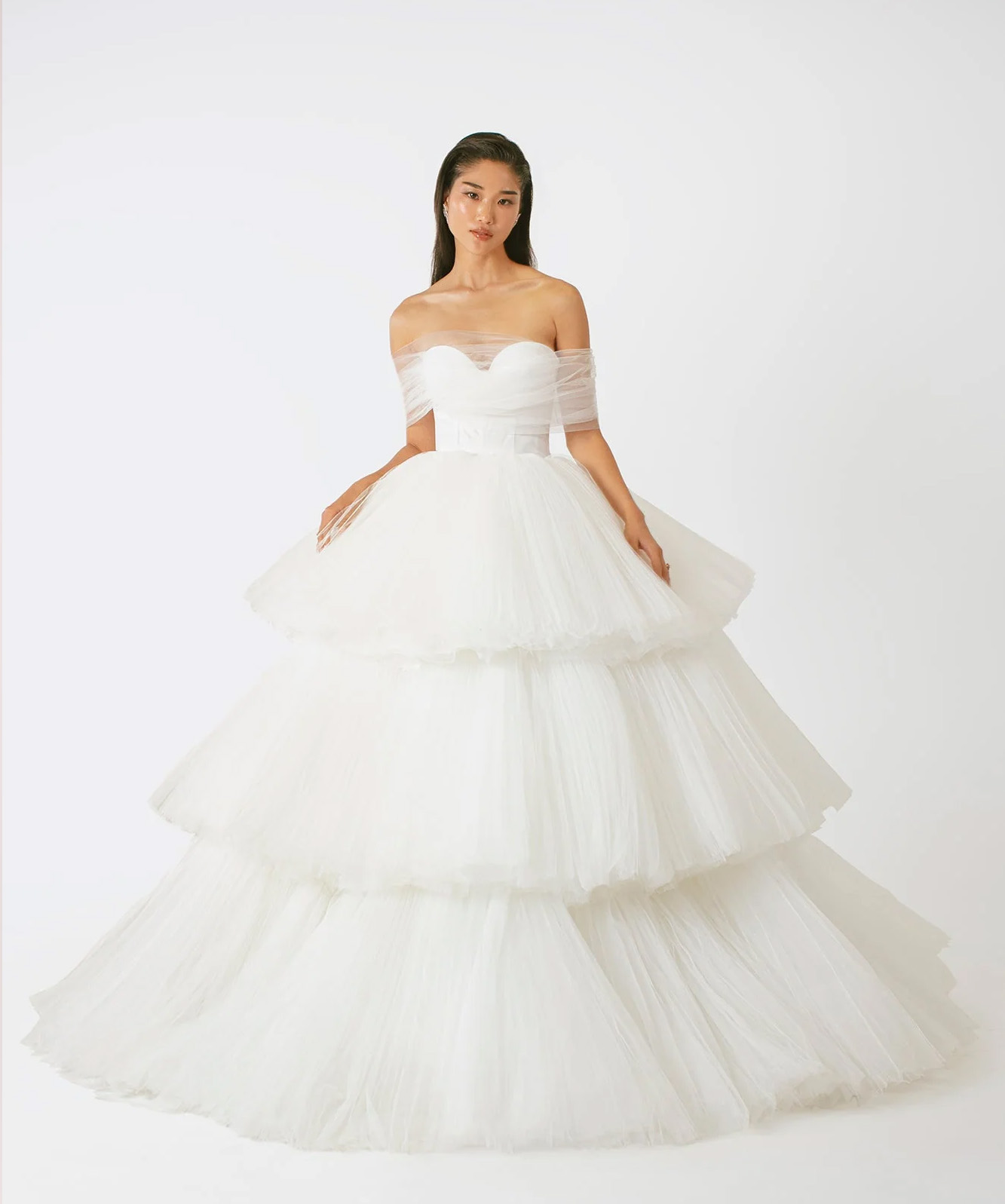
In contrast, the ball gown offers a more dramatic, high-volume aesthetic. Historically associated with royalty and formal court attire, the modern ball gown utilizes lightweight tulle or structured organza to mimic the grandeur of the past without the prohibitive weight of traditional silk satins. However, bridal stylists note that the sheer volume of a ball gown can introduce "navigational complexity." Industry experts advise that brides testing this silhouette perform a "stress test" in the fitting room: sitting on a standard chair, navigating narrow doorways, and executing a full turn to understand the spatial footprint of the garment.
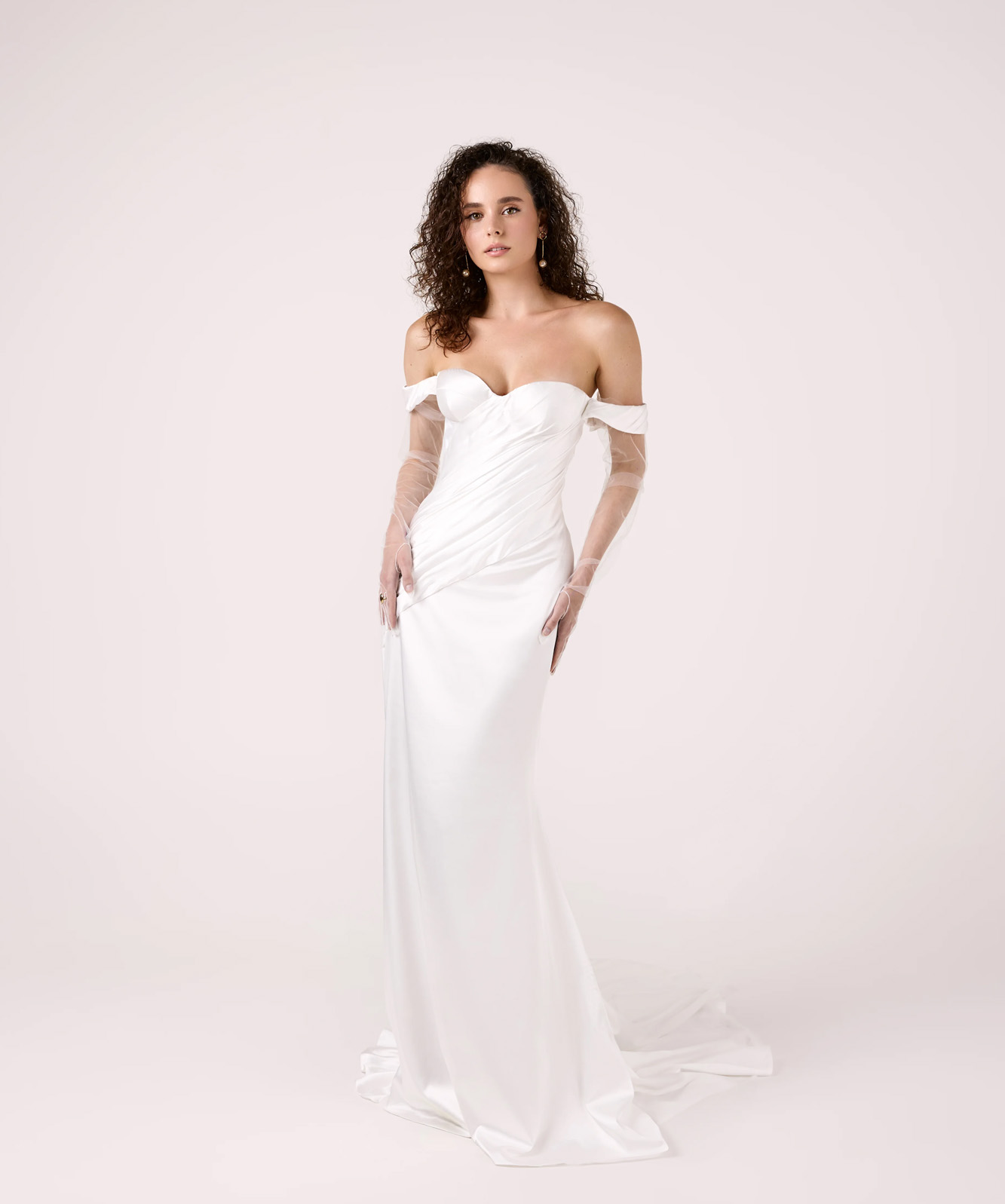
For those favoring a minimalist or modern aesthetic, sheath and column dresses offer a streamlined, narrow profile. These designs are frequently cut on the bias to allow the fabric to glide over the body. While visually striking, these dresses require precise tailoring to ensure the skirt provides enough stride length. If a garment lacks a high-thigh slit or a kick-pleat, the wearer may find themselves physically restricted, which can impact comfort during long periods of standing or dancing.
Fit-and-flare or mermaid silhouettes represent a departure from these traditional shapes by hugging the body through the hips before widening at the mid-thigh or knee. These gowns are structurally demanding; they rely heavily on internal boning and compression to maintain their shape. Because the fabric is taut against the thighs, the potential for restricted mobility is higher than in any other category, making it imperative for brides to conduct a "movement audit" during final fittings.
Fabric Engineering and Structural Integrity
The comfort of a gown is determined as much by its internal construction as its external design. The bridal industry has moved toward sophisticated fabric blends that incorporate elasticity, allowing for a more forgiving fit. However, the choice of material—whether silk, synthetic lace, or heavy taffeta—dictates the garment’s breathability and weight.
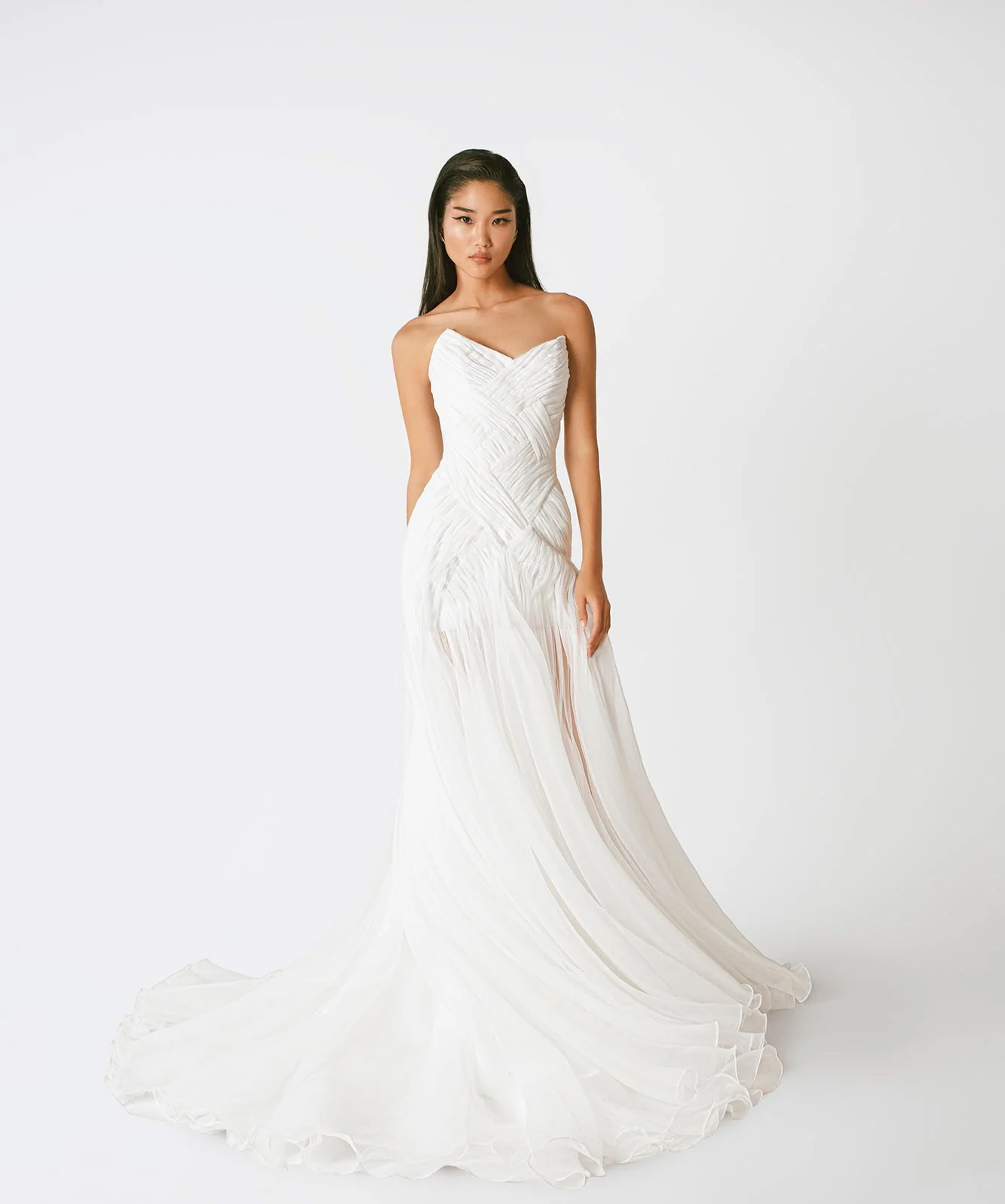
A critical factor often overlooked by consumers is the "thermal footprint" of a dress. Heavy satin or multi-layered tulle can become burdensome in outdoor or summer ceremonies. Bridal consultants often recommend that brides review the inner lining of the dress, opting for natural fibers like cotton or silk-blend linings to minimize friction and heat retention. Furthermore, decorative elements such as lace appliqués and beadwork, while visually impressive, can cause localized skin irritation, particularly under the arms. Professionals suggest that if a gown is heavily embellished, a protective lining or a "buffer" fabric should be considered during the alteration process to prevent chafing.
The Alteration Timeline: A Crucial Investment
The majority of wedding gowns are not purchased in a finished state. The industry operates on a made-to-order model, where a garment is manufactured to the closest standard size and then significantly altered to the individual’s proportions. This phase of the process is perhaps the most important for ensuring comfort.
A typical alteration timeline begins four to six months before the wedding date. The first fitting serves as a structural assessment, where a seamstress identifies areas of tension or looseness. The second fitting, occurring roughly four to six weeks before the event, is when the hem is finalized and the bustle is installed. A bustle—a series of buttons or ties designed to lift the train off the floor—is essential for any bride planning to dance. Without a properly executed bustle, the weight of the train can pull at the bodice, potentially causing the neckline to shift or the straps to dig into the shoulders.
Strategic Practicality: The "Day-Of" Considerations
Bridal consultants and wedding planners emphasize that practical design features often dictate the success of the garment on the day of the wedding. These "micro-decisions" include:
- Closure Mechanics: High-button back closures may look classic, but they are notoriously time-consuming to fasten. Brides should ensure that a trusted member of their wedding party is trained in the specific mechanics of the gown’s closures, particularly if they plan to change into a secondary outfit for the reception.
- Integrated Storage: Pockets, a trending feature in modern gowns, are functional assets. However, experts warn that placing heavy items—such as smartphones or keys—in pockets can distort the drape of the skirt and create an uneven silhouette.
- Restroom Accessibility: It is a standard but rarely discussed reality that the construction of a ball gown or a heavy fit-and-flare dress can make using the restroom difficult. Discussing the "lift-ability" of the skirt with a seamstress before the final fitting is highly recommended to ensure the bride maintains independence throughout the day.
- Detachable Components: The rise of "convertible bridal" allows for a dramatic change in look without the need for a second dress. Removable sleeves, overskirts, and trains allow the bride to transition from a formal ceremony aesthetic to a more mobile reception ensemble.
Broader Industry Implications
The contemporary bridal market is increasingly responsive to the needs of the modern consumer. The industry is witnessing a decline in the "suffering for fashion" ethos that characterized the bridal trends of the early 2000s. Instead, there is a measurable trend toward prioritizing long-term comfort, driven by the shift toward longer, multi-event wedding celebrations and the rise of social media, which demands that brides remain photogenic while physically active.
Industry analysts suggest that the future of bridal design will continue to focus on "smart fabrics"—materials that are lightweight and moisture-wicking while maintaining the look of traditional high-end couture. As the market expands to include more diverse body types and preferences, the emphasis remains on the psychological connection between the bride and her attire. When a bride feels secure, supported, and physically unencumbered, her confidence is visibly projected.
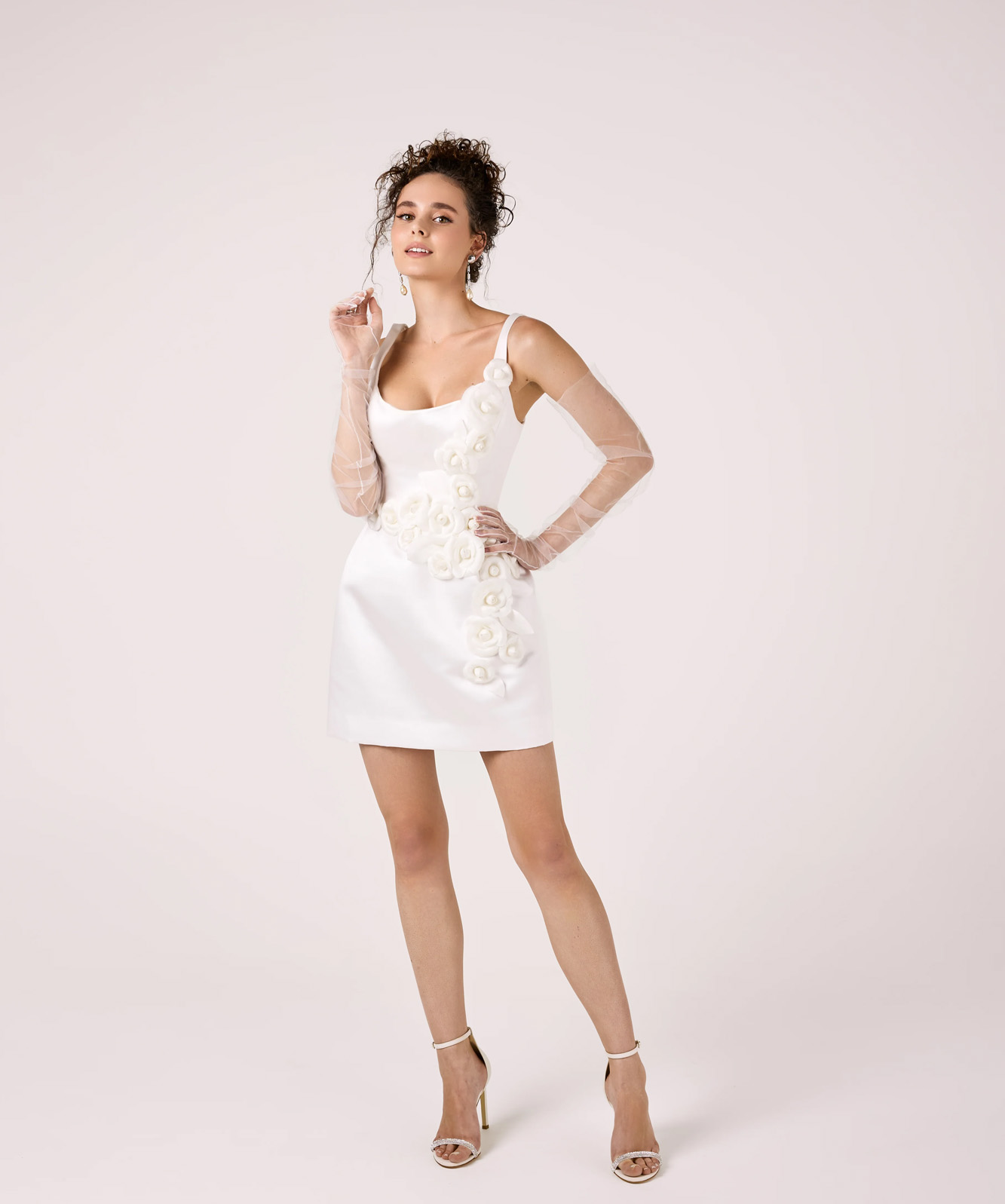
Ultimately, the search for a wedding gown should be treated as a balancing act between the desire for visual impact and the reality of the wedding day’s logistical demands. By focusing on the structural integrity of the bodice, the weight of the textiles, and the functionality of the hem, a bride can ensure that her outfit serves as an asset to her experience, rather than an obstacle. Whether opting for a grand ball gown or a minimalist slip dress, the most successful choice is the one that allows the wearer to remain present and comfortable throughout the entirety of their celebration.