Bottega Veneta Winter 2026 Campaign Explores the Unseen Architecture of Milan

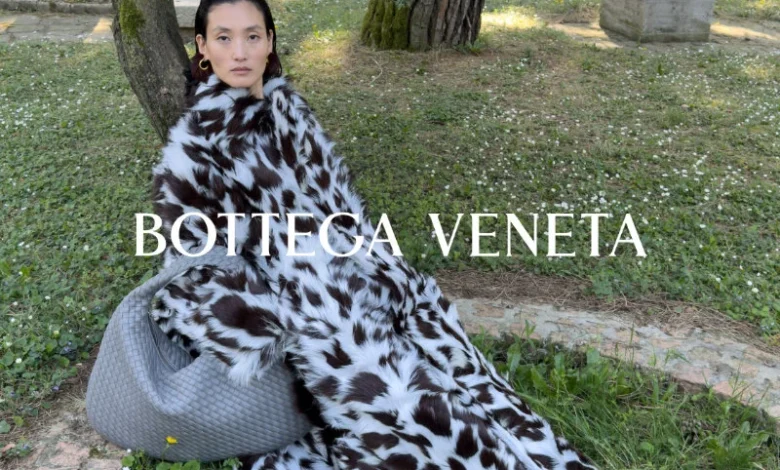
Milan has rarely looked so quietly strange, and for the Winter 2026 season, the Italian luxury powerhouse Bottega Veneta has opted to dismantle the traditional, polished façade of the city in favor of something far more visceral. By enlisting the singular eye of photographer Juergen Teller, the house has moved away from the glossy, high-fashion imagery typically associated with the Lombard capital. Instead, the campaign functions as an artistic inquiry into the tension between the built environment and the organic world, capturing Milan through a lens that prizes raw texture, brutalist geometry, and the subtle, often overlooked poetry of the city’s lesser-known corners.
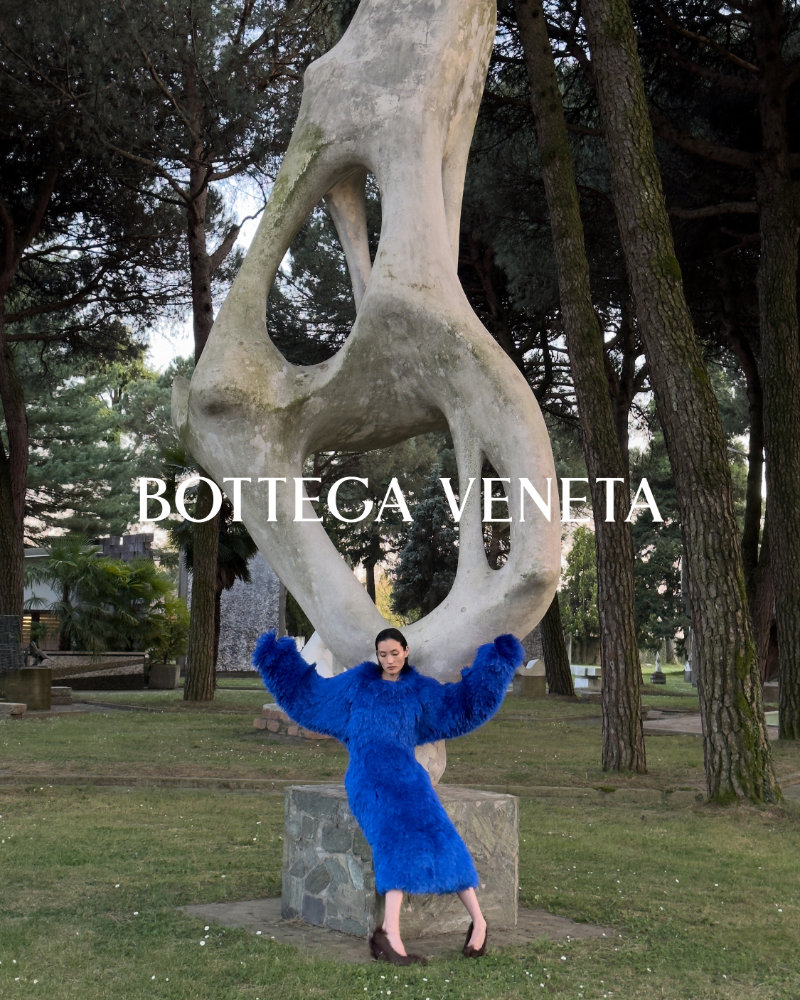
A Departure from the Traditional Runway Aesthetic
The Winter 2026 campaign represents a definitive shift in the visual strategy employed by creative director Louise Trotter. Since assuming the creative helm at Bottega Veneta, Trotter has consistently sought to bridge the gap between rigorous technical craft and intuitive artistic expression. This latest project is an extension of that philosophy; rather than treating the city as a mere static backdrop for the collection, the house has invited the environment to act as an active participant in the narrative.
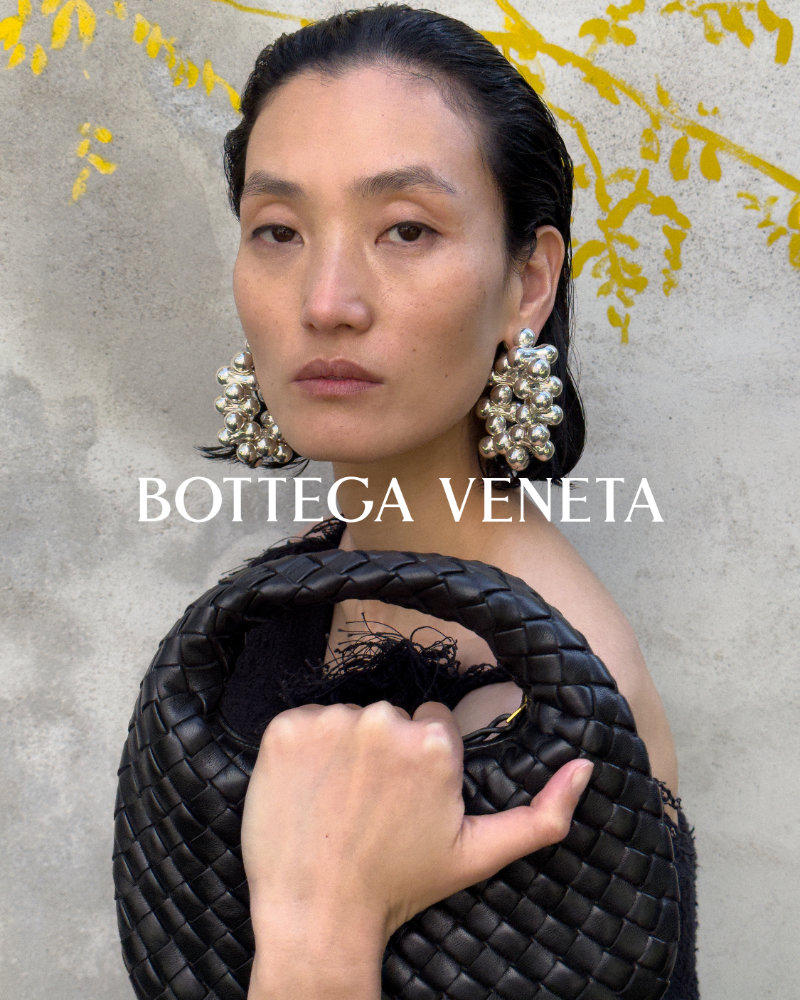
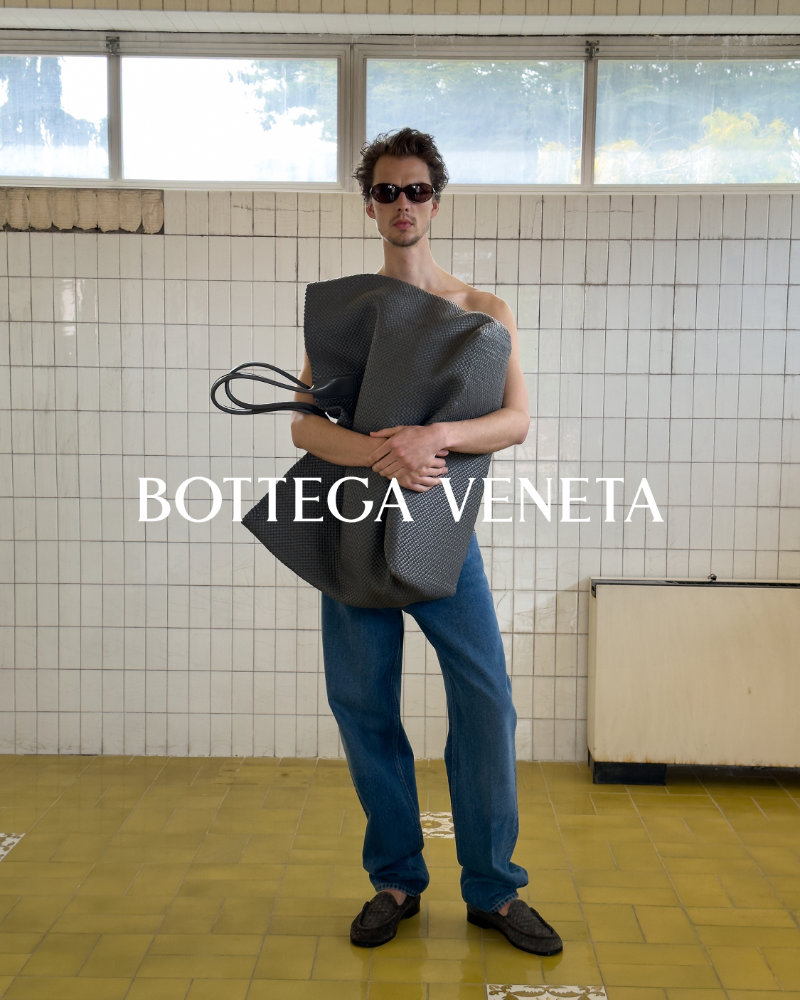
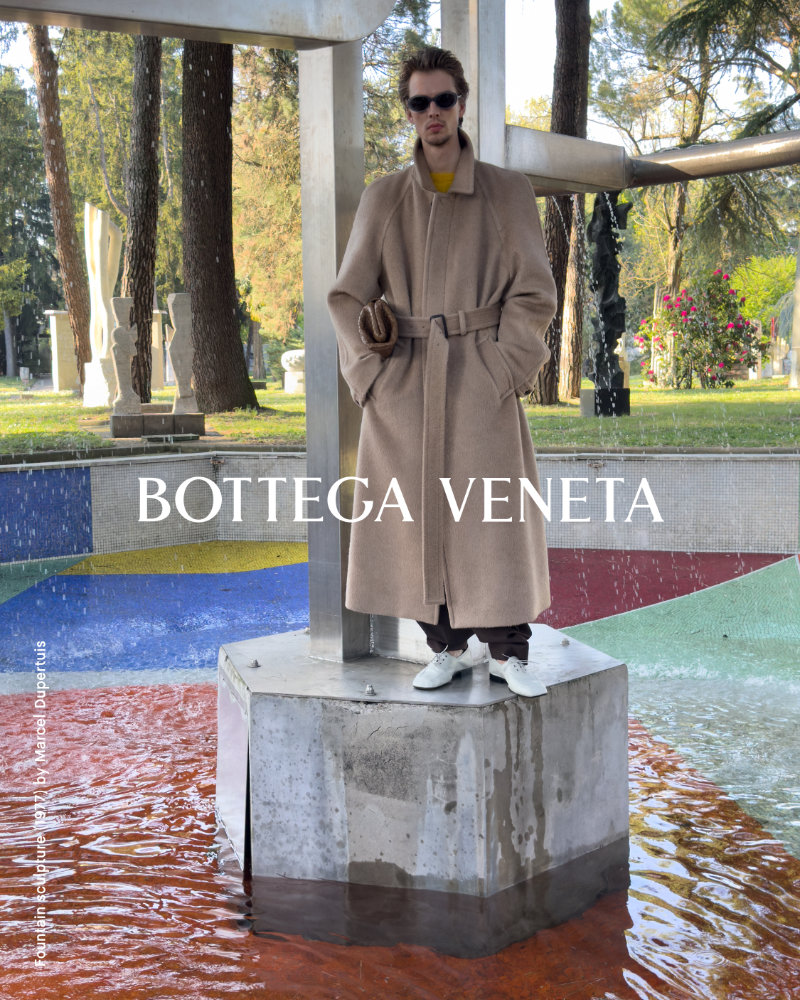
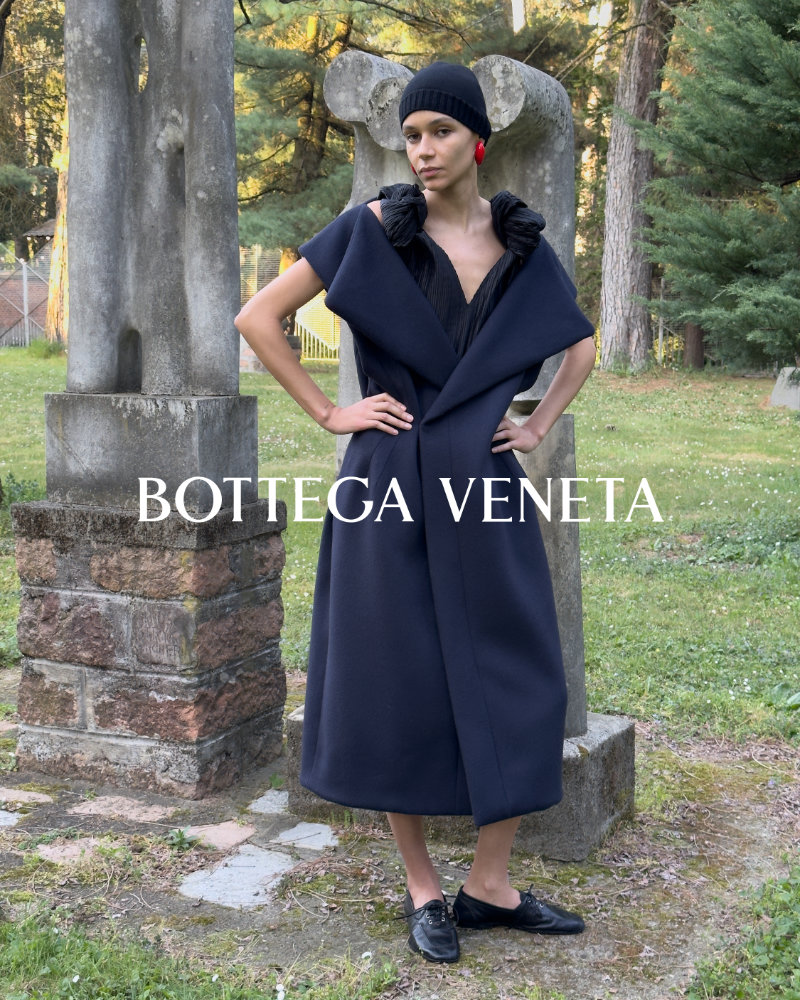
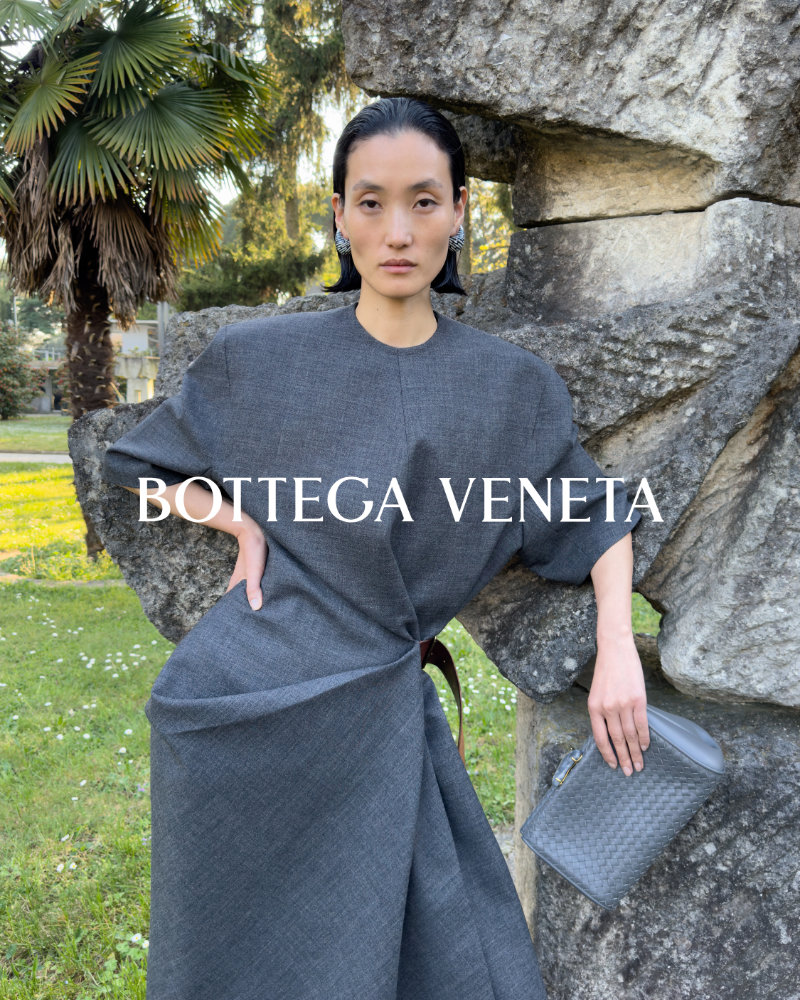
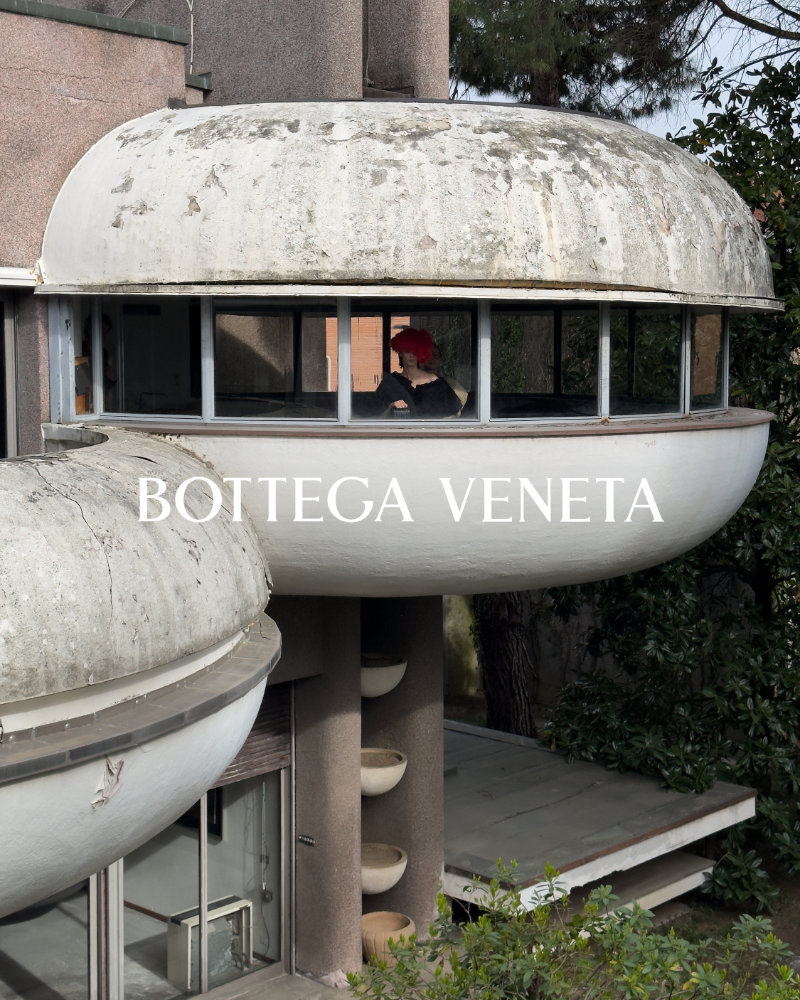
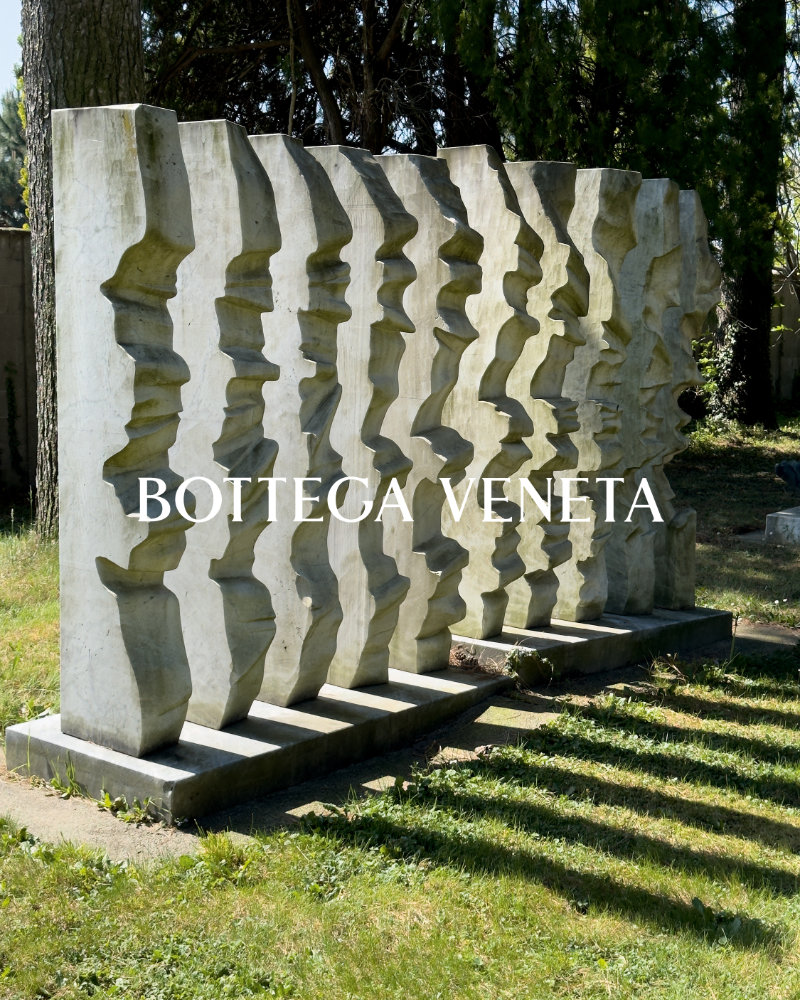
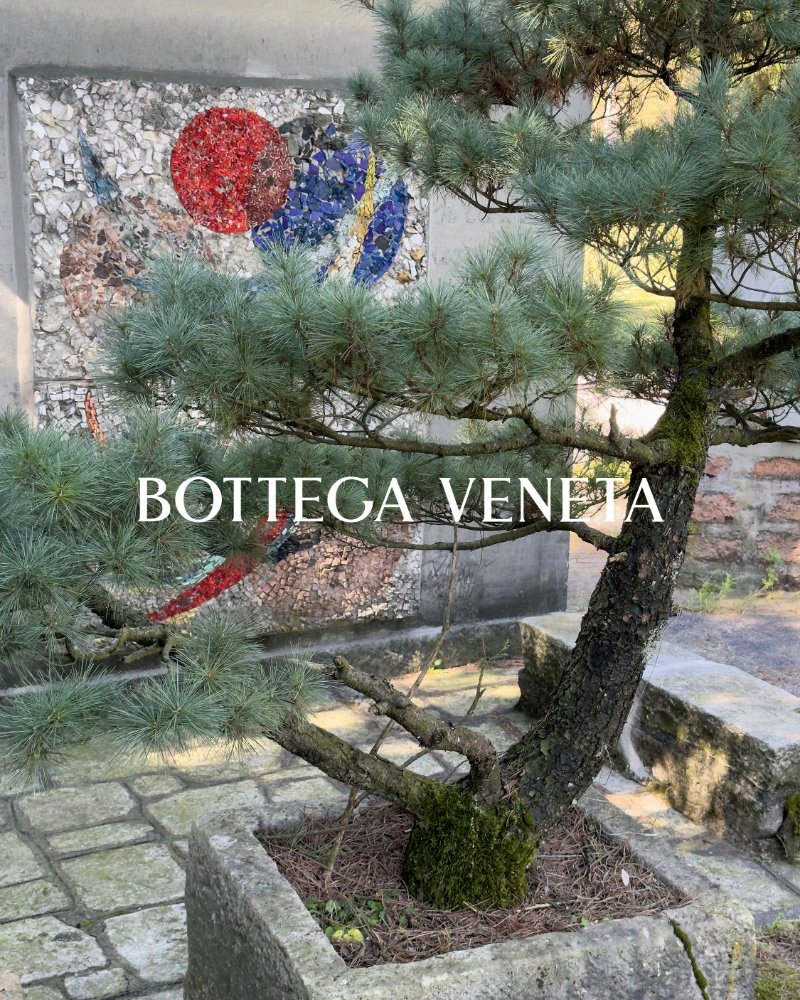
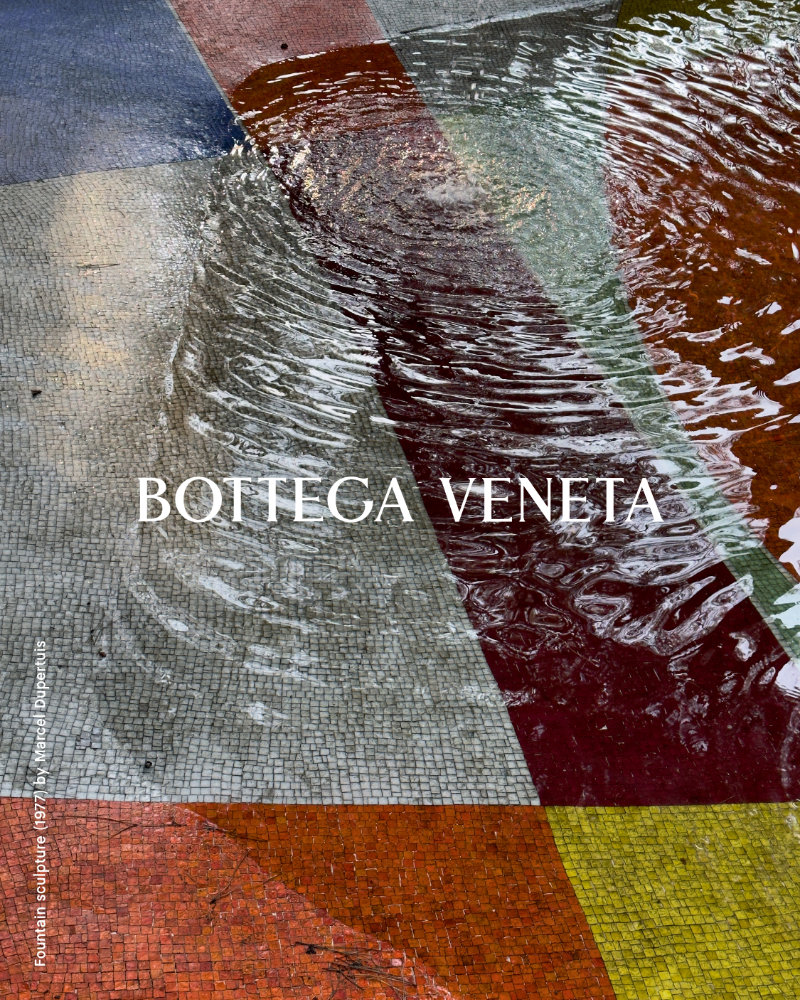
The choice of locations—ranging from the Villa Terenzio Belloli to the Fondazione Pagani—underscores a deliberate attempt to strip away the "fashion-week" polish of the city. These sites are characterized by their architectural severity, blending modernist brutalism with open-air sculptural installations. By positioning the collection against these backdrops, Bottega Veneta emphasizes a dialogue between the tactile quality of its garments and the imposing, weathered surfaces of the architecture. The result is a series of images that feel grounded, immediate, and intentionally un-retouched in their spirit, avoiding the pitfalls of the overly picturesque.
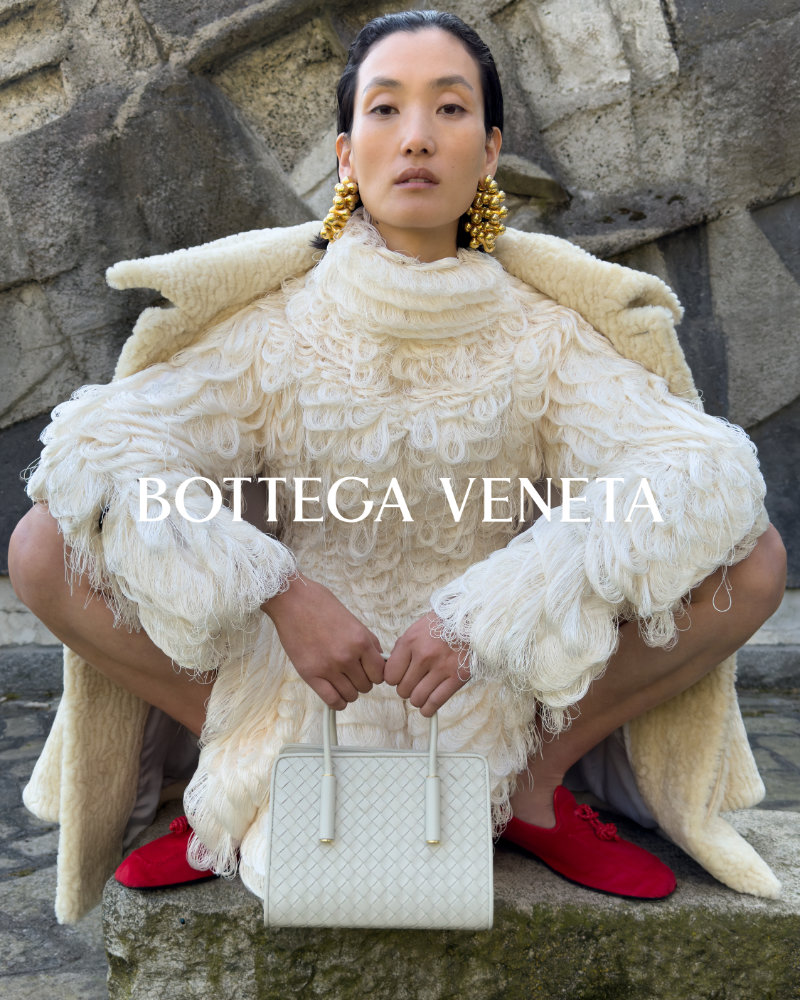
The Teller Effect: Immediacy and Tension
Juergen Teller’s involvement is pivotal to the campaign’s success. Renowned for a photographic language that frequently finds beauty in the unexpected and the slightly awkward, Teller brings a sense of spontaneity to the project. His work here moves fluidly between extreme close-ups and wide-angle architectural shots, forcing the viewer to oscillate between the intimate details of the clothing and the overwhelming scale of the urban environment.
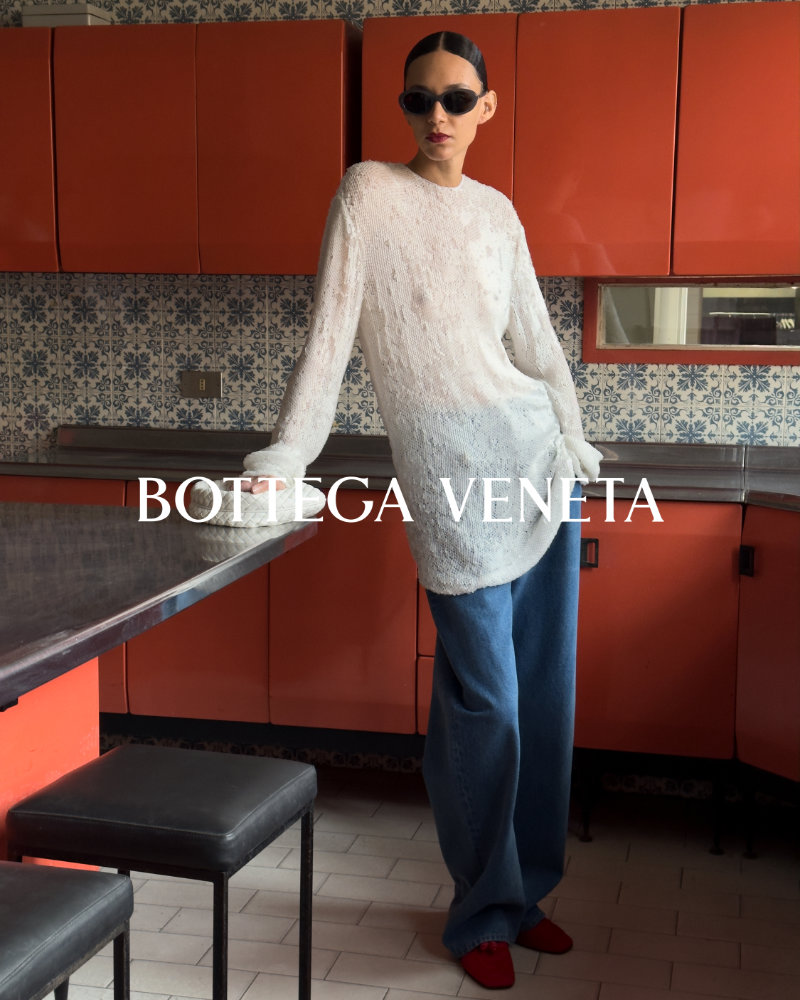
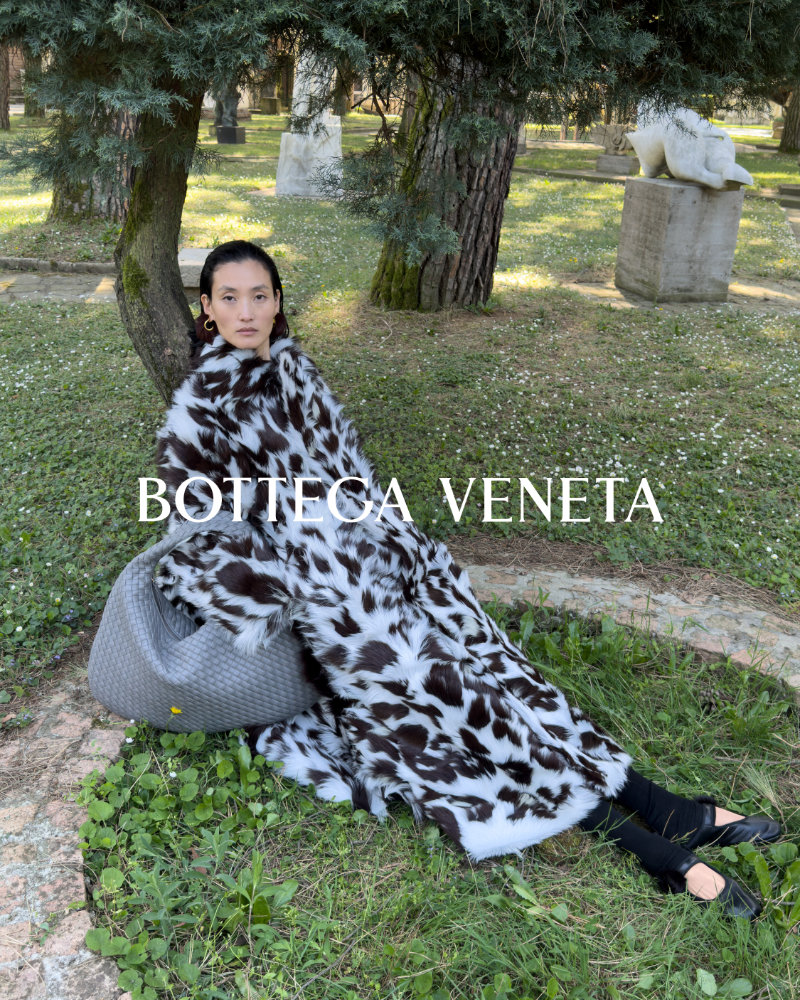
This technique is designed to challenge the viewer’s perception of luxury. By capturing models within the harsh, gray concrete landscapes of brutalist structures or amidst the overgrown, natural terrain of sculpture gardens, Teller provides a counterpoint to the refined nature of the products themselves. The imagery suggests that the Bottega Veneta customer exists not in a vacuum of high-end retail, but within the complex, contradictory landscape of contemporary life. The campaign effectively avoids the static nature of a traditional lookbook, favoring a documentary-style approach that imbues the clothing with a lived-in, authentic energy.
Contextualizing the Milanese Backdrop
Milan is frequently categorized in fashion media as a city of refined elegance, defined by its historic palazzos and the high-octane energy of the Quadrilatero della Moda. However, the Winter 2026 campaign consciously avoids these tourist-heavy landmarks. The inclusion of the Fondazione Pagani, a site deeply rooted in the history of Italian sculpture and environmental art, serves as a poignant reminder of the city’s industrial and artistic heritage.
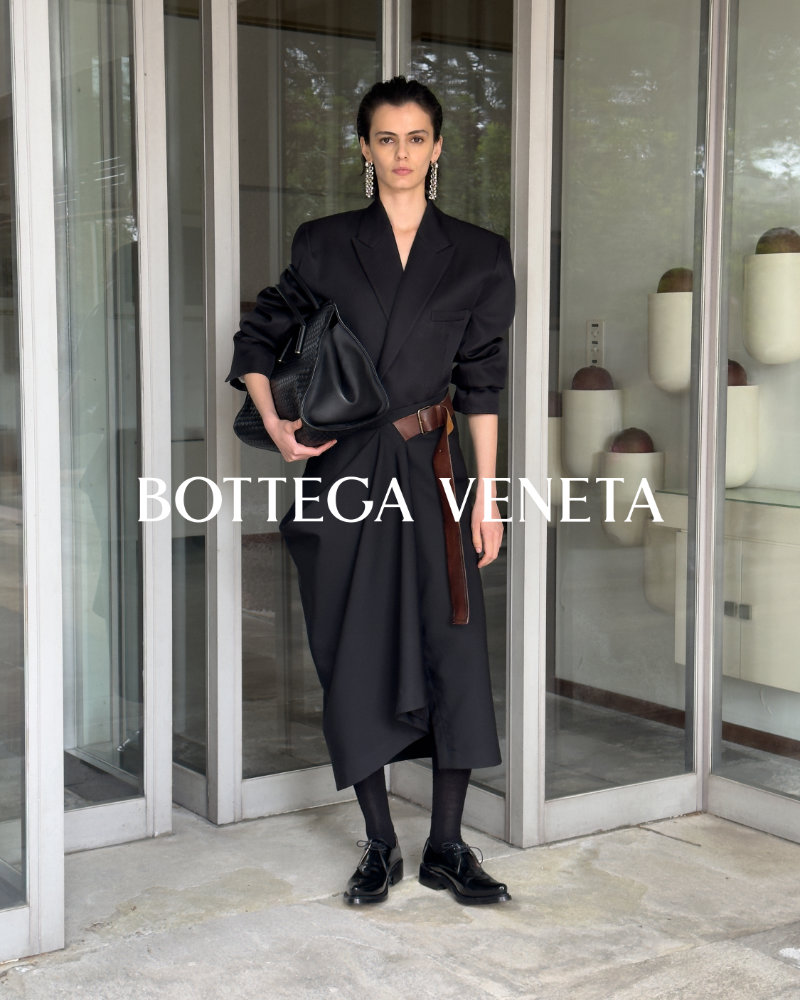
By moving through these spaces, the campaign highlights a version of Milan that is rarely showcased in luxury advertising: the city of peripheral landscapes, quiet residential villas, and the intersections where nature encroaches upon the industrial. This narrative reflects a broader trend in luxury fashion to seek authenticity over artifice, grounding high-concept design in the realities of geography and time.
The Evolution of Louise Trotter’s Creative Direction
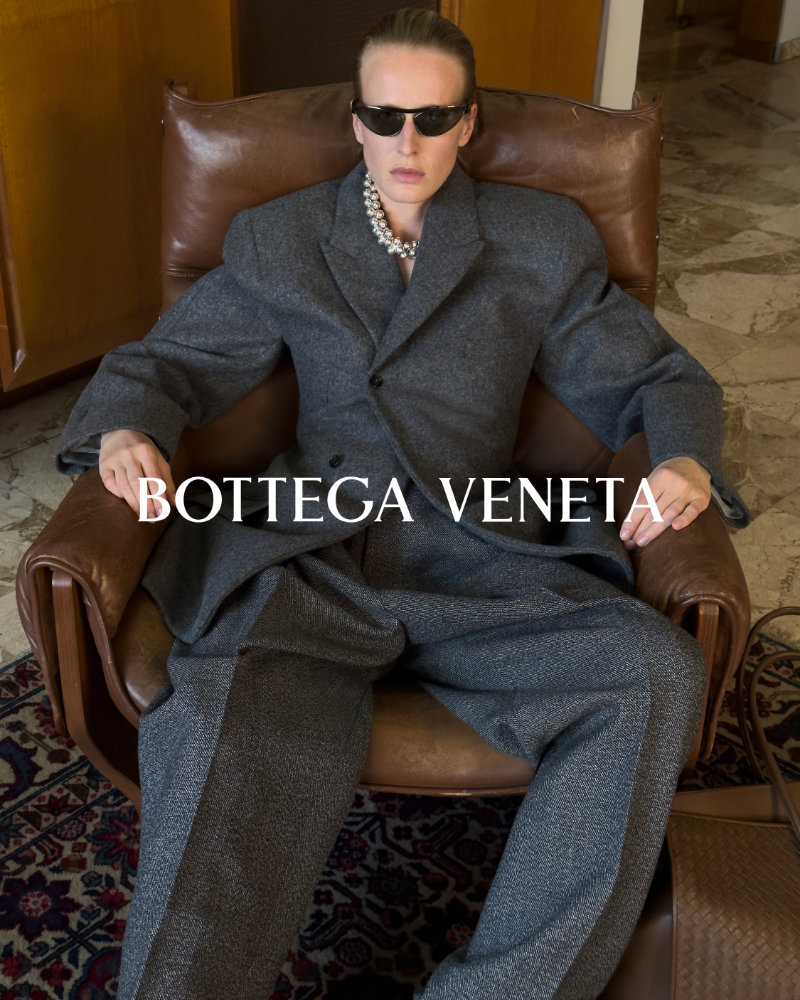
Since taking over the creative direction of Bottega Veneta, Louise Trotter has been tasked with maintaining the brand’s reputation for superlative leather craft while evolving its aesthetic language. The Winter 2026 collection, as viewed through this campaign, indicates a maturation of that vision. The clothes—characterized by their structural integrity and textural depth—seem to derive their strength from the surrounding environments.
Industry analysts note that this approach serves a dual purpose. Firstly, it aligns the brand with the "quiet luxury" movement, which emphasizes quality and permanence over trend-driven spectacle. Secondly, it elevates the campaign to the status of a cultural project, distinguishing the brand in a saturated market where visual storytelling is increasingly becoming the primary currency of luxury houses. By aligning with figures like Juergen Teller, Trotter ensures that the brand remains part of the wider discourse on art, photography, and urbanism, rather than remaining confined to the silos of retail marketing.
Data and Trends in Luxury Campaign Photography
The pivot toward raw, documentary-style photography is a calculated response to shifting consumer preferences. According to recent market analysis in the luxury sector, younger high-net-worth individuals are increasingly responsive to visual narratives that favor "lived-in" aesthetics over high-gloss, digital manipulation. The rise of candid photography in campaigns—a style often termed "the anti-campaign"—has seen a 25% increase in engagement rates across social media platforms for major European luxury houses over the last 24 months.
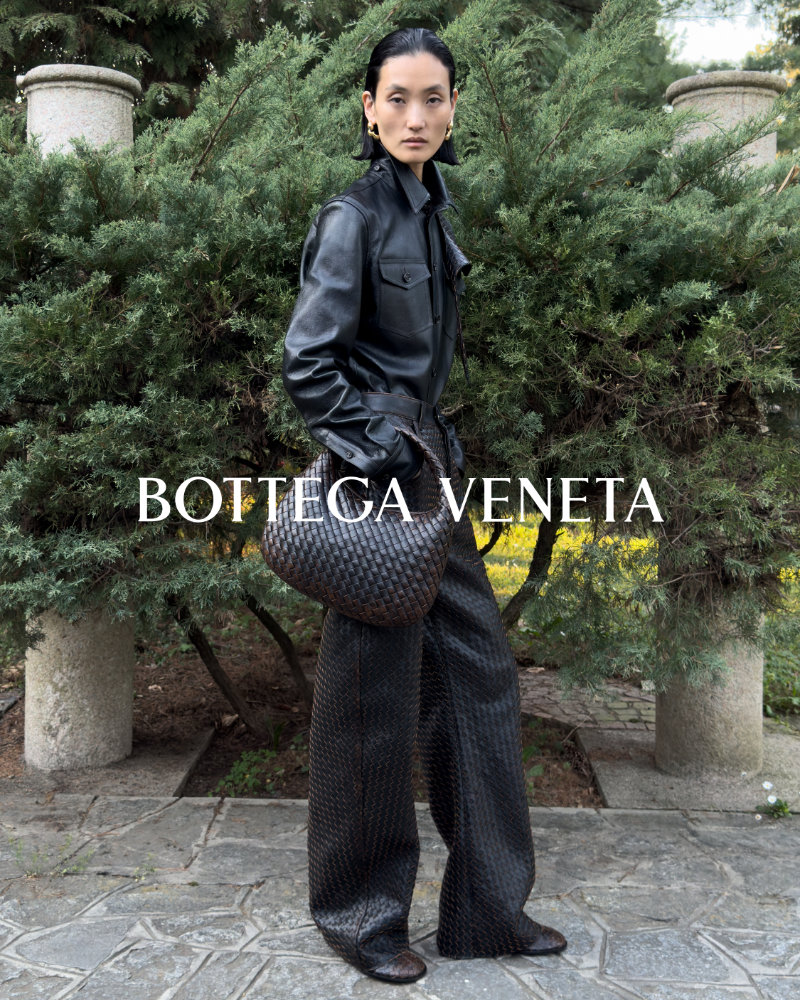
Bottega Veneta’s decision to commission a project that spans eight distinct photographic perspectives is also notable. By allowing different photographers to interpret the collection, the house avoids a singular, monolithic voice, instead offering a multifaceted portrait of the brand’s identity. This strategy encourages repeat engagement, as each set of images offers a new, unique interpretation of the Winter 2026 narrative.
Chronology of the Winter 2026 Rollout
The release of the Winter 2026 campaign follows a highly successful series of presentations held earlier in the year. The chronology of the brand’s recent milestones includes:
- February 2026: Initial presentation of the Winter 2026 collection during Milan Fashion Week, emphasizing structural silhouettes and innovative leather treatments.
- May 2026: Announcement of the collaborative partnership with Juergen Teller and the selection of the various Milanese architectural sites.
- August 2026: Preliminary social media teasers released, focusing on the brutalist architectural details of the campaign.
- September 2026: Official launch of the full photographic campaign across global digital and print platforms.
Official Statements and Industry Reception
While specific, individual quotes from the design team remain limited to the brand’s official press materials, the underlying message is clear: the campaign is an invitation to look closer. A spokesperson for the brand noted during the initial launch phase that "the intention was to find a new vocabulary for the city, one that allows the clothes to exist in a space that feels both grounded and aspirational."
Critics have responded positively to the campaign, noting its departure from the "predictable codes" of the city. Fashion observers have praised the interplay of the "severe and the sensual," suggesting that this represents one of the most cohesive visual strategies of the current season. By refusing to settle on a single definition of Milan, Bottega Veneta has created a sense of mystery that keeps the brand at the forefront of the conversation.
Broader Implications for the Future of Luxury
The Bottega Veneta Winter 2026 campaign serves as a case study for the future of luxury brand communication. As the digital space becomes increasingly crowded, the ability to create long-form, artistic content that demands a slower, more deliberate consumption is becoming a competitive advantage. The campaign is not designed for a fleeting scroll; it is designed for immersion.
Furthermore, the integration of art and architecture into the branding narrative suggests that the future of fashion lies in the curation of experiences. By aligning with specific cultural sites like the Villa Terenzio Belloli, Bottega Veneta is effectively positioning itself as a patron of culture rather than just a manufacturer of goods. This elevates the brand’s perceived value, creating a deeper, more emotional resonance with the consumer.
Conclusion
The Winter 2026 campaign is, at its heart, a study in contrasts. It is a portrait of a city that is simultaneously rigid and fluid, a collection that is both sharp and soft, and a brand that is both deeply rooted in tradition and aggressively looking toward the future. By rejecting the conventional, sanitized version of Milan, Bottega Veneta has succeeded in crafting a narrative that feels undeniably real. Through the lens of Juergen Teller and the guiding vision of Louise Trotter, the campaign captures the fleeting, often contradictory beauty of the modern world, proving that true luxury lies in the ability to find, and then frame, the extraordinary in the everyday.
Related posts: