Tractor Supply Faces Unprecedented Headwinds as Pet Business Falters, Fuel Costs Soar, and Amazon Intensifies Competition

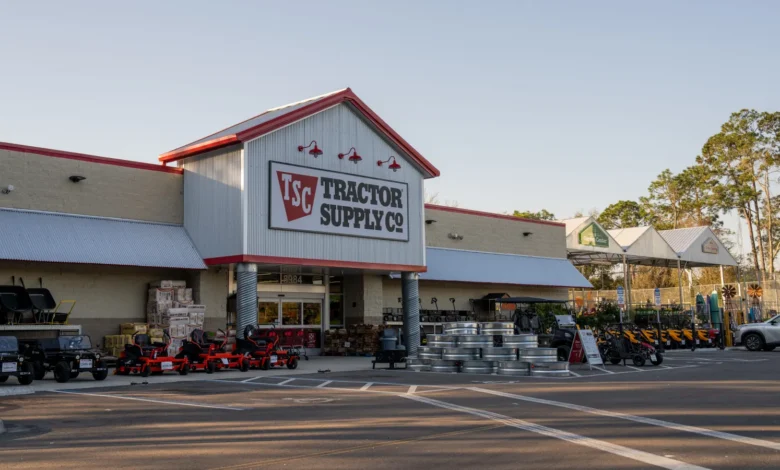
Tractor Supply Company, a prominent retailer serving the rural lifestyle, is navigating a challenging operational landscape marked by a confluence of economic, environmental, and competitive pressures that have significantly impacted its performance through the first half of 2026. The company’s once-robust growth trajectory appears to be stalling, as evidenced by a notable decline in comparable store sales and a reevaluation of its strategic outlook for the coming year. These headwinds are not merely transient; they signal a potentially transformative period for the specialized retailer as it grapples with shifting consumer behaviors, intensified market competition, and an unpredictable macroeconomic climate.
The retailer’s difficulties stem from a complex interplay of factors, beginning with an underperforming pet business, a segment previously identified as a key growth driver. Simultaneously, its core customer base, predominantly rural residents and farmers, is contending with persistently high fuel prices for both personal transportation and agricultural operations, leading to reduced discretionary spending and consolidated shopping trips. Adding to this formidable challenge, e-commerce behemoth Amazon has aggressively expanded its logistics network into sparsely populated areas, directly encroaching on Tractor Supply’s traditional market stronghold. Furthermore, adverse weather conditions, specifically a prolonged drought across several key Southeastern markets, have dampened demand for seasonal outdoor and lawn care products, which are typically strong contributors to sales during the spring and early summer months.
Deeper Dive into Financial Performance and Market Revisions
The year 2026 began with cautious optimism, but by mid-year, the initial outlook had significantly deteriorated. In January, Tractor Supply had already reined in its expectations, a move that foreshadowed the deeper challenges revealed in its most recent earnings call. The second quarter, typically a period of strong seasonal sales, proved particularly difficult. While April and June saw periods of comparable store sales growth, the gains were effectively "wiped out" by a weak performance in May. This volatility underscored the fragility of consumer demand and the profound impact of external factors.
Speaking to analysts on Thursday, July 23, 2026, CEO Hal Lawton acknowledged the severity of the situation. He highlighted that the "persistent drought conditions across several key Southeastern markets limited normal seasonal activity and reduced demand for lawn care and other outdoor-related purchases." This environmental factor alone significantly curbed sales in a critical product category. GlobalData Managing Director Neil Saunders critically assessed the company’s performance, stating that the quarter as a whole represented "one of the weakest sales performances Tractor Supply has produced in a while." He further elaborated, "At headline level, it suggests that the business is running out of steam," a stark assessment for a company that has historically enjoyed consistent growth by catering to a niche, resilient market segment. The impact of these challenges has necessitated a strategic shift in the company’s growth plans, with the projected number of new store openings for 2027 being scaled back to 85-90, a reduction from previous plans for 100 new locations. This adjustment reflects a more conservative approach in light of current market uncertainties and a focus on optimizing existing operations rather than aggressive expansion.
Key Headwinds Detailed: A Multifaceted Challenge
Economic Pressures on Rural Consumers:
The financial strain on Tractor Supply’s customer base is palpable. Rural residents, often living further from essential services and relying heavily on personal vehicles, are disproportionately affected by escalating fuel prices. In 2026, the cost of gasoline and diesel has remained stubbornly high, eating into household budgets and leaving less disposable income for non-essential purchases. For farmers, who constitute a significant portion of Tractor Supply’s clientele, these fuel costs extend beyond transportation, impacting the operational expenses of running machinery and equipment crucial for their livelihoods. This economic squeeze has led to a noticeable shift in consumer behavior, with customers prioritizing essential farm, ranch, and pet supplies while pulling back on discretionary items like gardening tools, outdoor decor, or certain leisure products. Furthermore, the inclination to consolidate shopping trips means fewer visits to stores, impacting impulse purchases and overall transaction volume.
Environmental Factors: The Drought’s Pervasive Impact:
Climate anomalies have emerged as a significant and unpredictable variable. The "persistent drought conditions" mentioned by CEO Lawton in the Southeastern United States have had a direct, detrimental effect on demand for a range of seasonal products. Items such as fertilizers, irrigation supplies, lawn mowers, gardening tools, and even specific types of animal feed that rely on pasture growth experience a sharp decline in sales when outdoor activities are curtailed and agricultural output is threatened by dry spells. This environmental challenge underscores the vulnerability of retailers whose product lines are closely tied to weather patterns and agricultural health.
Competitive Landscape: Amazon’s Rural Incursion:
Tractor Supply has long thrived on its deep understanding of and physical presence in rural America, offering specialized products and expert advice often unavailable in general merchandise stores. However, this competitive advantage is increasingly being challenged by the relentless expansion of e-commerce giants. Amazon, in particular, has made strategic investments to penetrate sparsely populated areas. In 2025, Amazon announced a plan to invest over $4 billion to expand its delivery network into thousands of rural communities, a move widely interpreted by industry analysts as a direct challenge to Tractor Supply’s market share. While Amazon’s initial focus may be on commodity products, rather than the specialized farm and ranch supplies where Tractor Supply still holds an advantage, its growing presence normalizes online shopping for rural consumers, potentially eroding Tractor Supply’s convenience and loyalty factors over time. Neil Saunders noted that this trend, while not immediately impacting specialist supplies, is "still an unhelpful trend that takes the edge off growth." Walmart, with its vast network of physical stores often located in or near rural towns, also continues to be a formidable competitor, offering competitive pricing on many general merchandise items that overlap with Tractor Supply’s offerings.
Internal Business Segment Struggles: The Faltering Pet Business:
The pet business, which includes food, supplies, and accessories for various animals, was previously a strong performer and a strategic growth area for Tractor Supply. However, it has recently fallen short of expectations. This underperformance could be attributed to several factors: increased competition from dedicated pet supply chains and online retailers, a potential normalization of pet ownership spending post-pandemic, or shifts in consumer preferences within the pet market. Additionally, the uncertainty surrounding tariff refunds adds another layer of financial unpredictability, impacting profitability and inventory management. The specific nature of these tariff uncertainties was not detailed but suggests ongoing global trade complexities that can affect import costs and pricing strategies.
Chronology of Challenges and Responses

The current difficulties are not sudden but rather an escalation of trends observed throughout the year:
- January 2026: Tractor Supply initially scaled back its financial guidance, signaling early concerns about the macroeconomic environment and consumer spending. This pre-emptive adjustment indicated a recognition of impending challenges.
- Q1 2026 (January-March): While specific Q1 data is not provided, the general "tough year so far" suggests underlying pressures were already present, perhaps masked by earlier seasonal trends or initial consumer resilience.
- Q2 2026 (April-June): This quarter proved pivotal. April showed some strength, but May’s performance was significantly impacted by the adverse weather conditions and broader economic shifts, effectively negating any positive momentum. June’s performance, while potentially stronger than May, was insufficient to salvage the overall comparable store sales growth for the quarter.
- July 23, 2026: The publication of the news article, following the company’s Q2 earnings call, brought these challenges into sharp focus. CEO Hal Lawton’s statements and the revised outlook for 2027 were disseminated, prompting analyst reactions and market scrutiny.
- 2027 Outlook: The decision to curb new store expansion from 100 to 85-90 locations reflects a strategic re-prioritization. This move suggests a focus on consolidating operations, enhancing the performance of existing stores, and adapting to the current market realities before committing to aggressive physical expansion.
Official Responses and Strategic Adjustments
Despite the acknowledged difficulties, CEO Hal Lawton maintained a confident stance on the company’s long-term potential. "We continue to believe we are a growth company," he affirmed to analysts, signaling a commitment to navigating the current turbulence. The company’s immediate strategy revolves around reinforcing its "value proposition." This likely entails optimizing pricing, enhancing promotional activities, and ensuring that customers perceive Tractor Supply as offering the best quality and value for their essential farm, ranch, and pet needs. This focus on value is critical when consumers are pulling back on discretionary spending and consolidating trips, making every purchase decision more considered.
The reduction in store expansion plans for 2027 is a significant strategic adjustment. While new stores typically contribute to overall revenue growth, a slower pace of expansion allows the company to conserve capital, allocate resources more effectively to existing underperforming segments, and perhaps invest more in its omnichannel capabilities to counter Amazon’s digital threat. It also provides an opportunity to refine the store model and location strategy in a more cautious market environment.
Analyst Commentary and Broader Implications
Neil Saunders’ analysis, highlighting that the business is "running out of steam" and facing an "unhelpful trend" from Amazon, underscores the seriousness of the situation. His call for "sharper execution – particularly on range and pricing" points to crucial areas where Tractor Supply must innovate. This suggests that merely reinforcing the existing value proposition may not be enough; the company might need to re-evaluate its product assortment, pricing strategies, and customer engagement models to stay competitive.

The broader implications of Tractor Supply’s struggles extend beyond its financial statements. For the specialty retail sector, it serves as a cautionary tale about the evolving nature of competition, even in niche markets. The lines between general merchandise, e-commerce, and specialized retail are blurring, forcing all players to adapt. For rural communities, a struggling Tractor Supply could mean reduced access to specialized products, services, and local employment opportunities, as the stores often serve as community hubs.
The challenges also highlight the increasing importance of supply chain resilience and flexibility in the face of environmental disruptions. Retailers must build systems that can quickly adapt to localized weather events or broader climate trends that impact product demand. Furthermore, the persistent pressure of inflation and high fuel costs on consumer spending underscores the need for businesses to constantly reassess their target demographic’s financial health and tailor offerings accordingly. Tractor Supply’s emphasis on "value proposition" is a direct response to this, but sustaining it in a high-cost environment requires careful management of internal expenses and supplier relationships.
Future Outlook and Remaining Challenges
Looking ahead, Tractor Supply faces the daunting task of reigniting comparable store sales growth amidst persistent economic and competitive headwinds. While CEO Hal Lawton remains optimistic about the company’s long-term growth prospects, the path to recovery will likely require multifaceted strategies. This includes a more aggressive push into digital sales channels to counter Amazon, a potential re-evaluation of its pet business strategy, and continued efforts to optimize its physical store footprint and product assortment.
The company will need to closely monitor fuel prices and broader inflation trends, as these directly impact its customers’ ability and willingness to spend. Investing in customer loyalty programs that reward consolidated trips or offer fuel-saving incentives could be innovative ways to support its core demographic. Furthermore, adapting to evolving climate patterns and diversifying product offerings to be less susceptible to localized weather events might become a necessity. The outcome of tariff uncertainties will also play a role in managing costs and profitability.
Ultimately, Tractor Supply’s ability to navigate these turbulent waters will depend on its capacity for innovation, its agility in adapting to market changes, and its unwavering commitment to understanding and serving the unique needs of its rural customers. The coming quarters will be critical in determining whether the company can regain its momentum and reaffirm its position as a leading retailer in the rural lifestyle market.