VF Corp Q2 FY27 Financial Results Show Resilience Amid Ongoing Global Apparel Market Pressures

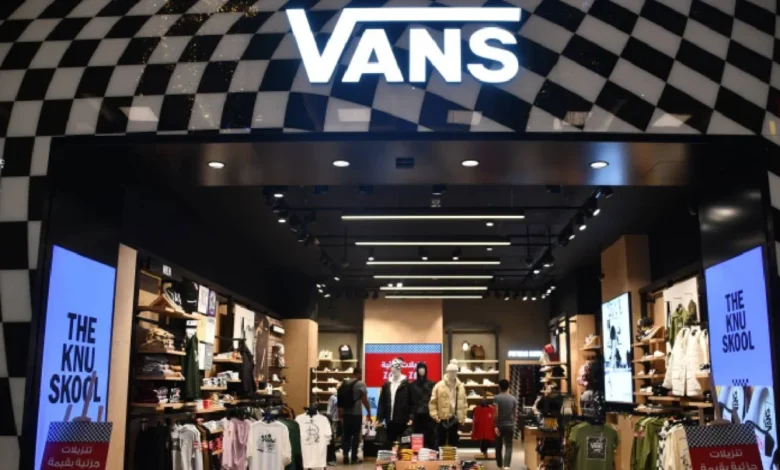
VF Corporation, the global apparel and footwear powerhouse behind iconic brands such as Vans, The North Face, Timberland, and Dickies, has officially released its financial results for the second quarter of fiscal year 2027. The performance report arrives at a critical juncture for the retail and textile sectors, which continue to navigate shifting consumer behaviors, persistent inflationary pressures, macroeconomic volatility, and complex international supply chain dynamics. As retail analysts and investors scrutinize corporate balance sheets for signs of sustained post-pandemic stabilization, VF Corp’s Q2 FY27 earnings offer a vital window into the operational efficacy of the company’s ongoing turnaround strategy, designated internally as "Project Reinvent."
The comprehensive financial disclosure details revenue trajectories across key operating segments, regional performance variations, gross margin developments, and inventory management improvements. While the global apparel industry faces structural headwinds—including cautious discretionary spending in North America and an uneven economic recovery in key Asia-Pacific markets—VF Corp’s latest figures highlight both the enduring strength of its outdoor portfolio and the stubborn challenges confronting its legacy footwear assets.
Main Facts of the Q2 FY27 Performance
According to the official corporate filings released for the second quarter of fiscal year 2027, VF Corporation reported consolidated revenue that reflected a nuanced picture of stabilization mixed with selective top-line contraction. The company’s flagship outdoor brand, The North Face, continued to act as its primary growth engine, benefiting from sustained consumer demand for technical outerwear, functional lifestyle apparel, and successful seasonal collaborations. Conversely, the Vans brand—once the crown jewel of the company’s action sports portfolio—continued its multi-quarter stabilization and repositioning journey, logging sequential improvements in inventory health even as wholesale revenues remained subdued.
Gross margins demonstrated positive movement, supported by a disciplined promotional strategy, lower freight and logistics costs compared to prior fiscal years, and a favorable shift in product mix toward higher-margin direct-to-consumer (DTC) channels. Operating income and earnings per share (EPS) largely aligned with consensus Wall Street projections, signaling to market observers that executive leadership’s cost-containment initiatives and overhead reduction targets are taking effect as planned.
The company’s inventory levels experienced a meaningful normalization compared to the severe supply chain blockages and inventory gluts that plagued the apparel sector during the early 2020s. By tightening supply chain lead times and aligning production schedules more closely with real-time retail point-of-sale data, VF Corp successfully mitigated the need for margin-diluting markdowns, particularly across its European and North American markets.
Chronology and Background Context of the Event
To fully contextualize VF Corp’s Q2 FY27 results, it is necessary to examine the chronological sequence of strategic shifts and market challenges that have defined the corporation over the preceding several years. The foundation of the current operating environment was laid during the post-pandemic retail boom of 2021 and 2022, which was immediately followed by a severe hangover characterized by high inflation, rising interest rates, and a sharp pullback in discretionary spending by middle-income consumers.
During fiscal years 2023 and 2024, VF Corp experienced acute leadership changes and severe financial strain. The steep decline in Vans sales, driven by missteps in product pipeline management and a loss of cultural relevance among core demographic segments, put immense pressure on the corporation’s profitability. In response to mounting activist investor pressure and deteriorating financial metrics, the board of directors initiated a comprehensive leadership overhaul, culminating in the appointment of a new chief executive officer tasked with executing a radical operational turnaround.
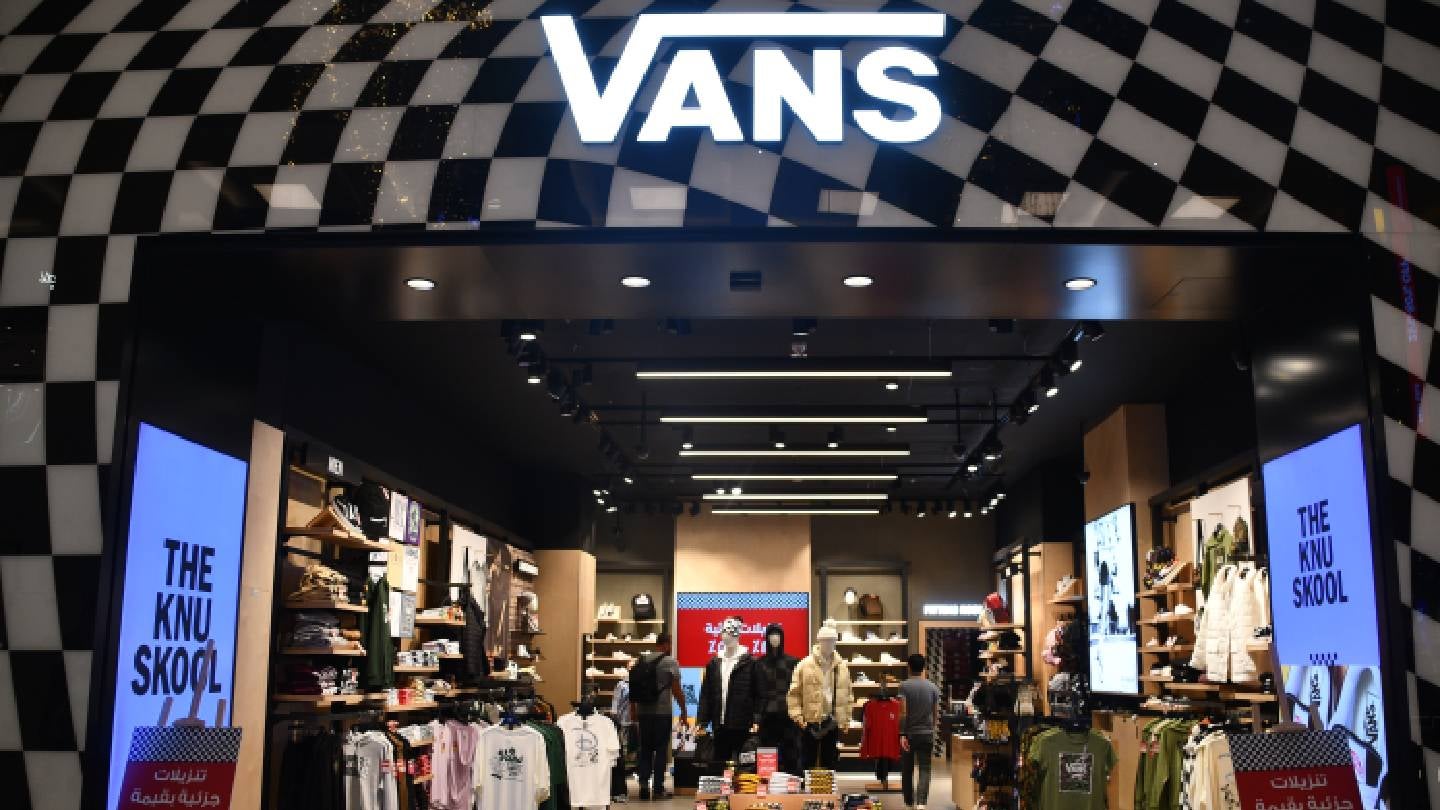
Throughout fiscal years 2025 and 2026, the corporation introduced and systematically implemented "Project Reinvent." This multi-pronged strategic blueprint focused on four core pillars: revitalizing the Vans brand through product innovation and tighter distribution controls; optimizing the global cost structure through workforce reductions and corporate realignments; deleveraging the balance sheet through non-core asset sales (such as the divestiture of the Supreme brand); and enhancing digital and direct-to-consumer capabilities.
By the time fiscal year 2027 commenced, the initial shockwaves of the turnaround had begun to yield measurable operational stabilization. The Q2 FY27 earnings report therefore serves as an essential progress report, measuring the efficacy of these structural interventions against a backdrop of ongoing macroeconomic uncertainty.
Supporting Data and Segment Performance Analysis
A granular examination of the Q2 FY27 financial data reveals stark contrasts in how different segments within the VF Corp portfolio are weathering the current economic climate.
The Outdoor Segment, anchored by The North Face and supported by Timberland, remains the most robust division within the corporate structure. The North Face delivered low-single-digit to mid-single-digit revenue growth on a constant-currency basis, driven by strong performance in both wholesale accounts and owned retail stores. The brand’s successful expansion into urban lifestyle categories, alongside its core technical mountaineering and camping gear lines, has broadened its consumer base without diluting its authentic outdoor heritage. Timberland showed early signs of a successful brand reset, with improving sell-through rates in core boot categories and targeted collaborations resonating well in European urban centers.
The Active Segment, dominated by Vans, continues to present a complex recovery curve. While wholesale partners remain cautious about heavy pre-bookings, reflecting lingering inventory conservatism, DTC channels showed sequential improvement. Average selling prices (ASPs) remained stable, confirming that the brand has successfully halted the heavy discounting cycle that plagued its profit margins in previous years. Management reiterated its commitment to long-term brand health over short-term volume gains, a strategy that involves reducing distribution in discount-heavy channels to restore brand equity.
The Work Segment, anchored by Dickies, reported steady, defensive performance. As industrial, construction, and service sectors maintain consistent demand for durable, functional workwear, Dickies provided a reliable cash-flow anchor for the broader corporate portfolio, offsetting some of the volatility experienced in the consumer-driven fashion and footwear spaces.
Geographically, performance varied widely. The Americas region remained subdued as consumers wrestled with persistent cost-of-living increases and selective discretionary spending. EMEA (Europe, Middle East, and Africa) delivered resilient results, benefiting from strong tourism spending in major European capitals and solid demand for outdoor apparel. Meanwhile, the Asia-Pacific region displayed an uneven recovery pattern, characterized by cautious consumer sentiment in mainland China offset by robust growth in secondary markets.
Official Responses and Executive Commentary
In the wake of the Q2 FY27 financial release, VF Corp’s executive leadership team hosted a conference call with institutional investors, financial analysts, and media representatives to articulate the strategic narrative behind the numbers.
The Chief Executive Officer emphasized that the corporation’s disciplined execution of Project Reinvent is steadily rebuilding the operational foundation required for sustainable, long-term profitable growth. Management underscored that while top-line acceleration remains constrained by broader macroeconomic conditions, the aggressive optimization of the cost base has fundamentally protected the company’s bottom line.
"Our second-quarter performance demonstrates that our turnaround strategy is taking hold where it matters most: in operational discipline, inventory health, and brand equity protection," stated the CEO during the earnings presentation. "We are not managing our business for the short-term noise of quarterly retail fluctuations. We are systematically positioning our iconic brands—led by The North Face and supported by the ongoing revitalization of Vans—to capture market share as global consumer confidence normalizes."
Chief Financial Officer commentary reinforced this perspective, highlighting the significant reduction in net debt achieved through disciplined working capital management and the successful execution of asset divestitures completed over the previous fiscal cycles. The CFO noted that gross margin expansion exceeded initial internal targets, driven by structural structural cost reductions and a cleaner promotional cadence across all major operating regions.
Broader Industry Impact and Strategic Implications
The financial metrics and strategic updates embedded within VF Corp’s Q2 FY27 earnings report carry significant implications for the broader global apparel, footwear, and textile manufacturing industries.
First, the company’s cautious optimism regarding inventory normalization reflects a wider industry trend. Following years of severe supply chain disruptions characterized by the "bullwhip effect"—where retailers over-ordered to compensate for shipping delays, resulting in massive inventory gluts—apparel conglomerates have pivoted toward lean, agile inventory models. VF Corp’s ability to maintain clean inventory levels without resorting to margin-destructive discounting serves as a potential benchmark for other legacy multi-brand apparel giants navigating sluggish demand.
Second, the structural bifurcation between technical outdoor brands and trend-driven streetwear/skatewear labels continues to define market realities. While technical outdoor apparel enjoys a secular tailwind driven by consumer preferences for comfort, functionality, and health-conscious outdoor activities, urban lifestyle and skate footwear brands face intense competition from emerging independent labels and rapid trend cycles. VF Corp’s deliberate deceleration of volume growth to protect the long-term pricing power and cultural cachet of Vans offers a compelling case study in modern brand management.
Finally, the ongoing success of VF Corp’s deleveraging and cost-restructuring program highlights the increasing necessity for operational efficiency in a high-interest-rate macroeconomic environment. As capital costs remain elevated compared to the ultra-low interest rate era of the 2010s, apparel corporations can no longer rely on cheap leverage to fuel growth. Instead, profitable organic growth, disciplined capital allocation, and strict working capital management have become mandatory prerequisites for market survival and investor confidence.
As VF Corporation looks toward the second half of fiscal year 2027 and beyond, the focus will inevitably shift from internal stabilization to top-line acceleration. Whether the strategic adjustments made to the Vans product pipeline and the continued global expansion of The North Face can ignite robust, multi-region revenue growth will determine the ultimate success of the current corporate leadership team. For now, the Q2 FY27 results provide tangible evidence that the turnaround trajectory, though arduous and methodical, is firmly on course.