Wickes Navigates Economic Headwinds with Robust Q2 2026 Performance, Driven by Retail Resurgence and Strategic Expansion

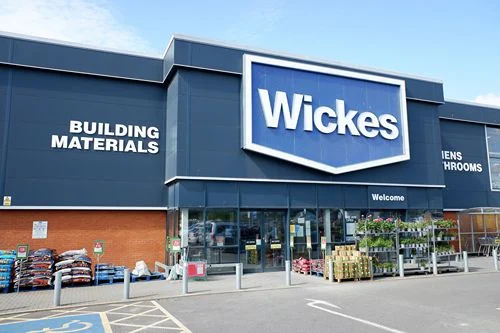
Wickes, a leading UK home improvement retailer, has announced a robust performance for the second quarter of 2026, reporting a 2.3% increase in revenue. This growth was underpinned by sustained volume expansion across its diverse business segments, signalling a strong recovery in its retail division after a challenging start to the year. The company’s half-year (H1) results further solidified its resilient market position, showcasing strategic agility amidst fluctuating consumer spending patterns and environmental influences.
Detailed Performance Breakdown for H1 2026
The first half of 2026 presented a nuanced picture for the home improvement sector, with external factors playing a significant role in consumer behaviour. Wickes’ retail segment, which experienced a 0.4% decline in the first quarter due to widespread heavy rainfall deterring consumers from outdoor DIY projects, demonstrated a remarkable rebound in Q2. As weather conditions improved, consumer confidence in undertaking home and garden improvements surged, leading to a substantial 1.8% year-on-year (YOY) increase in retail revenue during the second quarter. This strong recovery not only offset the Q1 dip but also contributed to an overall H1 revenue growth of 0.8% for the segment. Critically, Wickes also reported an increase in its market share within the competitive retail category, indicating a successful strategy in attracting and retaining customers despite a cautious economic climate.
Within the broader retail division, Wickes’ dedicated trade arm, TradePro, continued its impressive trajectory. This segment, catering specifically to professional tradespeople, recorded a healthy 6% YOY increase in sales. The success of TradePro is further underscored by a significant 9% rise in active membership, reaching 671,000 members. This growth highlights the sustained demand from the professional sector for reliable, convenient, and value-driven supplies, a niche Wickes has clearly mastered. The convenience and competitive pricing offered through TradePro have cemented Wickes as a preferred supplier for local tradespeople, providing a stable and growing revenue stream independent of more volatile consumer DIY trends.
The Design & Installation division also posted strong results, with revenue growth of 5.7% for H1 2026. This performance was primarily propelled by the popularity of its Lifestyle Kitchens and Bespoke Bathrooms offerings. This segment’s success reflects a broader consumer trend where homeowners are increasingly opting to invest in significant home renovations, upgrading key areas like kitchens and bathrooms, rather than incurring the costs and complexities associated with moving home. Wickes’ ability to cater to these higher-value projects through a broadened and appealing product range has been a key driver of growth.
Financial Health and Strategic Investment
Financially, Wickes concludes H1 2026 with a robust net cash balance sheet of £152 million. While slightly lower than the £158 million reported in 2025, this position demonstrates prudent financial management and sufficient liquidity to support its ambitious growth plans. Looking ahead, the company has outlined clear strategic investments for the remainder of 2026. Wickes expects to open four or five new stores by year-end, expanding its physical footprint and accessibility. Furthermore, a significant capital expenditure will be directed towards enhancing its existing estate, with plans to refit or refresh 15-20 stores. These investments are crucial for maintaining a modern, engaging retail environment and ensuring the continued convenience and appeal of Wickes’ offerings to both DIY enthusiasts and trade professionals.
Leadership Commentary and Strategic Outlook
David Wood, CEO of Wickes, articulated the company’s satisfaction with the latest results, stating, "This has been another period of revenue growth, driven once again by volumes and an increase in the number of Wickes customers." He specifically lauded the retail business’s performance given the prevailing "current external environment," emphasizing that "TradePro’s convenient and value-led offer seeing even more local tradespeople turn to Wickes." Wood also highlighted the strategic success of the Design and Installation segment, noting that "the broadening of our offer is supporting current consumer trends, with our Wickes Lifestyle Kitchens proving particularly popular."
Looking to the future, Wood expressed confidence in the company’s strategic direction: "Looking ahead, our strategy leaves us well-placed to continue to win as we accelerate our store rollout and refresh programme." This forward-looking statement underscores Wickes’ commitment to continued expansion and enhancement of its customer experience, both online and in-store, aligning with evolving retail landscapes and consumer expectations.
Expert Insights on Market Dynamics
Julie Palmer, managing partner at the financial and real estate advisory group BTG, provided an insightful commentary on Wickes PLC’s latest trading update, drawing attention to the often-underestimated impact of weather on consumer behaviour within the home improvement sector. "Striking the balance of convenience, value and speed across its vast estate, Wickes has cemented itself as supplier of choice for both DIY and professional customers delivering another quarter of resilient sales as people have readied their homes and gardens for the summer of heatwaves and sport," Palmer observed. Her analysis highlights Wickes’ operational strength in adapting to seasonal demands and leveraging its extensive network to serve diverse customer needs. She further commended Wickes’ "enviable position in the current retail climate" for its ability "to invest in expanding its estate and maintain competitive prices," asserting that this flexibility enables the company to "meet changing seasonal needs of instore and online customers across its divisions."
Palmer also advanced an intriguing hypothesis regarding Wickes’ success, suggesting that the prevailing slowdown in the housing market could be inadvertently contributing to its robust performance. In an economic climate where rising interest rates and mortgage costs may deter prospective homebuyers, consumers are increasingly choosing to "stay put and invest in their homes rather than move." This trend directly translates into increased demand for home improvement products and services, benefiting retailers like Wickes. However, Palmer also issued a cautionary note: "Wickes will be striving to ensure that if the housing market begins to pick up again then it can hold on to the market share it has accrued not only for DIY customers but also for the higher-value projects from its Design and Installation division should renovation demand return." This underscores the importance for Wickes to maintain customer loyalty and competitive offerings across all its segments, irrespective of broader market shifts.
Broader Economic Context and Competitive Landscape
The UK home improvement market, estimated to be a multi-billion-pound industry, has experienced significant fluctuations in recent years. Following a surge in demand during the COVID-19 pandemic as people spent more time at home, the market has faced new challenges, including high inflation, a cost-of-living crisis impacting disposable income, and fluctuating consumer confidence. In this environment, value and convenience have become paramount for consumers. Wickes’ emphasis on these aspects, particularly through its TradePro offering and competitive pricing strategies, has allowed it to outperform some competitors.
The competitive landscape is fierce, with major players such as B&Q (Kingfisher plc), Homebase, and specialist trade suppliers like Screwfix (also Kingfisher plc) vying for market share. Wickes’ unique hybrid model, serving both DIY consumers and trade professionals, provides a diversified revenue base that can buffer against volatility in any single segment. The ability to increase market share in retail, as reported, indicates a successful strategy in drawing customers away from rivals, potentially through a combination of product availability, pricing, and service quality. The strategic refit and refresh programme is also vital in this context, ensuring that stores remain modern, easy to navigate, and stocked with relevant products, enhancing the overall customer experience compared to older, less appealing outlets.
Implications and Future Outlook
Wickes’ H1 2026 performance demonstrates significant resilience and strategic foresight. The company has effectively navigated external challenges, converting potential headwinds into opportunities for growth. The rebound in retail, driven by improved weather and responsive consumer demand, coupled with the consistent strength of TradePro and the high-value Design & Installation services, paints a positive picture. The planned investments in new stores and existing store upgrades signal a long-term commitment to market leadership and customer satisfaction.
However, the future is not without its challenges. While the current housing market slowdown benefits home improvement, a significant upturn could divert consumer spending back towards moving and away from renovation. Wickes will need to continuously innovate its offerings and strengthen customer relationships to retain its accrued market share. Furthermore, sustained inflationary pressures or a deeper economic downturn could impact consumer discretionary spending, even on essential home improvements. The company’s focus on value and convenience, alongside its diversified customer base, positions it well to mitigate these risks.
In conclusion, Wickes has shown with its resilient H1 results how quickly home improvement spending can bounce back when conditions are favourable. With TradePro firing on all cylinders, market share rising, and strategic store investment accelerating, the retailer is entering the second half of 2026 with considerable momentum, poised to capitalize on evolving consumer trends and solidify its position as a dominant force in the UK home improvement sector. The ability to adapt, invest, and deliver value across its distinct customer segments remains central to its ongoing success.