Photography is Not Just for the Affluent: A Comprehensive Guide to Accessible Imaging


The allure of capturing the world through a lens is a powerful one, yet for many, the perceived financial barrier to entry into photography can be disheartening. This article explores the multitude of avenues available for aspiring photographers to embark on their creative journey without necessitating significant financial investment, challenging the notion that high-end equipment is a prerequisite for artistic expression.
The economic realities facing a substantial portion of the global population paint a stark picture. In the United States alone, data from sources such as the Legal Services Corporation and the Census Bureau indicates that between 10.6% and 11.4% of Americans live below the federal poverty line, a demographic encompassing approximately 35 to 37 million individuals. When considering a broader definition of low-income households, which extends to 125% of the federal poverty level, this figure rises to roughly 50 million Americans. Compounding these economic vulnerabilities is the pervasive cost-of-living crisis, which has led to a widespread sentiment that everyday life is becoming increasingly unaffordable. In such an environment, discretionary spending on non-essential items is often the first to be curtailed.
Photography, by its nature, falls into this category of non-essential pursuits. This raises a pertinent question: how can individuals, particularly the one in five children growing up in low-income households, cultivate a passion for an activity that appears both unessential and financially out of reach? The risk of photography becoming an increasingly elitist domain is a genuine concern. However, a closer examination reveals that accessibility remains a cornerstone of this art form, even for those operating under significant budgetary constraints.
Unlocking the World of Interchangeable Lens Cameras on a Budget
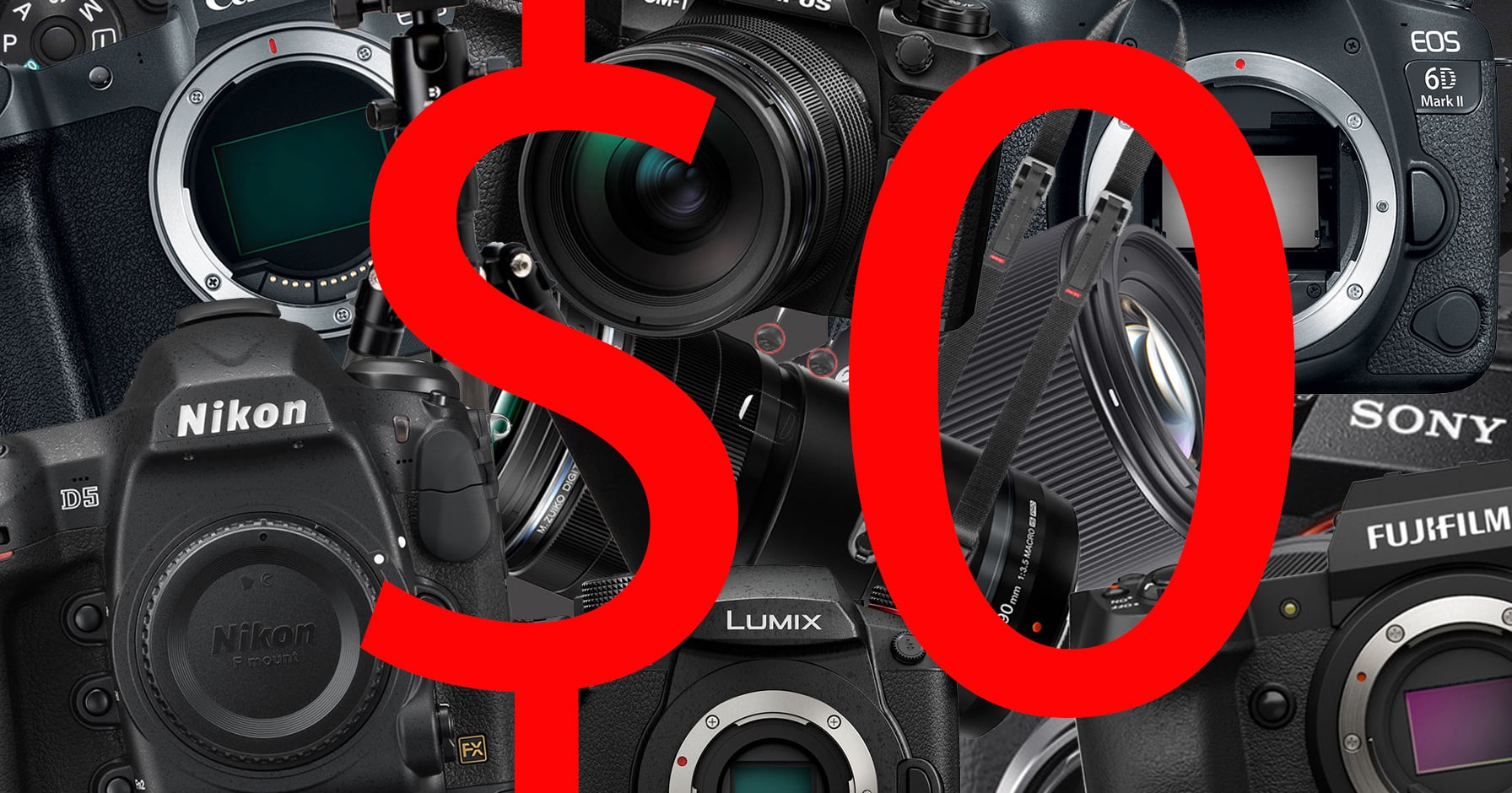
While the ubiquity of smartphones has democratized basic photography to a considerable extent, with even budget models capable of producing decent images, many individuals aspiring to delve deeper into the craft seek the greater creative control and image quality offered by interchangeable lens cameras (ILCs). The substantial cost associated with new ILCs and their accompanying lenses can, however, present a formidable obstacle.
The Thriving Second-Hand Market
The most immediate and accessible solution for acquiring an ILC without breaking the bank lies in the robust second-hand market. Reputable retailers specializing in used camera equipment, such as B&H Photo and KEH Camera, offer a wide selection of pre-owned gear, often with warranties, providing a layer of security for buyers. These vendors meticulously inspect and grade their inventory, ensuring that customers receive functional and reliable equipment at a fraction of the original price.
Beyond professional resellers, private sellers on online marketplaces represent another avenue. However, this route comes with inherent risks. The proliferation of stolen goods on such platforms necessitates a cautious approach. Vigilance is paramount, as photographing a camera and lens can inadvertently expose their serial numbers, which can then be shared and used by law enforcement agencies and insurance companies to track stolen equipment. Online databases like Stolen Camera Finder and Lens Tag serve as crucial resources in this regard, aiding in the recovery of lost or stolen gear.
A Historical Perspective on Equipment Availability
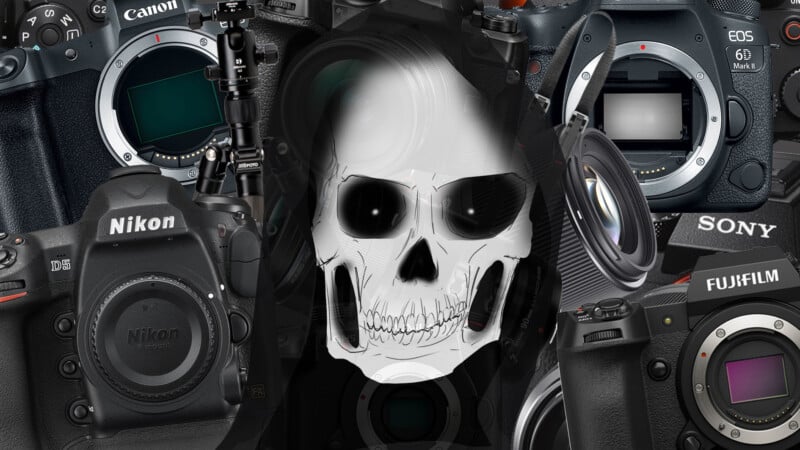
Understanding the evolution of digital photography provides a valuable context for appreciating the abundance of available equipment. The period between 2006 and 2012 witnessed a continuous surge in DSLR camera sales. According to data from the Camera & Imaging Products Association (CIPA), in 2012 alone, Japanese manufacturers shipped over 20 million interchangeable lens digital cameras, with DSLRs accounting for 16.2 million of that total. The overall digital camera market that year saw nearly 100 million units shipped, predominantly compact cameras with fixed lenses.
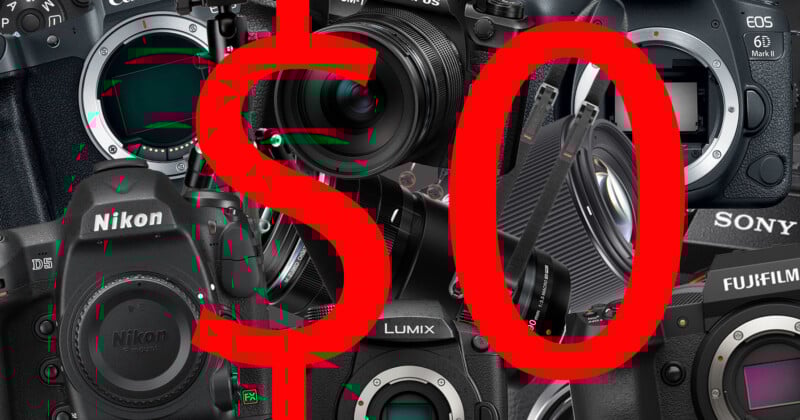
The subsequent years saw smartphones exert a significant impact, largely decimating the compact camera market. However, sales of interchangeable lens cameras remained relatively strong. The DSLR, though, began a gradual decline. By 2018, with major manufacturers like Canon and Nikon entering the full-frame mirrorless camera space alongside Sony, DSLR shipments had fallen to 6.6 million units, while mirrorless camera shipments climbed to 4.1 million. By 2020, mirrorless cameras had officially surpassed DSLRs in total shipments, a trend that has continued to widen.
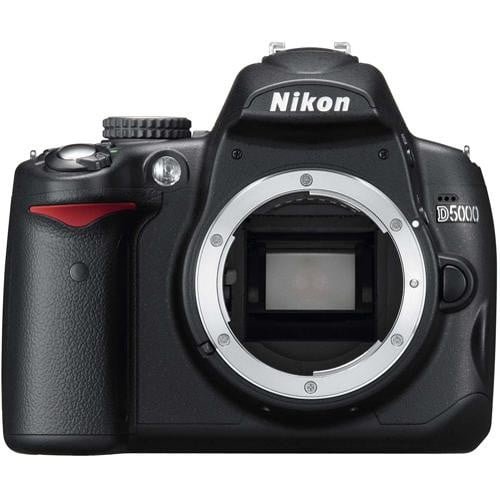
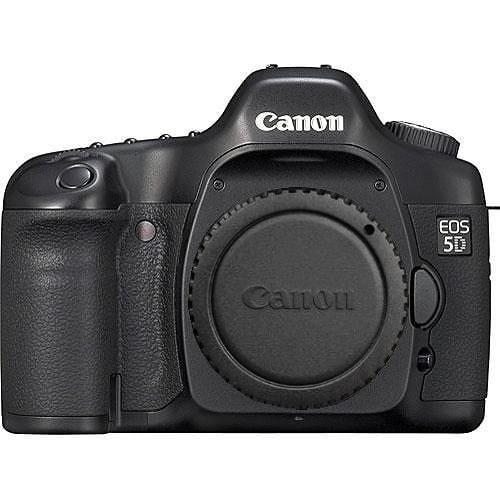
Despite the overall downturn in the photography industry over the past decade, hundreds of millions of digital interchangeable lens cameras have been sold in the 21st century. A significant number of these devices are still fully operational and may be lying dormant in closets or attics. The likelihood of a friend, family member, or acquaintance possessing an underutilized camera that they would be willing to pass on is considerable. A simple inquiry could unearth a treasure trove of photographic potential.
The Enduring Value of Older Cameras
The notion that one needs the latest technological advancements to produce compelling imagery is a fallacy. A review of photographs shared on platforms like Flickr.com, dating back two decades, reveals an array of outstanding images that hold their own against contemporary standards. The quality of a photograph is ultimately determined by the photographer’s vision and skill, not solely by the model of the camera used.
While DSLR sales have plummeted and the technology is arguably nearing obsolescence, a vast number of these cameras continue to be utilized by photographers to create exceptional work. Disused DSLRs are far more likely to be found stored away than their mirrorless counterparts. However, it is important to remember that single-lens reflex cameras have a rich history dating back to 1884, and have been instrumental in capturing some of history’s most iconic images. There is no inherent reason why they cannot continue to serve this purpose.

A Call to Action for Unused Equipment Owners
Many individuals may possess older cameras that have fallen into disuse, slowly deteriorating in storage. Reflecting on the journeys of renowned photographers often reveals a common thread: a formative encounter with a camera gifted or loaned by a loved one. Ansel Adams received his first camera, a Kodak Brownie, from his father. Annie Leibovitz and Margaret Bourke-White were similarly inspired by cameras given to them by their fathers. Ansel Adams’ uncle also gifted him his initial camera. Robert Capa was loaned a Leica by a friend, while Julia Margaret Cameron received her camera from her daughter. Sebastião Salgado was gifted his by his wife, and Diane Arbus by her husband.
This historical precedent underscores the profound impact that the simple act of sharing a camera can have. For those who own an unused camera, consider the potential to ignite a passion in someone else. By passing on an old piece of equipment, one might be instrumental in nurturing the next generation of photographic talent.
The Strategic Advantage of Older Lenses
When assembling a photographic kit on a constrained budget, prioritizing the lens over the camera body is a prudent strategy. High-quality lenses contribute significantly more to overall image quality than the camera body itself.
While lens technology has advanced, leading to sharper modern optics, this does not diminish the artistic value of older lenses. Many older professional lenses can be acquired at remarkably low prices. The "magic" or unique character that older lenses impart to images can be a compelling artistic choice. These vintage lenses, along with film cameras, can often be found at bargain prices in junk shops, yard sales, and online auctions. Adaptors to mount these older film lenses onto modern digital cameras are also readily available and inexpensive.
For photographers intending to utilize vintage lenses for artistic purposes, a digital camera with a larger viewfinder can be beneficial. While many modern mirrorless cameras excel in this regard, some older DSLRs and smaller viewfinders can make manual focusing a challenging endeavor. The resulting images from such combinations, as demonstrated by the use of a vintage Olympus 50mm f/1.4 film lens on a modern mirrorless OM-1 Mark II, can offer a distinct aesthetic that differs significantly from that produced by contemporary professional lenses.
Navigating the Landscape of Memory Cards and Software
Affordable Storage Solutions
Memory cards, despite their relatively simple composition, can represent a significant expense. However, budget-friendly SD cards are widely available on online marketplaces. While their read and write speeds may not match those of premium cards, they are generally adequate for most photographic endeavors, provided one is not engaging in high-speed continuous shooting.
The Power of Free Software
The realm of photo editing and processing is rich with powerful, free software options. Darktable has long been a staple for photographers seeking a robust solution for organizing and developing RAW images. Lightzone, though its main website has ceased operations, remains available as a free, open-source RAW developer. It champions non-destructive editing and RAW file processing, incorporating ZoneMapper for precise control, inspired by the zone system pioneered by Ansel Adams and Fred Archer.
GIMP (GNU Image Manipulation Program) is another highly capable free photo editor, often used by photography students as a foundational tool. Both Darktable and GIMP are available on GitHub and are compatible with Windows, macOS, and Linux operating systems.
Affinity Photo offers a free version for macOS users with Apple Silicon (M Series) or Intel processors, supporting macOS Catalina (10.15) and later. It is also available for iPadOS, Windows 10 (May 2020 Update, build 19041 or later), and Windows 11, supporting Intel, AMD, and ARM64 processors. ON1 also provides its Editor for free, compatible with Windows 11 and macOS. For those seeking an interface reminiscent of Adobe Photoshop Elements without the cost, getpaint.net offers a powerful and user-friendly free editing solution.
Revitalizing Older Computing Hardware
For individuals utilizing older computers that are experiencing performance degradation or are deemed incompatible with newer operating systems like Windows 11, several avenues exist to extend their usability.
It is possible to install Windows 11 on computers that the standard Windows Updater may flag as incompatible. Tools such as Flyby 11, Rufus, and Ventoy can facilitate this process. However, it is important to note that Windows 11 tends to be more resource-intensive than Windows 10, and older machines may not experience a significant performance improvement.
A more effective method for breathing new life into sluggish hardware is to install a Linux operating system, such as Ubuntu. While not all applications may be directly compatible without the use of emulators, for budget-conscious users focused on Linux-compatible software, this presents a viable and often transformative solution. Just as with redundant cameras, a multitude of discarded laptops exist. Installing Ubuntu on these machines and donating them to individuals lacking computer access can be a profoundly impactful act. Wiping the hard drive, installing Ubuntu, and passing on the device can empower aspiring creators.
Cost-Effective Lighting Solutions
Dedicated camera flashes can be a considerable expense. Furthermore, using older film camera flashes on digital cameras is generally ill-advised due to the risk of damaging the digital camera’s electronics. However, older flash units can be safely employed with inexpensive wireless receivers, as these receivers are designed to withstand higher voltages. A set of three receivers and a single trigger can often be purchased for around $40, and vintage camera flashes can be found for as little as $5 to $10 at yard sales and flea markets.
Beyond dedicated flashes, domestic LED lights with variable color temperature capabilities are available online at very low prices. Similarly, powerful LED torches offer immense creative potential and are also affordably priced. These tools can dramatically enhance photographic possibilities without significant investment. For instance, during the "blue hour," a cheap yet powerful LED torch can be invaluable for illuminating foreground details in a seascape, as demonstrated in various photographic examples.
Exploring Alternative Studio Environments
The pursuit of studio-quality results does not necessitate the rental or purchase of expensive studio space. Photographers often gravitate towards either pristine, modern aesthetics or more characterful, "grungy" environments. Unless free access to a purpose-built studio is available, embracing the latter can yield remarkable results.
Backstreets, derelict buildings, abandoned industrial sites, dense forests, and historic ghost towns all offer compelling backdrops for photographic exploration. The United States alone boasts approximately 4,500 documented ghost towns, with historians estimating the true number to be closer to 20,000. These locations provide a wealth of visual texture and narrative potential.

Moreover, compelling street photography often thrives in settings that are far from pristine. What may appear commonplace or easily accessible to one individual can be perceived as extraordinary and unique by another, highlighting the subjective nature of visual appeal and the power of perspective. Grungy urban alleyways, for example, can serve as exceptionally dynamic and visually interesting locations for photography.
Accessible Training and Skill Development
While formal education and workshops can be beneficial, the internet has emerged as an unparalleled repository of photographic knowledge. Countless enthusiastic photographers generously share their insights through videos, blog posts, and podcasts, often with little to no financial compensation. Reputable photography websites, such as PetaPixel itself, offer a wealth of educational content.
Ultimately, the most effective method for honing photographic skills is through consistent practice. Once the necessary equipment is acquired, the act of taking pictures incurs minimal ongoing cost.
The Creative Eye: The True Differentiator
In conclusion, exceptional photography is not a product of expensive equipment; it originates from the photographer’s creative vision and cultivated eye. This ability is attainable by anyone willing to learn and practice. Indeed, working with older equipment that possesses inherent limitations can foster superior camera skills compared to relying on an unlimited budget and the most advanced technology. For instance, capturing a bird in flight with a manual-focus lens demands a far greater degree of skill and anticipation than utilizing a camera equipped with advanced AI subject detection.

The impact of photography extends beyond the individual. The question of whether someone has been inspired to pursue photography through the gift of a camera, or conversely, has gifted a camera to an aspiring photographer who has subsequently achieved success, prompts reflection on the ripple effect of such actions. Many photographers continue to produce outstanding work utilizing older equipment, demonstrating that technical limitations can often spur innovation and artistic ingenuity. Sharing experiences and insights on utilizing budget-friendly equipment can significantly benefit newcomers to the field, fostering a more inclusive and accessible photographic community.