Hoka Surges Ahead in the Great NYC Marathon Marketing Race as Running Culture Explodes

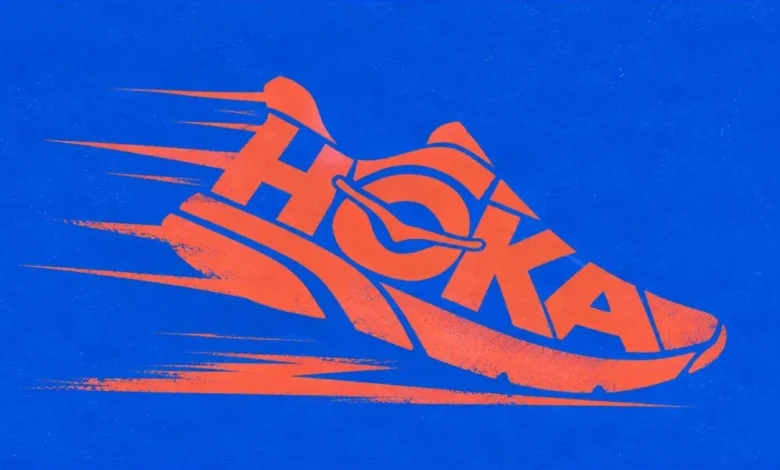
With just over a month remaining until the prestigious New York City Marathon on November 2, athletic footwear and apparel brand Hoka has launched an aggressive, multi-channel marketing campaign designed to capture the hearts, minds, and brand loyalty of the city’s vast running community. This strategic push highlights the escalating battle among major sports apparel giants—including Nike, New Balance, Brooks, Adidas, and On—to secure a permanent foothold in the ongoing, global running revival.
The campaign, developed in collaboration with creative agency Jellyfish, departs from traditional top-down product marketing. Instead of merely pushing merchandise, Hoka is leveraging digital infrastructure to celebrate the day-to-day grind of everyday athletes. By turning training milestones into a citywide spectacle, the brand is attempting to integrate itself deeply into the culture of urban endurance sports.
The Anatomy of a Hyper-Localized, Community-Driven Campaign
At the heart of Hoka’s pre-marathon offensive is a clever integration of digital fitness tracking and physical outdoor media. The brand has been actively logging the training progress of New York City’s runners via a sponsored Strava challenge. Rather than displaying generic promotional imagery, Hoka is utilizing digital out-of-home (DOOH) billboards across the city’s five boroughs to act as live scorecards, reflecting the collective miles logged by local participants in real time.
Allie Tsavdarides, Vice President of North America Marketing at Hoka, explained that the core objective is to position the brand directly inside the running community’s ongoing dialogue.
"The big day is always very exciting, but there’s a hell of a lot of work that goes into the training," Tsavdarides noted. "Instead of this being a Hoka advertisement, we really wanted to use that space to talk about our community, talk about our runners, and celebrate the progress."
The campaign utilizes a meticulously structured triangular media mix. This includes targeted paid social media activities across platforms like TikTok and Meta, strategic partnerships with six prominent digital content creators, and the aforementioned network of DOOH sites spanning New York City. The activation leads directly into a high-profile block party hosted by Hoka in the city, an event designed to generate organic buzz and serve as the cornerstone of its post-event messaging in the weeks following the race. While executive leadership declined to disclose specific financial figures for the campaign, the scope of the activation underscores a significant capital allocation.
Michael Walsh Kirwan, Vice President and Creative Director at Jellyfish, emphasized that the media strategy was engineered to provoke continuous physical participation rather than passive digital consumption.
"It’s a citywide activation that’s going to motivate people to lace up and get after it, and move the numbers," Kirwan said. "They’ll see literal change reflected back to them. I think that’s a powerful thing for a brand to do."
The Shift From Solitary Pursuit to Social Phenomenon
Hoka’s strategic pivot is a direct response to a fundamental evolution in how people consume and practice endurance sports. Running has transformed over the past decade from a notoriously solitary pursuit into a deeply social, community-driven lifestyle.
Sky Canaves, an eMarketer analyst and avid ultra-runner, points to a massive structural shift within the running world. "We’re in the middle of a huge boom," Canaves observed. "The run scene has changed a lot in the last couple of years. Run clubs used to be more competition-focused… The big explosion has been in socially oriented run clubs. They’re open to all."
This democratization of running—exemplified by massive urban run clubs meeting multiple times a week—has created powerful, interconnected subcultures. Last year’s New York City Marathon alone saw more than 59,000 official finishers, a testament to the surging popularity of long-distance racing. In response, athletic brands have rapidly pivoted their budgets away from passive broadcast sponsorships and toward club sponsorships, localized events, and creator-led marketing.
For apparel brands, these tightly knit running communities represent a uniquely valuable constituency. Dedicated runners not only purchase running shoes at higher frequencies and price points due to wear-and-tear; they also act as authentic brand evangelists within their social circles, driving word-of-mouth marketing that corporate advertising can rarely replicate.
Dan Salkey, co-founder of independent agency Small World, argued that genuine community engagement far outweighs the efficacy of one-way digital ad campaigns. "They actually can genuinely own an audience that can be evangelists for their brand," Salkey said. "That conversation won’t be happening in the comment section of their Instagram posts."
Salkey added that Hoka’s sophisticated media mix provides a masterclass in modern brand building. By leveraging trusted creators for social proof, amplifying those endorsements through paid media, and crowning the strategy with high-impact DOOH placements, Hoka is establishing layers of trust that resonate deeply with modern consumers.
Financial Momentum and the Running Renaissance
Hoka’s aggressive marketing maneuvers arrive at a time of remarkable financial health for the brand, especially when contrasted with the headwinds faced by some of its legacy competitors. While industry bellwethers like Nike have struggled in recent quarters to navigate shifting consumer preferences and wholesale dynamics, Hoka has emerged as one of the definitive breakout stars of the running renaissance.
Global revenues for Hoka reached $704 million in the first quarter of the fiscal year, representing an impressive 8% year-over-year increase. Stefano Caroti, CEO, president, and director of Hoka’s parent company, Deckers Outdoor Group, has publicly stated that the brand is projected to sustain growth in the "low double digits" throughout the remainder of the fiscal year.
This commercial momentum has been aggressively fueled by increased corporate investment in marketing and operational scale. According to Deckers Outdoor Group’s first-quarter earnings report released in July, Hoka’s selling, general, and administrative (SG&A) expenses rose 13% year-over-year to $420 million. Chief Financial Officer Steven J. Fasching primarily attributed the increase to higher marketing expenditures aimed at accelerating global brand awareness and market share capture, though a granular breakdown of the campaign budgets was not disclosed.
Expanding the Playbook Beyond Race Day
Traditionally, athletic brands concentrated their marathon marketing efforts strictly on race weekend, bombarding consumers with elite athlete endorsements and high-end race-day gear. However, as marathons have ballooned in size and cultural significance, brands are dramatically expanding their marketing windows to capture the months-long preparation cycle.
Hoka’s current New York City campaign exemplifies this extended playbook. By training its lens squarely on the grueling preparation period rather than just the final 26.2-mile race, Hoka successfully positions itself as a partner in the journey. This approach allows the brand to capture a broader demographic of consumers, ranging from first-time marathoners and running tourists to seasoned athletes chasing personal records.
Historically, Hoka built its elite reputation on marquee endurance events deeply aligned with its trail-running heritage, such as the prestigious Western States Endurance Run and the Ultra-Trail du Mont-Blanc. However, as road racing and urban marathons capture the cultural zeitgeist, scaling urban activations like the upcoming New York City campaign provides an essential avenue for mainstream market penetration.
As the countdown to November 2 continues, Hoka’s blend of localized digital infrastructure, community-first messaging, and heavy experiential marketing offers a clear glimpse into the future of sports apparel advertising. By treating the marathon not merely as a commercial showcase, but as a community celebration, Hoka is proving that winning the long-term running market requires more than just high-performance footwear—it requires a seat at the community’s table.